Humidity and Solid Wood Furniture in Singapore Small-Space Homes
Singapore’s climate can change a solid wood sofa, bed frame, dining table, wardrobe, or nightstand more than many buyers expect. High humidity encourages wood to absorb moisture, swell, and warp, while rapid air-conditioning drying can make the same piece shrink, crack, or split. In HDB flats and condos across Tampines, Bedok, and Punggol, the issue is often amplified by narrow lift doors, compact corridors, limited ventilation, and the fact that large furniture cannot always be moved outdoors for seasonal adjustment.
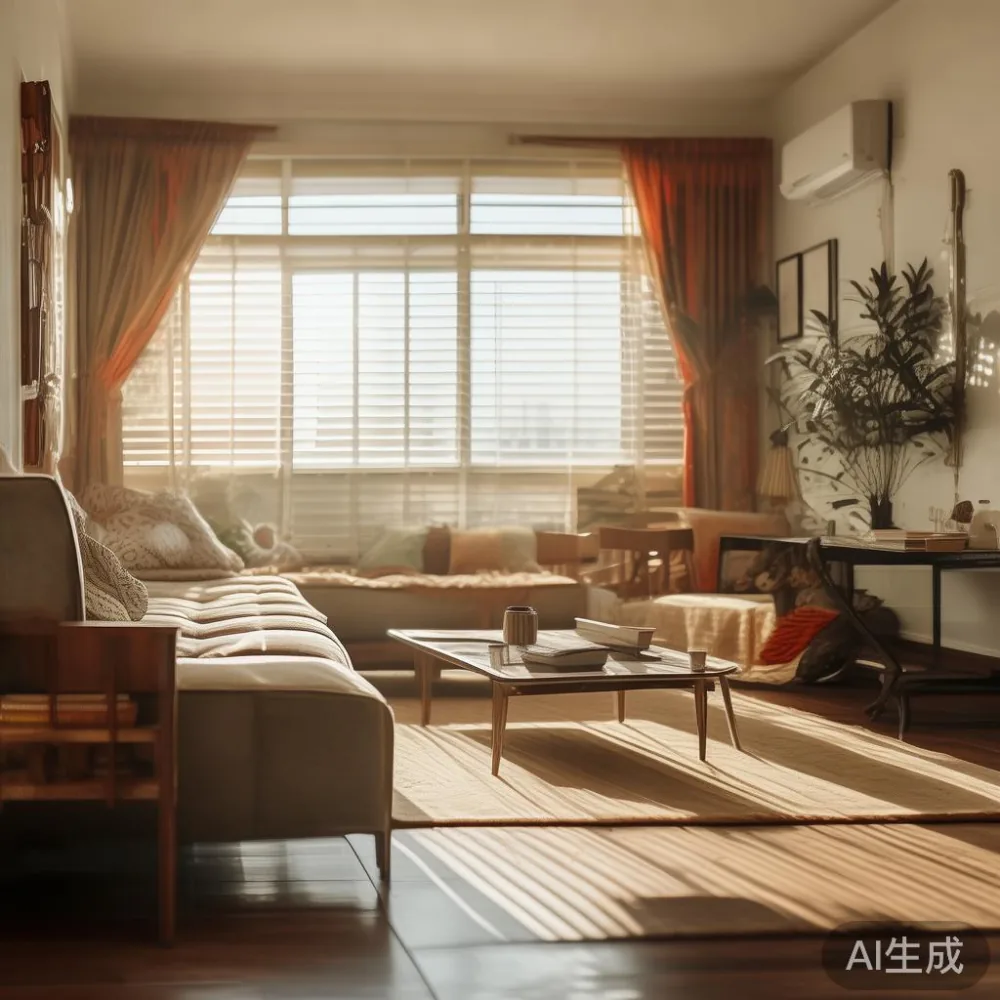
At MIDHILL, we build and export solid wood furniture for 15-plus countries and back every frame with a 10-year structural warranty. That durability matters in Southeast Asia, but no timber is immune to moisture indefinitely. The practical answer is not to fear solid wood; it is to control exposure, choose suitable dimensions and finishes, and allow the furniture to acclimatise indoors.
Why Singapore humidity affects solid wood furniture
Singapore’s monthly relative humidity commonly ranges from about 70% to 90%, with monsoon periods often producing damp nights and warm days. Wood is hygroscopic: it takes in moisture when the surrounding air is wet and releases it when the air becomes drier. An 18 mm solid oak dining table, for example, may gain roughly 1–3 mm of dimensional movement across its width as humidity changes. That movement can stress a tight fit, bow a wide tabletop, or make sliding doors stick in a wardrobe.

Air conditioning usually lowers perceived humidity quickly, often to 40–60% in occupied rooms, but compressors cycle throughout the day. A unit near the dining area may create a dry zone around one wall while a poorly ventilated room remains damp on the opposite side. This repeated expansion and contraction is more demanding than stable seasonal change.
The risk differs by timber. Teak has a reputation for weather resistance because its oils help it tolerate moisture, yet indoor teak still responds to humidity. Oak, ash, rubberwood, and other species used in bedroom furniture can move more noticeably. Veneered and engineered components can also expand or shrink, although their construction method may distribute movement differently from a single solid panel.
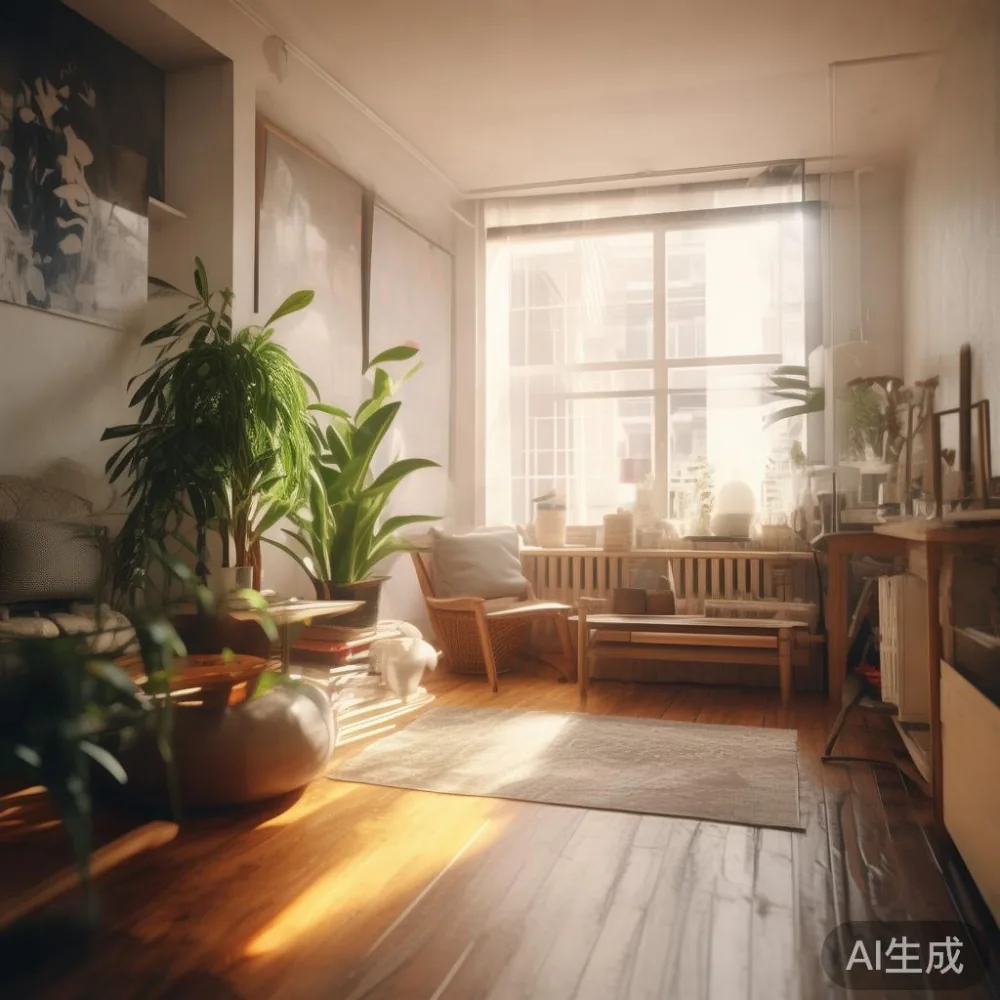
Follow the practical test used for “American bed vs Mid-century modern bed” comparisons: evaluate the frame, joinery, ventilation clearance, and stability rather than assuming one visual style will handle every climate equally. A tapered American bed frame may need less under-bed clearance than a low platform design, while a solid slatted base that permits airflow can dry more evenly.
How much space should a small-space dining room keep around its furniture?
A useful small-space layout leaves about 60–90 cm between a dining table edge and a wall, allowing chairs to be pulled back without hitting plasterwork. Leave at least 90 cm around a main chair position where possible. A table measuring 140 × 80 cm can seat 4 people comfortably; 160 × 90 cm can seat 6. A 120 × 70 cm table may suit 4 in a compact flat, but people will move more often, and furniture will receive less airflow.
For a local example, a 160 × 90 cm MIDHILL dining table may need to enter an HDB lift through a door opening of approximately 80–90 cm. It should be checked fully assembled or with only the legs removed, because a polished top that fits the lift shaft can still fail to turn through the corridor. Measure the narrowest point, the lift door, the landing, and the route into the dining room before ordering. Add 5–10 cm of working clearance around the packaging if the supplier can provide dimensions.
Humidity adds another layout consideration. Do not push a solid wood dining table tightly against a kitchen wall or place it directly beneath a dripping air-conditioning condensate line. Keep at least 20–30 cm from exterior walls where feasible, and avoid rugs or storage boxes that trap moisture against the legs. A table that can “breathe” on all sides is less likely to develop edge distortion.
Does an air-conditioned bedroom really protect a solid wood bed frame?
Air conditioning helps, but bedrooms in Singapore are often switched off for 8–12 hours while residents are at work or school. During that period, the room temperature and humidity can rise, then change sharply when the unit starts again. A timber bed frame positioned against an external wall is exposed to condensation risk and temperature variation. A freestanding design with a 3–5 cm wall gap is preferable.
For slatted bases, maintain space beneath the mattress for airflow and inspect every 3 months. Replace a sagging mattress or a solid platform that seals the base; trapped humidity can promote mould and musty odours. For a solid wood nightstand, keep it 10–20 cm away from the wall if space permits, and do not place it directly under a window that remains unventilated.
Singapore HDB bedrooms frequently have a usable width of only 270–330 cm. A queen bed measuring 150 × 200 cm can leave 60–90 cm per side in a 270 cm room, before a wardrobe door opens. Consider a 140 × 200 cm queen or a 120 × 200 cm standard-size bed rather than forcing a larger frame into the room. Narrow bedside tables, such as a 35 × 40 cm model with a 45 cm height, can preserve circulation without making the room feel compressed.
When searching for a “best Japandi bed for 2026” in Singapore, prioritise stable construction and moisture management over a low profile alone. A Japanese-inspired platform is visually quiet and well suited to a small space, but its slats, centre supports, and distance from the floor still determine how well it dries.
Can moisture damage a marble table or solid wood dressing table?
Marble is less affected by humidity than timber because it does not absorb water in the same way. It can, however, react to acidic substances, and a wooden or metal support structure still needs protection from damp floors. Wipe spills within 5 minutes rather than leaving lemon juice, wine, or vinegar on the surface. Use a neutral pH cleaner and a soft cloth; avoid abrasive pads that scratch the finish.
A light luxury dressing table combines stone, timber, and often a mirror, so each material should be treated differently. Seal the timber legs and edges according to the finish specification, and check silicone joints around the top every 6 months. If the table stands near a bathroom or a balcony door, keep the room ventilated and remove standing water promptly.
For people comparing a “Modern light luxury nightstand,” examine drawer slides, corners, and finish edges as closely as the styling. Drawers should operate without forcing, and a nightstand should not be wedged tightly between the bed and a wall. Small clearance around the carcass allows inspection and reduces trapped dampness.
Freestanding wardrobes deserve the same care. A solid wood wardrobe may be 180–200 cm high, 90–120 cm wide, and 50–60 cm deep. If it has hinged doors, allow about 60 cm for the door swing and access. In humid conditions, leave internal drawers partly open for 30–60 minutes after the air conditioner has been running, and avoid storing damp clothing inside.
What is the safest way to move large furniture into a Singapore flat?
Measurement is the first stage of delivery planning. Note the lift car internal dimensions, lift door width, corridor turns, stair width, and the final doorway. Many HDB blocks use a lift door around 80–90 cm wide and a corridor around 120–150 cm wide, though older and newer blocks differ. A wardrobe cannot be judged by its doorway clearance alone; the diagonal clearance into the lift matters too.
Large solid wood pieces are often delivered in 2–4 protective packages. Confirm whether assembly is included and whether the carrier can carry the package to the unit lobby or the door. Do not assume that a lift booking alone guarantees a successful delivery: the route from the service lobby to the flat may include a 90-degree turn or a narrow recess.
Singapore’s GST is already reflected in the displayed retail price for consumer purchases, so compare the final SGD amount rather than adding tax again. MIDHILL offers free shipping above US$350, equivalent to about SGD$470 at an indicative rate of SG$1.34 per US$1; exchange rates and card charges can vary. Local delivery timing should be confirmed before purchase, and orders over US$350 should not be treated as automatically eligible for a particular date. The company also provides a 14-day return window, subject to the stated product and return conditions.
How should owners finish and maintain solid wood furniture?
Allow new timber furniture to acclimatise in its final room. MIDHILL advises leaving pieces in the room for roughly 7–14 days before tightening fittings, placing objects, or using refinishing treatments. During that period, maintain a sensible indoor relative humidity of around 45–65% where possible and avoid direct contact with damp walls.
Use a hygrometer, available for about SGD$15–40, to check the bedroom and living area. Place it near the furniture but not directly in the air-conditioner outlet. Record readings at the same hour for 7 days. If the room regularly sits above 75%, improve door ventilation, clear obstructed air-conditioning filters every 1–2 months, or run a dehumidifier. If readings repeatedly fall below 40%, moderate direct airflow and avoid abrupt heating.
Clean with a lightly damp cloth, then dry immediately. Do not use steam cleaners, bleach, ammonia, or silicone-based polish unless the finish supplier confirms compatibility. Apply a suitable maintenance finish every 12–24 months, depending on use and exposure, rather than waiting for the surface to look pale. Coasters and felt pads should sit under vases, warm table lamps, and dining-table accessories. A hot drink can leave a ring before the liquid reaches the wood.
Inspect for movement every 6 months: look at table edges, bed joints, wardrobe doors, and nightstand undersides. A seasonal gap of less than 1–2 mm may reflect normal timber movement, while persistent binding, cracking, or a warped tabletop should be documented with photographs and reported promptly.
For an owner who wants long-term care rather than a disposable furnishing, MIDHILL includes lifetime refinishing. That service supports the value of the original piece, although refinishing cannot reverse biological decay, water staining, or damage caused by prolonged damp contact. Continue environmental controls after the first refinishing.
Which finishes and styles suit Singapore’s humidity?
Hardwax oil and other penetrating finishes tend to leave the open grain visible and permit careful spot repair. They require periodic maintenance, but they do not create the thick plastic film associated with some lacquers. Water-based polyurethane can provide a durable wipe-clean surface if applied properly, yet every edge and joint still matters. High-gloss finishes show scratches and moisture-related surface changes more clearly.
For French light luxury, choose restrained moulding, pale woods, and curved details without crowding a compact flat. For post-modern light luxury, combine clean lines with warmer timber tones and one deliberate focal piece. A 130–150 cm light solid wood sofa can suit a 280 cm living room if circulation remains 60–75 cm wide; avoid a sectional that blocks the balcony door or narrows the main path to less than 60 cm.
This approach supports light luxury for small living room layouts, where scale, visual breathing room, and durable materials carry more weight than adding accessories. The popular phrase “Vintage for dining room” can describe a warm, aged appearance, but the actual furniture should still use stable joinery and a finish suitable for a humid climate.
What should Singapore buyers ask before ordering solid wood furniture?
Ask for the exact external and package dimensions, weight, timber species, finish type, assembly requirements, and delivery pathway. Confirm whether the quoted SGD price includes GST, who carries the package from the lift lobby, and whether stairs or a narrow corridor require extra work. A dining table weighing 45–70 kg may need 2–3 people to move safely; a solid wood bed frame weighing 35–60 kg may fit a 2-person service elevator better if disassembled.
Ask how the maker responds to seasonal movement, what the 10-year structural warranty covers, and how lifetime refinishing is handled. Keep the order record, care instructions, and delivery photographs. If a piece arrives with moisture-related movement, allow it to acclimatise for 7–14 days unless the supplier instructs otherwise, and report continuing distortion rather than repeatedly forcing joints.
Solid wood furniture can work very well in Singapore’s small spaces when humidity is treated as a household condition rather than an occasional event. Measure the delivery route, keep air moving, maintain moderate indoor humidity, and choose furniture with accurate dimensions and joinery suited to the room. In Tampines, Bedok, and Punggol, those few centimetres of clearance can determine whether a beautiful bed frame, dining table, or wardrobe remains comfortable, stable, and easy to maintain for years.