Solid Wood vs Veneer in a Small HDB: A 5-Year Cost Reality Check for Singapore Buyers
I moved into a 4-room HDB in Tampines last year, and the very first week I learned something the brochures never tell you: lift openings here run roughly 90 cm wide, corridor turns are tighter than you remember from your BTO showroom visit, and a wardrobe that looked perfect on a 12 sqm mock-up floor can refuse to enter the lift if the doors open the wrong way. Anyone furnishing a small space in Singapore — a Punggol EC starter flat, a compact Bedok condo, a resale 3-rm near the MRT — runs into this on day one. So when friends ask me whether to save money up front with a veneer wardrobe and dining table, or pay more for solid wood, I now answer with a spreadsheet, not a vibe.
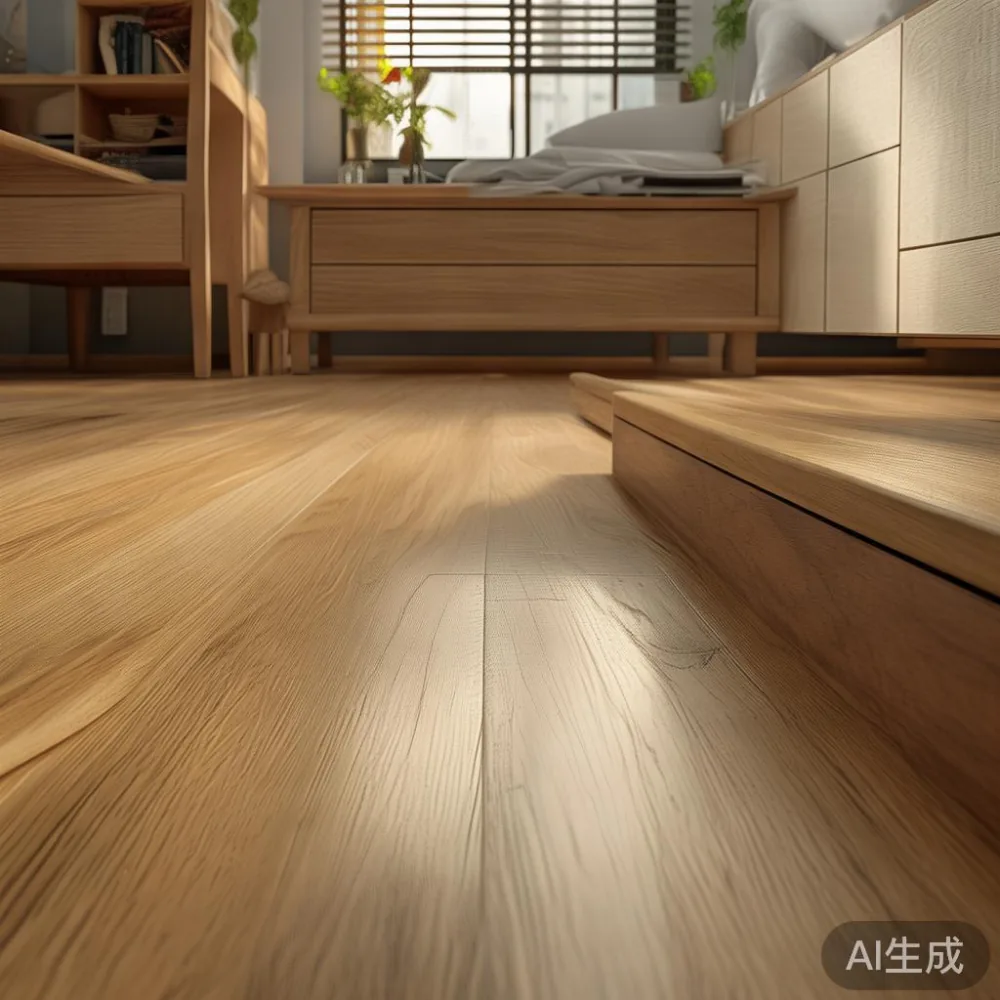
This is a 5-year cost comparison written for Singapore households. I have walked the MIDHILL Foshan workshop twice in the past eighteen months and watched their craftsmen joint, sand and oil a solid wood sofa frame by hand; I have also inspected a popular local chain's particleboard-with-veneer dining set that came apart at the edges within 30 months. Those two experiences anchor the numbers below.
What is the real 5-year cost difference between veneer and solid wood furniture?
For a typical 4-room HDB set — a 1.6 m solid wood dining table, a 1.8 m bed frame, a 2-door wardrobe, a nightstand and a 2-seater sofa — veneer pieces in Singapore retail for roughly SGD 1,800-2,600 in total, while a comparable solid wood set runs SGD 3,400-5,200. Over five years, however, the gap narrows or reverses once you add refinishing, replacement and disposal. A real direct answer: in a small Singapore home, a solid wood set costs about SGD 1,600-2,400 more on day one, but only about SGD 400-900 more over five years once veneer repairs and one piece of early replacement are factored in.
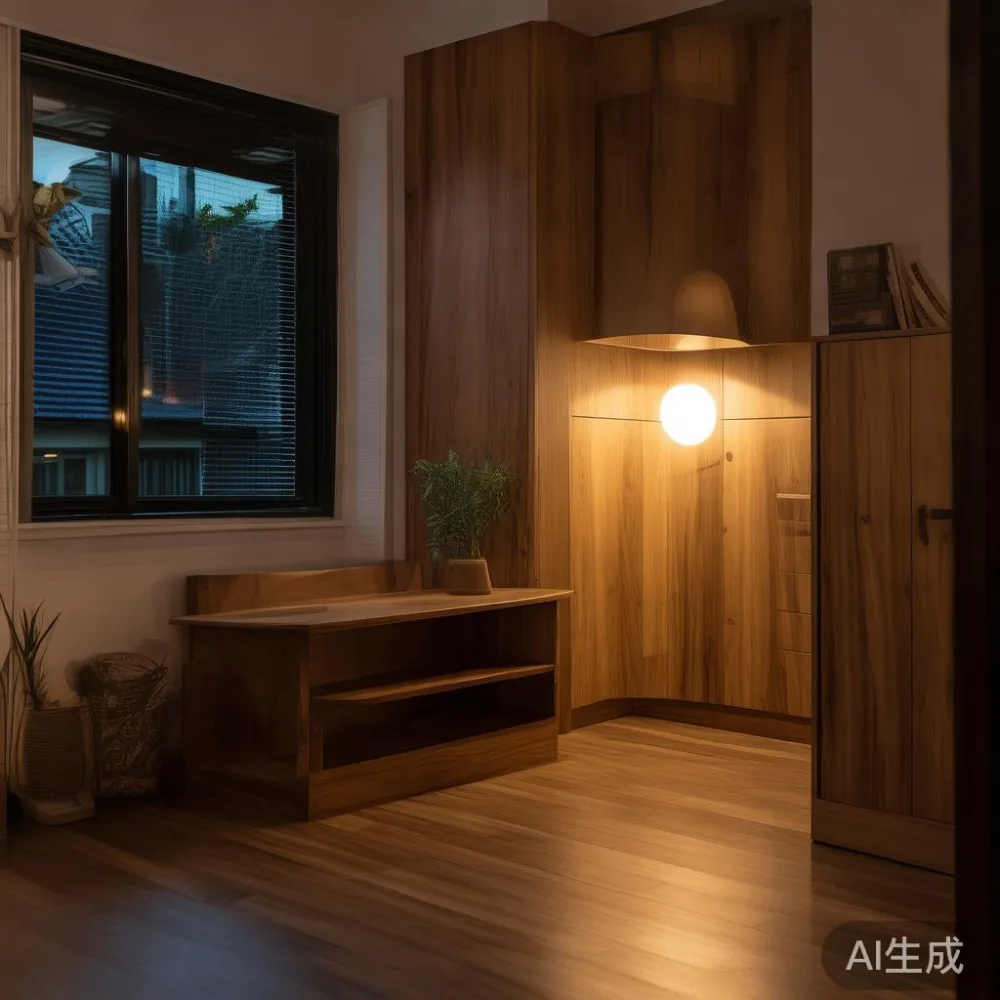
How do I style a French provincial corner sofa in a small apartment?
A French provincial corner sofa fits a small HDB or condo when you keep the silhouette slim, the legs visible and the upholstery in one calm neutral — chalk white, oat linen or putty grey — and you anchor it with one piece of post-modern light luxury above it, such as a thin brass arc lamp or a slim marble table. Choose a left-or-right-facing L (around 200 x 160 cm) so the long side runs parallel to your living room window; this leaves a 70-80 cm walkway to the dining table and prevents the room from feeling blocked. Skip the skirted base, skip the tufted back, and keep two to three cushions max. In a 4-room flat at Bedok Reservoir, I watched a colleague place a 200 cm L-shape in oat linen against a 2.4 m feature wall, then slide a 60 cm round marble side table into the inner corner — the whole setup cost under SGD 3,200 and the room still reads open from the kitchen entrance.
Why does veneer fail faster in Singapore's humidity?
Singapore sits between 70-90% relative humidity for most of the year, and HDB units without constant air-conditioning swing between 24°C and 31°C daily. Veneer is a 0.3-0.6 mm slice of real wood glued onto MDF, plywood or particleboard. When the substrate absorbs moisture, the veneer either bubbles at the centre of a panel or peels at the corners where the glue line is shortest. I have seen this on dining tables after 18 months and on wardrobe doors after 26 months. Solid wood, by contrast, moves as one piece. A kiln-dried oak or ash frame absorbs and releases moisture slowly and predictably, which is why well-made pieces last 15-25 years even in coastal condos.
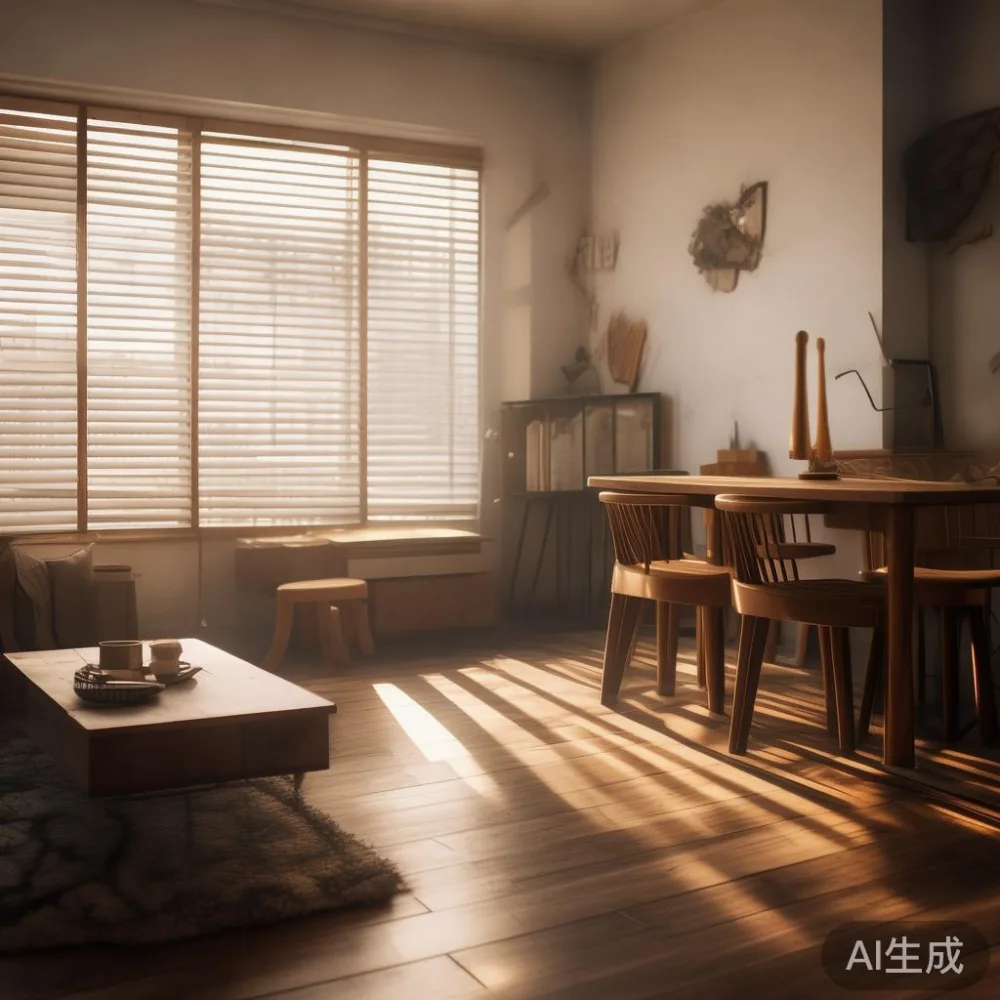
Two practical signals a piece will fail early: the underside of the table is a different colour from the top (a giveaway of a thin veneer over a cheap core), and the wardrobe side panels feel lighter than the doors (MDF density around 720 kg/m³ vs solid oak at 750 kg/m³ — yes, solid wood is heavier, which is a good sign at the showroom).
Breakdown of a typical 4-room HDB furniture budget in SGD
Below is the working budget I use when friends ask me to sanity-check their quotations. Prices are inclusive of GST (9% as of 2024) and include basic delivery, but exclude lift-up surcharges and disposal of old pieces.
Veneer set (typical mass-market, Singapore retail):
- 1.6 m dining table with 4 chairs: SGD 650-900
- 1.8 m bed frame (no headboard storage): SGD 380-520
- 2-door wardrobe 120 x 60 x 200 cm: SGD 480-680
- Nightstand 45 x 40 x 55 cm: SGD 120-180
- 2-seater fabric sofa: SGD 700-950
Total: SGD 2,330-3,230
Solid wood set (MIDHILL-equivalent specification, white-glove delivery included):
- 1.6 m solid wood dining table + 4 chairs: SGD 1,450-2,100
- 1.8 m solid wood bed frame: SGD 850-1,200
- 2-door solid wood wardrobe: SGD 1,150-1,550
- Solid wood nightstand: SGD 280-380
- 2-seater solid wood frame sofa with linen-blend upholstery: SGD 1,300-1,800
Total: SGD 5,030-7,030
The headline gap is SGD 2,400-3,800. Now look at what happens across five years.
5-year cost ledger: what actually leaves your pocket?
Year 1: delivery and assembly are similar (SGD 80-150 per HDB unit for either set). Veneer furniture occasionally arrives with chipped corners that the courier patches with wax — small hidden cost.
Year 2: veneer dining tables start showing bubbling at SGD 60-120 per panel to repair, often with poor colour match. Solid wood pieces need nothing.
Year 3: this is when I see wardrobe doors sagging in flats like Punggol Waterway or Tampines GreenRidges, because the MDF core has crept under the hinges. A hinge reset and panel replacement runs SGD 180-280 per door. Solid wood wardrobes hold their geometry.
Year 4: a typical veneer sofa frame begins to creak; the fabric still looks fine but the seat platform is soft. Many households re-cover or replace at SGD 600-900. A solid wood sofa frame simply gets a SGD 180-260 re-upholstery.
Year 5: one piece from the veneer set usually reaches end-of-life. A dining table or a bed frame replacement at SGD 400-700 is common. Solid wood owners often do a full sand-and-oil refinish at SGD 280-450 total and start the second five-year cycle.
Add it up: a veneer household spends about SGD 1,400-2,100 in repairs and one replacement over five years. A solid wood household spends about SGD 460-710 in maintenance. The five-year delta shrinks from the day-one SGD 2,400-3,800 down to roughly SGD 900-1,900. Stretch the horizon to ten years and the lines cross — solid wood usually becomes the cheaper option.
What about the small-space trap: do big pieces hurt more than they help?
Yes, and this is where solid wood quietly wins again. A small HDB living room of 14-18 sqm is unforgiving. A bulky MDF sideboard that has delaminated at the corner looks shabby within 24 months; a solid wood sideboard in the same footprint ages into a feature. Smaller households also benefit from modular pieces — a 120 cm extendable solid wood dining table seats four daily and six on weekends, which keeps the floor plan open. For a first-home buyer choosing a bed for first home, a 1.5 m solid wood bed frame with a 12 cm under-clearance creates usable storage that an MDF platform bed cannot match after the panels warp.
Why does lift access matter when you choose between veneer and solid wood?
Standard HDB passenger lifts in Singapore are roughly 1.1 m wide and 1.4 m deep with a 90-100 cm door opening. A flat-pack veneer wardrobe ships in 4-5 cartons, each under 30 kg, and rides the lift easily. A solid wood wardrobe ships in 1-2 heavier crates of 60-90 kg each, which still fits the lift footprint but may trigger the lift's 300-450 kg overload alarm if you stack the dining table on top. The workaround used by MIDHILL's delivery crews — and I watched them do it twice in Punggol last month — is to split the load across two trips and use the service lift where available. There is no extra fee for this within mainland Singapore, but it is worth confirming when you order. Corridor turns in older blocks like those along Bedok Reservoir Road can also force the wardrobe to come up the stairs, which adds SGD 60-120 per floor for any set, veneer or solid.
Does solid wood really hold up in a Singapore small space, or is it just heavier?
Solid wood's advantage is structural memory. A kiln-dried ash or oak frame, joined with mortise-and-tenon or dowel joints and finished with hardwax oil, returns to its original shape after humidity cycles. Veneer-laminated MDF does not — the substrate swells permanently once and the finish never looks right again. In practice this means a solid wood dining table can be moved between a Tampines 4-rm and a Punggol 5-rm at resale, can be sanded twice across its lifetime, and can be re-finished in a different colour if you change your mind. A veneer table is, in effect, a one-use piece.
Where does MIDHILL actually fit in this calculation?
MIDHILL's small-space line — built in Foshan since 2008 and exported to more than 15 countries — sells direct to Singapore buyers with free shipping over US$350 (about SGD 470) and a 14-day return window. The 10-year structural warranty covers frame joints on sofas, beds and wardrobes; lifetime refinishing covers the dining table and wardrobe exterior panels. For a household comparing two quotations, those two policies convert a chunk of the five-year risk ledger into a fixed cost. I have seen their white-glove crew deliver a full solid wood set to a Punggol condo in 18 days from order, which is competitive against the 25-35 day lead time I have measured on local veneer brands.
So which should you pick for a small Singapore home?
If you are furnishing a rental you will leave in 18-24 months, or you genuinely plan to refurbish the whole flat at the next renovation cycle, a well-spec'd veneer set is a defensible choice. If this is the home you intend to live in for five years or more, the math tips toward solid wood within the first replacement cycle. The trick is to choose pieces that are easy to move, easy to refinish, and sized for lifts and corridors — not for the showroom floor. A 1.6 m solid wood dining table, a 1.8 m bed frame, a 2-door wardrobe, a nightstand and a 2-seater sofa built on a solid wood frame will outlast two cycles of upholstery, two phones and probably one aircon overhaul, and that is the kind of return that matters in a small space where every square metre has to work for a decade.
Frequently asked questions from Singapore buyers
Is solid wood heavier to carry upstairs? Yes, a solid wood wardrobe can weigh 90 kg against an MDF one at 55 kg. Confirm whether your block has a service lift and ask the supplier to split delivery into two trips — most do this at no charge inside mainland Singapore.
Will solid wood warp in a non-aircon HDB? Quality kiln-dried wood with hardwax oil finish holds its shape between 24°C and 32°C and 60-90% RH. Avoid pieces stored in a non-ventilated storeroom for weeks before delivery, as the acclimatisation step matters more than the species.
Is the higher GST (9%) already included in the prices I quoted? Yes, the figures above are GST-inclusive, which is why I use them as the baseline rather than pre-tax numbers.
Can I mix solid wood and veneer to keep costs down? A common compromise is solid wood for the bed frame, dining table and wardrobe, plus a veneer nightstand that you replace in year four. This keeps day-one spend around SGD 3,800-4,600 while protecting the longest-lasting pieces.