Working through Humidity in Singapore: A Guide to Protecting Your Solid Wood Furniture
For residents of Singapore, the air is thick with a constant, invisible force: humidity. In a city where the average relative humidity hovers between 70% and 90%, the very air we breathe can become the most significant threat to our furniture. This is especially true for those living in compact HDB flats and condos in areas like Tampines, Bedok, and Punggol, where space is at a premium and every piece of furniture must perform without compromise. The challenge is not just about finding a beautiful piece, but about finding one that can withstand the relentless dampness of the local climate.
Why Humidity is the Number One Enemy of Wood Furniture
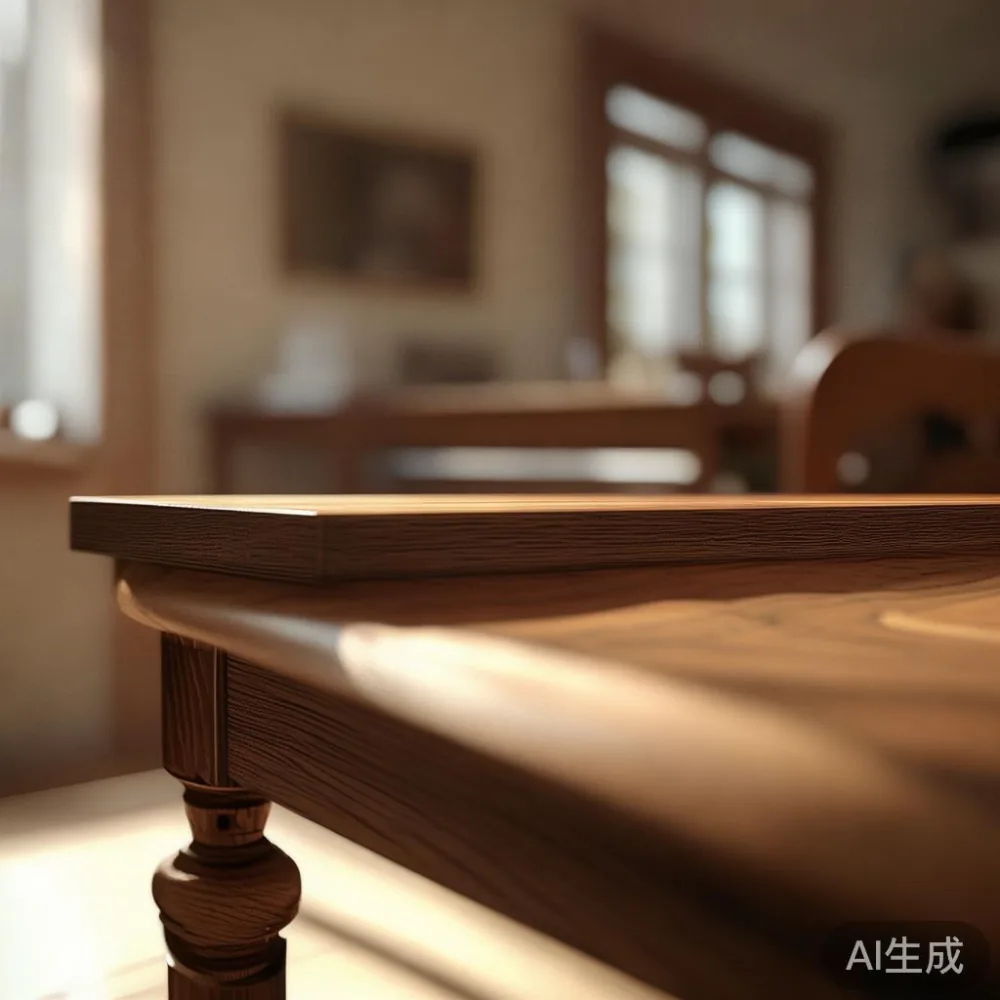
Wood is a natural, hygroscopic material, meaning it absorbs and releases moisture from the air. In a climate like Singapore's, where the air is perpetually saturated, wood will absorb this moisture, causing it to swell. Conversely, during the drier months or when air conditioning is running constantly, the wood will release moisture and shrink. This constant cycle of expansion and contraction is the primary cause of furniture damage. You might notice a solid wood door sticking in its frame, a drawer becoming difficult to open, or a tabletop developing a slight warp. These are not signs of poor quality; they are the natural response of wood to its environment. The problem is magnified in small-space living, where furniture is often subjected to varying microclimates—sun-drenched living rooms, air-conditioned bedrooms, and humid bathrooms—all within the same 50-square-metre apartment.
What Does Humidity Damage Actually Look Like?
The effects of prolonged humidity exposure are not always dramatic. They often start subtly and worsen over time. For a solid wood dining table, the first sign might be tiny cracks, known as 'checking,' appearing on the surface or the underside. For a wardrobe, the panels of the door can warp, causing them to no longer sit flush with the frame. Drawers in a nightstand can become misaligned, making them grind against the sides. In severe cases, the glue joints in furniture can fail, causing a bed frame or cabinet to become structurally unsound. The wood itself can lose its lustre, appearing duller and less vibrant as the moisture content disrupts the grain. This is why choosing furniture designed for such a climate is not a luxury; it is a necessity for longevity.
Is Solid Wood Furniture a Bad Choice for Singapore's Climate?
This is a common and understandable question. After all, if wood reacts to moisture, why would anyone choose it in one of the world's most humid cities? The answer lies in the type of wood and the construction of the furniture. Solid wood, when properly sourced and crafted, is actually an excellent choice. The key is not to fight nature, but to work with it. High-quality furniture makers understand this. They use dense, stable hardwoods like teak, mango, or oak that are less prone to extreme movement. They employ time-honoured joinery techniques, such as mortise and tenon or dovetail joints, which allow the wood to expand and contract without compromising the structure. The finish is equally important. A multi-layered, high-density lacquer or oil finish creates a protective barrier that slows down the rate of moisture absorption. The right solid wood furniture, therefore, becomes a statement of resilience, designed to thrive in the environment it inhabits.
My Experience with a Humidity-Warped Nightstand
Last month, I visited a client's condo in Bedok. They had purchased a beautiful, inexpensive nightstand from a mass-market retailer. It looked stunning when first delivered. Within six months, the single drawer became so warped it would only open with a firm tug, and the top surface had developed a noticeable concave curve. The client was frustrated, believing they had simply bought a 'bad' piece. Upon closer inspection, I could see the tell-tale signs: thin veneers over a particleboard core and a single, cheap layer of lacquer. The particleboard core had absorbed moisture, swelled, and delaminated. The thin solid wood top had no room to expand and had warped under the stress. This experience reinforced a core principle: in Singapore, the initial price of a piece of furniture is less important than its long-term value and construction quality. A well-made solid wood nightstand might cost SGD 800, but it will last a lifetime, whereas a poorly made one might need replacing in two years, costing more in the long run.
Choosing the Right Furniture for Your Small Space
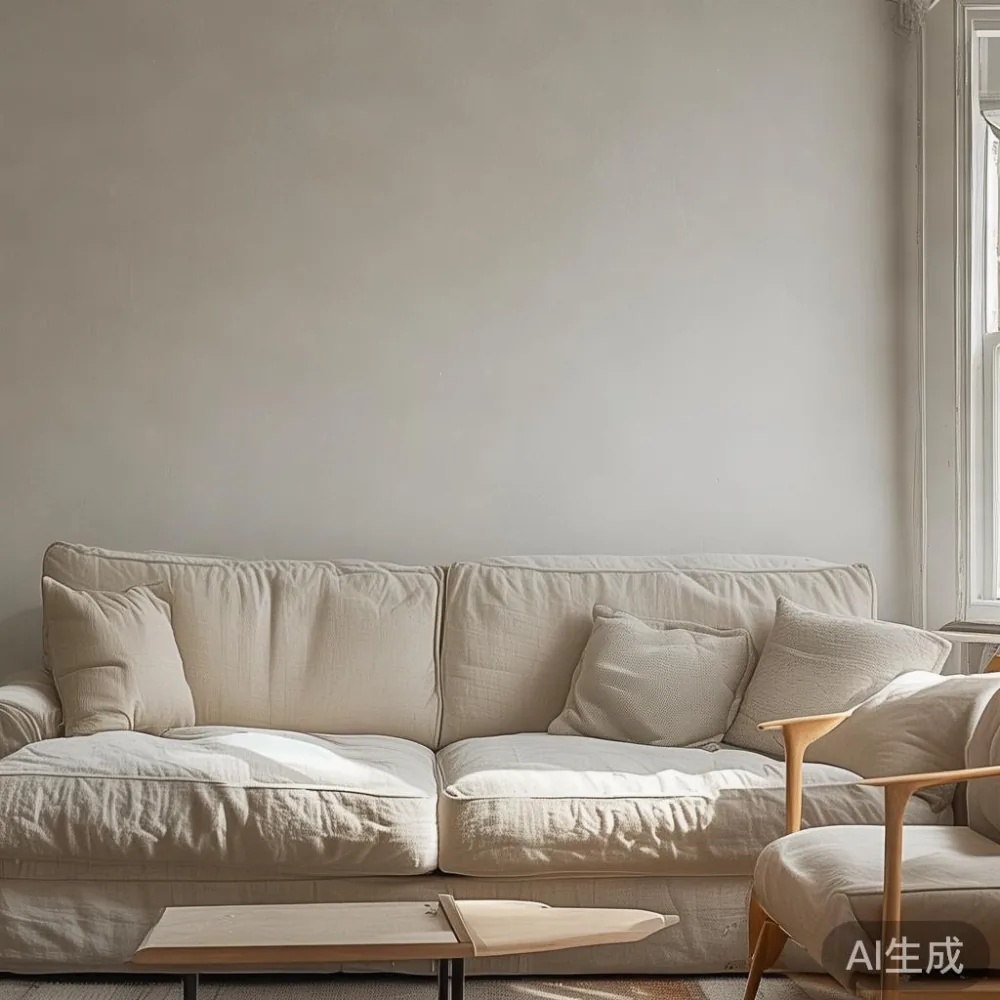
When furnishing a small space in Singapore, the selection process requires a dual focus: aesthetics and climate resilience. For the living room, a light luxury sofa with a sturdy solid wood frame is an excellent choice. Look for frames made from kiln-dried wood, which has been treated to reduce its moisture content and make it more stable. A French light luxury style, with its elegant proportions and soft upholstery, can add a touch of sophistication without overwhelming a compact area. For the bedroom, the question of how to style a light luxury sofa in a bedroom might seem unusual, but a well-placed sofa or chaise can create a relaxing reading nook. The focus for a bed frame should be on a low-profile design that doesn't dominate the room. When considering how to choose a Japandi bed, the key is to find a minimalist frame with clean lines and a stable, solid wood construction that can handle Singapore's humidity. For storage, a European light luxury sideboard offers both beauty and function, providing ample storage in a slim profile perfect for a dining area or hallway.
Practical Maintenance Tips for Humid Conditions
Even the best furniture needs a little care to perform at its peak. Maintaining wood furniture in Singapore is about managing its environment. The most effective tool is a dehumidifier. Running a dehumidifier in the room where your furniture is located, especially during the wettest months, can make a significant difference. Aim to keep the relative humidity in the room between 45% and 55% if possible. Position furniture away from direct sources of moisture, such as air conditioning units that drip or windows that leak during a downpour. Use coasters under glasses and placemats under hot dishes to prevent moisture rings. Clean your furniture with a soft, dry cloth. If you need to use a slightly damp cloth for cleaning, wipe the surface immediately with a dry one. For a solid wood sofa or dining table, applying a high-quality furniture oil or wax every 6 to 12 months can help nourish the wood and maintain its protective finish.
What to Look for When Buying Wood Furniture in Singapore
When you are ready to make a purchase, knowing what to look for can save you a lot of headaches. First, ask about the wood's moisture content. Reputable manufacturers will state that their wood has been kiln-dried to a specific moisture content, typically between 6% and 8%. This ensures the wood is stable and ready for Singapore's climate. Second, inspect the joinery. Run your hand along the seams of a wardrobe or bed frame. You should feel smooth, tight joints. Avoid furniture that uses staples or nails for structural connections; look for screws and traditional joinery instead. Third, consider the warranty. A 10-year structural warranty is a strong indicator of a manufacturer's confidence in their product's ability to withstand environmental stress. Finally, think about the delivery and return policy. Free shipping over SGD 350 and a 14-day return policy offer peace of mind, allowing you to test a piece in your home without a long-term commitment.
Investing in Timeless Pieces for Your Home
Furnishing your home is an investment. In a small space, every piece must be both beautiful and functional. This is where designer Mid-century modern furniture excels. Its clean lines, organic forms, and focus on natural materials make it a perfect fit for modern Singaporean apartments. A marble table, for instance, adds a touch of understated luxury and is naturally resistant to humidity, making it an ideal choice for a dining table or a stylish side table. An Italian light luxury accent chair can serve as a statement piece in a corner, adding texture and elegance without taking up floor space. When you invest in high-quality, climate-appropriate furniture, you are not just buying an object; you are buying a piece of your home's history. A well-crafted piece will develop a beautiful patina over the years, telling the story of your life. The challenge of humidity becomes a part of that story, a proof of the furniture's resilience and your smart choices as a homeowner.
Final Thoughts on Creating a Durable and Stylish Home
Living in Singapore means embracing its unique challenges, including its humidity. By understanding how this climate affects wood and by choosing furniture designed to withstand it, you can create a home that is both beautiful and durable. The key is to move beyond trends and focus on quality, construction, and provenance. Look for pieces that are built to last, using stable woods and expert craftsmanship. Consider the practical aspects of maintenance and choose furniture that fits your lifestyle and your space. A small space demands thoughtful curation, and every piece should earn its place. Whether you are furnishing a new condo in Punggol or updating your HDB flat in Tampines, the right furniture will not only survive the humid Singapore climate but will become a cherished part of your home for years to come.