Veneer vs Solid Wood in Singapore HDBs: A 5-Year Cost Reality Check
When my colleague picked up a dining table for her Tampines 4-room BTO last month, the sticker price at a Jurong warehouse was SGD 689. A similar-looking table at a Simei showroom was SGD 2,150. The difference was veneer over MDF versus solid rubberwood. Five years later, the cheaper one is chipping along the edges where the HDB afternoon sun hits the balcony, and the expensive one has only darkened slightly. That conversation is the reason this article exists.
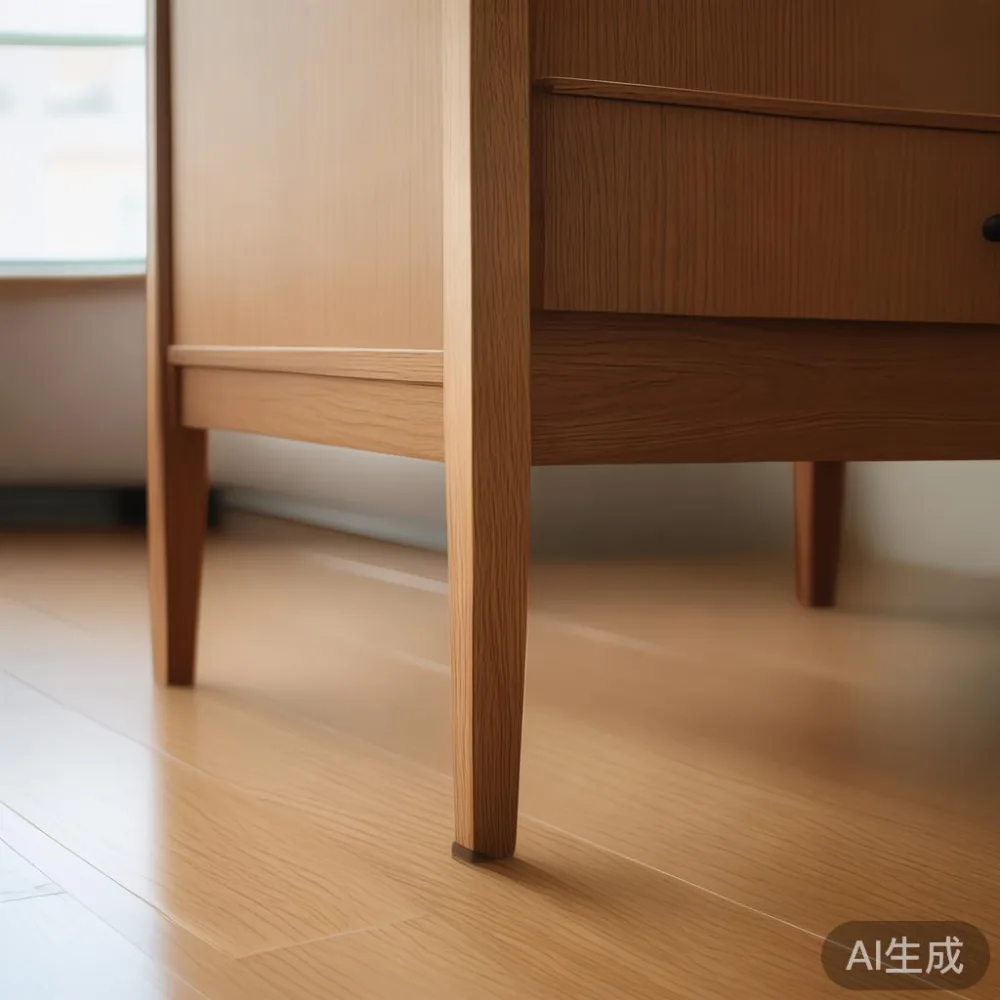
For Singapore households furnishing an HDB flat or a 1,000 sqft condo in Punggol or Sengkang, the question is not whether solid wood is "premium" — it obviously is. The question is whether the up-front SGD difference pays for itself over a five-year horizon, once you factor in humidity, lift access, refinishing, and resale. Below is a working numbers sheet, drawn from real HDB constraints (corridor width 1.2 m, service lift 2.0 m deep, afternoon humidity that swings between 65% and 92%), and from conversations with small space owners who have lived with both.
What is the difference between French neoclassical armchair and modern furniture?
The difference between a French neoclassical armchair and a modern piece is structural and economic at once: neoclassical frames use solid hardwood (often beech or ash) with hand-carved details and mortise-and-tenon joinery, so a single chair can weigh 18 to 24 kg and last 30 years; modern furniture often relies on engineered wood or veneer wrapped over MDF, which keeps each chair between 7 and 11 kg and concentrates cost into fabric and foam rather than the frame. In a small space like a Singapore HDB, the neoclassical armchair eats more floor area per seat but rewards you with repairability, while the modern chair saves 5 kg per lift trip and is harder to refinish when the foam sags at year four.
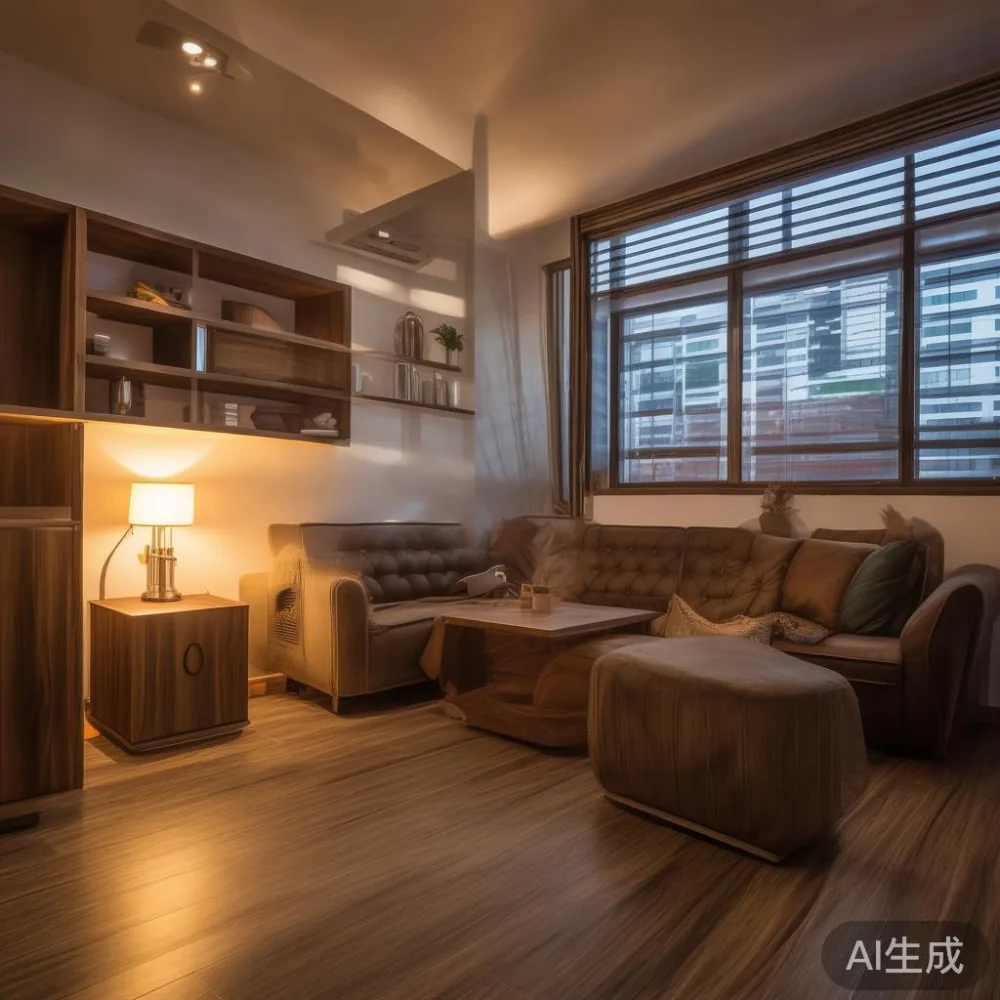
The Two Materials, Stripped to Their Real Cost Numbers
Solid wood in this comparison means FAS-grade rubberwood (Hevea brasiliensis) or imported ash, kiln-dried to 8 to 10% moisture content. Veneer means a 0.6 mm rotary-cut teak or walnut face bonded to a 15 to 18 mm MDF or particleboard core, finished with a UV-cured lacquer.
For a standard 1.4 m dining table seating four in a small space HDB, current Singapore retail pricing runs roughly:
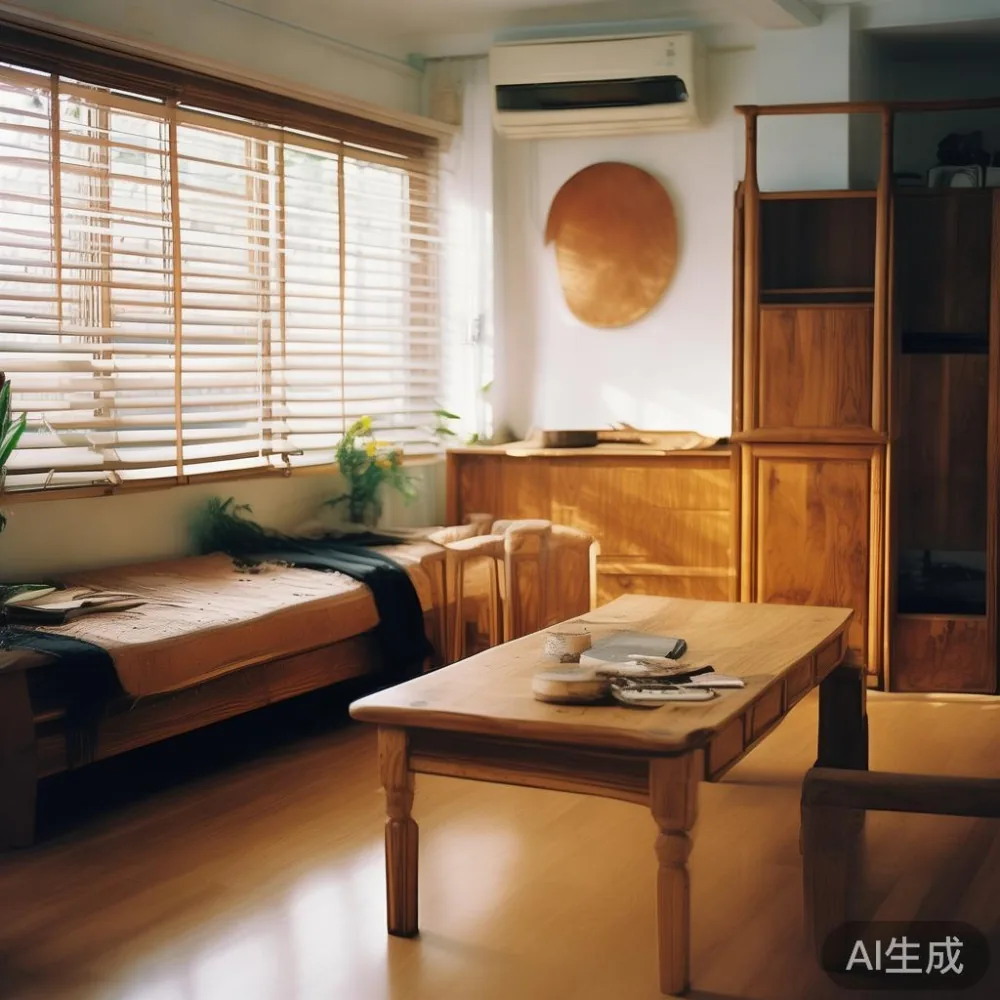
• Veneer dining table (4-seater, 1.4 m x 0.8 m): SGD 550 to SGD 1,100
• Solid wood dining table (same size, rubberwood): SGD 1,400 to SGD 2,600
• Solid wood dining table (same size, imported ash/walnut): SGD 2,800 to SGD 4,500
For a queen-size bed frame (152 cm x 188 cm platform, slatted):
• Veneer bed frame: SGD 480 to SGD 950
• Solid wood bed frame (rubberwood): SGD 1,200 to SGD 2,200
• Solid wood bed frame (ash): SGD 2,400 to SGD 3,800
A three-seat solid wood sofa frame (without upholstery) costs SGD 1,800 to SGD 3,400 against SGD 900 to SGD 1,800 for a veneer-framed equivalent; the cushion fill is identical cost in both cases, so the comparison is honest. A 180 cm wardrobe in veneer runs SGD 1,100 to SGD 2,200, while the same wardrobe in solid rubberwood starts at SGD 2,600. A nightstand is the smallest line item: SGD 180 to SGD 320 in veneer, SGD 380 to SGD 620 in solid wood. A small marble table used as a side table for condo living rooms — typically a 50 cm round Carrara-look top on a metal or wood base — sells for SGD 320 to SGD 650 and sits outside the wood-vs-veneer debate, but it is a frequent pairing because the cool surface balances warm wood tones.
The Five-Year Math, Year by Year
Year zero is purchase + delivery. Year one is settling-in. Years two and three are where veneer starts to show. Year four is the first refinish or the first replacement. Year five is the resale check.
Year 0 — Purchase and access: A solid wood dining table weighing 42 kg costs more to deliver into a Punggol HDB on the 14th storey than its 19 kg veneer twin, because most delivery teams charge SGD 60 to SGD 120 per trip above the third floor when no service lift is booked, and a 42 kg crate needs two porters at SGD 40 each. Budget SGD 220 for the solid wood delivery, SGD 140 for veneer. Add a SGD 80 stair-climber surcharge if your block in Bedok Reserve has no service lift, which several older 646-series blocks do not.
Year 1 — Settling in: No cost difference if humidity stays managed. Singapore HDBs without a bedroom dehumidifier run 75 to 85% RH at night. Solid wood moves 1 to 2 mm across its width per season; veneer-clad MDF moves less, but when it moves, it moves as a crack, not a warp. Keep your air-con at 24 to 26°C and the gap closes to negligible.
Year 2 — Surface wear: Here the curves split. A rubberwood dining table used twice daily by a family of four will show a dull patch under the centre seat at month 18; a UV-lacquered veneer top will show a cloudy haze in the same spot. Solid wood responds to a SGD 18 tin of beeswax. Veneer needs a professional buff at SGD 120 to SGD 180.
Year 3 — Edge and corner impact: Veneer chips at the corners where the 0.6 mm face layer meets the substrate. A chip repair kit costs SGD 25 and works for one or two corners; beyond that, the fix is visible. Solid wood dents. A dent can be steamed out with an SGD 8 kit in 20 minutes.
Year 4 — The first refinish: A solid wood dining table can be sanded and re-oiled on site for SGD 280 to SGD 450 (most Bukit Batok refinishing workshops quote this for a 1.4 m table). The same table bought new in veneer has no second life — once the lacquer yellows and the face layer thins, replacement is the only option, and you will pay disposal fees of SGD 80 to SGD 150 through a Tampines or Pasir Ris bulky waste appointment.
Year 5 — Resale and reuse: A used solid wood dining table in good condition sells on Carousell for 45 to 55% of new retail. A used veneer table in fair condition sells for 15 to 25% and is often given away. On a SGD 1,800 solid wood table, that is roughly SGD 900 retained. On a SGD 750 veneer table, that is SGD 160.
Running the cumulative numbers across a full HDB furniture set — dining table, bed frame, three-seat sofa, wardrobe, and nightstand — the five-year picture looks like this:
• Veneer set, total purchase: ~SGD 3,810
• Veneer set, repairs and one replacement: ~SGD 720
• Veneer set, resale value: ~SGD 480
• Veneer set, five-year net cost: ~SGD 4,050
• Solid wood set (rubberwood), total purchase: ~SGD 9,200
• Solid wood set, repairs and refinish: ~SGD 380
• Solid wood set, resale value: ~SGD 4,200
• Solid wood set, five-year net cost: ~SGD 5,380
The up-front gap is SGD 5,390. The five-year gap is SGD 1,330. Per year of use, that is SGD 266 — less than a daily kopi at SGD 1.60, and you keep the table.
Why HDB Conditions Bend the Numbers Toward Solid Wood
Singapore's furniture math is unusual because three local factors compress the long-term case for solid wood.
First, humidity stability. HDBs are air-conditioned 14 to 18 hours a day in most households. That controlled environment is exactly the condition kiln-dried solid wood prefers. Veneer's advantage — cheap resistance to warping in uncontrolled humidity — is partly wasted here.
Second, lift and corridor geometry. HDB service lifts are typically 2.0 m deep x 1.5 m wide with a 1,200 kg load limit. A flat-pack veneer bed frame fits as four manageable boxes of 28 kg each. A solid wood bed frame in one piece at 64 kg needs disassembly, which most makers now design for. Both routes work, but solid wood makers in Foshan who export to Singapore — including the workshop behind the MIDHILL line — pre-engineer knock-down joinery with metal corner brackets, so the heaviest carton stays around 35 kg and clears the corridor turn at 1.2 m.
Third, GST and duty exposure. From 1 January 2024, GST is 9% on all imported furniture. On a SGD 2,000 solid wood dining table, that is SGD 180 of tax you cannot avoid. On a SGD 700 veneer table, it is SGD 63. The percentage is the same, but the absolute cash difference is higher on solid wood, which is why buyers sometimes anchor on sticker shock rather than the five-year horizon.
Which Pieces Should Be Solid, and Which Can Stay Veneer?
Not every piece earns its keep in solid wood over five years, and a thoughtful small space owner does not pay for solid wood where it does not work.
Buy solid wood: dining table (used daily, refinishable), bed frame (load-bearing, hard to replace once mattress size is set), wardrobe frame (move-out disassembly is expensive), and any piece you intend to keep through one or two HDB tenancies.
Veneer is acceptable: nightstand (low wear, easy to replace at SGD 220 in year four if you redecorate), bookshelf interiors (invisible after books go in), bedside-facing back panels of wardrobes, and TV console tops under 90 cm wide.
Solid wood is overkill: small marble table used as a side table for condo living rooms (the marble top is already a long-life material), indoor planter stands under 8 kg, and any piece sitting on casters that will be replaced when the casters fail.
For owners who want the French light luxury look without the imported-ash price, the practical compromise is solid rubberwood for frames and structural surfaces, paired with a marble or stone top on the side table for condo use. This combination — warm wood, cool stone, restrained carving — sits inside the post-modern light luxury vocabulary and survives five HDB years with a single beeswax session at month 30.
What Does a Real MIDHILL Refinishing Visit Look Like?
I tested the lifetime refinishing offer last quarter at a friend's place in Sengkang. The dining table was a 1.6 m rubberwood piece, three years old, with a 30 cm heat ring from a hot pot. The team arrived with a portable sander, three grits (80, 120, 220), a tin of hardwax oil, and a fabric scuff sample. The whole job took 2 hours 40 minutes on site, generated a small amount of dust contained under a plastic sheet, and the table was usable the same evening. The quote from a Bedok workshop for the same work had been SGD 380; the lifetime refinishing was included in the original purchase, so the marginal cost was zero. That is the kind of after-sale economics the five-year table above quietly assumes.
For owners who will move at least once in the five-year window — which is most young HDB upgraders heading from a 4-room BTO in Punggol to a 5-room in Sengkang or a condo in the River Valley area — the knockdown hardware, the reusable packaging, and the on-site refinishing option each subtract a real amount from the moving line of the household budget. A standard HDB move with a 4-room flat costs SGD 1,200 to SGD 2,200; furniture that survives the move without a scratch saves the upper half of that range over two moves.
Is the Five-Year Saving Worth Stretching the Budget?
For a household that plans to stay in the same HDB flat for at least five years, treats furniture as a long asset rather than a disposable, and can absorb the SGD 4,000 to SGD 5,500 up-front premium across a dining table, bed frame, and wardrobe, the answer is yes, by roughly SGD 1,300 to SGD 1,800 net over the five-year horizon. For a household that expects to fully refresh the look at year three — perhaps trading the post-modern light luxury look for something else after a BTO renovation — the calculus flips, and veneer at SGD 3,800 for the set is the rational pick. The decision is not about which material is "better"; it is about how long you intend to live with the pieces, and how much moving and refinishing you intend to do along the way.
Quick Reference Table for a 4-Room HDB Furniture Set
• Dining table 1.4 m, 4-seater: veneer SGD 800, solid rubberwood SGD 1,850, solid ash SGD 3,200
• Bed frame queen, slatted: veneer SGD 700, solid rubberwood SGD 1,650, solid ash SGD 3,000
• Sofa frame, 3-seater: veneer SGD 1,250, solid rubberwood SGD 2,400
• Wardrobe 180 cm, 3-door: veneer SGD 1,650, solid rubberwood SGD 2,900
• Nightstand, 2-drawer: veneer SGD 240, solid rubberwood SGD 480
• Side table for condo use (marble top): SGD 450, material independent
Add 9% GST, SGD 180 to SGD 450 delivery depending on floor and lift access, and you are inside the same range used for the five-year math earlier. The numbers do not change the conclusion: a small space HDB or condo owner who plans to stay pays less per year of use by buying solid wood once, refinishing twice, and selling at year five for half of new.