Lacquered Furniture Care for Singapore’s Tropical Small Spaces
Singapore’s heat, humidity and abundant natural light can be hard on lacquered furniture. Lifting from a Tampines HDB flat to a Punggol condo, I have seen lacquer lose its crisp appearance when it is wiped with an over-wet cloth, placed against a wall with trapped moisture, or exposed to air-conditioning condensation. Good care is less about elaborate routines than controlling 4 simple variables: moisture, heat, sunlight and mechanical wear.
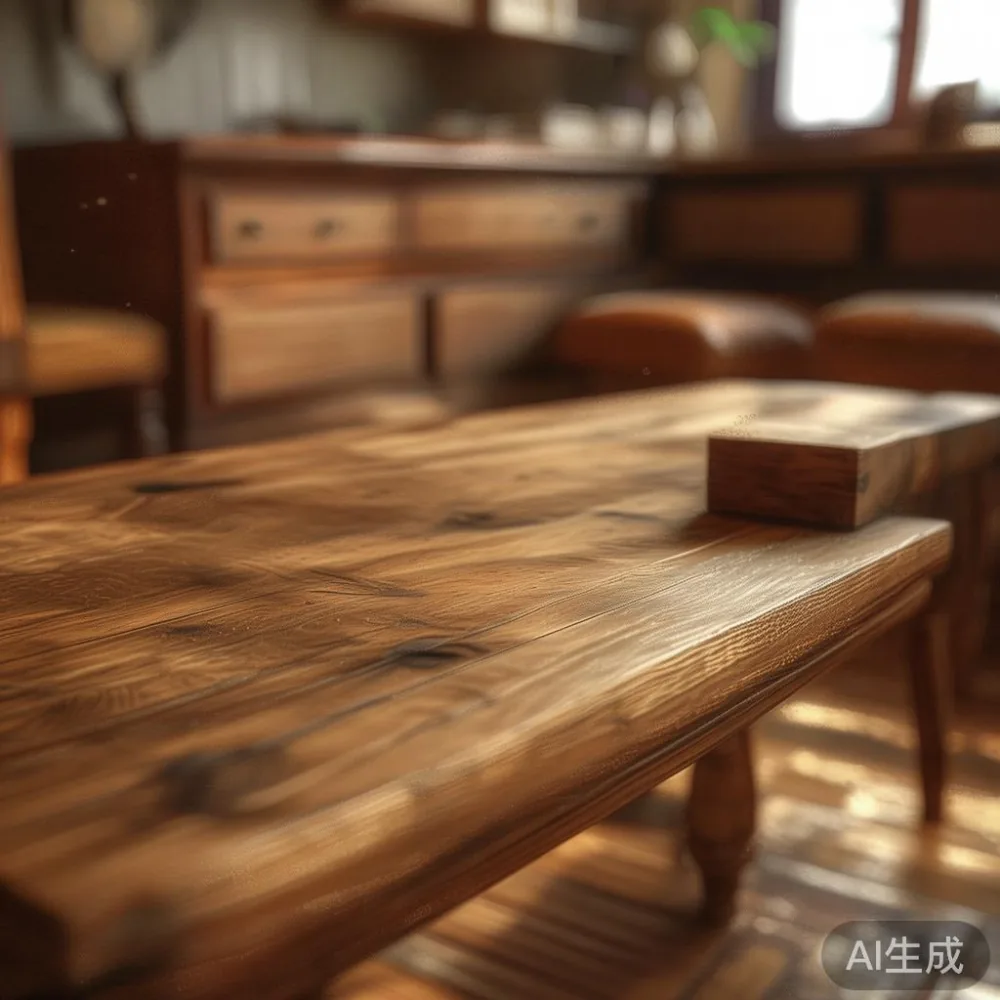
This guide focuses on lacquered solid wood furniture for small-space homes, including solid wood sofas, bed frames, dining tables, wardrobes, nightstands and occasional marble table pieces. It also applies to lacquered accessories in an Italian light luxury sideboard or a Mid-century modern TV console. For compact Singapore interiors, the aim is to preserve the finish while keeping circulation and storage practical.
Why does lacquer behave differently in Singapore?
Lacquer can look factory-fresh and glassy, but it is not glass. Moisture can soften a poorly formulated film, sunlight can fade pigments, and frequent temperature changes can cause fine checking. Singapore’s relative humidity commonly ranges around 65% to 85% through the year, while west-facing flats may exceed 80% during wet periods. A lacquered dining table near an open kitchen can also collect steam, grease and condensation that never reach the more visible centre of the room.
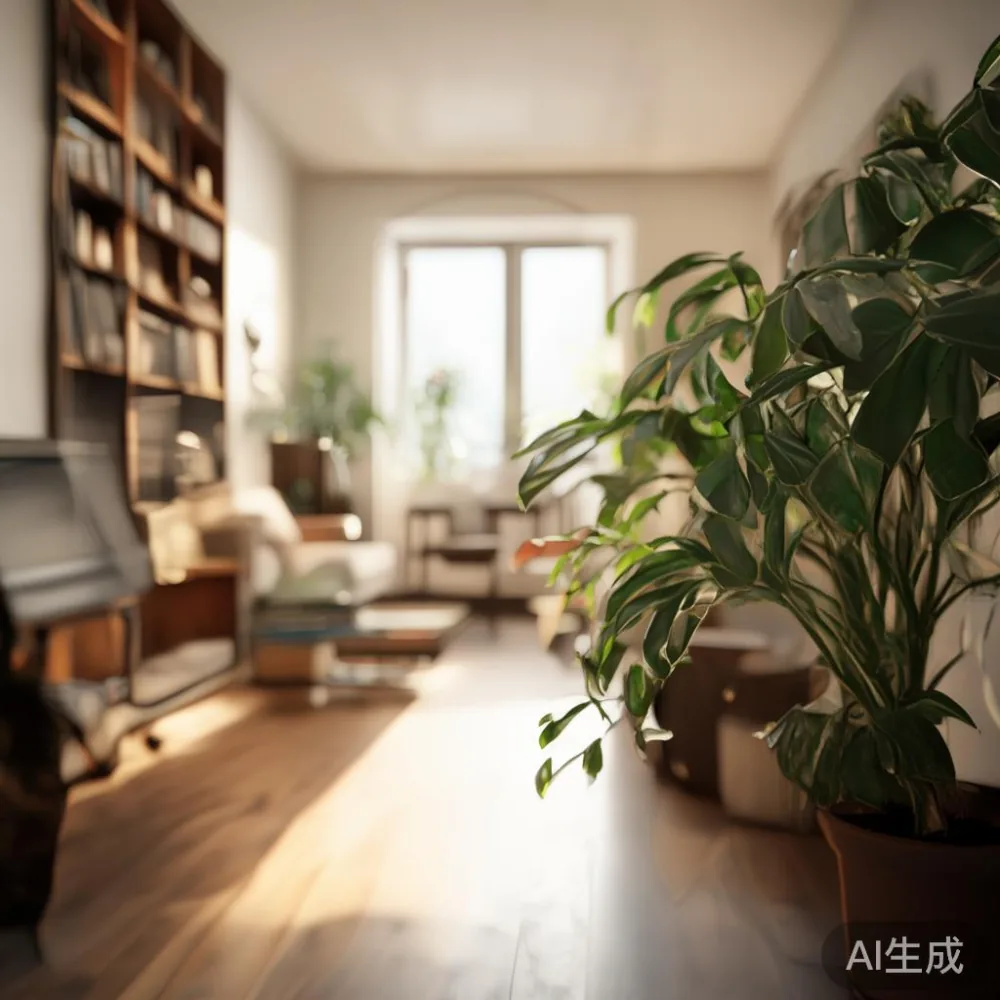
In an HDB flat, furniture may share a narrow living room and dining area. A sideboard with a 45 cm depth already occupies a meaningful strip against a wall, while a 90 cm dining table requires at least 60 cm of clearance behind each seated person. Moving a lacquered piece a few centimetres away from a wall can therefore improve air movement without making small-space planning impractical.
The finish should also be protected from sudden impact. Lacquered corners and edges are often the first areas to chip, especially around a nightstand where keys, watches and charging cables are repeatedly placed down. Use a tray rather than treating the lacquer itself as a catch-all surface.
How should I clean a lacquered surface?
Start with a dry, lint-free microfibre cloth. If dust remains, dampen the cloth with plain water and wring it until it is barely damp. It should not leave visible water on the lacquer. Wipe in the direction of the grain or along the length of the panel, then dry immediately with a clean cloth.
For fingerprints, dilute a small amount of mild dish soap in a bowl of water. A practical mixture is 1 teaspoon of detergent to 500 ml of water. Apply it to the cloth rather than the furniture, test an inconspicuous 10 cm by 10 cm area, and wipe with a separate damp cloth. Avoid household sprays, bleach, ammonia, alcohol, abrasive pads and “polish” products containing silicone unless the lacquer manufacturer explicitly permits them.
Never use a soaking cloth, steam cleaner or bucket wash. Water can enter joints, drawer runners and lacquered edges. Last month I visited a colleague’s three-room Bedok flat and watched her wipe a lacquered console with a visibly wet cloth. Within 20 minutes, moisture gathered along the rear edge. She dried it with a fan on low speed, and the mark disappeared after roughly 2 hours, but that was preventable risk with no need to take.
Spills should be addressed within 5 minutes where possible. Blot; do not rub. For oil or grease, use a clean cloth with a drop of mild detergent, then dry. If a lacquered dining table receives hot soup, move the bowl onto a heatproof trivet and let the surface cool naturally. A sudden cold-to-hot shift can create a visible bloom or checking line.
How much heat and humidity should I keep away from lacquer?
Aim for indoor relative humidity between 50% and 65% when practical. This may be difficult during Singapore’s monsoon months, so ventilation and stable air-conditioning matter more than chasing a perfect reading. Place a hygrometer beside the furniture rather than near the bathroom or kitchen. Read it at 8 a.m. and 8 p.m. over 3 days so that evening condensation is not mistaken for a room-wide humidity problem.
Keep lacquered furniture at least 30 cm from windows with direct sun and at least 15 cm from an exterior wall when condensation is visible. Curtains or UV-filtering film can reduce fading without consuming floor area. In a compact Tampines flat, a slim freestanding screen placed 10 cm in front of a sunny window may work better than a bulky curtain that crowds a balcony door.
Do not aim air-conditioning directly at a lacquered wardrobe, bed frame or sideboard. A temperature difference of 8°C or more across the surface over a short period can encourage condensation. A 24°C room setting is generally more stable than cycling between 20°C and 28°C, provided that every occupant remains comfortable.
Solid wood beneath lacquer still expands and contracts with seasonal moisture. Maintain a gap of about 5 mm at rear panels and check adjustable feet every 6 months. For a bed frame, keep the headboard 10 cm from a cold wall when possible; for a dining table, avoid a narrow gap between the table edge and a moisture-heavy service ledge.
Can sunlight ruin a lacquered finish?
Prolonged direct sunlight can fade colour, lighten edges and weaken some films. A west-facing condo in Punggol can receive strong afternoon light for 2 to 3 hours, which is enough to create noticeable unevenness over several months. Rotate movable pieces, such as a nightstand or occasional chair, every 2 to 4 weeks so that one face does not remain permanently exposed.
Film and curtains help, but ventilation matters too. If a solid wood sofa or bed frame sits close to a sunlit window, check the wood beneath a cushion or table runner for warmth. A surface temperature of roughly 40°C is already uncomfortable to touch and can accelerate finish degradation. Use shade rather than relying on the lacquer to resist ultraviolet exposure indefinitely.
Light also affects colour perception. A warm beige lacquer may look yellower beside a sunlit wall, while a pale grey piece may appear cooler under recess lighting. Before buying, view the finish under the actual flat’s daytime and evening conditions. Request a sample of at least 10 cm by 10 cm and leave it in position for 48 hours.
Will one small scratch spoil the entire piece?
Not immediately. A superficial mark can often be treated without replacing the furniture, but the repair method depends on the lacquer system. Deep scratches exposing brown wood, tears, peeling or a wet-looking surface need professional assessment. Do not apply car wax, furniture polish or colour pigment over the area. Those products may temporarily disguise the defect and make a professional repair more difficult.
For very light marks, use a clean, soft cloth and follow the lacquer manufacturer’s guidance. Keep fingernails, watch bracelets and keys away from the panel edge. Felt pads beneath decorative objects reduce abrasion, although felt should not be left under a moving object because grit can grind into the film.
Edges around a solid wood sofa, dining table or bed frame deserve special attention during a move. Wrap each corner with a 3 cm foam strip and use blankets at least 2 cm thick. Do not tape directly to lacquer. Painter’s tape can lift pigment or leave adhesive residue, especially after 20°C-plus temperatures and 60% humidity.
Is solid wood safer than lacquered MDF in a tropical climate?
Neither material is “safe” without sensible care. Solid wood can move, swell or develop mould if exposed to persistent moisture, while lacquered MDF offers a stable substrate but depends heavily on the quality and continuity of its factory finish. A well-made lacquered piece with sealed edges and controlled joints can perform well in Singapore.
Ask for details on the substrate, lacquer layers, edge sealing and warranty coverage. MIDHILL furniture should arrive with clear care instructions and a 10-year structural warranty, while refinishing support over the product’s lifetime can help address changes in appearance. These services do not replace careful humidity management, but they provide useful recourse if genuine finish defects emerge.
For a Japanese bed vs Mid-century modern bed comparison, examine stability, ventilation and finish care together. A Japanese bed may sit lower and leave more visible floor area in a small-space room, but platform construction alone does not prevent humidity problems. The Mid-century modern bed’s tapered legs should have protective floor pads, and its lacquered headboard should remain out of direct rain-prone balcony doors.
For shoppers researching 2026 Mid-century modern furniture or luxury Mid-century modern furniture, finish longevity should be checked alongside dimensions. A 160 cm-wide bed may suit a compact HDB bedroom, but the mattress, side access and wardrobe doors still need approximately 60 cm of usable movement space. The same disciplined approach applies to a solid wood sofa, where frequent sitting is likely to create more wear than a dining table.
How should lacquered furniture be moved through HDB corridors and lifts?
Measure before delivery day. Record the item’s longest and shortest dimensions, the lift door width, the lift car depth and the corridor turning points. HDB lift openings are often around 90 cm wide, with car dimensions near 110 cm by 140 cm, although block-specific measurements vary. A dining table listed as 140 cm long may therefore fit lengthwise but still require careful rotation.
Protect the lacquer with a purpose-made moving blanket, not a thin bedsheet. Add corner guards to vulnerable edges and secure loose doors with soft straps. Furniture should be carried upright where the design permits. Dragging a lacquered nightstand or sideboard across a tiled corridor can scratch both the finish and the floor.
Professional delivery is particularly useful for a marble table because the stone adds substantial weight. Always check the route, floor loading and lift reservation requirements with building management. Delivery timing should also account for rain: a lacquered solid wood dining table may arrive safely in a covered corridor, but its surface should not be wiped immediately after unloading while the packaging and room air differ in temperature.
For Singapore purchases, GST is already reflected in the displayed retail price, so compare the final SGD amount rather than attempting to add tax separately. MIDHILL provides free shipping over US$350 on qualifying international orders, but a Singapore delivery fee, access charge or lift booking may still apply. Request the final landed quote before ordering.
What should a daily and seasonal care routine look like?
A daily routine can take less than 5 minutes. Remove dust from lacquered surfaces with a dry microfibre cloth, clear crumbs from joints and keep windows or condensation sources away from the furniture. Wipe high-touch handles and cabinet fronts with a barely damp cloth every 2 to 3 days during humid periods. Clean dining-table zones immediately after use rather than waiting until the end of the week.
Each week, inspect the 5 most exposed edges: tabletop corners, drawer fronts, wardrobe handles, nightstand edges and bed-frame rails. Look for changes in sheen, lifting, sticky patches, swelling or condensation marks. Check the hygrometer and note humidity readings if they exceed 70% for more than 3 consecutive days.
Every 3 months, review window exposure, air-conditioning direction and furniture spacing. Clean beneath movable pieces carefully and check feet for corrosion. In high humidity, run air-conditioning for at least 30 minutes a day rather than relying on short bursts that cool the room without removing enough moisture. Maintain indoor humidity near 60% where the layout and building conditions allow.
Every 6 to 12 months, inspect lacquer under good light and review the maker’s care guidance. Do not sand or repaint without confirming the coating system. For a built-in wardrobe, note any swollen panels and verify that the 5 mm rear gap remains. For a solid wood bed frame, check fixings and leg connections as well as finish condition.
How do I choose a finish that suits a small-space home?
Choose a durable lacquer tone, then coordinate it with light levels and daily habits. Warm white and pale greige finishes can make compact rooms feel more open, but dark gloss shows fingerprints and dust. Satin finishes often disguise minor marks better than high-gloss surfaces, although they should still be cleaned with a soft cloth.
Check scale and proportion. A slim Italian light luxury sideboard with a 40 cm depth can work in an open dining zone, whereas a bulky unit may pinch the route from a condo lift lobby. A solid wood sofa with a 82 cm depth leaves a practical walkway when paired with a 45 cm-deep coffee table. A dining table under 90 cm can suit 4 people only where each setting measures at least 55 cm wide; larger covers need more room.
Design references should inform the choice without creating clutter. Searches for top 10 Boho furniture lists often suggest layered textiles and natural materials, while a Mid-century modern TV console typically has clean lines and restrained storage. Use those references to establish a coherent palette, not to fill every available surface. One marble table, one solid wood bed frame and a compact wardrobe may provide more visual order than several small statement pieces.
French light luxury and American light luxury styles can both suit Singapore interiors when proportion and materials are handled carefully. French light luxury may use pale upholstery, fine profiles and decorative details; American light luxury often balances clean geometry with durable woods. Post-modern light luxury adds graphic contrast but needs controlled accent colours. In all cases, lacquer remains the vulnerable surface, so restraint is the practical advantage.
What if the lacquer starts peeling or bubbling?
Stop aggressive cleaning and isolate the area. Turn off direct air-conditioning airflow, reduce nearby moisture sources and photograph the damage in daylight. Record the size with a ruler. If a wardrobe shows bubbling across more than 2 cm, a dining table has a lifting seam longer than 10 cm, or a bed frame’s lacquer is separating from the wood, contact the maker rather than applying heat or solvent.
Do not pierce bubbles, scrape loose film or place a fan directly over the spot. Heat can further soften or distort the coating. If the furniture still carries a 10-year structural warranty, check whether the issue is classified as a finish defect or ordinary wear. A lifetime refinishing service may offer a planned remedy, depending on the original purchase terms.
Local repair kits can make small marks look worse, especially on a high-gloss finish. A trained refinisher can often feather a repaired area to blend with the surrounding lacquer, but colour matching under cool corridor lighting may differ from the flat’s warm evening light. Insist on seeing the repaired finish in both conditions before accepting it.
Singapore’s tropical climate makes lacquer care a matter of controlled exposure rather than constant scrubbing. Keep water out of seams, heat off the panels, sunlight filtered and hard objects in trays. With those habits, a lacquered dining table, wardrobe, nightstand, bed frame or solid wood sofa can retain its finish while supporting the calm visual order expected of a well-planned small space.