Maintaining the Shine: Lacquered Wood Care in Singapore's Humidity
Living in Singapore, with its year-round high humidity and temperatures that hover around 30°C, presents a unique challenge for owners of beautiful lacquered wood furniture. The glossy, protective finish that gives your dining table or wardrobe its deep, rich lustre is also sensitive to the very air we breathe. For those who appreciate the clean lines and reflective beauty of a French light luxury aesthetic, understanding the nuances of care is paramount. This guide provides a comprehensive look at preserving the integrity of your lacquered surfaces, ensuring your investment remains as stunning as the day it arrived in your Tampines or Punggol apartment.
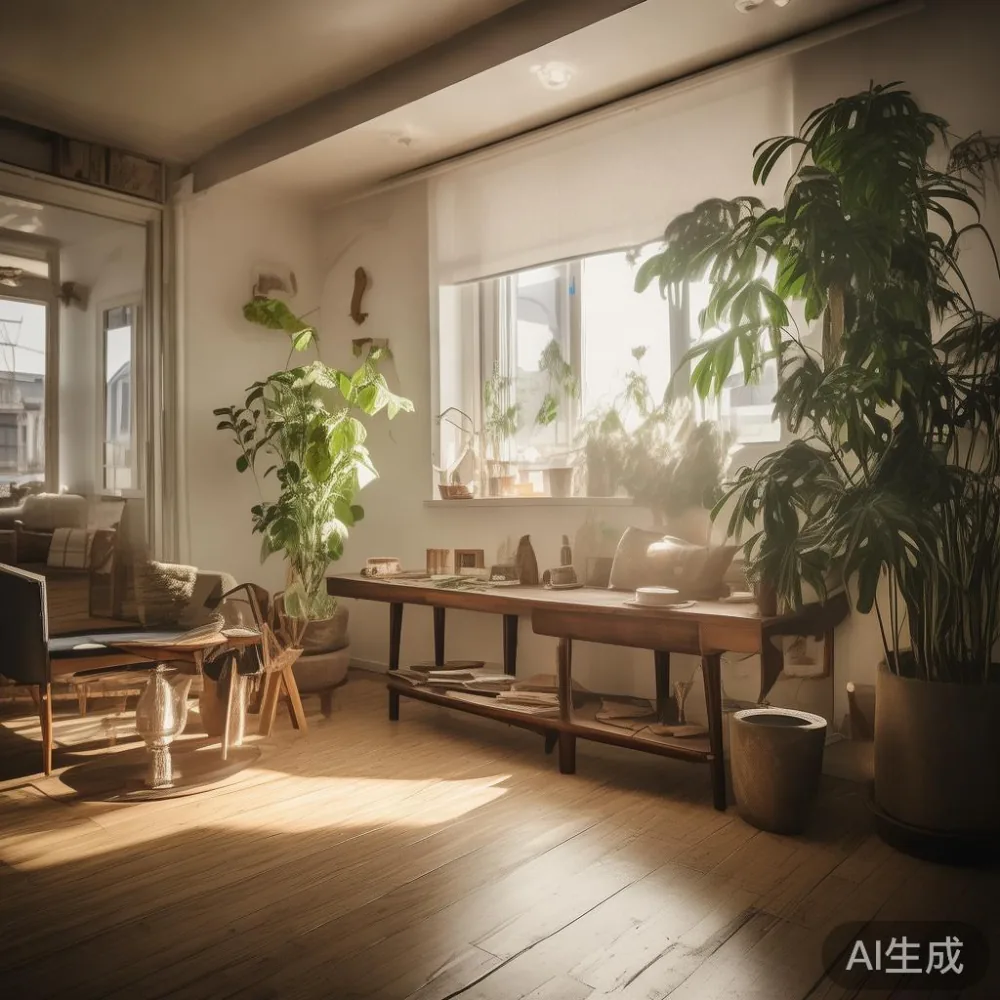
What Exactly is Lacquered Wood and Why Does It Matter in Singapore?
Lacquering is a meticulous finishing process where multiple layers of a clear, hard resin are applied to solid wood. Each layer is sanded and polished before the next is added, building up a deep, glass-like sheen that protects the wood beneath. This finish is celebrated for its durability and its ability to showcase the wood's natural grain with a mirror-like finish. However, this very strength is also its vulnerability in a tropical climate. The constant moisture in the air can cause the wood to expand and contract, potentially leading to cracks or cloudiness in the lacquer if not properly managed. For a small space, where every piece of furniture is on display, maintaining this finish is non-negotiable. A small wardrobe or a nightstand with a dulled or damaged lacquer can disrupt the entire harmony of a room, making proper care a daily consideration.
Is There a Difference Between Caring for Lacquered Furniture in a Condo vs. an HDB Flat?
The fundamental principles of lacquer care are universal, but the environment can differ slightly between a high-rise condominium and a Housing and Development Board (HDB) flat. Condos, especially newer ones in areas like Bedok, often feature centralised air conditioning with dehumidification systems. This creates a more stable, controlled indoor climate, which is generally kinder to furniture. HDB flats, while also commonly air-conditioned, may rely more on individual units or have less consistent airflow. The key difference lies in the immediate vicinity of your furniture. An HDB flat's lift and corridor widths are generally standard, but the lack of a constant, gentle air movement can sometimes lead to micro-climates near walls or in corners where humidity can build up more easily. Regardless of your home type, the goal is the same: to maintain a stable environment and prevent direct exposure to extreme conditions.
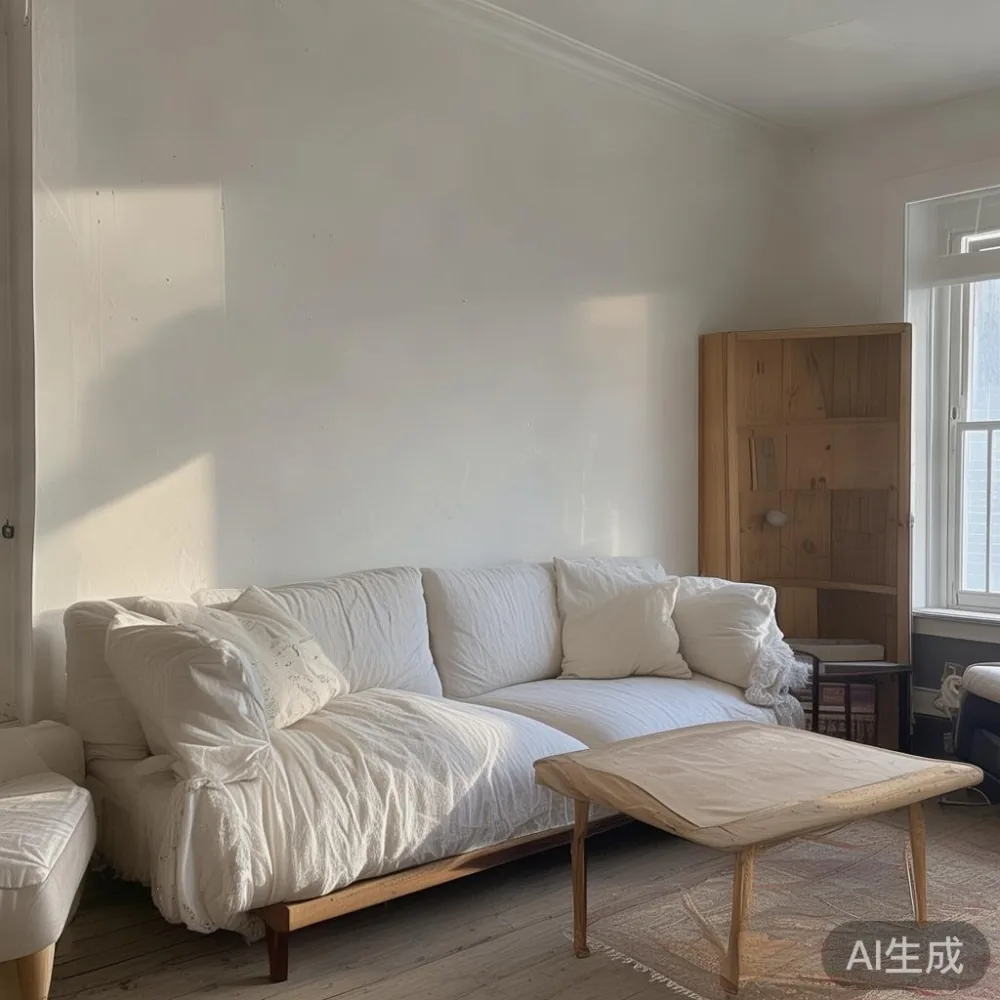
The Daily and Weekly Ritual: Simple Habits for a Lasting Finish
Preserving your lacquered furniture doesn't require an arsenal of chemicals; it demands consistency and gentle practices. Daily habits make the biggest difference. Use coasters under glasses, cups, and vases to prevent water rings from forming. A damp glass left on a marble table top can quickly cause a permanent mark. When dusting, always use a soft, lint-free microfiber cloth. Feather dusters can push dust particles across the surface, which can act like fine sandpaper and create micro-scratches over time. For weekly cleaning, a slightly damp cloth is sufficient. Wring it out thoroughly so it is only slightly damp, not wet. Wipe the surface in the direction of the wood grain and immediately follow with a dry, soft cloth to buff away any moisture. This simple two-step process removes daily grime without introducing excess water to the wood or its finish.
How to Handle Spills and Stains Without Panic
Accidents happen, but a quick and correct response can prevent a permanent blemish. The golden rule is to act immediately. For a spill, use a clean, dry cloth or paper towel to blot up as much liquid as possible. Do not rub, as this can spread the stain and push the liquid into the wood's pores. For sticky substances like juice or syrup, gently scrape off any excess with a plastic card or a soft, plastic putty knife held at a 45-degree angle. Once the bulk is removed, use a damp cloth with a tiny drop of mild, pH-neutral dish soap to gently clean the area. Follow up immediately with a dry cloth. Avoid harsh chemical cleaners, alcohol-based solutions, or ammonia, as these can strip the lacquer, leaving a dull, cloudy patch that is difficult to restore. Remember, prevention is always better than cure.
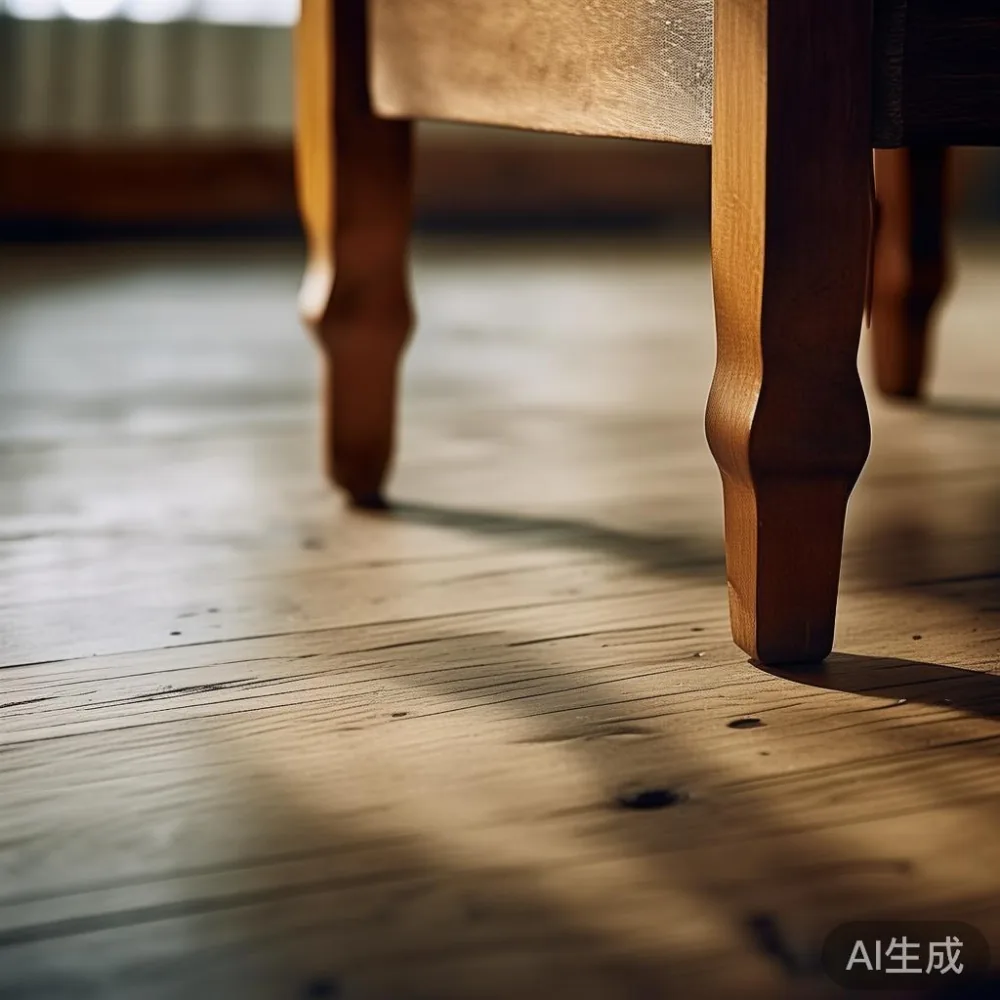
Protecting Your Furniture from Singapore's Sunlight
Singapore's intense, direct sunlight is one of the biggest threats to a lacquered finish. Ultraviolet (UV) rays can cause the lacquer to fade, yellow, or become brittle over time. This is particularly relevant for pieces placed near windows, such as a solid wood sofa or a dining table in a small living room. To protect your investment, position your furniture away from direct sunlight whenever possible. If that's not feasible, use UV-protective window films or install heavy curtains or blinds that can be drawn during the sunniest parts of the day. For small spaces, this also helps in managing the room temperature. A colleague of mine recently visited a client in Punggol whose beautiful American light luxury bed frame had developed a distinct yellow patch on one side from years of morning sun. It was a clear reminder that even the most durable finishes need protection from our island's relentless sun.
What About Polishing? When and How to Do It Right
Polishing is often misunderstood. For modern lacquered finishes, which are non-porous, polishing is not about feeding the wood but about restoring the shine to the finish itself. Over time, the surface can accumulate a fine layer of dust and household pollutants that dull its lustre. A high-quality, non-silicone furniture polish can be used once every month or two to buff the surface back to a brilliant shine. Apply a small amount to a soft, clean cloth and work it in gentle, circular motions. Always test the polish on an inconspicuous area, like the inside of a drawer or the back of a nightstand, first to ensure it doesn't react negatively with the lacquer. Avoid using paste waxes, as they can build up over time and create a cloudy film, especially in humid conditions.
Why is American Wardrobe Worth It for High-Humidity Areas?
This is a question many homeowners grapple with when furnishing a bedroom in Singapore's humid climate. An American wardrobe, often constructed with a focus on durable materials and finishes, can be a practical choice. The key is to look for one with a high-quality, multi-layered lacquer or a catalyzed varnish finish. These finishes are specifically designed to withstand temperature and humidity fluctuations better than standard lacquers. The internal structure should also be considered; solid wood panels with a floating design allow for natural expansion and contraction without warping the frame. While the initial price tag for a well-made American wardrobe might be higher, say SGD 2,500 compared to SGD 1,500 for a standard model, its longevity and resistance to environmental stress can make it a worthwhile investment for a small space where replacement is difficult.
Styling Your Lacquered Furniture: Creating a Cohesive Look
Caring for your furniture is one thing; integrating it into your home's decor is another. The reflective nature of lacquered surfaces can make a room feel larger and brighter, which is a huge advantage for a small space. For instance, learning how to style European light luxury sofa in room involves pairing it with minimalist, low-profile furniture and plenty of negative space to let its lines and shine be the focal point. Similarly, when styling a French bed, the lacquered headboard can serve as a statement piece against a neutral-toned wall. The key is to balance the high-gloss finish with matte textures—think a plush wool rug, linen curtains, or a simple ceramic vase. This contrast prevents the room from feeling overly clinical and adds warmth and depth. A marble table, with its natural veining, can complement a lacquered dining set beautifully, creating a sophisticated yet inviting atmosphere.
Long-Term Care and When to Call a Professional
Even with the best care, a lacquered surface may eventually show signs of wear, such as fine scratches or a loss of sheen. For minor scratches, a high-quality scratch repair kit designed for lacquered wood can be effective. These kits typically contain a coloured wax or filler that you buff into the scratch to make it less noticeable. For more significant damage, like deep gouges or widespread cloudiness, it's best to consult a professional furniture refinisher. Attempting to repair it yourself can lead to irreparable damage. Many reputable brands, including some from the Foshan factory region, offer refinishing services as part of their long-term care packages. This is where a lifetime refinishing warranty, like the one offered by some manufacturers, becomes invaluable. It provides peace of mind, knowing that your cherished piece can be restored to its original glory by experts, no matter the wear and tear from Singapore's climate over the years.
Japanese Sofa vs Japandi Sofa: Which is Better for a Humid Climate?
The choice between a Japanese sofa and a Japandi sofa often comes down to aesthetic preference, but both can be suitable for Singapore's climate, provided they are well-made. A traditional Japanese sofa is typically low to the ground and features clean, simple lines. The upholstery is often natural fabrics like linen or cotton, which are breathable but can be prone to retaining moisture if not cared for properly. A Japandi sofa blends Japanese minimalism with Scandinavian functionality, often using solid wood frames and durable, easy-clean upholstery fabrics. The key factor is not the style itself but the quality of the materials and the construction. When considering is Japandi wardrobe worth it for a bedroom, the same logic applies. A well-built Japandi wardrobe with a sturdy lacquered finish will perform better in a humid environment than a poorly constructed piece of any style. For a Japandi for small living room, the focus on multifunctional pieces and light colours can help create a sense of space that feels open and airy, counteracting the feeling of heaviness that humidity can sometimes bring.
Final Thoughts on Enjoying Your Furniture in the Tropics
Owning lacquered wood furniture in Singapore is a joy that comes with a small set of responsibilities. It's about understanding your environment and adapting your habits to protect your investment. The high humidity is a constant factor, but with a regular cleaning routine, mindful placement, and prompt attention to spills, you can keep your pieces looking magnificent for decades. The beauty of a French light luxury bed frame or the sleek lines of a modern lacquered wardrobe can transform a small space into a personal sanctuary. By following these guidelines, you ensure that the shine on your furniture reflects not just its quality, but also the care and attention you put into your home. Enjoy the process of living with and caring for these beautiful objects; they are designed to be part of your life for a very long time.