Humidity in Southeast Asia and Your Solid Wood Furniture: A Tampines Owner's Guide
I visited a friend's resale HDB flat in Tampines last month, and what I saw stopped me mid-conversation. Her three-year-old solid wood dining table, bought from a neighbouring brand at S$1,890, had cup marks so pronounced you could rest a pen in them. The tabletop bowed a full 4 mm across its 1.8-metre length. Her wardrobe doors no longer closed flush against the carcass. She had kept the air-conditioner running through the night, run a cheap dehumidifier for six months, and still the wood had moved. The mistake was not the air-conditioner. The mistake was buying pieces that were never engineered for the climate she actually lives in. This guide is the conversation I wish someone had had with her before the delivery truck pulled up to the lift landing.
Why Singapore's Climate is a Stress Test for Any Solid Wood Sofa, Bed Frame, or Dining Table
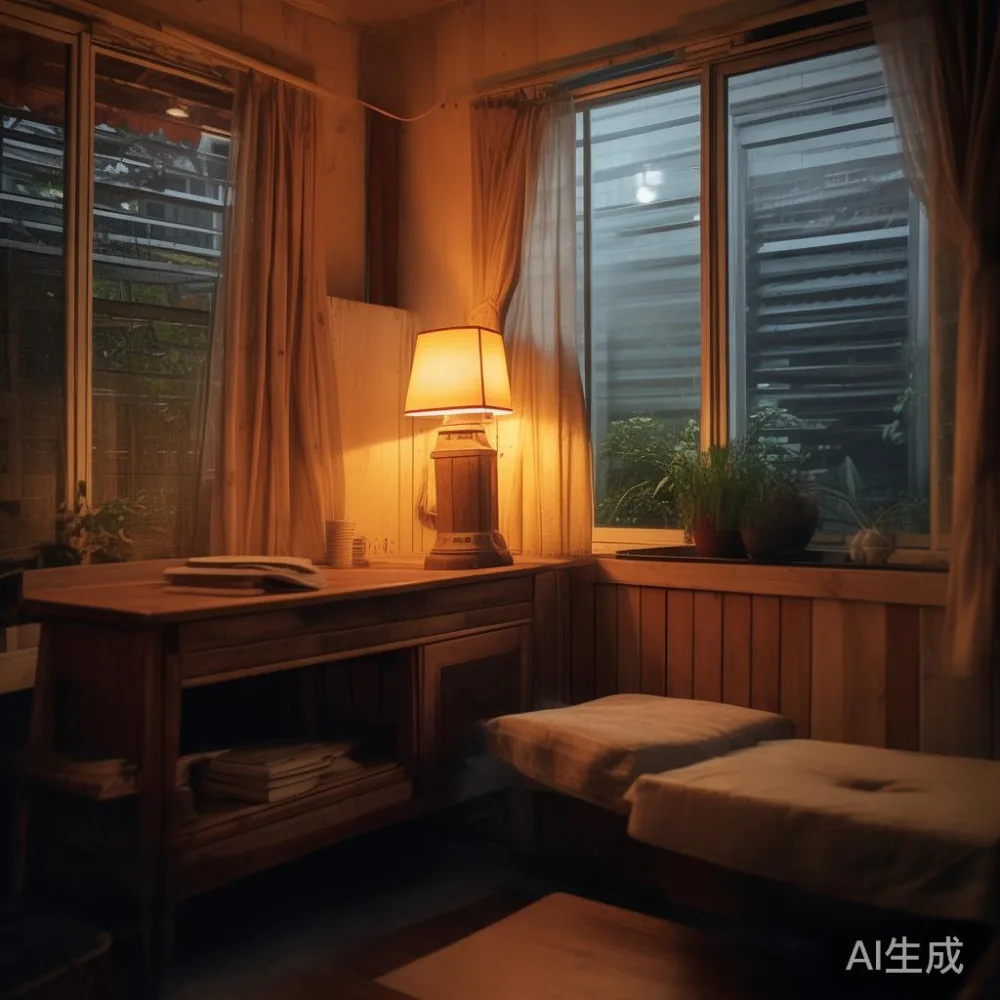
Singapore sits roughly one degree north of the equator, and the data tells a clear story. Average relative humidity runs between 78% and 88% all year, dipping only slightly during the February to April stretch. Outdoor humidity during a wet-phase afternoon can climb past 95%. Indoor humidity in a typical Bedok or Punggol BTO, even with the air-conditioner on, hovers between 65% and 75% because the building envelope is not perfectly sealed and the corridor ventilation introduces fresh moisture every time the front door opens. Wood is hygroscopic. It breathes. A solid wood sofa frame, a bed frame headboard, a dining table apron, a wardrobe side panel, a nightstand drawer front, even a marble table with a wooden plinth, all of these components expand when humidity rises and contract when it falls. The movement is not a defect. It is physics. The question is whether the furniture was built to accommodate that movement gracefully or to fight it.
How Humidity Actually Damages a Solid Wood Piece Over 12 to 36 Months
I have walked through enough humid homes in Southeast Asia to recognise the same five failures repeatedly. First, cupping on tabletops, where the edges curl upward because the underside absorbs moisture faster than the top, or vice versa during dry spells. Second, cracking along the grain, usually at the end-grain of a bed frame rail or a wardrobe shelf, because moisture escapes there fastest. Third, joint failure, particularly in pieces joined with only glue and staples rather than mortise and tenon or dowel-and-glue combinations. Fourth, finish delamination, where a polyurethane skin lifts off the underlying wood because trapped moisture pushes it away. Fifth, mould and mildew on pieces stored against exterior walls in older condos. None of these failures happen overnight. They accumulate silently across two to three monsoon cycles before they become visible enough to photograph and complain about.
What I Looked for When I Evaluated Pieces Built for This Climate
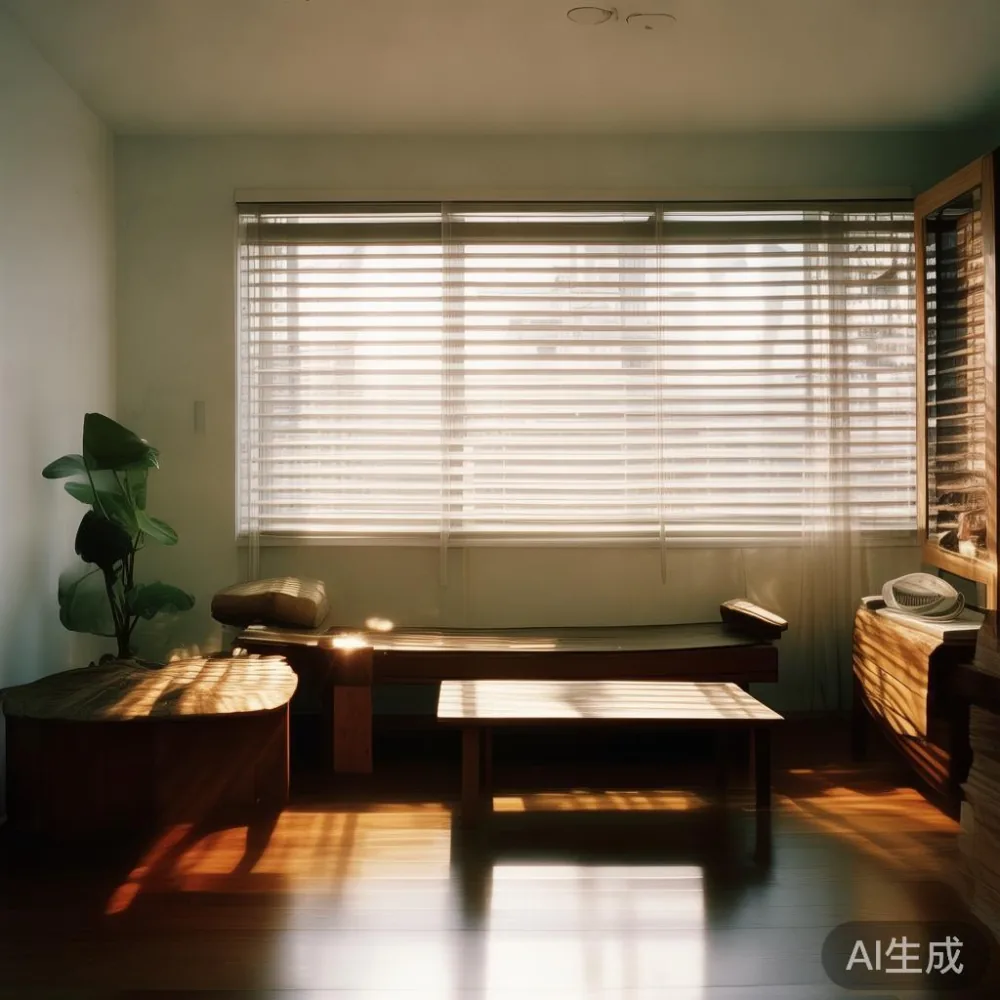
I spent an afternoon at the MIDHILL showroom in Foshan's Shunde district last quarter, walking the production floor with a tape measure and a hygrometer. The thing that struck me was not the showroom polish but the joinery. Drawers were dovetailed front and back with a 12 mm pitch, not stapled. Wardrobe backs were 9 mm solid panels set into a rabbet, not 3 mm plywood tacked on. Beds used through-tenons wedged from the inside. Every tabletop wider than 90 cm had a breadboard end with elongated slots that let the centre panel float through seasonal movement without splitting. That breadboard detail alone is the single most telling indicator that a maker understands how a solid wood dining table behaves in a Tampines flat.
MIDHILL also kiln-dries its solid wood stock to a target moisture content of 8% to 10%, which is closer to conditioned indoor air in Singapore than the 12% to 15% many mills still ship. The pieces are then acclimatised in a humidity-controlled warehouse for 14 to 21 days before crating. That two-week rest is unglamorous, but it is the difference between a piece that arrives stable and one that starts moving on day one.
How Wide Will My Bed Frame Actually Move Across One Year?
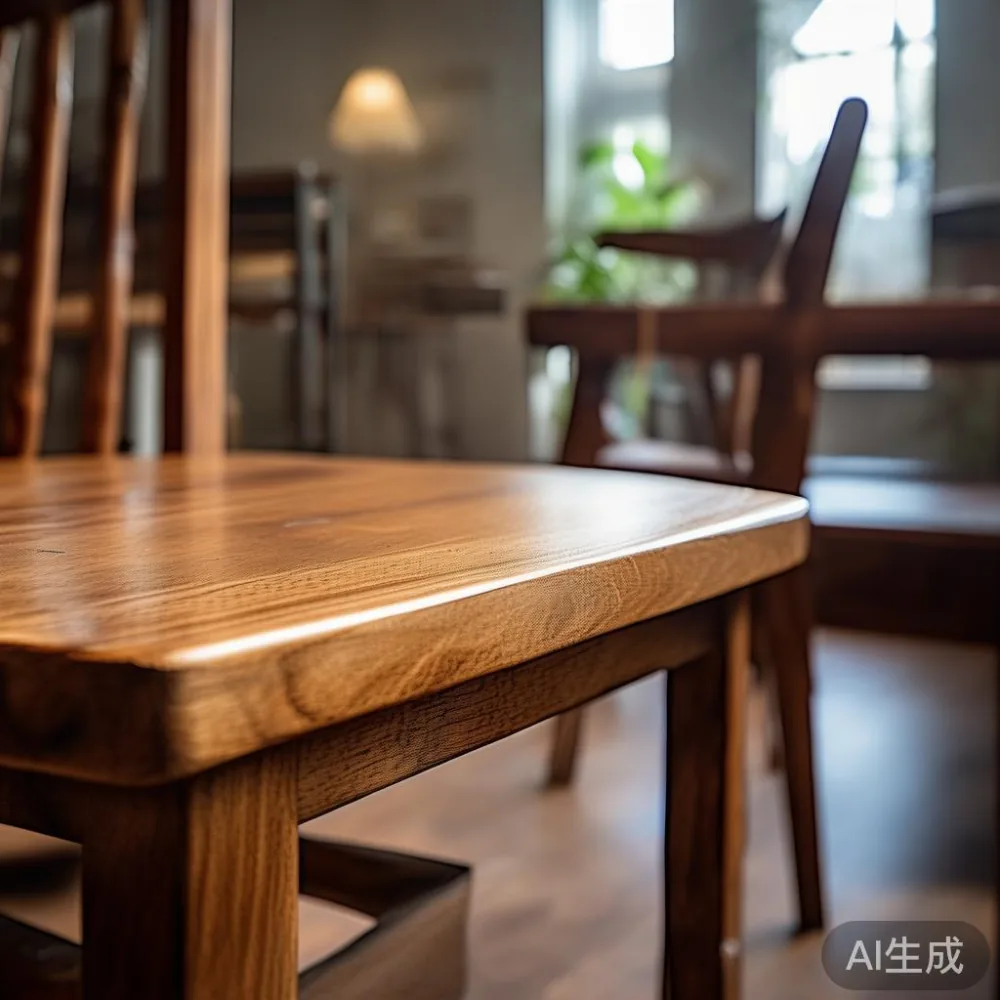
This is a fair question to ask before spending S$1,400 to S$3,800 on a bed frame. The honest answer depends on three variables: the species, the thickness, and how you condition the room. A 150 cm wide rubberwood bed frame with a 25 mm thick side rail, kept in a 70% humidity bedroom, will typically move 2 to 3 mm across its width over a full year. That sounds small until you remember that the same 2 to 3 mm of seasonal swing is what causes cheap drawer fronts to bind and what makes thin wardrobe doors rack out of square. A well-engineered Japanese bed, built with floating joinery and quartersawn rails, handles that 2 to 3 mm without complaint. A French provincial bed, with its heavier carved details and thicker stock, holds dimensional change more slowly but, once it does move, it tends to crack at the carved relief rather than along a clean line. Choosing between a Japanese bed vs French provincial bed in a Southeast Asian bedroom is really a question of whether you want predictable micro-movement or slower but harder-to-repair shifts.
Can a Marble Table Solve the Humidity Problem Without Losing the Warmth?
Many homeowners in Punggol and Bedok have started mixing materials, anchoring a marble table with a treated solid wood base, or pairing a stone-top dining table with a fully wooden sideboard. Marble does not move with humidity, which solves half the problem, but marble has its own sensitivities in our climate, namely salt-efflorescence on lower-quality stock and condensation on cold surfaces meeting warm humid air. The practical trick is to specify the substrate carefully. A 15 mm marble slab bonded to a 18 mm exterior-grade plywood with a 3 mm cork underlayer handles thermal and moisture stress far better than a stone slab glued directly to particleboard. The wooden elements around it then become the visual anchors, a single carved leg, a hand-finished apron, that carry the warmth without bearing the full structural load of a humid year. This blend of stone accents and solid wood is a quiet hallmark of post-modern light luxury, which favours mixed materials over matched suites.
Will My Wardrobe Doors Stop Closing by Next Chinese New Year?
Probably yes, unless the wardrobe was built for our climate. Wardrobe doors are the most common failure I see on customer visits. The door panels are wide, often 45 to 60 cm, and the relative humidity inside a closed wardrobe can run 8 to 12 points higher than the room because clothes release moisture as they sit. That trapped microclimate pushes the outer edges of the door outward while the centre stays put, creating a slight bow that prevents the door from seating against the frame. A Japandi-style wardrobe with full-overlay flat panels and 6 mm reveals tolerates this movement because the construction is simpler and the tolerances are looser. An ornate panelled door does not. If you are planning how to style Japandi wardrobe in apartment, lean toward clean slab fronts, vertical grain orientation, and soft-close hinges that allow a 2 to 4 mm adjustment range. The pieces you see featured across many top 10 Coastal furniture round-ups tend to share this airy construction, and there is a reason for it: simple shapes survive humidity.
Is a Solid Wood Sofa a Realistic Choice for a Humid Condo, or Is It Just Marketing?
It depends entirely on the build. A solid wood sofa frame made of para rubberwood with mortise-and-tenon joinery, kiln-dried to 9% moisture content, and finished with a moisture-cured polyurethane will outlast any MDF-and-fabric alternative on the Singapore market. The fabric and the foam will give out before the frame does, which is expected, and a frame swap at ten years is normal. A solid wood sofa built with pocket screws, particleboard braces, and a nitrocellulose lacquer finish will check, crack, and loosen within two monsoon cycles. The category name is identical on the spec sheet; the underlying object is completely different.
The same logic separates what is marketed as an American sofa vs Modern sofa. American light luxury tends to use thicker stock, heavier proportions, and traditional joinery. Modern interpretations often use thinner profiles, harder joinery demands, and tighter tolerances that punish seasonal movement. In a small-space HDB living room measuring roughly 18 to 22 square metres, a slightly chunkier American-style frame in solid wood also tends to feel more grounded than a slim modern sofa on metal legs, and the extra 2 to 3 kg per corner buys you stability during the daily air-conditioner cycle.
What About Storage Beds and Sofa Beds in Compact Singapore Rooms?
Storage furniture takes the worst of humidity because the interior cavity traps moisture against sealed panels. A european sofa bed with storage, lifted on solid wood legs and vented through a 10 mm gap beneath the storage floor, will ventilate enough to escape mould across three to five years in a bedroom kept below 70% humidity. A storage bed sealed on all sides will grow surface mould within 18 months. When weighing an Ottoman storage bed against a drawer-style storage bed for a small-space HDB bedroom, the drawer version is the safer pick in Singapore because the open drawer fronts provide passive airflow every morning when you pull your bedding out.
For smaller second bedrooms converted into study rooms, the nightstand is the piece most often ignored and most often damaged. A solid wood nightstand with a fully sealed back panel traps moisture inside the drawer cavity. A nightstand with a 2 cm breathing gap at the back, plus open-drawer storage rather than a closed cupboard, gives that moisture somewhere to go. Specifying brushed brass or matte black hardware over chromed hardware also helps, because chromed steel can flash-rust in wardrobe-adjacent humidity within two years.
How Should I Set Up My Room So the Wood Lasts 10 to 15 Years?
The first three months after delivery matter more than the next ten years. Unpack pieces within 24 hours of arrival, remove all packaging foam, and let the wood breathe in the actual room where it will live for at least five days before you load drawers or stack books on shelves. Run a dehumidifier set to 55% relative humidity in the bedroom or living room for the first fortnight. Once the wood has stabilised at your indoor humidity, target a year-round range of 55% to 65%. Every 10-point swing in humidity produces roughly 1.2% dimensional change across the grain in rubberwood and similar species, so holding the band tight prevents the cumulative stress that cracks poorly built pieces.
Waxing once every nine months with a soft beeswax paste feeds the surface and slows moisture exchange through the finish. Avoid silicone polishes, which seal the surface too aggressively in our warm air and trap moisture against the wood. Keep pieces at least 8 cm off exterior walls to allow convective airflow behind wardrobes and sideboards. Run the air-conditioner or a dehumidifier for at least four hours daily during the November to January wet phase. If you are deciding how to style Japanese bed in apartment for a cooler, calmer look, run a washable cotton runner along the corridor side of the bed frame to break humid air movement without sealing the wood.
What About Delivery Logistics in HDB Corridors and Older Lifts?
Singapore's HDB lift openings are typically 80 to 90 cm wide, and corridor turns can be tight for longer wardrobes. MIDHILL's Singapore logistics partner measures every piece at the warehouse and pre-checks access, which is unusual. Many imported pieces arrive flat-packed at widths that fit the lift on paper but then fail at the corridor radius. A fully assembled European-style sideboard at 220 cm long will not make the corner on the 12th storey of a 1970s Bedok block. Confirm pre-delivery access checks with any brand you consider. For landed and condo deliveries, MIDHILL's team uses protective blankets and a two-person crew, with delivery lead times of 18 to 28 days from order to doorstep for in-stock pieces, depending on Singapore stock at the time of order. Shipping above US$350 is free, which translates to roughly S$480 and captures most dining sets, bed frames, and wardrobes above the smallest configurations.
What Happens if Something Does Go Wrong Months After Delivery?
Ask about warranty terms in writing. A meaningful structural warranty covers ten years on frame integrity, especially for bed frames and dining tables where the joinery carries the load. MIDHILL, the Foshan maker I toured, offers a ten-year structural warranty precisely because they kiln-dry to that 8% to 10% moisture range and build with through-tenons that survive humidity. They also offer a lifetime refinishing service for surface scratches, sun fade, and water marks, which is rare in the small-space furniture segment. Combined with a 14-day return window, this kind of after-sale structure signals that the maker expects the piece to perform across a full decade of Tampines or Punggol humidity. Pricing for a four-piece solid wood dining set in their catalogue ranges from roughly S$2,200 to S$4,800, and a queen-size bed frame runs S$1,400 to S$2,600, which puts them in the upper-mid market for solid wood.
Questions Worth Asking Before You Click Buy
Three quick checks before paying a deposit. Ask what the kiln-drying moisture content target is, and whether the maker will tell you in writing. Ask whether tabletops wider than 90 cm use breadboard ends or floating panels. Ask whether the joints are dowel-and-glue, mortise-and-tenon, or stapled. If the salesperson dodges all three, walk away, regardless of the price tag. The friend in Tampines would have saved herself a S$1,890 replacement by asking those three questions in the first place.
For ongoing advice, styling ideas, or to check current lead times, the team at MIDHILL can be reached at midhillco@gmail.com. They respond to technical questions about humidity and joinery more carefully than most Singapore retailers I have spoken with, which is the kind of expertise the small-space furniture customer in our region genuinely needs.