How Southeast Asian Humidity Affects Solid Wood Furniture in Singapore’s Small Spaces
Singapore’s humidity is not merely a weather detail. It shapes how solid wood furniture expands, contracts, moves, and ages inside HDB flats and private condos. The same oak dining table that feels stable in an air-conditioned living room can show visible movement during a humid afternoon in Bedok or Tampines. Understanding those changes matters when every square metre has to work harder.
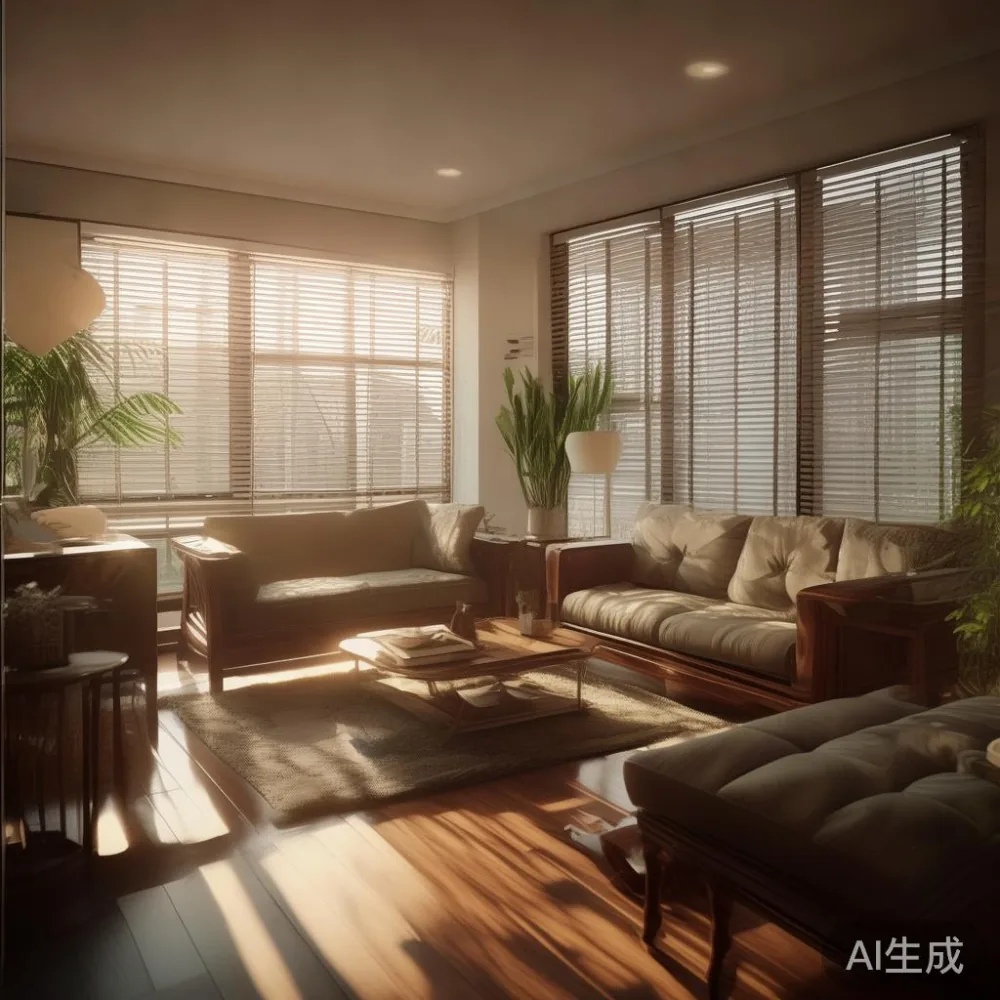
At MIDHILL, we make and prepare solid wood furniture in Foshan for customers across Southeast Asia and beyond. The factory was established in 2008, and export experience to more than 15 countries has taught us that climate control during storage, packing, delivery, and use cannot be separated from furniture design. A 10-year structural warranty addresses construction, while our lifetime refinishing service supports the wood’s long-term appearance.
This guide explains how humidity affects pieces such as a solid wood sofa, bed frame, dining table, wardrobe, nightstand, and marble table. It also gives Singapore homeowners practical measurements, maintenance intervals, and delivery guidance for small space homes.
Why does Singapore humidity change solid wood furniture?
Wood is hygroscopic: it absorbs moisture when the air is humid and releases moisture when the air dries. That response is natural, especially for solid hardwood such as oak, ash, beech, walnut, and teak. It does not mean the furniture is defective simply because a drawer or panel shifts slightly.
Singapore’s relative humidity commonly ranges from about 60% to 85% across the year. During monsoon periods, daytime readings may approach 90% in some locations. Air conditioning can then pull indoor relative humidity below 50%. Repeated movement between these conditions can create gaps of roughly 1 to 3 mm around some panels, although the amount depends on the species, thickness, edge treatment, and installation.
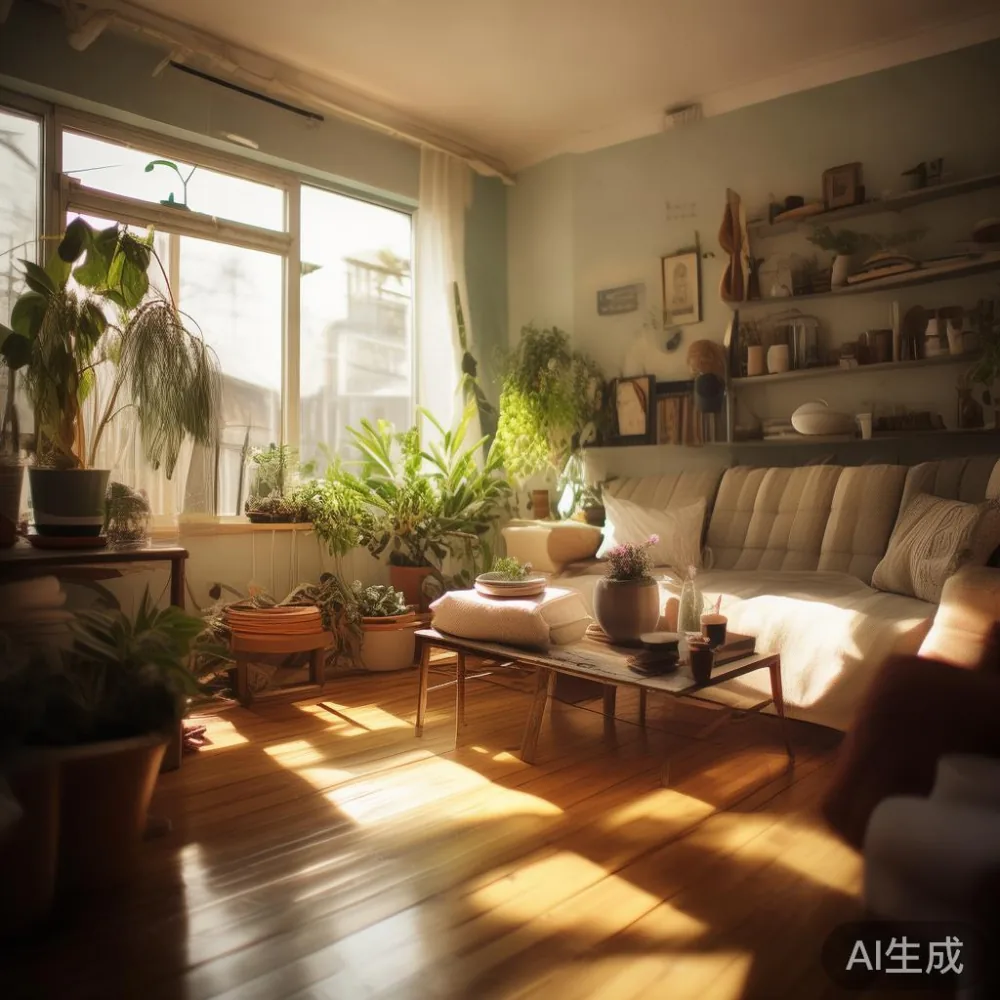
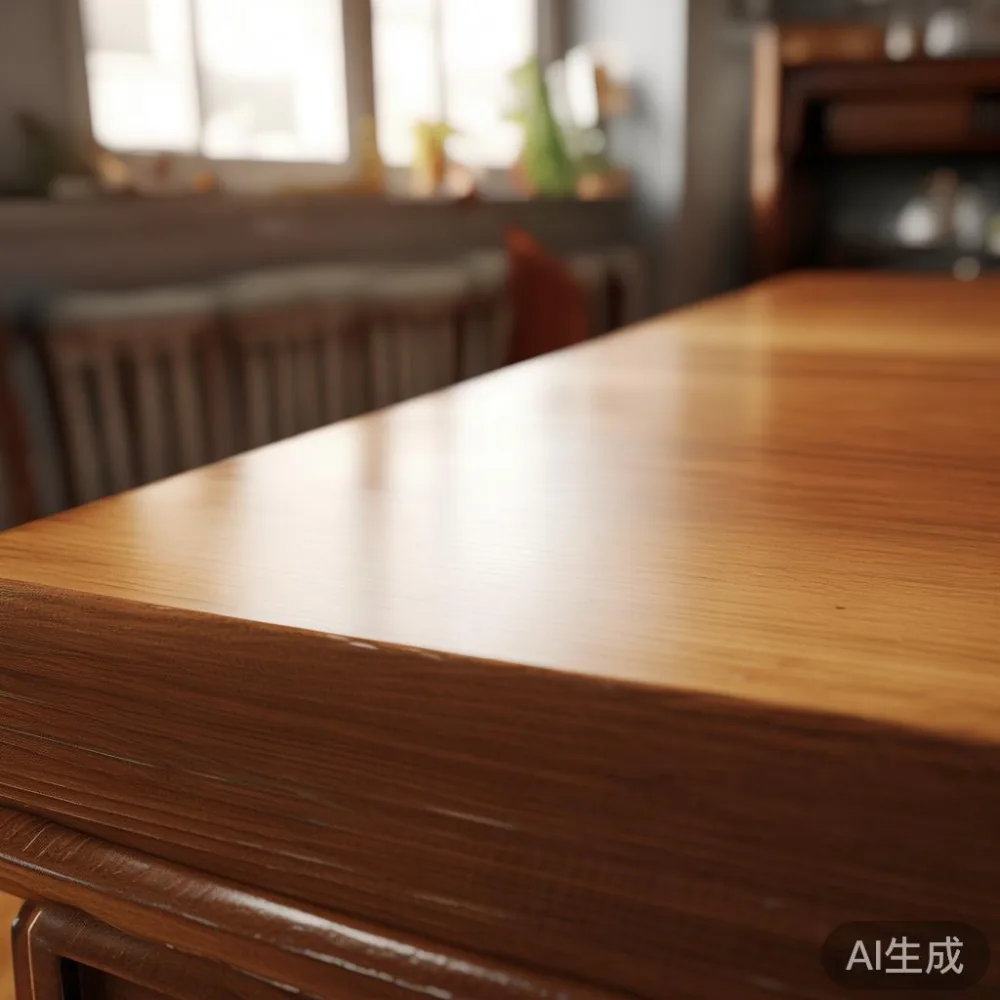
Seasonal wood movement is often more noticeable across a wide board than across a narrow one. A 180 cm solid oak dining table may expand by approximately 2 to 5 mm across its width during a strong humidity cycle. A 45 cm bedside drawer may change less, but its runners can still feel tighter when moisture rises. Temperature also matters: warm, humid air encourages moisture uptake, while cooler air slows it.
For small space furniture, planning for movement is part of the design. A wardrobe should not be wedged tightly against a tiled wall. A bed frame should allow some air circulation behind the headboard. A dining table should stand clear of a wet balcony or a persistently damp service corridor. These details reduce trapped moisture and leave the wood room to respond.
What is the ideal humidity level for indoor wood furniture?
A practical target is 45% to 60% relative humidity, with about 21 to 24°C as a comfortable indoor temperature. This range is easier to achieve than a perfectly constant climate, and it limits the larger swings associated with Singapore’s outdoor conditions.
Use a calibrated hygrometer rather than relying on a weather app, because an app shows outdoor conditions rather than the microclimate beside your wardrobe. Place one hygrometer near the bedroom or dining area for at least 7 days. Check it at about 8 a.m., 3 p.m., and 10 p.m. on several days. If it regularly reads above 65%, improve ventilation or run air conditioning more consistently. If it drops below 40%, avoid using heaters or heat guns near the wood.
Do not aim to over-dry a room. Low humidity can be just as troublesome as high humidity because rapid contraction may open joints and cause checking. Keep the reading stable rather than chasing every short-term fluctuation. A 5% change over a month is generally less concerning than a 15% swing within one week.
In an HDB flat, position dehumidifiers away from direct walls and furniture. A unit rated for a 30 m² room may remove around 10 to 18 litres of moisture per day under favourable conditions, but actual output varies with humidity and temperature. Empty the tank at least every 2 days during damp weather. For a 90 m² condo, place dehumidifiers in the bedroom and living area, then monitor with separate hygrometers.
How do HDB flats and small space layouts magnify humidity?
Many Singapore HDB units have compact rooms, limited natural cross-ventilation, and furniture arranged close to walls. In a typical 3-room flat, the dining table may occupy only 1.2 to 1.6 m², while a 1.8 m bed frame needs about 2.1 to 2.4 m² with circulation space. A slim wardrobe can release stored heat and moisture slowly into the room, but if it is pressed into a recess with no airflow, the local humidity can remain higher.
Common problem points include:
- Balcony-facing bedrooms in Tampines, where ventilated closets may still collect moisture from warm outdoor air.
- Dining areas beside service yards in Bedok, especially when towels and laundry dry indoors.
- Newly painted Punggol homes, where residual construction moisture may temporarily raise indoor readings.
- Condo wardrobes beside hot water risers or exterior walls, where surface temperatures vary more quickly.
- Corridor and lift holding areas, where flat-packed furniture may wait before installation.
The small space theme deserves equal attention. Clear at least 5 cm behind freestanding wardrobes where possible, 3 cm below a nightstand where practical, and 10 cm around the rear of a dining table if the room permits. Avoid covering furniture with dust sheets for long periods during the monsoon. They can trap a damp layer against the surface.
For lift planning, check whether the carton fits before delivery day. A common residential lift door is about 80 to 90 cm wide, while a sofa carton may be 85 to 110 cm long and 40 to 60 cm deep. A dining table top boxed separately can fit diagonally, but narrow corridors and right-angled turns can still be difficult. Measure the lift lobby, corridor bends, stair landings, and door opening, not only the lift car.
How should you prepare solid wood furniture for Singapore’s climate?
Acclimatisation should begin before the furniture enters the home. Keep solid wood in its ventilated carton or breathable wrapping for at least 24 to 48 hours. Do not leave it sealed in plastic for several weeks. If the carton feels cool or damp, add another 24 hours and let air move around it.
For furniture arriving during a humid spell, open the carton progressively. Remove the outer plastic after delivery, retain the protective inner layer, and allow 48 to 72 hours before tightening adjustable fittings. This lets the wood adjust gradually. Avoid drilling, wedging, or fully assembling a large wardrobe against the wall on the same day it arrives.
Care for a solid wood dining table by wiping spills promptly. Use a lightly damp cloth with mild soap, then dry it with a clean cloth. Do not soak the surface or spray cleaner directly into joints. A paste wax can provide an added moisture barrier, but apply it only to a clean, dry surface according to the product instructions. Buff after 10 to 20 minutes and remove residue.
For a bed frame, check the fixing bolts after the first 2 humid and 2 dry weeks. Then inspect them every 6 months. For a wardrobe, watch the top and side panels because they experience more surface-area change than a narrow centre stile. For a nightstand, keep coasters and drink condensation away from the edge. A marble table needs its own moisture response: marble itself does not expand like wood, but its contact area and surrounding cabinetry may move differently.
Small spaces magnify care errors too. A damp cloth left beneath a bed for 2 days can create a local microclimate. A laundry rack placed beside a wardrobe can raise moisture around the side panel. Move drying activities to the balcony or use a dehumidifier, and leave the furniture zone more stable.
Can air conditioning prevent humidity damage?
Air conditioning is useful, but it should control rather than create abrupt moisture swings. A bedroom maintained at 23 to 25°C and 50% to 60% relative humidity gives wood a reasonably stable environment. Opening a bedroom door to a 70% humid corridor can introduce moisture that the unit must remove later.
Run the dehumidifier or air conditioning regularly during extended periods of high humidity. Do not switch immediately between intense cooling and a 28°C room temperature; a gradual adjustment is kinder to wood and more energy-efficient. Keep vents clear and use a fan to distribute conditioned air rather than directing cold airflow continuously at one wardrobe panel.
New furniture may release a faint woody aroma as it acclimatises. Normalise the room for at least 1 to 2 weeks before painting or storing textiles inside a closed wardrobe. For a compact guest room, search for “Minimalist for guest room” ideas that include good ventilation, a slim nightstand, and a wall light instead of crowding the floor with decorative pieces.
What should you do if a panel swells or a drawer catches?
First measure the actual gap. A 2 to 3 mm opening after a rainy week may be temporary. Leave an expansion allowance and avoid forcing the drawer. Check whether the runner is rubbing against moisture-softened wood or whether furniture has been moved and is no longer level.
Adjust the shelf pins or runners where the design permits. Do not plane or sand a swollen panel immediately; the wood may contract when conditions improve. Wait through at least 1 complete humid-to-drier cycle, often 3 to 6 weeks, before considering cosmetic correction.
If the movement exceeds 6 mm, a joint has opened visibly, or the frame feels unstable, document the condition with dated photographs and contact the supplier. Structural issues should not be treated as normal seasonal movement. For MIDHILL pieces, the 10-year structural warranty provides a defined route for assessing construction-related concerns.
How do French light luxury and American light luxury styles handle this climate?
Style does not change the physics of wood, but it affects the amount of exposed surface, the joints, and the maintenance routine. French light luxury usually combines pale oak, cream upholstery, rounded silhouettes, and reflective accents. Its light colours can make small space rooms feel more open, while slim-profile pieces suit Singapore condos. If you are comparing American bed vs Modern bed, focus on solid construction, joinery, clearances, and climate suitability rather than the label alone.
A French-inspired solid wood sofa may have closely fitted seat frames and removable cushions. The timber beneath the upholstery needs ventilation, particularly if the sofa sits against an exterior wall. An American light luxury bed frame may use broad headboards and solid side rails, all of which can respond subtly to humidity. A post-modern light luxury dining table with clean lines and restrained detailing is easier to maintain if the top is not surrounded by tightly fitted chairs.
Wardrobe design matters just as much. If you want to know how to style light luxury wardrobe in bedroom, plan a 5 to 8 cm top gap, concealed ventilation where practical, and handles that do not require excessive force. For an “is Japanese wardrobe worth it” comparison, consider sliding versus hinged doors, carcass ventilation, drawer movement, and the local climate. A sliding door can save circulation space in a narrow bedroom, but it must not seal damp air inside the carcass.
Buyers searching for cheap Italian light luxury furniture may focus on price, but material truth and after-sales support matter more in a humid market. Stone accents, marble surfaces, and imported finishes should be specified clearly. A “marble table” should disclose whether it is natural marble, sintered stone, or marble-look engineered stone, because each has a different reaction to moisture and cleaning products.
How long does delivery take, and what does the warranty cover?
For Singapore deliveries, allow about 7 to 14 production days after order confirmation for made-to-order pieces. Add roughly 3 to 7 days for regional transport and scheduling. Completed stock items may take 5 to 10 days, but the supplier should confirm the actual lead time in writing. Lift bookings can add 1 to 3 days, particularly in older HDB blocks with restricted service windows.
Delivery to the doorstep in Singapore is generally free above US$350, or approximately SGD 460 at a indicative exchange rate of about SGD 1.32 per US$1. The exact Singapore charge should be confirmed before payment. GST and any applicable service charges should appear as separate lines on the quotation rather than being hidden in the final total.
Inspect the carton before accepting it. Photograph the package, corners, and hardware for 10 minutes on arrival. Do not sign a “no damage” note without checking concealed panels if the outer carton is crushed. Assemble furniture within 7 days, then allow 48 to 72 hours for acclimatisation before loading it heavily.
MIDHILL provides a 14-day return window for eligible orders, subject to the product condition and stated terms. Solid wood furniture should be checked for transit damage, incorrect parts, and manufacturing defects. A 10-year structural warranty supports long-term confidence, while lifetime refinishing offers a route to maintain the finish over the years. Keep your receipt, order number, photographs, and care record.
What maintenance schedule suits Singapore’s small space homes?
Check the hygrometer every week during the first 2 months. After that, a quick reading 2 or 3 times a week is sufficient. Clean a dining table every 1 to 2 weeks and immediately after spills. Dust wardrobe tops and nightstand surfaces every 2 to 4 weeks, using a soft cloth and avoiding excess moisture.
Inspect bed frame fixings every 6 months and after any major monsoon spell. Check wardrobe runners and shelf supports twice a year. Reapply a suitable wood maintenance product only when the surface feels dry or faded, usually every 12 to 24 months depending on use and sunlight. Avoid the temptation to over-polish; thin applications are easier to repair.
For a small space balcony, keep furniture at least 30 cm away from the railing where wind-driven rain reaches it. Outdoor timber should be covered with a breathable material, not airtight plastic. Solid wood used on an open balcony will weather more quickly than furniture kept indoors, even if both are made from the same species.
Consider the room’s airflow before purchasing more pieces. A 120 cm solid wood sofa may suit a compact living room, but a 200 cm dining table could obstruct circulation in a narrow HDB dining space. In a condo master bedroom, a 160 to 180 cm bed frame, a 40 cm nightstand, and a wardrobe depth of 55 to 60 cm may offer a practical balance, provided wall clearances are measured.
Humidity control protects appearance only when it is paired with sensible spacing, gradual acclimatisation, and prompt spill care. Stable indoor conditions around 45% to 60% will not stop every natural movement, but they will reduce the stress that repeated swelling and shrinking places on joints, runners, and finishes. That is the practical foundation for solid wood furniture that remains comfortable, durable, and visually calm in Singapore’s small spaces.