Caring for Lacquered Surfaces in a Tropical Climate: A Small-Space Owner's Guide for Singapore
Last month, I visited my colleague Priya in her new 4-room HDB flat in Punggol. She had just taken delivery of a MIDHILL solid wood dining table, 1.4 m long, finished in a warm honey lacquer. By week three, she messaged me a photo: a faint white ring under a condensation glass. The culprit was not the lacquer. It was the ambient humidity sitting around 78 percent on most evenings, and a 22 cm-wide coaster that simply was too small. We fixed it with a 30 cm felt pad and a dehumidifier set to 55 percent. That single moment is the reason this guide exists.
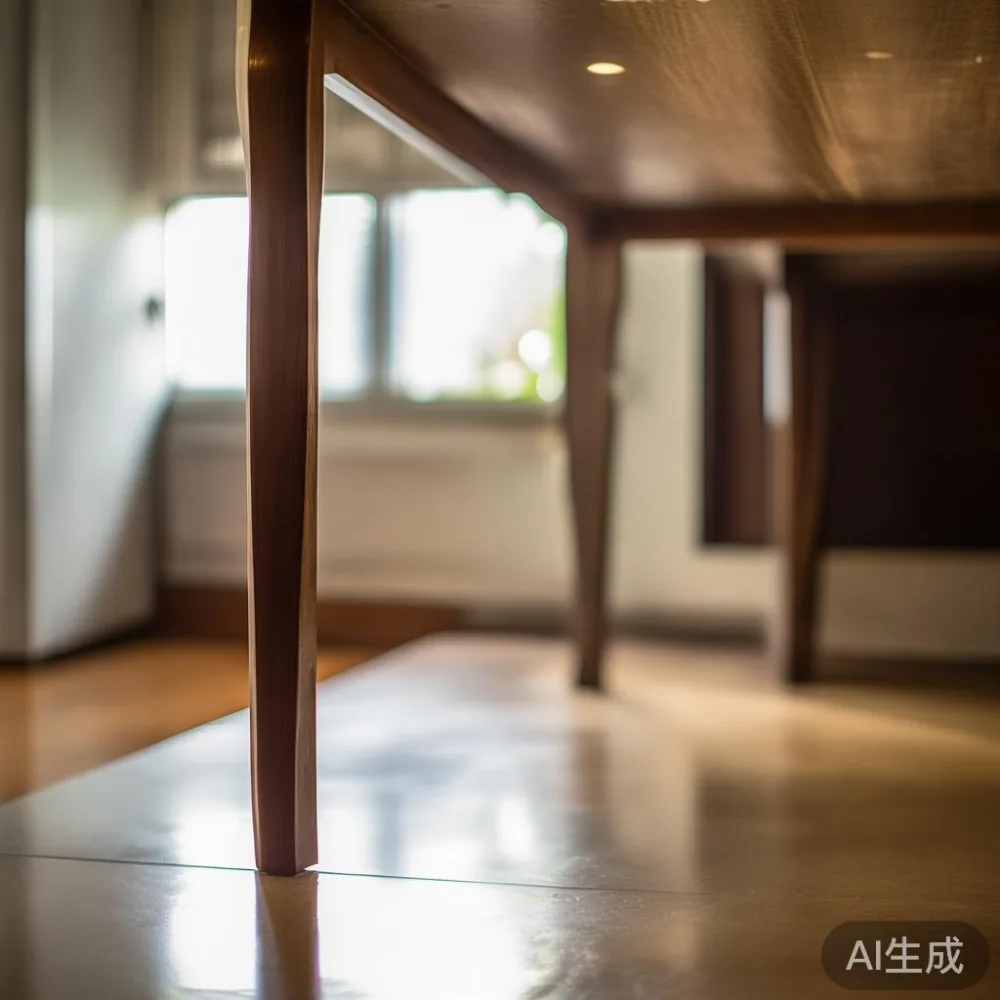
If you live in Tampines, Bedok, Punggol, or any Singapore HDB block or condo, your lacquered solid wood furniture faces a specific set of stresses that European or Australian care guides rarely address: year-round relative humidity between 65 and 85 percent, daily temperatures around 28 to 32 degrees Celsius, and the very Singaporean habit of buying a fresh cup of kopi from the void deck before stepping into the lift. Most corridors in older HDB blocks are only 1.2 m wide, and the service lift internal cabin is often 2.1 m deep by 1.5 m wide, so your furniture has to be designed to fit a small space from day one. Lacquered pieces from a light luxury French-inspired collection are particularly common in compact Singapore interiors, and they reward a slightly different care routine than oiled or waxed timber.
Why Singapore Humidity Is Harder on Lacquer Than You Think
Lacquer is a film finish. It seals the wood underneath and breathes far less than oil or hard wax oil. In Singapore, the wood inside a solid wood bed frame or nightstand still expands and contracts with daily moisture swings. The lacquer film on top does not move the same way. Over 18 to 36 months, that mismatch shows up as hairline cracks along the grain, cloudy patches near the legs where air circulates, or a dull, sticky feeling on dining table surfaces that once felt glass-smooth. Post-modern light luxury pieces, which often use open-grain ash or walnut with a satin sheen, show these signs first.
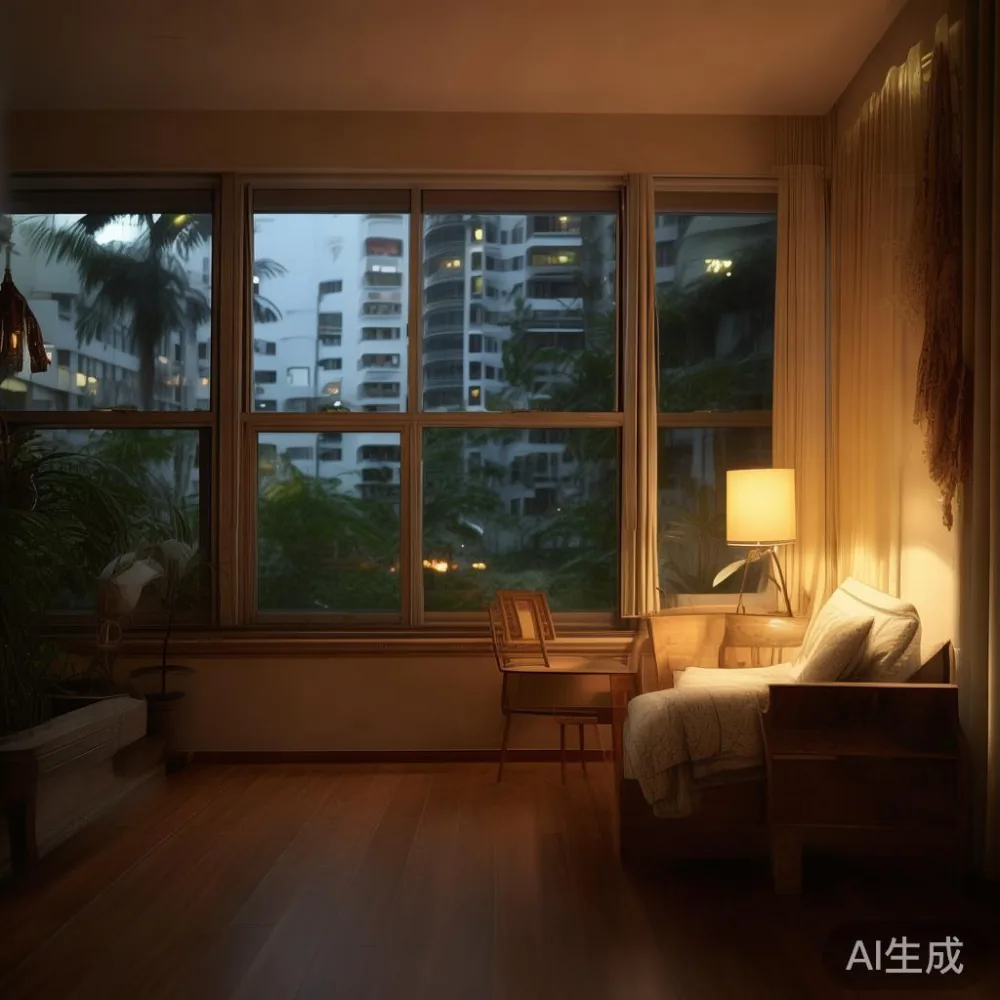
Three numbers worth memorising: keep ambient RH between 45 and 60 percent, keep room temperature between 22 and 26 degrees Celsius, and keep your lacquered surface at least 15 cm away from any direct airflow from the air-conditioner. A 25 sqm HDB living room typically needs a 12 L/day dehumidifier during the November to January monsoon, which adds about S$18 to S$25 to your monthly electricity bill.
The First 30 Days: Acclimatising a New Piece in Your HDB
New lacquered furniture arriving from Foshan has spent 14 to 21 days in a shipping container. Container humidity routinely hits 85 percent, so the wood reaches Singapore already slightly swollen. Before you set the piece on the engineered timber, vinyl, or homogeneous tile that 8 out of 10 Singapore homes use, let it stand in the room for 48 to 72 hours. Remove all packaging foam, leave the protective felt film on horizontal surfaces for the first 24 hours, and run the air-conditioner or a fan on low. Do not place a MIDHILL solid wood sofa, dining table, or wardrobe directly under the air-con louvre; the cold air stream drops surface moisture too fast on one side and creates the cupping you sometimes see after just six months.
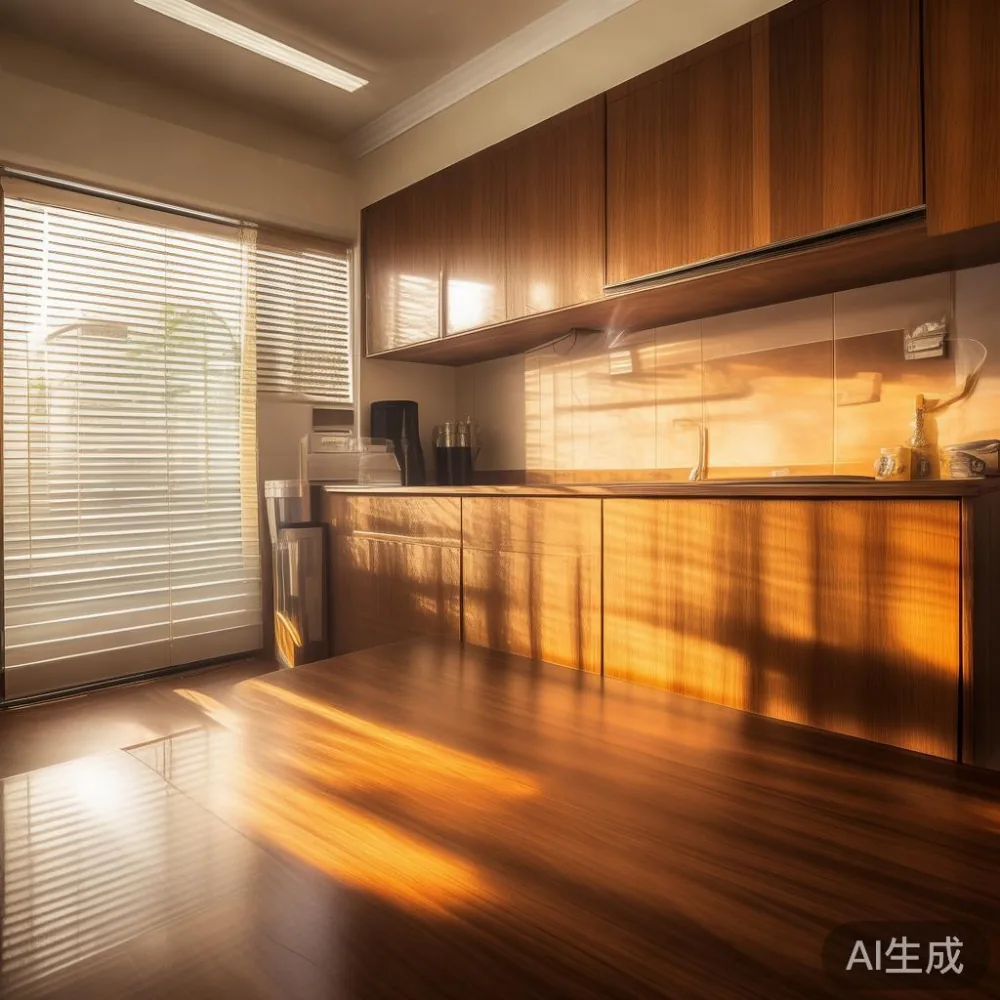
If you live above the 10th floor, your windows take more afternoon sun. Pull the blinds halfway between 1 pm and 4 pm. UV exposure is the single biggest reason a French light luxury marble table top develops a yellow tone within two years. Marble, by the way, has its own care rules in Singapore and pairs best with lacquered wood kept below 60 percent RH to prevent the wooden base from warping.
The Weekly Routine: 15 Minutes, Three Cloths, One Spray Bottle
You only need four things. A microfibre cloth (the 30 by 30 cm type from any Sheng Siong aisle). A second dry microfibre cloth. A small spray bottle. And a pH-neutral wood cleaner, roughly S$14 to S$22 for 500 ml, that explicitly states it is safe for lacquered or polyurethane finishes. Anything containing silicone, ammonia, or citrus solvents will soften the film within weeks.
Spray the cloth, never the surface. Two sprays, no more. Wipe along the grain in 30 cm strokes. Buff dry with the second cloth within 20 seconds. For fabric care for entryway benches and the upholstered edge of a solid wood sofa, vacuum weekly with a soft brush at 800 to 1,200 Pa suction, then wipe the wood frame only. Entryway benches catch the most humidity because the door is opened 20 to 40 times a day. A 3 cm felt pad under each leg cuts ground moisture transfer dramatically.
How do I care for a queen bed in humid weather?
A queen bed in humid weather needs the room kept at 45 to 60 percent relative humidity, the mattress aired for 20 minutes every morning, and the lacquered headboard wiped with a barely damp microfibre cloth once a week, finishing with a dry buff within 20 seconds.
That direct answer covers the core. Now the detail. A queen bed frame, typically 152 by 200 cm in Singapore stockists, sits with its headboard against an exterior wall in roughly 60 percent of HDB master bedrooms because of the standard layout. Exterior walls in HDB blocks run 3 to 4 degrees cooler at night, which means condensation forms right where your headboard meets the plaster. Leave a 2 cm gap by pulling the frame 5 cm off the wall, and run a small USB fan on the lowest setting for two hours after you wake up. For the slats, vacuum monthly. For the lacquer, follow the 15-minute weekly routine above. Rotate the mattress every three months by 180 degrees, never flip a pocket-spring queen unless the manufacturer label says so.
Monthly and Seasonal Tasks Singaporeans Often Skip
Once a month, inspect the underside of every lacquered piece. Lift a 1.6 m dining table onto two padded stools so you can check the corner blocks and the underside of the top. Look for dark spotting, which signals mould inside the finish, not on it. If you spot any, call the maker. MIDHILL offers lifetime refinishing on structural components, which means a regional workshop partner can usually arrange a top-up lacquer coat for SGD 80 to S$180 per surface within 14 working days of inspection. Most other brands will tell you to buy a new piece.
Seasonally, the December to February monsoon is when Singapore RH peaks. Place a digital hygrometer (about S$12 from any electronics chain in Bedok Mall or Tampines Hub) at wardrobe height, never at floor level. Wardrobes breathe through their top panels more than people realise, so keep the top 20 cm clear. Never stack luggage on a wardrobe top; the 8 to 12 kg of a packed 28-inch suitcase on one corner creates a stress point the lacquer cannot forgive. For nightstands, the 45 by 40 by 50 cm size used in most Singapore bedrooms, lift them 4 cm off the floor on tiny rubber feet and you will see mould patches disappear within a single monsoon.
What to Avoid: Common Mistakes I See in Local Homes
Placing rubber-backed mats directly on lacquer. The rubber off-gases in heat and leaves a permanent dark patch that cannot be buffed out. Use only cotton, felt, or natural rubber mats. Leaving a wet ceramic vase on a dining table. A glass of iced lemon water at 4 degrees Celsius sitting on lacquer at 28 degrees Celsius creates condensation in 90 seconds. Always coaster, and use one at least 30 cm wider than the glass base. Using Pledge or similar spray polishes. These silicone-based products build up a film that looks glossy for a week and then attracts dust so stubbornly that the next cleaning removes micro-layers of the actual lacquer.
Another frequent error: treating a solid wood bed frame like a bunk bed replacement. Two adults plus a 1.8 kg memory foam topper is roughly 165 kg point load on a queen slat system. Solid hardwood slats from a quality maker handle that easily, but cheap laminated veneer slats from SGD 299 sets will sag at the centre within 18 months. Lift the mattress every six months and check that no slat has moved more than 3 mm. If one has, tighten the keeper bars with a 10 mm socket. The same applies to lift-up storage beds; the gas struts on a queen storage bed typically have a 25,000-cycle rating, which means roughly 14 years of daily use before replacement at about S$45 per strut.
The Light Luxury Angle: Why Lacquered Pieces Age Gracefully
French light luxury and American light luxury design share a quiet confidence: a small space deserves one beautiful object, not five crowded ones. A single lacquered solid wood dining table in a 1.4 by 0.8 m footprint anchors a four-person HDB dining nook better than any extending leaf table. Post-modern light luxury leans into soft-close drawer slides, mitred corners that hide the end grain, and a satin 12 to 18 degree sheen that forgives the micro-scratches of daily Singapore life far better than a high-gloss 90 degree piano finish.
If you are choosing between finishes for a small space, satin lacquer is the most forgiving. High-gloss lacquer looks stunning for the first six months and shows every fingerprint, water ring, and 2 mm scratch in raking afternoon light. Matte lacquer hides more, but reads slightly chalky and is harder to spot-repair. Satin hits the sweet spot for Singapore light.
When to Call a Specialist Instead of Reaching for the Cloth
Some damage is not a weekend project. Deep white rings that do not buff out within two minutes, hairline cracks longer than 5 cm, lifting at corners where the substrate shows, or any fungal smell from inside a wardrobe are signs you need a professional. MIDHILL's lifetime refinishing promise means most cosmetic issues on their lacquered bed frames, dining tables, and nightstands can be resolved by sanding back to raw wood and re-lacquering with a matching 20-degree satin, usually within 14 working days of inspection and for under S$260 per square metre of affected surface. Outside warranty, a Singapore-based restorer typically charges S$120 to S$180 per hour plus materials, with a minimum call-out of about S$90.
Before you call, photograph the piece in daylight and at night, note the humidity reading, and check the warranty card. The 10-year structural warranty that comes with quality lacquered solid wood covers joint failure, warp greater than 6 mm across a 1 m span, and lacquer delamination on wear surfaces. It does not cover sun fade, water rings from neglect, or damage from rubber mats. Knowing the line saves a long argument.
A Two-Year Care Plan You Can Stick On the Wall
Week 1: hygrometer, four felt pads, two microfibre cloths. Week 2: 48-hour acclimatisation before placing any new piece. Monthly: 15-minute wipe, vacuum slats and shelves, inspect undersides. Quarterly: tighten any visible hardware, rotate mattress, check wardrobe tops. Yearly: professional inspection if the piece sits within 2 m of a window or an exterior wall. Every 5 to 7 years: expect a light re-lacquer on horizontal surfaces in a sunny position.
That rhythm costs less than S$60 a year in materials and adds a decade to the life of every lacquered piece you own. Priya's Punggol dining table, by the way, is now 11 months old, sits on 30 cm felt pads, and has a hygrometer tucked inside the sideboard drawer. The white ring has not returned. Her neighbour downstairs, running the same MIDHILL wardrobe without a dehumidifier, has fine clouding on the inner doors. Same product. Two routines. Two outcomes.
Lacquered solid wood furniture in Singapore is not fragile. It is specific. Treat humidity as the fourth dimension of design, give your pieces 15 minutes a week, and they will outlast three lease cycles and at least one en-bloc sale.