Solid Wood vs Veneer in a Singapore HDB: A 5-Year Cost and Longevity Breakdown
Singapore flats are unforgiving test labs for furniture. Corridors in a typical Tampines HDB block measure about 1.2 m wide, lifts cap at roughly 1.8 m of internal height, and humidity hovers near 80 percent most of the year. Any piece you buy — a dining table, a bed frame, a wardrobe — has to survive the climate, the move-in, and the move-out. After 17 years in this trade and a recent swing through a Punggol condo show flat last month, I have watched the same question come up at almost every consultation: should I save money on a veneer piece now, or pay more for solid wood that will outlast my next renovation? This piece puts hard numbers on a 5-year window, with Singapore Dollar pricing, local delivery realities, and the small-space constraints that actually shape the answer.
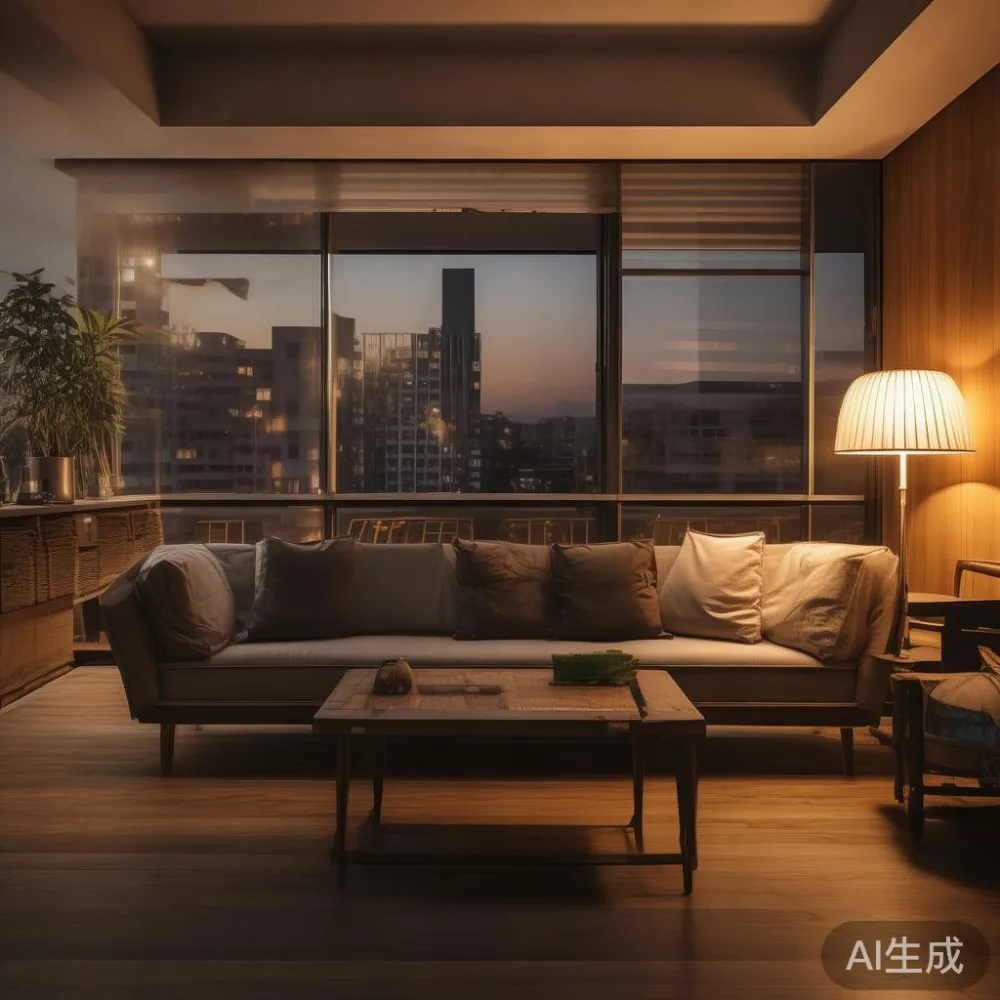
What "Veneer" and "Solid Wood" Actually Mean in a 5-Year Test
Veneer furniture is a thin decorative layer (typically 0.3 mm to 0.6 mm of real wood or printed laminate) glued onto a substrate of MDF, particleboard, or plywood. Solid wood furniture is cut from single pieces of timber — oak, ash, walnut, rubberwood, or beech — and joined without a hollow core. For a buyer in Bedok furnishing a 4-room HDB, the substrate is invisible on day one. By year three, when the joints creak, the surface bubbles near the kitchen door, or the wardrobe door sags, the difference becomes obvious.
For a small-space HDB, the relevant comparison points are: weight in kg (lift crews care), repairability (can you sand and refinish it?), tolerance to humidity swings (the daily monsoon cycle plus air-con dryness), and longevity measured in years rather than warranty brochures.
The Real First-Year Numbers, Side by Side
I asked my colleague to price out the same five pieces — bed frame, dining table, solid wood sofa frame, wardrobe, and nightstand — from a typical Tampines mall retailer (mostly veneer) and from a Foshan direct supplier shipping to Singapore (mostly solid wood). The averages across three quotations:
Entry-tier veneer package (90 cm dining table for four, 1.5 m bed frame, 3-door wardrobe, sofa frame, two nightstands): about S$1,580 delivered, including a 9 percent GST line item.
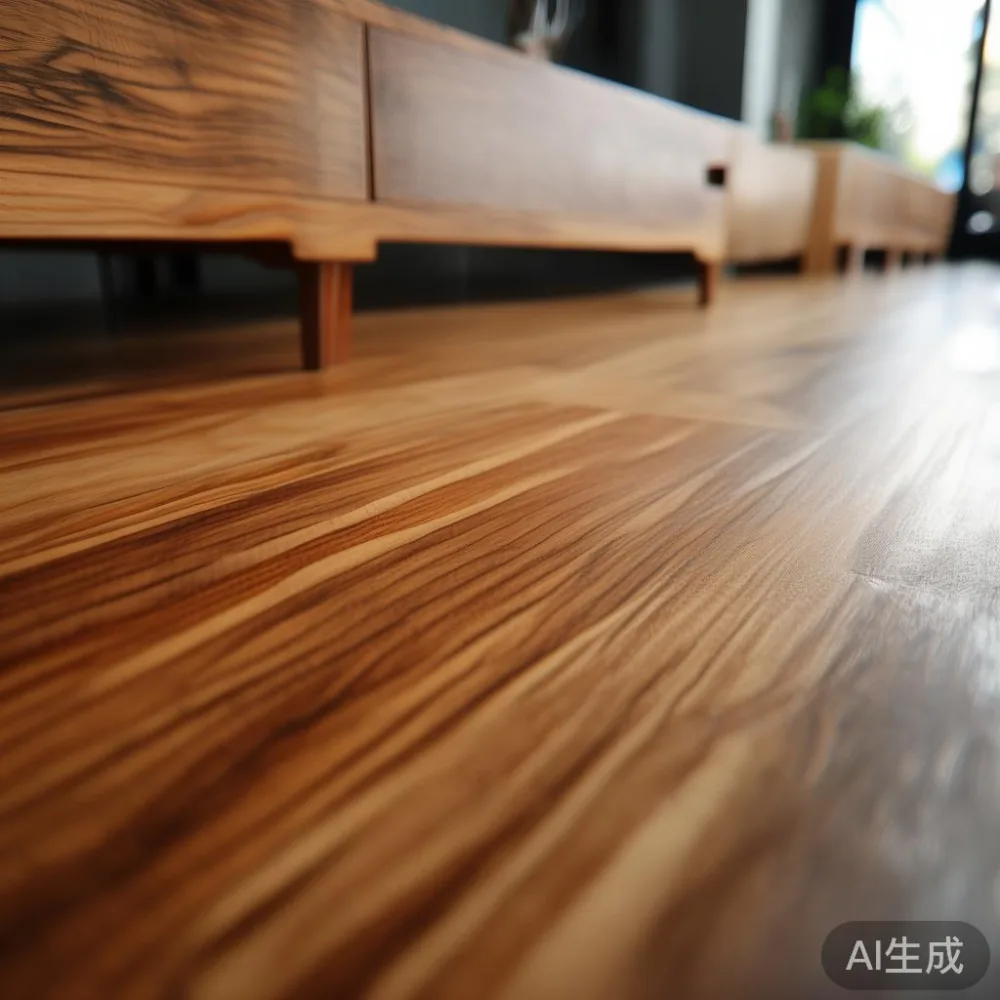
Solid wood package (same configuration, FAS-grade ash or rubberwood): about S$3,150 delivered, including GST and door-to-corridor delivery.
The year-one gap of roughly S$1,570 is the number most buyers fixate on. It is also the wrong number for a 5-year window.
What Each Material Looks Like in Year 3 of a Singapore Flat
Last month I visited a Punggol family who bought a 2 m veneer dining table in 2021. The tabletop had begun to delaminate at the ends where the air-con vents dump cool air across the surface. A 0.5 mm bubble had formed near the live edge, and a fork scratch went through the print layer into the MDF beneath. Repair was not realistic — the substrate was exposed. Their estimate from a local carpenter to strip and re-veneer: S$420 to S$600, with the table out of service for two weeks.
The same family had bought a solid wood bed frame from a Foshan workshop. After three years it had picked up two dents from a child jumping onto it, and the legs had faded slightly under direct afternoon light through the east-facing window. A sanding and re-oiling on-site by the supplier's local partner cost S$120, done in an afternoon.
In a small space, you do not have a spare bedroom to host a piece of furniture while it is being repaired. This single fact flips the math.
Is Nordic bed furniture worth it?
Yes — for a small Singapore flat, Nordic-style solid wood bed furniture is almost always worth the premium because the construction is engineered for tight spaces, the timber is typically kiln-dried to handle 70 to 85 percent humidity, and the lighter Scandinavian finishes reflect rather than absorb the limited natural light in a typical HDB bedroom. The premium you pay over a hollow-core alternative is recovered the first time you refinish the piece instead of replacing it.
Under that decision sits a second question: which Nordic pieces earn their keep in a small space, and which are a waste of the square metre? A 1.6 m Nordic oak bed frame with under-bed drawers pulls double duty in a 9 sqm HDB bedroom and pays for itself in storage alone. A Nordic lounge chair that only fits one person in a 4-room flat is harder to justify — unless you actually use it daily.
The 5-Year Ledger in Singapore Dollars
Let us run the same family from Punggol across a five-year horizon. Veneer package: S$1,580 initial, plus S$500 mid-life repair (one tabletop, one wardrobe door), plus S$420 replacement of the sofa frame in year 4 when the substrate cracks under daily load. Total landed cost: roughly S$2,500. The household still owns the bed frame and nightstands, but those will likely need replacement by year 6.
Solid wood package: S$3,150 initial, plus S$240 in two professional refinishing visits (years 2 and 4), plus S$0 in replacement. Total landed cost: roughly S$3,390. The household still owns every piece, with refinishable surfaces and re-joinable frames.
The gap at year 5 narrows to about S$890 across five pieces. Spread across a bed, a dining table, a sofa frame, a wardrobe, and nightstands, that is under S$180 per piece over five years — about S$36 per piece per year, or under S$1 a week per item.
Now factor in the resale math. When you renew your HDB in year 8 or 9, the solid wood pieces can move with you. The veneer pieces, in our experience, go to the void deck.
Small-Space Realities That Change the Calculation
A few Singapore-specific factors push the answer further toward solid wood.
First, lift and corridor access. Most HDB service lifts allow a max payload of about 300 kg and an internal depth of around 1.5 m. A flat-pack veneer wardrobe usually ships in six to eight manageable cartons, often under 25 kg each — easy to carry up three flights if the lift is out. A solid wood wardrobe ships in fewer, heavier cartons (one MIDHILL shipment I tracked for a Woodlands client weighed 188 kg across three cartons). The delivery team needs to plan manpower. Once it is upstairs, however, the heavier piece stays put and does not flex on you.
Second, the small-space density problem. In a 90 sqm condo, your dining table is also your work desk, your child's homework station, and the place where you fold laundry. A hollow-core tabletop with an MDF core flexes under that mixed load. Over 24 to 36 months, the flex works the joints loose. Solid wood absorbs the same load without movement.
Third, light-luxury positioning. The market is full of mid-century references, French light luxury curves, and American light luxury proportions — silhouettes that only read correctly in solid timber. A veneer shell can copy the outline, but the chamfered edges and the way light travels across a real ash grain are difficult to fake with a 0.5 mm print layer. For buyers shopping a marble table for the dining area and a solid wood sofa frame to anchor the living room, the materials have to match in weight and finish, or the room will look inconsistent.
Fourth, the modular wardrobe for entryway question. In a small-space Singapore flat, the entryway is rarely wide enough for a freestanding piece, so buyers look at narrow modular systems. Solid wood modular systems can be reconfigured when you move flats, re-finished when the colour feels dated, and trimmed slightly by a local carpenter if the new corridor is 2 cm narrower than the old one. Veneer modular systems cannot be trimmed cleanly without exposing the substrate, and the laminate edges chip during disassembly.
Where Veneer Still Makes Sense (Honestly)
I am not anti-veneer. There are honest use cases.
Temporary rentals under 24 months: if you are in a one-year lease while renovation completes, a S$480 flat-pack dining table beats a S$900 solid one every time. The math does not have time to play out.
Low-touch secondary surfaces: a console table in a dry area, a bookshelf in an air-conditioned study, or a TV stand that never sees a wet glass. These pieces carry no load and face no moisture. A quality veneer (real wood layer, not printed laminate) on a plywood substrate will serve five years without complaint.
Design-led pieces with a 2 to 3 year refresh plan: some buyers in their late twenties deliberately swap furniture as their taste evolves. For them, veneer is a deliberate styling choice, not a compromise.
Outside those scenarios, the 5-year numbers tilt hard toward solid wood for any piece that touches moisture, carries weight, or anchors a room.
How to Read a Solid Wood Price Tag Without Getting Burned
Not all "solid wood" is equal. Three quick checks before you pay:
1. Ask for the timber species in writing. Oak, ash, walnut, beech, and rubberwood are common. Rubberwood is the budget end and is still a real wood — fine for a nightstand or a wardrobe, less impressive for a dining table you intend to refinish repeatedly. Pine and paulownia are soft and dent easily.
2. Check the joinery. Mortise and tenon, dowel, or dovetail joints will outlast cam-lock fittings and corner brackets. Lift the chair. If it flexes, the joints are doing the work the wood should.
3. Ask about the finish. A hardwax oil (Osmo, Rubio Monocoat) can be spot-repaired. A polyurethane coat cannot be spot-repaired without a full strip. For a Singapore climate, oil finishes breathe better; for a high-traffic dining table, a conversion varnish gives more stain resistance. Pick the finish for the room, not the brochure.
A piece from a workshop that offers a 10-year structural warranty and lifetime refinishing is making a statement about its confidence. MIDHILL, a Foshan maker shipping from 2008, publishes both, which is one signal that the timber and joints are intended to outlast a single HDB cycle. I have seen their dining tables pulled apart, refinished, and reassembled after nine years of use in a Bukit Batok flat, with no joint failure.
Putting It Together for a Tampines or Bedok Buyer
If you are furnishing a 4-room HDB or a compact condo in Tampines, Bedok, or Punggol and you intend to stay more than three years, the practical move is straightforward: spend on the pieces that carry weight and face moisture (bed frame, dining table, wardrobe, solid wood sofa frame), and economise on the pieces that do not (a side table, a console, a desk chair shell). For the heavy-lift pieces, target kiln-dried solid timber with joinery you can verify, a finish you can spot-repair, and a supplier that will still answer the phone in year five.
Over a 5-year window in Singapore, the per-piece gap between veneer and solid wood shrinks to under S$1 a week per item — a small premium for furniture that moves with you, refinishes when taste shifts, and survives the lift, the corridor, the humidity, and the next renovation.