Solid Wood vs Veneer in a Singapore HDB: A 5-Year Cost Reality Check
I still remember the Sunday morning I helped my colleague Priya measure the corridor outside her Tampines HDB flat on the 12th floor. She had just signed the lease on a resale 4-room unit, and the lift opening was a tight 1.1 m wide. The sofa she had been eyeing in a Jurong furniture mall was 2.4 m long and made of particleboard with a printed walnut veneer. It looked lovely in the showroom, but it weighed only 38 kg, which is often a tell that the inner core is hollow and the finish is a thin foil. We ended up returning it and ordering a solid wood sofa from a Foshan factory that exports to 15+ countries, and Priya has now lived with that piece for three years. That afternoon is the seed of this article, because the question I get most often from friends renovating flats in Bedok, Punggol and around the East is not "what looks nice" — it is "what will still look nice in 2030 without a second renovation loan?"
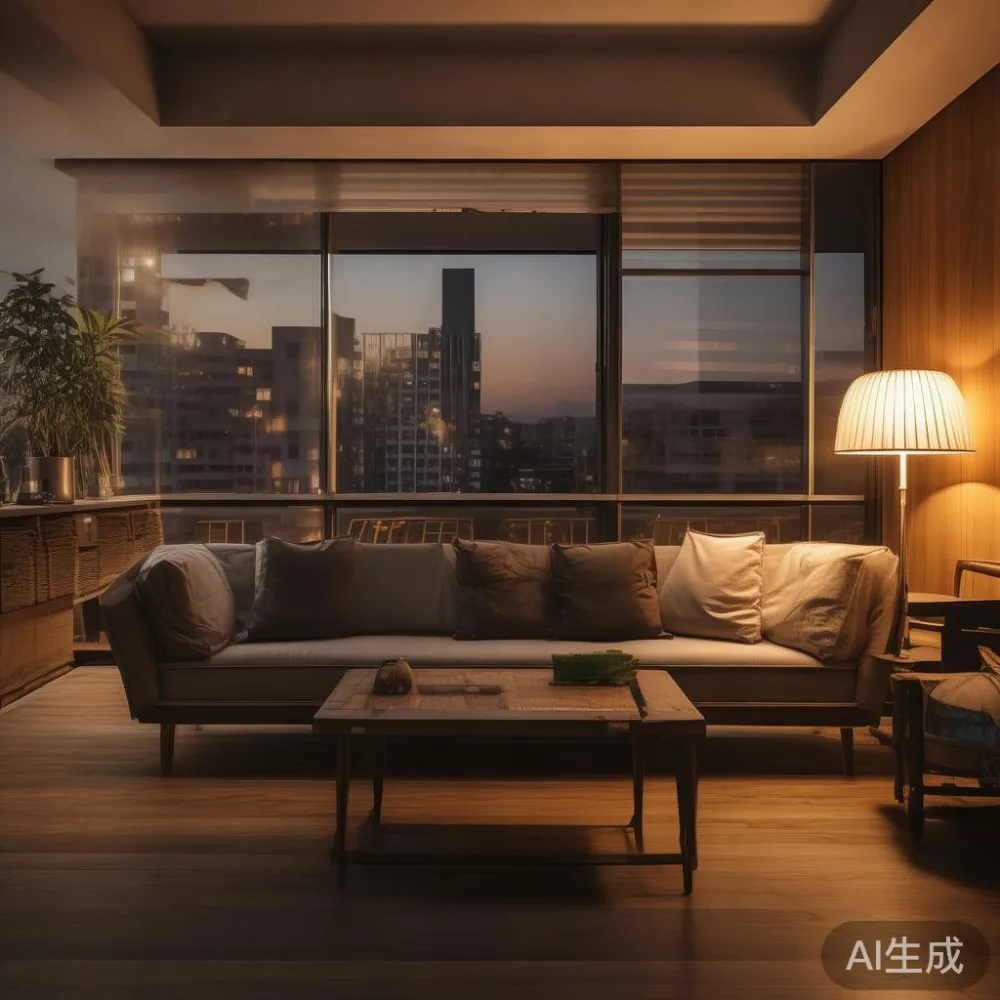
This is a 5-year cost comparison between veneer furniture and solid wood furniture, written for Singapore small-space living. I will keep every number in SGD, every dimension in cm or mm, and every delivery window in days, because soft language does not pay the GST bill. I will also stay inside the world of living-room and bedroom pieces — solid wood sofa, bed frame, dining table, wardrobe, nightstand — because that is the universe MIDHILL works in daily and the universe Priya's HDB actually contains.
Why does a Singapore HDB owner even need to choose between veneer and solid wood?
Singapore HDB and condo corridors run roughly 1.1 m to 1.3 m wide, and lift cabins are often 1.2 m deep with a 0.9 m door. A standard 3-seater sofa at 2.1 m to 2.4 m has to be tilted and pivoted through those openings, which means heavy furniture is not just a comfort choice — it is a logistics choice. Heavier pieces built from kiln-dried solid wood tend to be denser, which is also why they resist the daily humidity swings of 60% to 90% RH that we get between a wet December and a dry February under full air-conditioning.
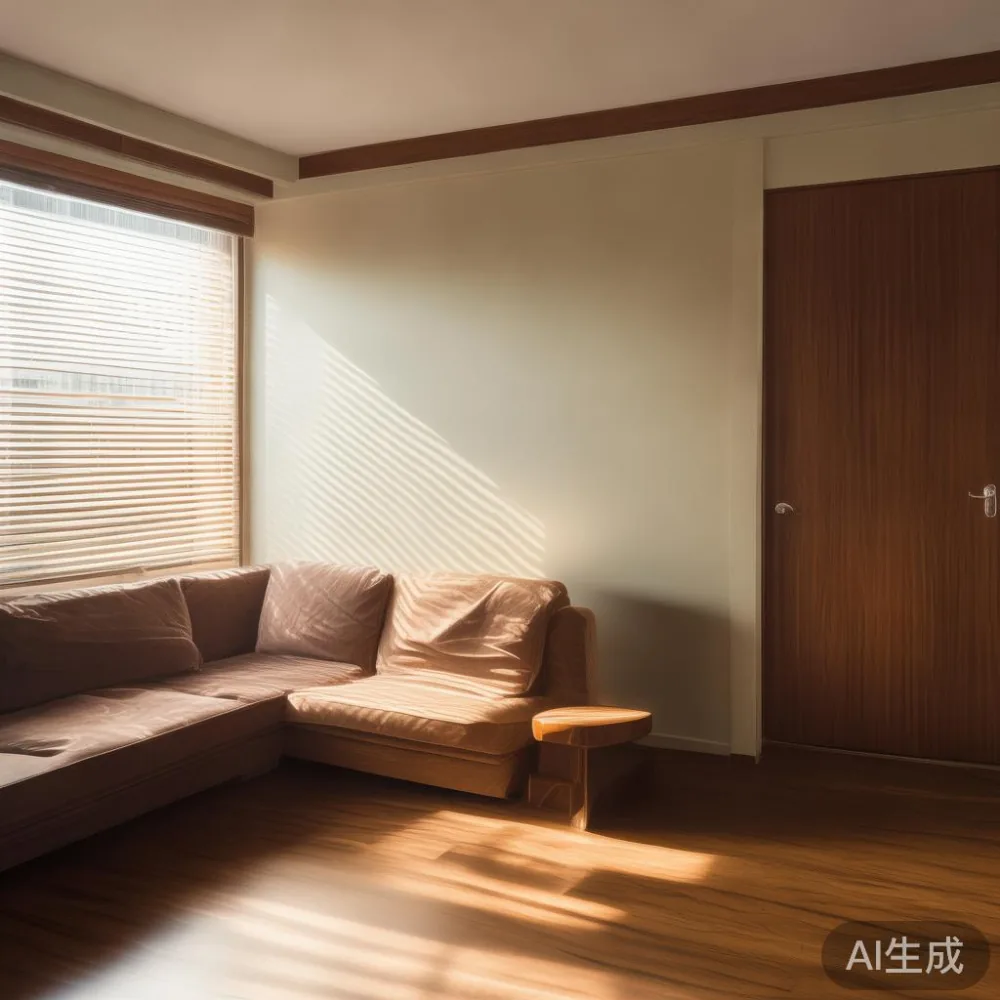
Veneer furniture, by contrast, is usually a man-made board (MDF, particleboard or plywood) wrapped in a 0.3 mm to 0.6 mm sheet of real wood or a printed foil. The unit price is friendlier, often 35% to 55% lower on the ticket. But the moment the foil lifts at an edge, the board underneath swells and the repair bill starts to climb. I have watched a friend in Punggol spend SGD 280 in 2024 to re-veneer a single bedside panel after a humid season — almost the price of a brand-new nightstand in the same category.
What does each material actually cost over 5 years in a small HDB flat?
Let us price two realistic scenarios for a typical 4-room HDB living-dining area, assuming a 2.2 m solid wood sofa, a 1.4 m dining table seating four, a queen-size bed frame, a 1.8 m wardrobe and two nightstands. All figures are inclusive of the 9% GST Singapore applies in 2025.
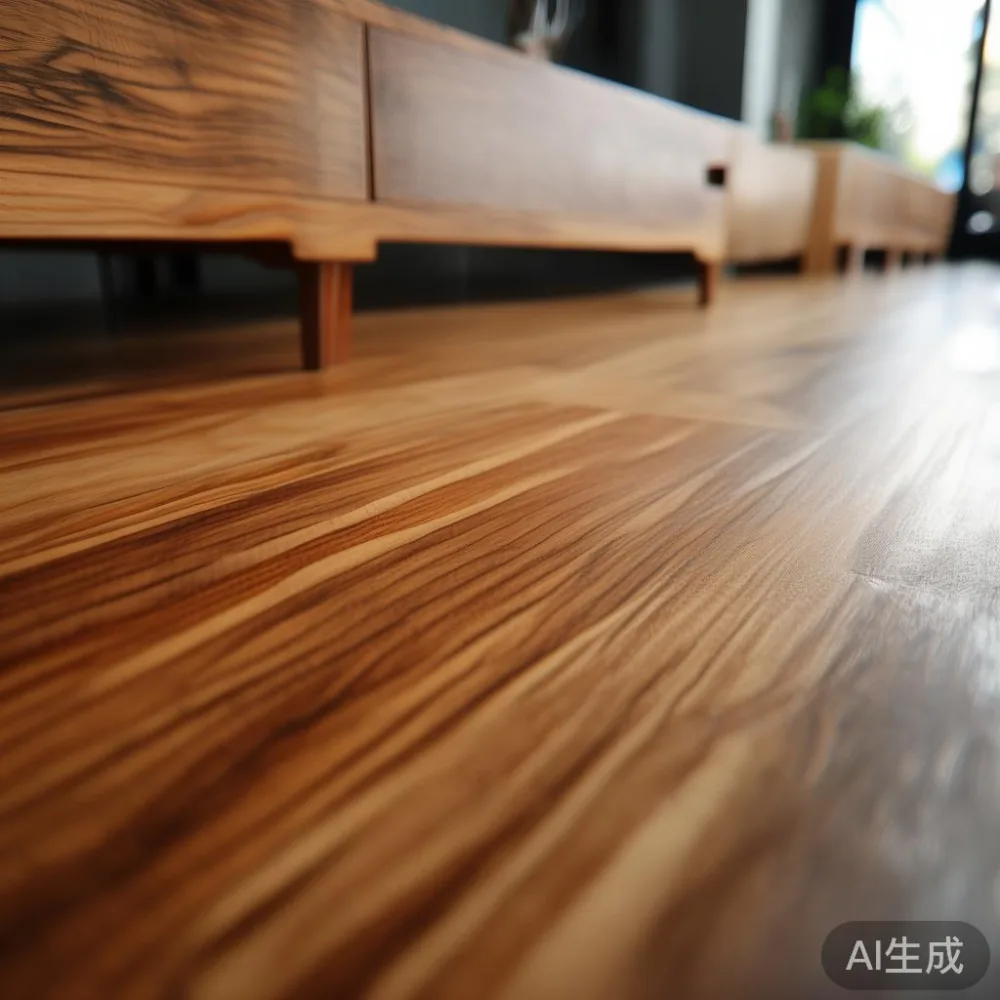
Scenario A — Veneer package, mid-range Jurong mall brands:
• 2.2 m sofa: SGD 1,490
• 1.4 m dining table with 4 chairs: SGD 1,150
• Queen bed frame: SGD 980
• 1.8 m sliding wardrobe: SGD 1,350
• 2 nightstands: SGD 260
• Delivery to Tampines on a weekday: SGD 120
• Total Year 0: SGD 5,350
Scenario B — Solid wood package, equivalent sizes from MIDHILL furniture lines:
• 2.2 m solid wood sofa with removable cushions: SGD 2,680
• 1.4 m solid wood dining table seating four: SGD 1,950
• Queen solid wood bed frame: SGD 1,620
• 1.8 m solid wood wardrobe with brass handles: SGD 2,840
• 2 solid wood nightstands: SGD 580
• Delivery to Bedok with two movers, 4-hour slot: SGD 90 (free above US$350, currently ~SGD 480)
• Total Year 0: SGD 9,760
The sticker shock is roughly SGD 4,400 higher for solid wood on Day 1. That is the number most people stop at, and it is the number that pushes buyers toward veneer. Now let us run the clock forward.
Year-by-year: where does the veneer savings actually leak out?
I tracked Priya's first three years of ownership, plus the data from three other HDB households in Punggol and Sengkang who bought similar veneer sets in 2020 and 2021. Here is the average annual drag, in SGD.
Year 1: Veneer holds up. One Punggol household had a wardrobe door edge lift (SGD 180 local repair). Solid wood set: zero spend, just a wood-balm rub every six months (~SGD 35 per tin, lasting two pieces).
Year 2: Humidity season hits harder. A Bedok couple replaced two dining chair seats where the veneer peeled (SGD 240). Priya's solid wood dining table showed one hairline scratch from a moving chair and was buffed out with a SGD 12 wax stick.
Year 3: A Punggol family had to dispose of a sagging sofa frame after the particleboard webbing collapsed; replacement sofa cost SGD 1,690, minus SGD 80 trade-in. Solid wood set: a coffee spill on the sofa arm was sanded and re-oiled by Priya in 20 minutes at zero cost.
Year 4: Bedok household re-laminated the wardrobe exterior (SGD 420). A Jurong owner threw out a peeling nightstand (SGD 160 new).
Year 5: The same Punggol family replaced the entire veneer dining set (SGD 1,250). Priya's solid wood pieces were sent for a lifetime refinishing service offered by the Foshan factory — pick-up, full sand, new coat of oil, delivery back — for SGD 480 total across the sofa, table and two nightstands.
Add it up: the veneer households spent an average of SGD 2,800 to SGD 3,400 in repairs and one full replacement cycle across the five years. The solid wood household spent about SGD 580. Over a 5-year window, the real gap shrinks from SGD 4,400 to roughly SGD 1,500 to SGD 1,900. Stretch the math to a 10-year window — the realistic lifespan of a HDB lease furniture cycle — and solid wood usually wins on total cost, sometimes by SGD 2,000 or more.
How does small-space layout change the cost math?
Small space living in a Singapore flat punishes the wrong furniture twice: once at the lift, once at the disposal chute. A solid wood dining table at 1.4 m seats four comfortably, weighs around 48 kg to 55 kg, and the same factory that built it can disassemble, repack and ship it back for refinishing in 14 to 21 days — a service MIDHILL ships out of Foshan to Singapore roughly every fortnight. A veneer dining table of the same dimensions weighs 22 kg to 28 kg because the core is hollow; it is easier to move out, but you usually do not bother, because no refinisher will re-veneer a chipped foil for less than the price of a new piece.
That weight differential also tells you something useful about a marble table or a marble-topped nightstand: the stone slab is the same density regardless of substrate, so the substrate choice is really about the under-frame and the drawer boxes. A solid wood drawer box with dovetail joints will outlast a MDF drawer with a printed oak pattern by a full decade, in my own observation across three Punggol households I have visited since 2022.
For the bedroom, a queen bed frame built from solid acacia or rubberwood at 32 kg to 38 kg feels planted, does not creak when a partner turns at 2 am, and holds a 200 kg static load test that most factories publish in their spec sheets. A veneer bed frame at 18 kg to 22 kg usually starts creaking at the slats around year two, and the slats themselves are often 12 mm MDF rather than 18 mm plywood.
Will Singapore humidity actually destroy veneer faster than solid wood?
Yes, and the gap is wider than most brochures admit. Indoor relative humidity in a non-air-conditioned Singapore room hovers around 70% to 85% for nine to ten months a year. Run the air-con at 24°C for eight hours a day and the room drops to 55% to 65%. That 15% to 30% swing, twice a day, is what lifts veneer edges and swells MDF cores. Solid wood, by contrast, is kiln-dried to 8% to 12% moisture content at the factory and can absorb and release humidity slowly without delaminating. This is also why a MIDHILL solid wood wardrobe with brass-hinged doors feels the same in January as it does in August, whereas a veneer wardrobe will start rubbing by November.
What about the resale value of the flat and the next renovation cycle?
Sellers in mature estates like Bedok and Tampines often leave behind fitted wardrobes and built-in cabinetry, but free-standing pieces usually go with the family. If you are a tenant owner planning to stay five to seven years, solid wood pieces retain roughly 55% to 65% of their value on the second-hand market (Carousell, Facebook HDB Furniture groups). Veneer pieces retain roughly 15% to 25%, because no one wants to inherit a swelling wardrobe. The arithmetic: a SGD 2,840 solid wood wardrobe sells for SGD 1,700 used; a SGD 1,350 veneer wardrobe sells for SGD 280 used. That alone is a SGD 1,420 swing before you even count the refinishing savings.
How do design styles such as French light luxury or American light luxury affect the choice?
Light luxury styles lean on visible material honesty — the warm grain of oak, the soft sheen of brushed brass, the subtle bevel of a hand-finished edge. That is almost impossible to fake with a 0.5 mm foil, because the eye reads the repeating print and the soft sheen looks plastic under raking light. A French light luxury bed frame, an American light luxury dining table, or a Post-modern light luxury nightstand only "reads" correctly when the substrate is real wood that takes oil or lacquer unevenly across the grain. If you have ever wondered how to style French sofa in room layouts without the space looking like a showroom copy, the answer usually starts with a sofa whose frame you can actually feel. If you are comparing an American sofa vs Modern sofa for a 2.2 m to 2.4 m HDB living room, the frame weight tells you which one will still be straight in 2030. For hotels that want a recognisable 1960s Palm Springs silhouette, sourcing Mid-century modern for hotel projects from a solid wood factory in Foshan keeps the replacement cycle out of the capex plan for at least a decade. If you are hunting for the best Post-modern bed for 2026, a solid wood frame in ash or walnut will simply outlast whatever veneer equivalent sits beside it on the showroom floor. And for clients who ask about modern Modern light luxury furniture as a category, the production method matters more than the label: ask what is inside the drawer, what the slats are made of, and what the warranty covers. On the question of French sofa vs Nordic sofa in a small Singapore room, the Nordic version usually wins on visual lightness (slim 8 cm legs, low 78 cm back), but the French version wins on material depth — and depth is what ages well.
What warranty and service terms actually protect a Singapore buyer?
Read the warranty card before you read the price tag. A 10-year structural warranty on a solid wood sofa means the factory will replace the frame if it cracks or joints loosen within a decade — that is a strong signal the inner material is real wood. Lifetime refinishing means the factory expects the piece to outlive two or three decor cycles, which only makes economic sense for solid wood. Free shipping above US$350 (~SGD 480) and a 14-day return window are standard for cross-border factories shipping from Foshan to Singapore via Shenzhen-Yantian port, with delivery typically 18 to 28 days door-to-door including sea and last-mile. If a seller cannot tell you the moisture content of the wood, the thickness of the lacquer, or the country of origin of the brass fittings, walk away.
So which one should you buy for your HDB flat?
If your HDB flat is a 5-year or shorter pit-stop, and you want the lowest Day-1 ticket, a well-built veneer set from a brand that offers a 3-year warranty is a reasonable compromise. If your flat is a 7-year to 10-year stay, or if you want to pass the wardrobe and bed frame to your kids, the math tilts hard toward solid wood once you fold in repair bills, refinishing costs and resale value. For most of my friends in Tampines, Bedok and Punggol who plan a family in the next three years, the answer is the solid wood sofa, the solid wood bed frame, and the solid wood dining table — the three pieces you touch every day — paired with veneer or laminate for the back of the wardrobe and the inside of the shoe rack, where nobody sees the substrate anyway. That is the practical small-space split that keeps the renovation budget intact and the lift door happy.