How to Care for Lacquered Surfaces in a Tropical Climate (Without Ruining Your Small-Space Flat)
I learned the hard way that lacquered wood and Singapore humidity do not get along by default. Last month, I visited a friend's new 65-square-metre BTO in Punggol, and within six months of move-in, the coffee table she had bought from a Taobao seller was showing a faint white haze along the edges of the top panel. The culprit was not bad wood. It was polyurethane lacquer reacting to the 80–90% relative humidity we keep inside our air-conditioned flats every night, then sweating out moisture when the compressor cycled off. After two hours of inspection, a lint-free cloth, and a 1:4 dilution of isopropyl alcohol in distilled water, the haze came off. That visit is the reason I am writing this guide.
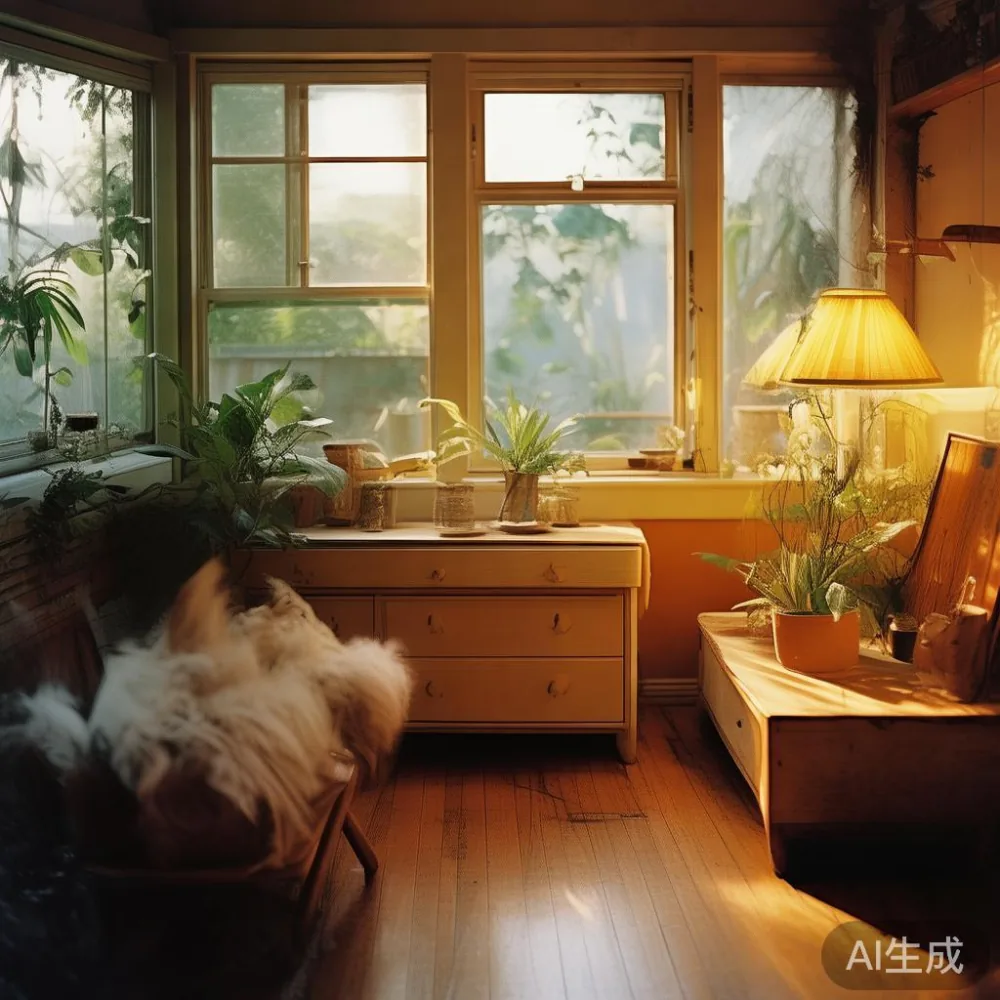
If you live in a Tampines four-room HDB, a Bedok resale, or a 48-square-metre condo in the Novena area, your solid wood sofa frame, bed frame, dining table, wardrobe doors, and nightstand tops are all quietly absorbing and releasing moisture every single day. Lacquer slows that exchange, but it does not stop it. When the seal fails — through a scratch, a heat ring from a hotpot, or a constant damp cloth left on the surface — the wood beneath begins to move. In a small space, every centimetre of furniture is working harder than it would in a landed patio, so the cost of neglect compounds faster. This guide is written for owners of solid wood pieces who want them to look quiet, calm, and expensive for the next ten to fifteen years, not just the first lease renewal.
Why does lacquered furniture behave differently in Singapore?
Lacquer is a film finish. It sits on top of the wood like a thin, glassy skin, usually between 0.04 mm and 0.12 mm thick when properly applied over sanded hardwood. The wood underneath is still hygroscopic — it wants to sit at an equilibrium moisture content of roughly 11–13% in our climate, which is much higher than the 6–8% target in most European factories. When you bring a solid wood dining table from a Foshan workshop into a HDB that runs the air-con at 23°C with the door closed, the table starts off dry. Within three to six weeks, it begins absorbing moisture from the air and expands across the grain. In a 120 cm × 70 cm table top, that can mean a width change of 2–3 mm. The lacquer stretches with it, but only so far. Micro-cracks form along the joints first, and that is where grey stains and lifting start.
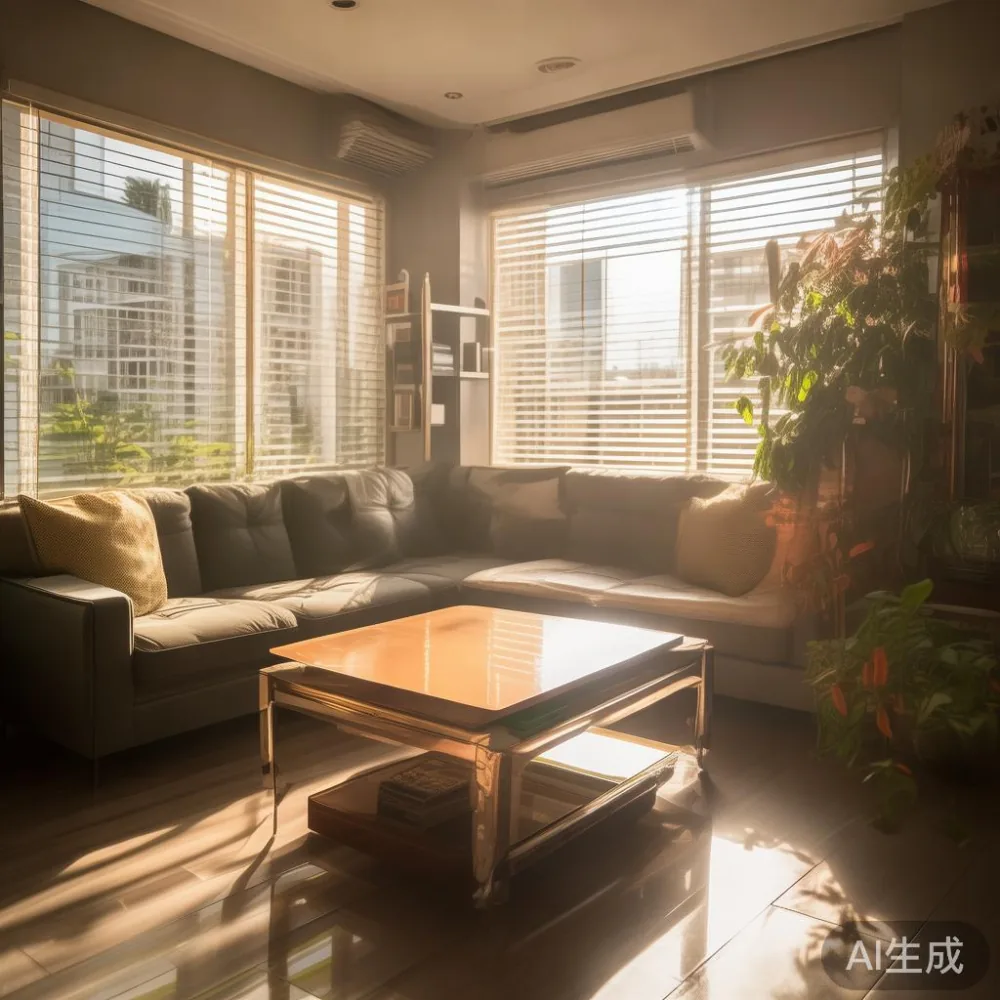
Singapore's specific problem is the swing, not the average humidity. We move from 55% in a heavily air-conditioned bedroom to 88% on the corridor outside the lift lobby, where the temperature is 30°C and the air feels wet. Every time you open the front door for a GrabFood delivery, that humidity differential passes over your solid wood bed frame, your wardrobe, and your Nordic entryway furniture korea inspired console. Light-luxury finishes — the French light luxury pale-oak look, the American light luxury warm-walnut tone, the post-modern light luxury high-gloss black — all use multiple coats of lacquer and a final polyester or UV-cured topcoat, and they each respond differently to that swing. A matte open-pore finish hides micro-cracks better than a piano-gloss one, which is worth knowing before you buy.
What is the right weekly routine for a lacquered dining table or coffee table?
Twice a week is enough for most small-space households. The job is to remove dust before it mixes with moisture and becomes a paste that etches the surface. Use a clean microfibre cloth — I keep a set of six 40 × 40 cm cloths in a drawer and rotate them so I am always using a dry one. Fold it into quarters, wipe with the grain, and replace the cloth when the first quarter looks grey. Skip feather dusters. They push dust into the air and let it settle back down onto the marble table next to it.
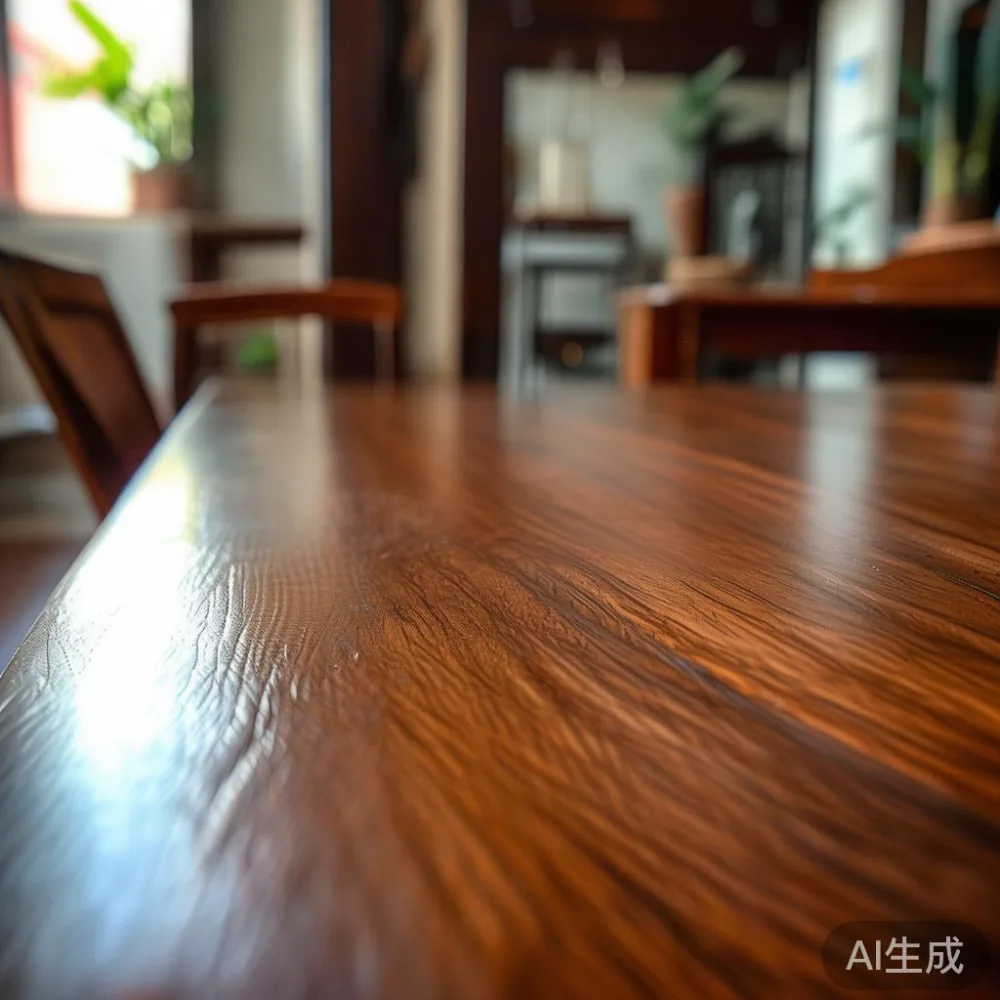
Once every two weeks, do a damp wipe with a well-wrung cloth. The cloth should feel cool, not wet. If you can squeeze water out of it, it is too wet. Use plain distilled water from the supermarket shelf — a 5-litre bottle costs about SGD 3.80 and lasts a small flat two months. Tap water in Singapore is relatively soft at around 40–80 mg/L calcium carbonate, but it still leaves a faint mineral ring if you let it pool. After the damp wipe, follow immediately with a dry cloth to pick up the residual film. Never leave a wet cloth on a lacquered surface, even for ten minutes. That is how the white haze I saw in Punggol starts.
How do I style a European corner sofa in a small apartment?
Pair a European corner sofa with a low lacquered solid wood coffee table, a slim 45 cm side table on the open end, and one statement floor lamp so the eye reads the corner as one calm block instead of five separate pieces. The frame of the sofa is the anchor; everything lacquered around it should be 4–6 cm lower than the seat cushion so sightlines stay open across the 2.4 m × 2.4 m zone most HDB living rooms allow after you subtract 80–90 cm for the TV console wall.
What cleaning products are safe, and which ones destroy lacquer in one wipe?
Three things are safe: distilled water, a neutral pH wood soap (the kind sold for hardwood floors in 500 ml bottles at SGD 18–25), and a high-quality paste wax applied once or twice a year. Everything else is a question mark. Avoid silicone polishes — they leave a film that looks great for a week and then traps moisture underneath, which is the number-one cause of the cloudy patches you see on second-hand wardrobe doors at the Sungei Kadut recycling yards. Avoid ammonia, bleach, vinegar straight from the bottle, and any multi-surface spray that lists "shine" or "streak-free" on the label. Those are formulated for glass and laminate, not for a 0.08 mm lacquer film over rubberwood or ash.
If you spill something, the rule is speed, not aggression. Blot, do not wipe. Wiping pushes the liquid across the lacquer and into the nearest joint. For red wine, soy sauce, or sambal — all three of which are everyday risks in a Singapore kitchen within 1.5 m of the dining table — blot with a dry cloth, then a damp cloth, then dry again. For oily stains, a tiny amount of neutral wood soap on a damp cloth will lift the oil without stripping the wax underneath. My colleague keeps a 200 ml spray bottle of diluted soap in the kitchen, mixes a fresh batch every three weeks, and has not had a single ring on her six-seater dining table in four years. That table cost SGD 1,840, so the math on the soap is good.
How should I handle heat, sun, and air-con drafts on lacquered pieces?
Lacquer dislikes three things more than anything else: direct afternoon sun, sustained heat above 40°C, and a constant blast of dry air from a split-unit pointed straight at the furniture. In a Tampines five-room flat, the afternoon sun comes through the west-facing windows from about 2 pm to 5:30 pm for nine months of the year. A solid wood bed frame sitting under that window with no curtain will yellow on the sun-facing side within four to six months. The fix is structural, not cosmetic. Use a 90% blackout curtain with a white thermal backing — a 140 cm × 230 cm panel costs SGD 35–55 at a local furnishing shop and pays for itself in the first avoided refinishing.
For air-con drafts, the danger is uneven drying. If your bed frame sits 1.2 m directly under a 9,000 BTU split-unit that runs at 22°C for eight hours a night, the headboard will end up at 5–7% moisture content while the foot of the bed sits at 11%. That gradient causes a slight cup on the headboard panel and, over two to three years, hairline cracks in the lacquer along the top edge. The simple fix is to deflect the airflow. A 30 cm deflector pad on the louvre, or simply shifting the bed frame 30 cm sideways, restores even drying. MIDHILL ships most of its lacquered wardrobes and nightstands with a care card that flags this exact issue, and the note comes from real warranty claims, not from a marketing department.
Hot items are the easiest to manage. Use coasters under every mug, every hotpot, every laptop. A 14-inch laptop running Zoom calls for two hours can hit 45°C on the bottom panel, which is hot enough to soften a polyester topcoat and leave a permanent ghost ring. Coasters are SGD 2 each at any Daiso; the table they protect cost between SGD 1,200 and SGD 3,800 depending on size and timber.
What about scratches, ring marks, and small repairs in a HDB flat?
Surface scratches under 0.3 mm wide can be blended with a wax stick matched to the finish. A 12-colour wax stick set costs about SGD 28 at HomeFix, and one stick will handle five to ten minor repairs. Melt a small amount with a hairdryer on low, press it into the scratch with a plastic spatula, and buff it flat after five minutes. For deeper scratches that catch a fingernail, a furniture marker matched to your timber is a better option. The American light luxury warm-walnut and French light luxury pale-oak tones are both widely stocked in Singapore because so many condo developers specify them.
White haze rings from mugs usually mean the wax underneath has been displaced, not that the lacquer is gone. Buff the area firmly with a soft cloth and a pea-sized amount of paste wax. If the ring is older than a few weeks, a 1:4 dilution of isopropyl alcohol in distilled water on a cotton pad, used for no more than five seconds, can sometimes lift the moisture out from under the lacquer. Test on the underside of a table leaf or the back of a nightstand first. If the finish softens or smears under the alcohol, stop immediately and call a refinisher.
How does MIDHILL's warranty and refinishing promise actually work for Singapore buyers?
For a Singapore buyer, the practical benefit is the lifetime refinishing offer that comes with every solid wood sofa frame, bed frame, dining table, wardrobe, and nightstand. Lacquer is not magic — at some point, usually year eight to twelve in our climate, even a well-cared-for topcoat will need to be sanded back and re-coated. The factory in Foshan handles that process for a shipping-and-handling fee only, and round-trip delivery to a Singapore consolidator typically adds SGD 180–260 to the bill. Compared with a local refinisher charging SGD 400–700 for a single dining table top, the math is clear, and the colour match is exact because the original factory mix codes stay on file. The 10-year structural warranty covers joint failure, drawer runner collapse, and warp beyond 4 mm across a 1 m panel — the kind of defect that signals bad seasoning, not bad care.
How do I keep a small-space flat from feeling crowded with solid wood pieces?
Stick to a rule of thumb I use after staging more than thirty HDB and condo units in the east: no more than four major lacquered pieces in a 50-square-metre living-dining zone. A solid wood sofa frame, a dining table for four, a sideboard, and one accent piece — usually a marble table with a black metal base — is plenty. Anything more than that and the room starts to fight itself. The light-luxury positioning of post-modern light luxury finishes helps here: their soft, low-reflectance surfaces read as quiet rather than heavy, so a 160 cm × 80 cm dining table feels like 140 cm × 70 cm when paired with a matte bench instead of four upholstered chairs. Choose pieces with legs you can see under. A solid wood bed frame with a 25 cm under-clearance stores two slim storage boxes and keeps the floor plane visible, which is the single biggest visual gain in any small-space layout. MIDHILL's catalogue is built around this logic — most of its wardrobes are 180 cm tall rather than 220 cm, specifically so a 2.7 m HDB ceiling does not feel squeezed, and most dining tables top out at 180 cm long so two chairs can pull out fully into a 90 cm walkway between the dining zone and the kitchen counter.
Are there any habits that are slowly destroying lacquer even if everything looks fine?
Three silent killers. The first is the dry-club habit of placing a 30 cm standing fan directly behind a wardrobe. The constant low-humidity airflow dries one panel faster than the others, and within eighteen months you see a vertical crack down the side. Move the fan 60 cm away. The second is leaving a wet mop leaning against the base of a solid wood bed frame after mopping the floor. The frame wicks the moisture up through the end grain and the lacquer starts lifting from the inside out. Lay the mop in the bathroom. The third is stacking hardcover books directly on a lacquered nightstand without a tray. The contact area stays slightly warmer and slightly drier than the surrounding surface, and after two years you see a perfect book-shaped ghost mark. A SGD 6 cork-backed tray solves it permanently.
If you follow the routine above — twice-weekly dry dusting, fortnightly damp wipe with distilled water, twice-yearly paste wax, coasters on every drink, blackout curtains on west-facing glass, and a 30 cm clearance between furniture and any airflow — a lacquered dining table bought today should still look calm and even in 2034, the year your youngest child sits the PSLE. That is the real return on spending SGD 1,500–3,500 on a piece of solid wood furniture in a country where the alternative is often MDF wrapped in vinyl that peels by year four.