The Art of the Small Space: Styling Singapore Apartments Without the Crowded Feel
Living in Singapore, especially in popular estates like Tampines, Bedok, or Punggol, often means making the most of limited square footage. The typical HDB flat lift and corridor widths, for instance, are a constant reminder of the space constraints we work through daily. The challenge isn't just fitting furniture into these areas; it's doing so without creating a cramped, claustrophobic atmosphere. The key lies in intelligent design and choosing pieces that work with your small space, not against it. This guide explores practical, stylish strategies to upgrade your compact apartment into a home that feels open, airy, and undeniably spacious.
Why Your Furniture Choices Matter More Than You Think
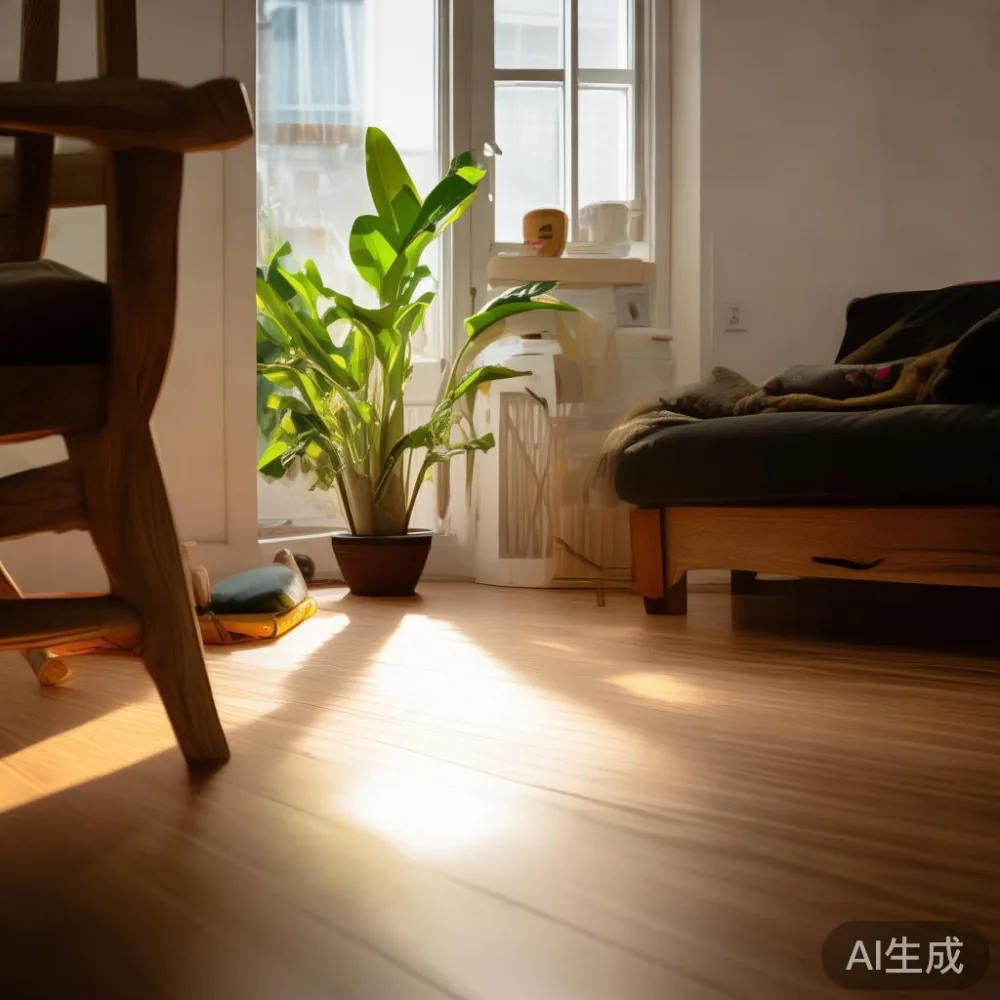
The furniture you select is the single most significant factor in defining the perception of space in your home. A bulky, dark wood wardrobe can dominate a bedroom, making a 3m x 4m space feel like a shoebox. Conversely, a thoughtfully chosen, minimalist bed frame can create the illusion of more room. The physical dimensions and visual weight of each piece are critical. A solid wood sofa that is 220cm long and 90cm deep might be perfect for a large living room but could overwhelm a small living area in a 4-room HDB flat. Understanding the dimensions of your rooms and the furniture you intend to place in them is the first step towards a successful layout. Remember, a small space is not defined by its actual size, but by how it is perceived, and furniture is your primary tool for shaping that perception.
How Can a Small Space Dining Table Work in a Tiny Kitchen?
This is a common dilemma for residents of Singapore's smaller apartments. The solution lies in multi-functionality and smart proportions. A large, fixed dining table is often the culprit. Instead, consider a drop-leaf dining table or a console table that can be pulled out when needed. A solid wood dining table with dimensions of 120cm x 75cm, when closed, can function as a console against a wall, freeing up floor space. When you have guests, you can extend the leaves to create a comfortable dining area for four. For those who entertain frequently, a round marble table with a diameter of just 100cm can seat four people comfortably without the sharp corners that eat up visual space. The goal is to find a MIDHILL dining table that serves dual purposes, adapting to your needs without permanently consuming precious square footage. The price for a well-made, space-saving table like this typically starts around SGD 800, excluding GST.
Strategic Furniture Placement for Visual Flow
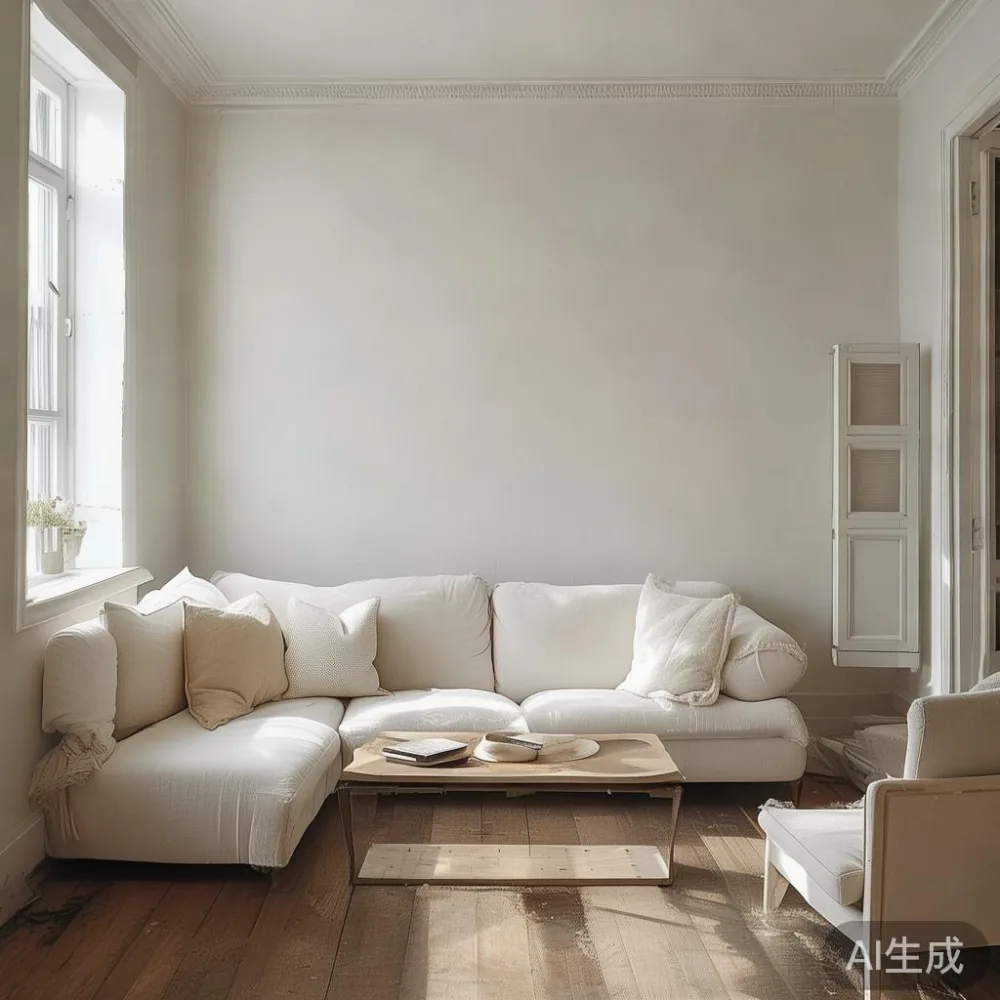
Once you have the right-sized furniture, how you arrange it is just as important. In a small space, the path of sight is your most valuable asset. Avoid blocking sightlines with large, solid pieces. For example, placing a large solid wood sofa directly in front of a window or against the longest wall can create a visual barrier. Instead, consider floating a smaller sofa or armchairs away from the walls. This creates a more intimate conversation area and allows the eye to travel further, making the room feel larger. In bedrooms, positioning the bed frame centrally against the shortest wall can often make the space feel more balanced than pushing it into a corner. The use of legs is another powerful trick. Furniture with exposed legs, like a bed frame on 15cm high legs or a nightstand with slender supports, allows light to pass underneath, creating a sense of openness and preventing the room from feeling grounded and heavy. My colleague, Sarah, who lives in a Bedok condo, found that simply raising her bed frame and adding a low-profile nightstand freed up what felt like an extra 30cm of space, making her bedroom significantly more breathable.
Light Luxury Styles for the Modern Singapore Home
Embracing a light luxury aesthetic is a fantastic way to add sophistication to a small space without adding visual clutter. French light luxury, with its emphasis on clean lines, subtle curves, and a neutral palette, is particularly well-suited. Think of a bed frame with elegant, simple detailing in a light oak finish, or a nightstand with a brushed brass handle. This style prioritises form and function, creating an environment that feels both high-end and serene. The question often arises: European light luxury sofa vs Italian light luxury sofa? While Italian styles can be more ornate, European light luxury tends to favour a more understated elegance, making it a better fit for smaller apartments where you don't want a sofa to become a visual centrepiece. For the dining room, exploring French provincial for dining room styles can bring a touch of classic charm without overwhelming the space. For storage, a MIDHILL European light luxury wardrobe with push-to-open handles and a smooth, matte finish can blend smoothly into the room, maintaining a clean, unbroken line. These pieces are designed to be statement-makers of quality, not size.
Storage Solutions That Disappear
In a small space, storage cannot be an afterthought; it must be integrated into the design. The most effective storage is the kind you don't even see. Built-in wardrobes that run from floor to ceiling are a staple in Singapore HDBs for a reason. They utilise vertical space to its maximum potential. For those who prefer freestanding options, choose a wardrobe with clean lines and a finish that matches the wall, such as a light wood or a soft grey. This helps it recede visually. Multi-functional furniture is another cornerstone of smart storage. A bed with built-in drawers underneath can replace a bulky dresser, storing linens and clothes out of sight. An ottoman that doubles as a storage unit for blankets and pillows can replace a standard coffee table, offering hidden storage while still providing a surface for placing a drink or a book. The key is to think of storage as a feature that enhances the space, not one that takes away from it.
Decor and Lighting to Enhance the Feeling of Space
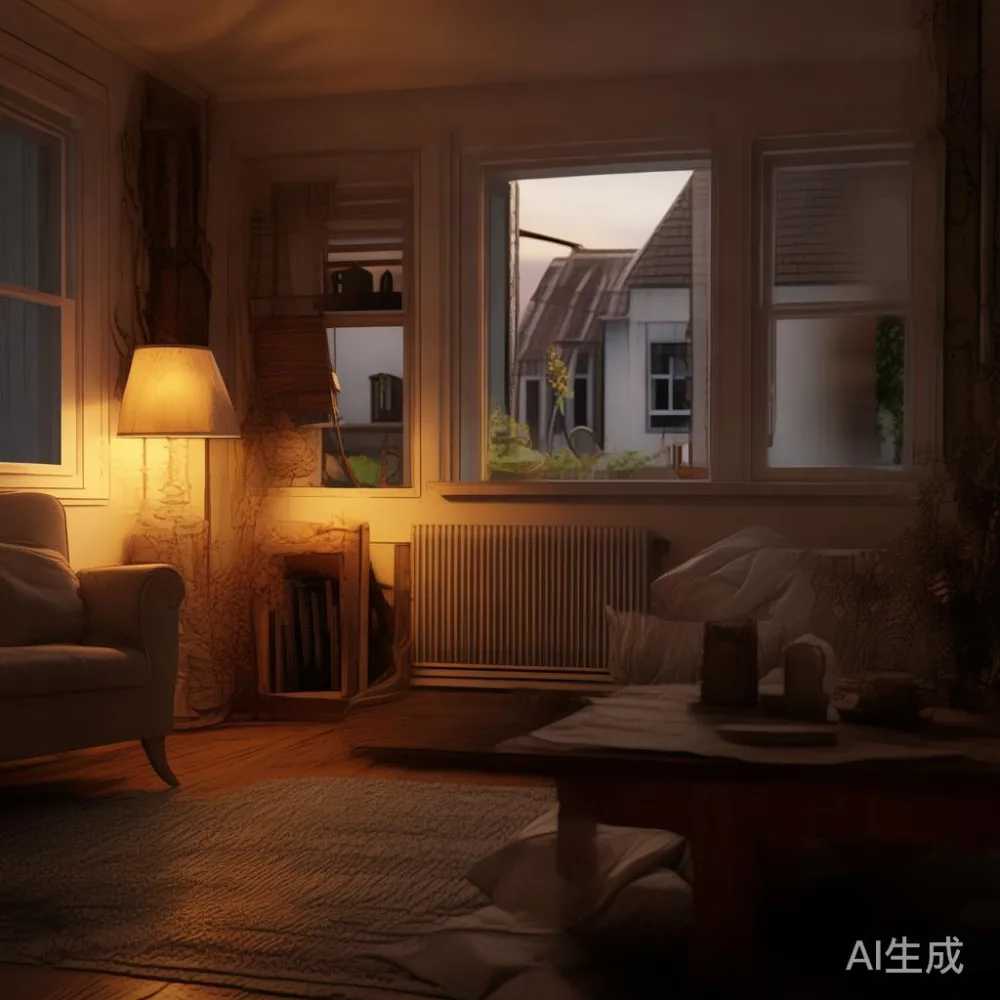
After the furniture is in place, the final touches of decor and lighting will polish the look and enhance the sense of space. Mirrors are a classic tool for a reason; they reflect light and create the illusion of depth. A large, leaner mirror in the living area or a full-length mirror in the bedroom can make a dramatic difference. For lighting, avoid relying on a single, harsh overhead light. Instead, use layers of light. A combination of ambient lighting (like a stylish floor lamp), task lighting (like a focused reading light on a nightstand), and accent lighting (like a small lamp on a marble table) creates a warm, inviting atmosphere and prevents shadows from making corners feel dark and enclosed. For a home office, consider European light luxury for office pieces, like a sleek desk with integrated cable management and a comfortable, streamlined chair. This keeps the work area uncluttered and professional. When searching for the right pieces, you might find yourself exploring collections like top 10 Mid-century modern furniture lists for inspiration, as many of those designs were born from the same principles of efficiency and style.
Creating a Cohesive Colour Palette
Colour has a profound psychological effect on how we perceive space. In a small apartment, a light, neutral colour palette is your best friend. Whites, soft greys, and beige tones reflect light, making walls feel further away. This doesn't mean your home has to be boring. You can introduce colour through smaller, easily changeable elements like cushions, throws, and artwork. The 60-30-10 rule is a good guideline: 60% of your room should be a dominant neutral, 30% a secondary colour (perhaps a slightly darker shade of your neutral or a muted tone), and 10% an accent colour for a pop of personality. This creates a balanced, harmonious look that feels intentional and spacious. If you love bold colours, use them sparingly. A feature wall in a deep navy or a dark green can add drama without overwhelming the room, especially if the other walls are kept light.
Final Thoughts on Living Large in a Small Space
Styling a small apartment in Singapore is a creative exercise in constraint. It requires a shift in perspective from simply filling a room to thoughtfully curating an environment. By focusing on furniture with the right proportions, employing strategic placement, choosing a cohesive style, and integrating clever storage, you can create a home that feels expansive, luxurious, and deeply personal. The principles of light luxury design, with their emphasis on clean lines and uncluttered forms, are perfectly aligned with the needs of modern small-space living. Remember, the goal is not to hide the fact that you live in a compact space, but to celebrate it by making every square inch work beautifully for you. When you start your search for the perfect pieces, you might find that a solid wood sofa with elegant, tapered legs or a marble table with a slender metal base becomes the centrepiece of a room that feels much larger than its actual dimensions.