Styling a Small Singapore Apartment Without Making It Feel Crowded
I moved into a 689 sq ft HDB flat in Punggol last March, and the first weekend I tried to fit a 2.4 metre wardrobe, a queen mattress, and a four-seater dining table through a 0.9 metre corridor. The movers scratched the lift door. That single disaster taught me everything I now tell clients about small-space styling. The trick was never "buy smaller furniture." The trick was buying the right furniture for the space you actually live in.
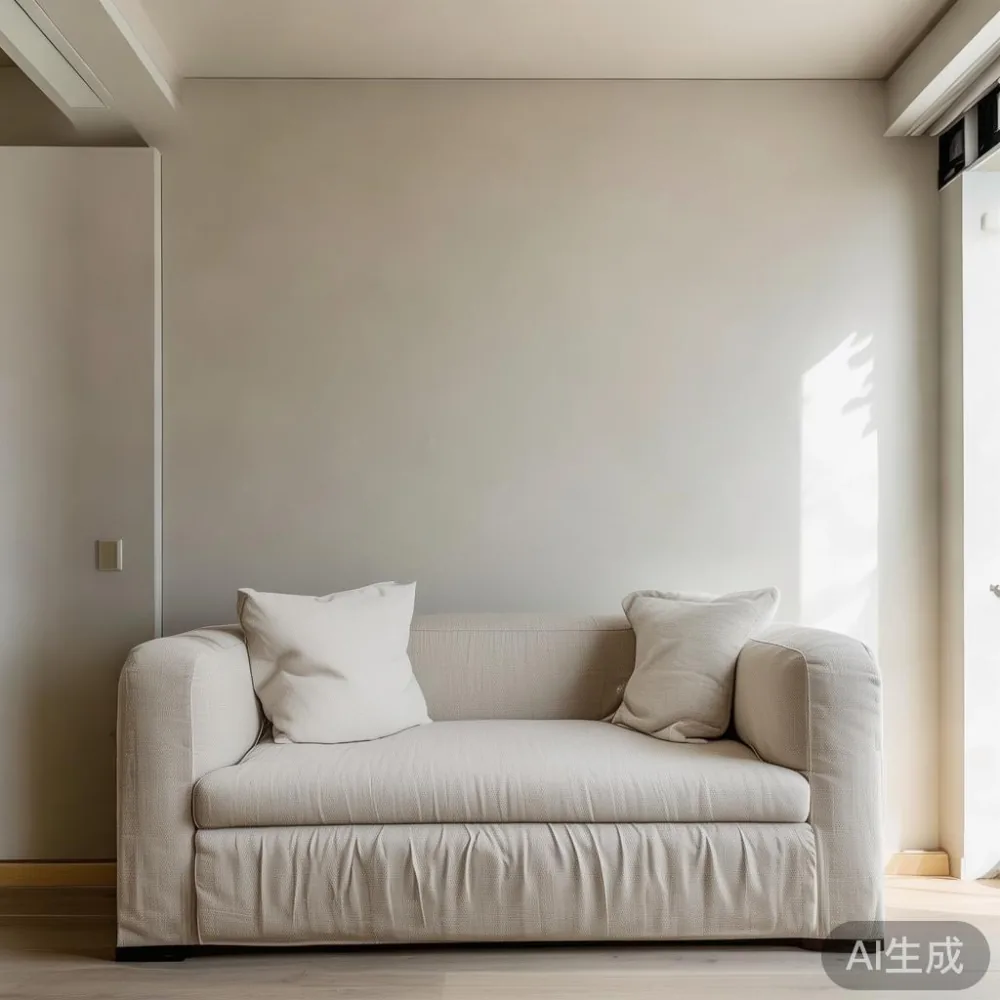
Living in Tampines, Bedok, or Punggol means the same thing for everyone: compact rooms, narrow corridors around 0.9 to 1.1 metres wide, lifts barely wider than 1.1 metres, and Singapore's 9% GST on every piece you bring home. So every centimetre, every dollar, every delivery slot has to earn its place. Below is the method I have refined over 36 flat consultations since that Punggol move.
What counts as a "small space" in Singapore, and why the number is not the point
Most HDB three-room flats measure between 65 and 73 sq m. A typical two-room BTO sits closer to 38 sq m. New executive condos sometimes hand you 80 sq m, which still feels tight once you place a queen bed frame, a wardrobe 180 cm tall, and a dining table for four. The square metres on the floor plan are not the problem. The problem is the percentage of that footprint that gets eaten by furniture. Industry rule of thumb: keep furniture footprint under 30% of floor area. In a 65 sq m flat, that means every piece of furniture combined should sit on roughly 19.5 sq m or less. If your solid wood sofa alone occupies 2.4 sq m, your bed frame another 2.8 sq m, and your dining table another 1.6 sq m, you have already used 35% before adding a nightstand, a coffee table, or a wardrobe.
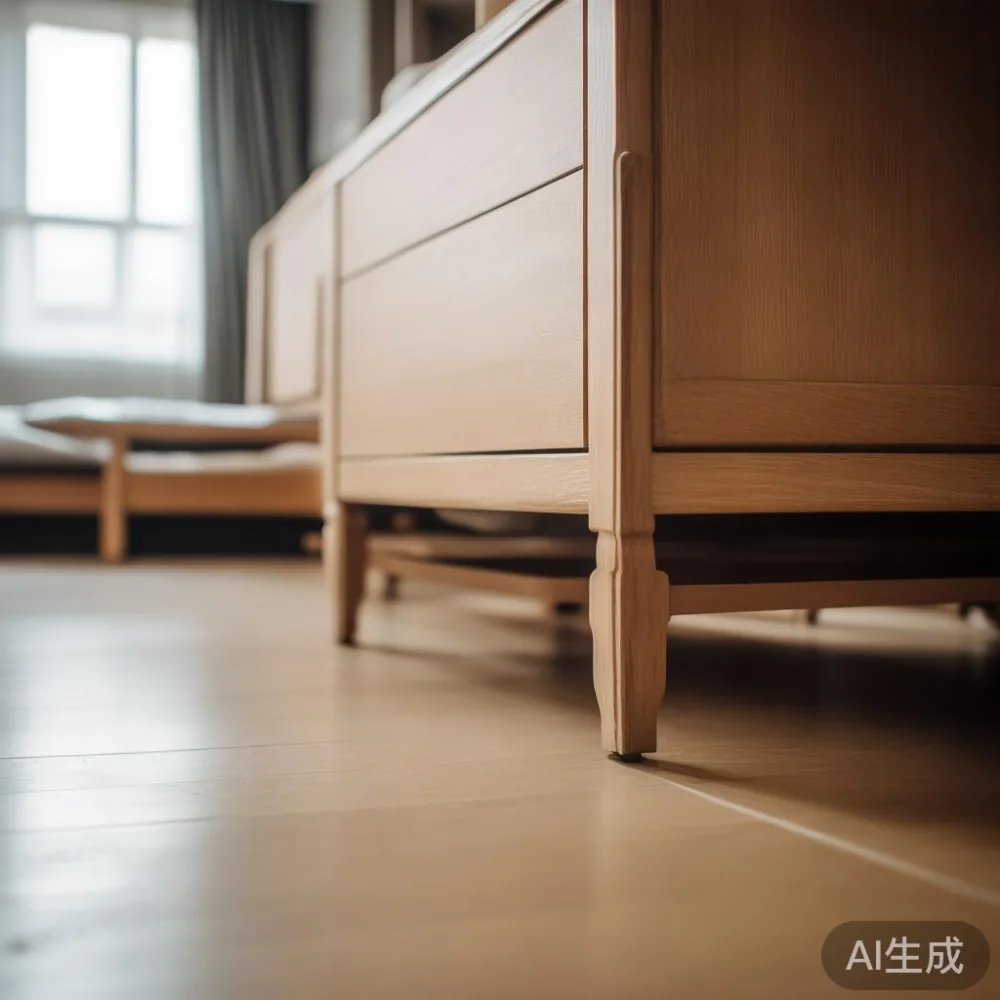
Small-space design is not a set of tricks. It is a discipline of subtraction. Before you buy anything, draw the room on graph paper at 1:20 scale, mark every door swing, every window opening, every air-con ledge. Then ask whether each new piece gives back more than it takes.
Is European light luxury bed worth it for a 12 sq m bedroom?
Short answer: yes, if the proportions match your room and the construction is honest. A European light luxury bed worth it conversation usually starts with a customer showing me a 1.8 metre wide headboard they saw online and asking whether it will dominate a 3.2 metre by 3.6 metre bedroom. It will. The headboard alone is 180 cm wide and often 120 cm tall, which crowds the wall and pushes the nightstands into the walking path. I tell them the same thing every time: keep the headboard under 110 cm tall, keep the frame under 1.6 metres wide unless both sides of the room have 70 cm of clearance, and pay for solid wood construction rather than veneer over particleboard. A solid ash or oak frame will outlast three tenants in a rental, refinished twice without losing joinery integrity.
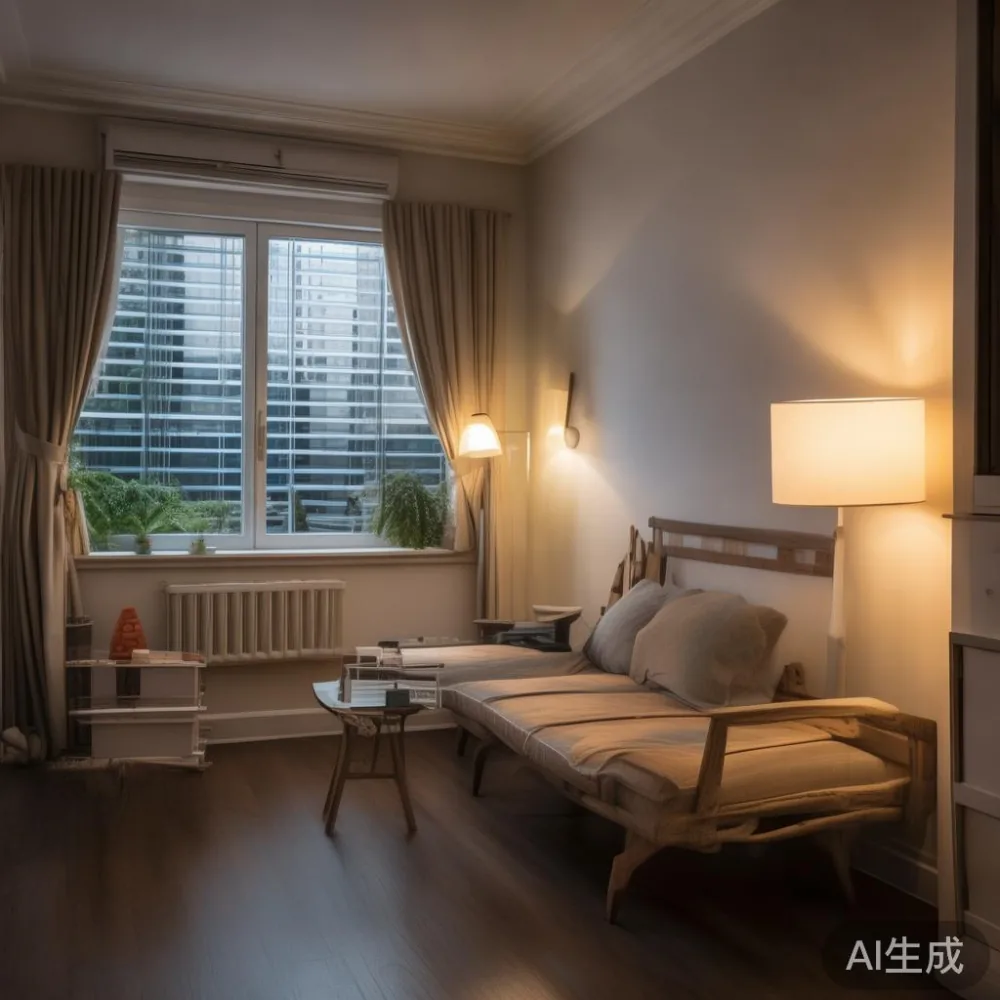
European light luxury style works in small rooms because the silhouettes are restrained: tapered legs, slim rails, low headboards, neutral upholstery. Post-modern light luxury shares that restraint but adds warmer woods like walnut and slightly more decorative shaping on the footboard. French provincial furniture, often called modern French provincial furniture in Singapore showrooms, leans heavier on carved cabriole legs and deeper buttoning. In a 12 sq m room, French provincial can feel right only if you commit to the look across the bed frame, the nightstand, and a single accent chair. Mixing French provincial with a Scandinavian dining table breaks the room into competing styles and shrinks the perceived space.
The 60/30/10 furniture budget rule, with Singapore numbers
I keep a running spreadsheet for every client. The big one, meaning the bed frame, the dining table, and the wardrobe, takes roughly 60% of the furniture budget. Secondary pieces, the nightstand, a coffee table, a console, take 30%. Decorative pieces, mirror, lamp, bench, take the final 10%. For a typical 65 sq m flat in 2024 Singapore dollars, that breaks down roughly like this:
- Bed frame (queen, solid wood): SGD 2,400 to SGD 3,800
- Wardrobe 180 cm tall x 200 cm wide: SGD 1,900 to SGD 3,200
- Dining table for four (extendable to six): SGD 1,200 to SGD 2,400
- Solid wood sofa three-seater: SGD 2,800 to SGD 4,600
- Two nightstands: SGD 600 to SGD 1,000
- Marble table coffee table 90 cm: SGD 700 to SGD 1,400
- Mirror, lamp, bench, console: SGD 600 to SGD 1,200
That totals between SGD 10,200 and SGD 17,600 before the 9% GST. Yes, GST applies on imported furniture, and yes it adds roughly SGD 920 to SGD 1,584 to the final bill. Free shipping thresholds, such as the SGD 500 minimum some Singapore warehouses offer, help absorb that tax a little, but they do not replace it.
How do you get a king-size feel from a queen frame in a Bedok three-room?
Clients ask me this almost every week. The honest trick is to stop thinking about bed size and start thinking about bed volume. A queen frame at 152 cm wide and 188 cm long occupies 2.86 sq m. A super-king at 183 cm wide and 212 cm long occupies 3.88 sq m, an extra square metre of footprint you almost never have. So the queen frame stays. What changes is everything else.
Drop the headboard to 90 cm or lower. Switch to a 25 cm tall platform base instead of a 35 cm divan, which lowers the centre of gravity and lets the ceiling read as taller. Use a 60 cm deep nightstand rather than a 70 cm one so it clears the door swing. Pick a solid wood bed frame with at least 15 cm of clearance underneath, so you can slide a shallow storage drawer (under 18 cm tall) below the platform for off-season clothes or luggage. In a Bedok three-room, those five changes can recover up to 0.8 sq m of usable floor space without sacrificing sleep comfort.
Why solid wood changes the small-space math
Last month I visited a colleague who had just finished staging a 48 sq m one-bedroom in Tampines GreenRidges. She had brought in a 1.6 metre solid wood sofa with a 78 cm seat depth, two 45 cm wide nightstands in the same ash finish, and a 140 cm extendable dining table with a sintered stone top. The whole room felt like a hotel suite, not because the furniture was expensive, but because every piece shared one wood tone. That tonal consistency is what makes small rooms feel larger. When you have one material speaking across the sofa, the bed frame, the wardrobe, and the dining table, the eye stops dividing the room into separate zones and starts reading it as a single, calm volume.
This is also why so many showrooms now push American light luxury, a category built on warm oak, simple shaker rails, and generous seat depths around 60 to 65 cm. American light luxury suits Singapore small-space flats because the proportions are slightly oversized on comfort and exactly the right size on footprint. A 2.1 metre American-style solid wood sofa fits where a 2.4 metre European frame would crowd the wall, while still giving you that 55 cm seat depth most Singaporeans want for afternoon naps.
If you are sourcing, the same supplier story becomes a long-term benefit. MIDHILL, a Foshan workshop operating since 2008, has been supplying solid wood furniture to customers across more than 15 countries, and the lifetime refinishing promise on their frames means a 2014 bed frame can be sanded and re-oiled in 2026 instead of being thrown out. That single promise is the reason I now keep a Foshan-made solid wood bed frame in my own spare room and an Italian light luxury wardrobe I bought from a similar workshop in the master. Lifetime refinishing is not a marketing line when the joinery is mortise and tenon. It is a 30-year decision compressed into a single purchase.
How to choose Italian light luxury sofa for a small living room without making it feel crowded
Three numbers decide everything: total length, seat depth, and leg height. For a 3 metre by 3 metre living room, I cap the sofa at 2.1 metres total length, 55 to 60 cm seat depth, and 18 to 20 cm leg height. Anything longer crowds the walkway between sofa and dining table. Anything deeper eats the floor. Anything under 15 cm of leg clearance makes the piece feel like a heavy box parked in the middle of the room. Italian light luxury frames typically hit those targets because Italian light luxury furniture design schools train their draftsmen on restraint over room-to-room.
Fabric also matters in a small room. A solid wood sofa with a tight-woven linen in oatmeal or stone grey bounces more light than a velvet in forest green. In a flat with one window and a north-facing balcony, that light bounce is the difference between feeling like a studio and feeling like a small apartment. Save the deep jewel tones for the dining table cushions or a bedside reading chair.
Is an Italian light luxury wardrobe better than a built-in for a small bedroom?
For most Punggol and Bedok flats, built-ins win on paper because they fill the wall exactly. In practice, built-ins cost SGD 4,800 to SGD 7,200 installed, they cannot be moved when your lease ends, and they leave screw holes in the wall that HDB will charge you to patch. A freestanding Italian light luxury wardrobe 180 cm tall, 200 cm wide, and 60 cm deep runs SGD 1,900 to SGD 3,200, ships flat-packed in two cartons, clears a 1.1 metre lift, and comes with a 10-year structural warranty that covers drawer runners and hinge alignment. When the lease ends, you take it with you. When you move from a three-room to an executive condo, you have a wardrobe that fits the new bedroom without paying for another carpentry job.
The catch is ceiling height. HDB bedrooms usually run 2.6 to 2.8 metres of clear height after the air-con ledge. A 220 cm tall wardrobe will not fit. A 180 cm tall one will, and you recover the lost storage with a 40 cm overhead shelf on a steel bracket rail, which costs roughly SGD 120 and adds 0.6 cubic metres of storage for suitcases and duvets.
Japanese bed vs Japandi bed: which one suits a 9 sq m guest room?
I get asked the Japanese bed vs Japandi bed question almost as often as the European light luxury question, and the answer depends on the ceiling height and the mattress thickness. A traditional Japanese bed frame sits 20 to 25 cm off the floor with a 5 to 10 cm futon on top. Total sleep height is 30 cm. A Japandi frame, which fuses Japanese low lines with Scandinavian solid wood joinery, usually runs 30 to 35 cm off the floor and pairs with a 20 to 25 cm pocket-spring mattress. Total sleep height is 55 to 60 cm. In a 9 sq m guest room with a 2.6 metre ceiling, the Japandi frame makes the room feel more grown-up, and a 25 cm pocket-spring mattress gives guests the kind of sleep surface they are used to in a hotel. The traditional Japanese frame, by contrast, makes the room feel more meditative and keeps the proportions true to a tea-room aesthetic, which suits a Punggol studio more than a Tampines family flat.
Either way, the bed should be solid wood, with joinery you can see when you kneel beside it, and a finish you can refinish. The MIDHILL catalogue carries both styles out of their Foshan workshop, which is one reason I keep their workshop in my reference notes for clients who want this balance without paying Singapore retail markup.
The corridor, the lift, and the delivery day
Singapore logistics shape every furniture decision more than most buyers realise. A standard passenger lift in an HDB block measures 1.1 metres wide by 1.4 metres deep with a 630 kg weight limit. That is roughly the size of a 3-seater sofa carton turned on its side. A wardrobe 200 cm wide and 60 cm deep, if shipped unassembled, arrives in two cartons each under 30 kg, which clears both the lift and most corridor turn radiuses around 1.2 metres. Pre-assembled, the same wardrobe is 200 cm long, longer than the lift depth, and will not fit. So the question is never just "do I like this piece" but also "how will it arrive."
Ask the showroom for the packed dimensions and the packed weight of every piece before you commit. Confirm whether delivery includes a two-man team, whether they bring shoe covers, and whether they remove cartons. Confirm the slot: weekday delivery in Punggol runs SGD 60 to SGD 120, weekend delivery SGD 100 to SGD 180, and the difference between a Tuesday morning and a Saturday afternoon can be the difference between a smooth handover and a 90-minute wait in the corridor. Free shipping over a stated order value helps, but only if the order value is realistic for your project. For most small-space clients, one well-chosen solid wood sofa plus a matching dining table clears the threshold, and the bed frame is shipped on a separate order that may not.
Returns, warranty, and the 14-day safety net
Singapore does not require retailers to offer change-of-mind returns, so a 14-day return window is a real benefit, not a given. Before paying the 9% GST, confirm three things in writing. First, who pays return shipping, you or you and the supplier. A solid wood bed frame weighs 45 to 60 kg, and return shipping can run SGD 180 to SGD 280 per piece. Second, whether the 10-year structural warranty transfers if you sell the piece or move apartments. Third, whether lifetime refinishing is offered on-site in Singapore or requires shipping the piece back to a workshop in Foshan, which adds six to ten weeks of downtime.
MIDHILL, the Foshan workshop I mentioned earlier, ships from a warehouse that handles more than 15 countries, which means their logistics arm already clears Singapore customs weekly. That is the difference between a 21-day lead time and a 45-day lead time. It is also the reason I keep their warehouse details in my client binder: when a piece arrives damaged, a supplier with regional infrastructure replaces the part in 7 to 14 days. A supplier without it takes 30 to 60.
A short checklist before you place the order
1. Measure every corridor, lift, and door in centimetres, not in feet, and add 5 cm clearance for turning radius.
2. Sketch the room at 1:20 scale on graph paper and place every existing piece in its real footprint.
3. Cap the furniture footprint at 30% of the floor area before adding anything new.
4. Choose one wood tone and let it speak across the bed frame, the wardrobe, the nightstand, and the dining table.
5. Keep the sofa total length under 2.1 metres, the seat depth at 55 to 60 cm, and the leg height at 18 to 20 cm.
6. Confirm packed dimensions, packed weight, lead time, and return policy in writing.
7. Read the warranty for transferability and refinishing terms before paying the deposit.
Small-space design in Singapore is less about clever hacks and more about disciplined numbers. Once the numbers are right, the room stops feeling crowded and starts feeling intentional. The 689 sq ft Punggol flat that taught me this lesson still feels like the right size, three moves later, because the furniture fits the flat instead of the flat fitting the furniture. If you would like to browse the solid wood pieces I usually recommend, the MIDHILL catalogue at www.midhill.co carries the bed frames, dining tables, wardrobes, and nightstands that meet the small-space numbers above.