Veneer or Solid Wood? A 5-Year Financial Guide for Singapore's Compact Living
Living in Singapore, especially in HDB flats in areas like Tampines or Punggol, means making smart choices about every square centimetre. Furniture is not just about style; it's a long-term investment in your home. The debate between veneer and solid wood furniture is a common one, but the financial implications over a five-year period can be significant. This article breaks down the real costs, considering durability, maintenance, and value retention, specifically for the small-space realities of Singaporean homes.
Understanding the Materials: Veneer and Solid Wood in a Singapore Context
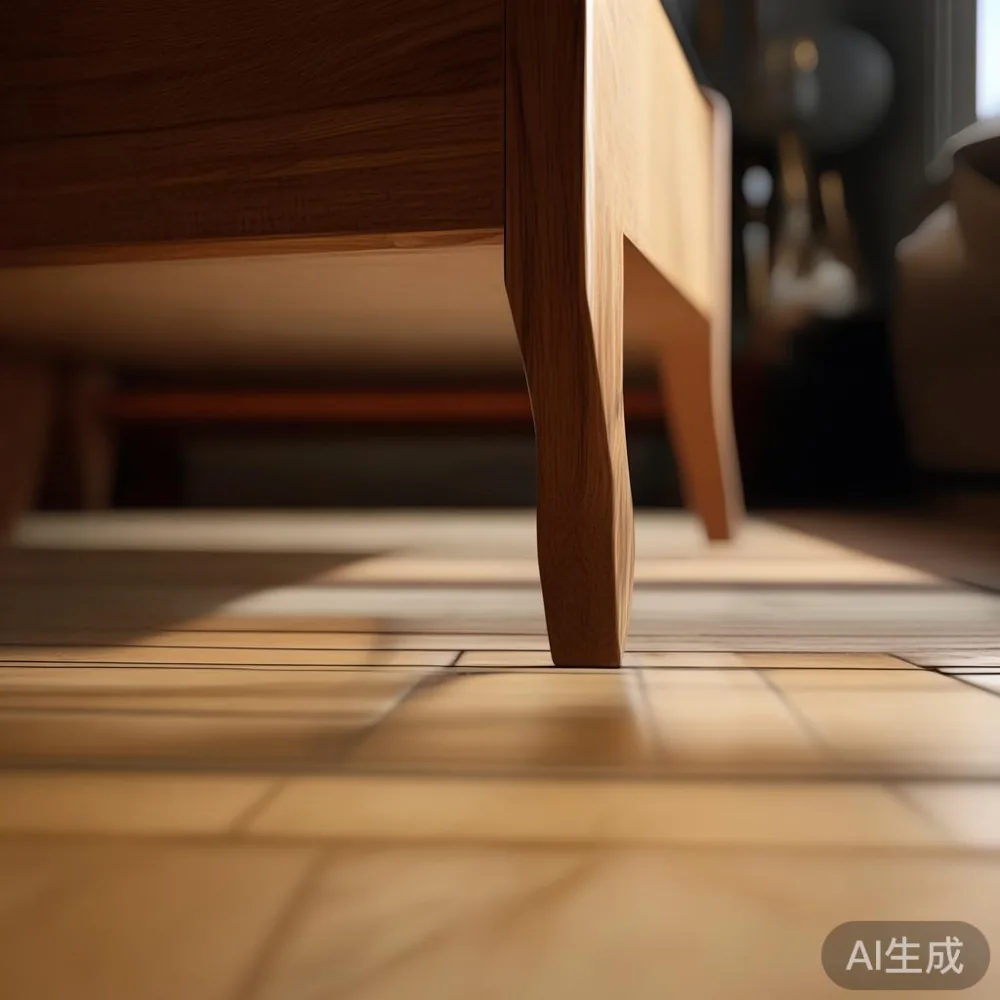
Before diving into numbers, it's important to understand what these terms mean, especially when working through the narrow corridors and lift spaces of a Bedok condo or an HDB flat. Solid wood furniture is crafted from a single piece of lumber, like oak, teak, or mango wood. Its structure is consistent from top to bottom. Veneer, on the other hand, is a thin layer of real wood applied over a base of engineered wood like MDF (Medium-Density Fibreboard) or particleboard. This base material is often much less expensive and lighter, which can be an advantage for moving furniture up narrow apartment stairwells or through standard lift doors.
The weight difference is substantial. A solid wood dining table might weigh 45-50 kg, whereas a veneer equivalent could be 20-25 kg. This lighter weight can reduce delivery costs, a factor to consider when free shipping is only available for orders over SGD 350. However, the core difference lies in longevity and repairability. For those with a small space, choosing furniture that can be refinished rather than replaced is a key consideration for long-term value.

The Upfront Investment: Price Points for Singaporean Homes
The initial purchase is where most people start their comparison. Let's look at common furniture items for a small-space apartment. A solid wood bed frame, for example, from a reputable maker, will typically start around SGD 1,200. A veneer version of a similar style might be priced between SGD 600 and SGD 800. The same price gap applies to other pieces. A solid wood dining table for four could cost SGD 1,500, while its veneer counterpart might be SGD 800. A small solid wood wardrobe for a bedroom could be SGD 1,800, compared to SGD 1,000 for a veneer model.
For a complete set of living room furniture for a small space—a sofa, a coffee table, and a nightstand—the initial investment is noticeably higher for solid wood. A solid wood sofa might cost SGD 2,500, a marble-topped solid wood coffee table SGD 1,200, and a solid wood nightstand SGD 350. The total would be SGD 4,050. A veneer set might include a sofa for SGD 1,400, a laminate coffee table for SGD 500, and a veneer nightstand for SGD 180, totaling SGD 2,080. The upfront savings for veneer are clear, but this is only the beginning of the financial story.
What Happens in Year 1-2: Initial Wear and Tear
The first couple of years are critical. In a humid climate like Singapore, wood furniture is constantly exposed to moisture. Veneer, being a thin layer, is more susceptible to damage. It can chip or peel, especially at the edges, where moisture can seep into the MDF core. A common issue in Singaporean kitchens or bathrooms is swelling at the base of a veneer cabinet or nightstand. Repairing this is often impossible; the entire piece needs replacement.
Solid wood, however, handles humidity much better. It may expand and contract slightly, but it doesn't delaminate. A solid wood sofa or dining table will maintain its structural integrity. Minor scratches can be sanded out and the wood re-oiled, restoring its appearance. This inherent durability makes solid wood a more reliable choice for the long-term wear and tear of daily life in a small space where every piece gets heavy use.
The Mid-Life Crisis: Year 3-4 Maintenance and Repair Costs
By year three, the initial charm of veneer furniture often fades. The finish can become dull, and the MDF edges might start to show wear. If a homeowner wants to refresh their living room, veneer furniture offers limited options. You cannot sand and refinish a veneer surface without sanding through the thin wood layer. The only path to a new look is replacement. At this point, the initial savings are long gone, and the owner faces the full cost of buying new furniture.
Solid wood furniture enters its prime in this period. A five-year-old solid wood dining table or bed frame can look as good as new with a little care. The process involves sanding down the surface and applying a new coat of oil or wax. For a professional refinishing service, which is included in some brands' lifetime warranties, the cost might be SGD 300 to SGD 500 for a large piece like a dining table. This is a fraction of the cost of replacement. For those who enjoy DIY, the cost is just the materials, perhaps SGD 50 for sandpaper and oil. This ability to be restored is a cornerstone of solid wood's long-term value.
Is Solid Wood Really Worth the Extra Money in the Long Run?
This is the central question for any homeowner in Singapore. To answer it, let's create a hypothetical five-year cost analysis for a living room set in a small-space apartment. We will assume the homeowner needs a sofa, a coffee table, and a nightstand.
Scenario 1: Veneer Furniture
Initial Cost: SGD 2,080
Year 3: The sofa fabric is worn, and the coffee table laminate is scratched. The owner decides to replace the entire set.
Replacement Cost: SGD 2,080 (assuming similar prices)
Total 5-Year Cost: SGD 2,080 + SGD 2,080 = SGD 4,160
Scenario 2: Solid Wood Furniture
Initial Cost: SGD 4,050
Year 3: The sofa needs a professional deep clean (SGD 150). The coffee table and nightstand are lightly scratched. The owner sands and oils them personally (material cost SGD 50).
Year 5: The sofa fabric is still in good shape. The wood furniture looks refreshed from the previous maintenance.
Total 5-Year Cost: SGD 4,050 + SGD 200 = SGD 4,250
The difference over five years is only SGD 90. However, this doesn't account for the hassle of disposing of old furniture and coordinating new deliveries, which can be a significant inconvenience in an HDB. The solid wood option offers peace of mind and a consistent aesthetic. For a small space, having furniture that lasts and can be adapted is a major advantage. This is why many in Singapore are looking towards for sale Post-modern furniture that combines minimalist design with durable materials.
Resale Value: The Hidden Financial Factor
When moving or upgrading, many people don't consider what their furniture is worth. Solid wood furniture holds its value remarkably well. A five-year-old solid wood dining table in good condition might retain 50-60% of its original value. A solid wood bed frame could be sold for 40-50% of what it was bought for. This is because solid wood is perceived as a premium, long-lasting product.
Veneer furniture, on the other hand, has virtually no resale value. By year five, it's often considered second-hand and difficult to sell. Its engineered wood base is seen as a disposable component. When you factor in potential resale, the total cost of ownership for veneer increases significantly. The initial savings are completely erased, and the owner has nothing to show for their initial investment. This financial aspect is particularly relevant for Singaporeans who move between flats or condos, a common occurrence.
Style and Adaptability for Singapore's Small Spaces
Beyond cost, style plays a important role. Solid wood furniture offers incredible versatility. A simple solid wood bed frame can be stained dark for a modern look or left light for a Scandinavian feel. It can be paired with different styles of nightstands and lighting. This adaptability is perfect for small spaces where you might want to change your decor over time without replacing the core furniture.
For those with a more discerning taste, how to style French bed in room is a popular query. A solid wood French-style bed frame provides a beautiful canvas. It can be dressed with crisp linens for a light, airy feel or rich textiles for a more opulent touch. The same principle applies to other pieces. A solid wood dining table can be the anchor for a European light luxury for office setup at home or a casual family dining area. The ability to customize and adapt solid wood furniture makes it a smarter choice for the long-term aesthetic of a small-space home.
My Experience with a Veneer Wardrobe in a Punggol Apartment
Last month, I visited a colleague in her new Punggol HDB flat. She had recently moved and, to save money, bought a large veneer wardrobe for her bedroom. It looked fine initially, but within six months, the Singapore humidity took its toll. The bottom panel, made of particleboard, had absorbed moisture from the floor and swelled. The veneer on the side had bubbled and peeled. She tried to fix it with wood glue, but it was a temporary fix at best. She now faces the prospect of buying a new wardrobe, a significant expense and hassle. Her experience is a perfect illustration of the hidden costs of choosing veneer for a demanding environment. A solid wood wardrobe, while more expensive upfront, would have weathered the humidity without issue.
Choosing the Right Furniture for Your Small Space
When selecting furniture for a small space like a condo in Tampines or an HDB flat, the decision between veneer and solid wood should be viewed as a long-term financial and lifestyle choice. Consider the lifespan of the piece. A dining table or bed frame are meant to last for a decade or more. A nightstand or a small side table might be replaced more frequently, but even then, the durability of solid wood is a benefit.
Think about your lifestyle. If you have children or pets, the durability of solid wood is a major advantage. If you plan to stay in your home for many years, the ability to refinish and restore solid wood furniture is invaluable. For those who appreciate quality craftsmanship and timeless design, solid wood is the clear winner. It's an investment that pays dividends in longevity, beauty, and peace of mind. The debate of American sofa vs Nordic sofa often comes down to personal taste, but the material—solid wood—remains a superior foundation for either style.
Looking Ahead: Trends and Long-Term Value
The furniture market is always evolving. Trends like Japandi, which blends Japanese and Scandinavian design, are gaining popularity. For those looking for best Japandi sofa for 2026, finding one made from solid wood ensures it will remain a stylish and functional piece for years to come. Veneer furniture may follow fleeting trends, but solid wood transcends them. Its natural beauty and durability mean it will always be in style.
Understanding the difference between a French bed vs French provincial bed is important for style, but the underlying material determines its longevity. A solid wood French provincial bed can be a family heirloom, passed down through generations. A veneer version will likely end up in the trash. This long-term perspective is key to making a smart furniture purchase. For those exploring options online, a search for midhillco will reveal brands that focus on this enduring value, offering pieces designed for a lifetime of use in homes of all sizes.
Making the Smart Choice for Your Home
Ultimately, the five-year cost comparison shows that solid wood furniture is a more financially sound investment for most Singaporean homes. The higher initial cost is offset by longevity, lower maintenance, and the ability to be refinished. Veneer furniture may seem like a budget-friendly option, but its shorter lifespan and lack of repairability often lead to higher costs and more hassle over time.
For those living in a small space, every decision matters. Choosing furniture that is built to last not only saves money but also creates a more stable and beautiful home environment. Solid wood furniture is an investment in your quality of life, providing a foundation of style and durability that will serve you well for many years to come.