Warm Minimalism in Small Spaces: A Guide for Singapore Homes
Living in Singapore means living with space as a primary consideration. Whether in a 65-square-meter HDB flat in Tampines or a sleek condo in Punggol, the challenge is universal: how to create a home that feels open, airy, and deeply personal without feeling cluttered. The solution lies in a design philosophy known as warm minimalism—a style that embraces clean lines, uncluttered surfaces, and a soothing, natural palette, all while infusing the space with a sense of comfort and lived-in warmth. This guide explores how to achieve this balance, focusing on furniture choices that serve both aesthetic and functional needs in our unique urban context.
What Exactly is Warm Minimalism?
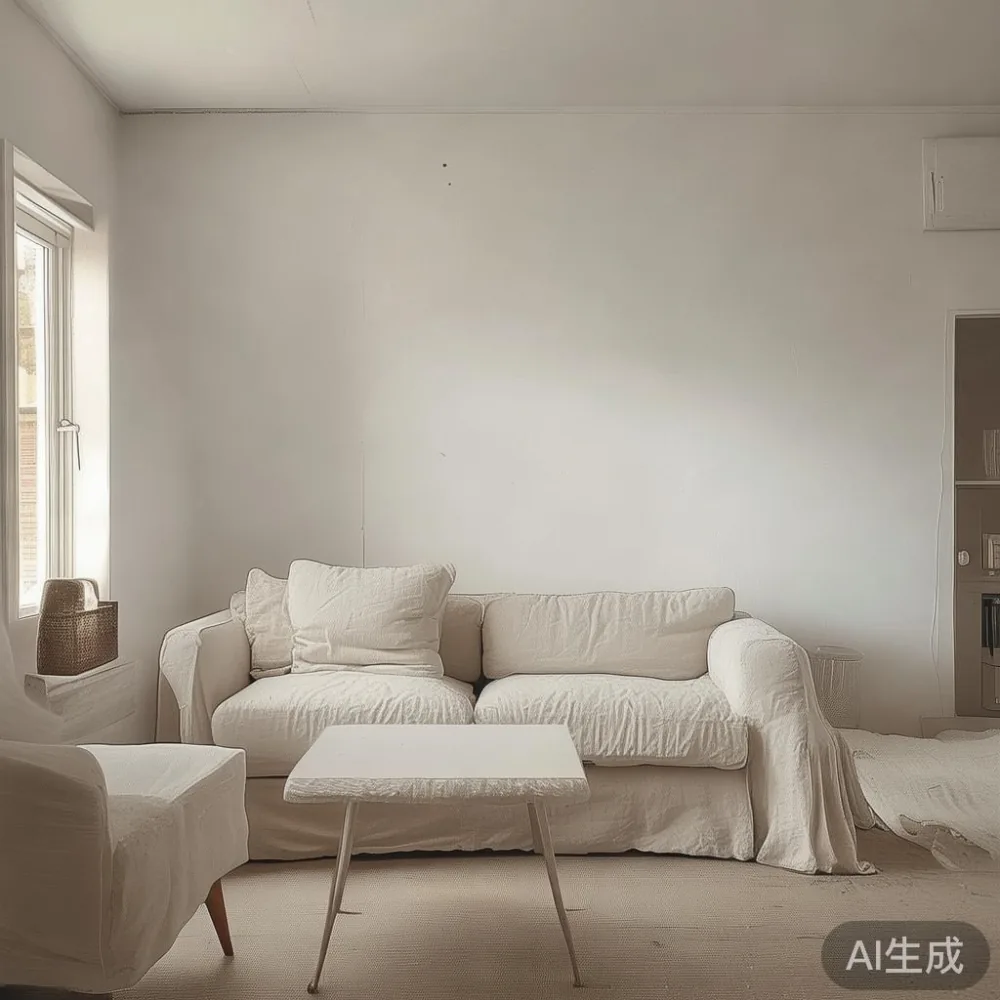
At its core, warm minimalism is a reaction against the stark, cold minimalism of the past. While it shares the appreciation for simplicity and negative space, it introduces layers of texture, soft materials, and organic forms to create a more inviting atmosphere. Think of a living room with a clean-lined sofa, but it's wrapped in a soft, oatmeal-coloured fabric. The walls are a warm, off-white, but the floor is a dark, rich wood. The colour palette is neutral, but it's punctuated with a few carefully chosen pieces in terracotta, olive green, or deep blue. The goal is not emptiness, but a curated tranquillity that feels both sophisticated and deeply comfortable. This style is particularly well-suited for Singapore's small-space living, where every piece of furniture must earn its place.
How to Choose Furniture That Doesn't Overwhelm a Small Space?
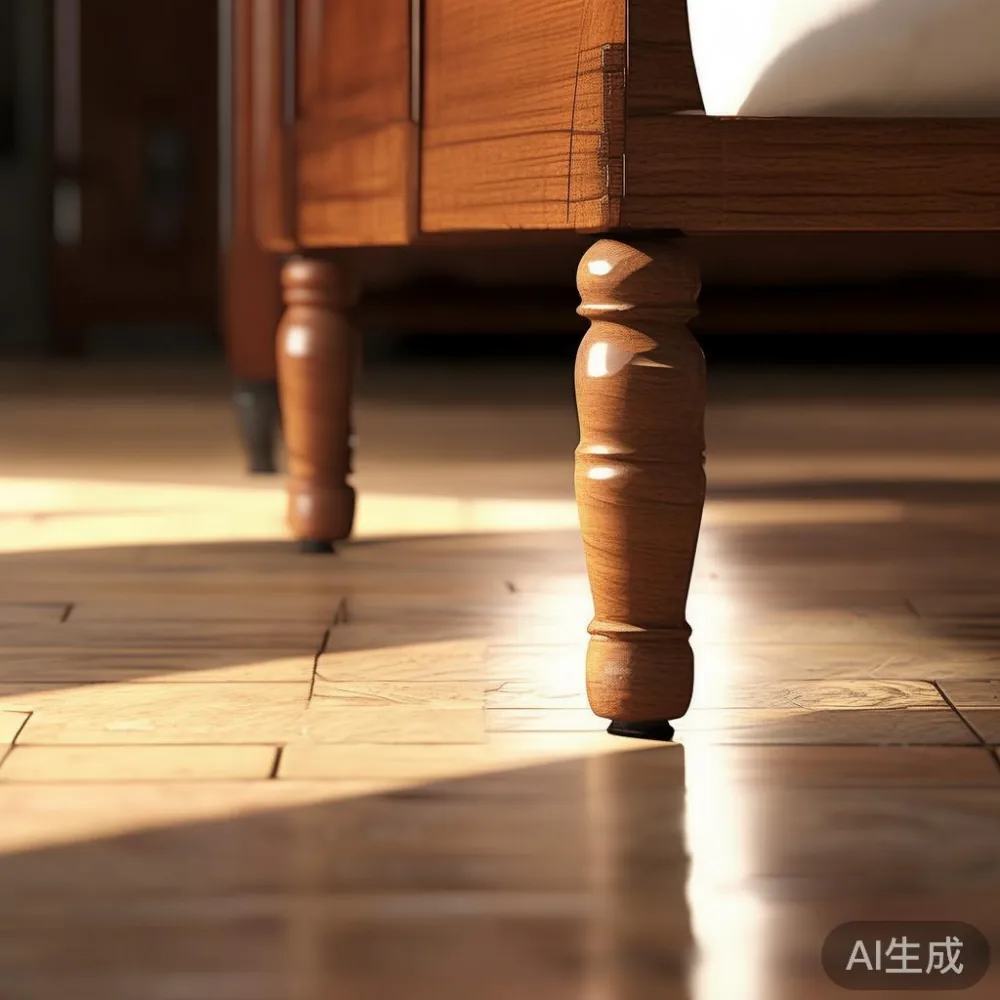
The key to furnishing a small space is to think in terms of scale and proportion. In Singapore, where HDB lift widths are typically 110 cm and corridor widths can be as narrow as 120 cm, bulky furniture is a non-starter. The right approach is to select pieces with slender profiles, open bases, and multifunctional capabilities. For instance, a solid wood sofa with slender, tapered legs creates a visual lift, making the floor appear larger and the room feel more open. A dining table with pedestal legs instead of four bulky ones allows for easier movement around it and provides a less obstructed view of the floor. Nightstands should be tall and narrow rather than wide and deep, and a wardrobe with a sliding door mechanism is infinitely more practical in a bedroom with limited floor space than one that swings open. The goal is to fill the space with furniture that feels light and intentional, not heavy and imposing.
Can You Achieve Light Luxury on a Singapore Budget?
Absolutely. The misconception that light luxury is prohibitively expensive often stems from associating it with high-end, mass-produced furniture. True light luxury is about quality, craftsmanship, and materiality, not just a brand name. For example, a well-made solid wood dining table crafted from sustainably sourced North American oak, with a hand-applied finish that highlights the wood's natural grain, is a statement of quality. This piece might cost SGD 3,500, but it's designed to last for decades, unlike a cheaper, veneered alternative that might need replacing in 5 years. The investment is in longevity and timeless design. A Modern light luxury TV console made from solid wood with a marble inlay adds a touch of sophisticated elegance without the exorbitant cost of a full Italian marble piece. By focusing on core, high-quality items and pairing them with more modestly priced pieces, you can build a light luxury feel that is both attainable and authentic. Remember to factor in the 9% GST on all purchases, but also consider the value of a 10-year structural warranty, which protects your investment for the long term.
The Power of Texture and Material in a Minimalist Palette
A minimalist palette of whites, greys, and beiges can feel flat without the introduction of texture. This is where material choice becomes paramount. In a warm minimalist home, you would find a mix of materials that engage the senses. A solid wood sofa frame, for instance, provides a natural, tactile contrast to smooth, linen upholstery. A marble table top, with its subtle veining and cool surface, adds a touch of refined luxury against a backdrop of warm wood floors. Even the choice of a wardrobe can enhance this textural layer; a Modern light luxury wardrobe with a matte-finish wood door and brushed brass handles offers a satisfying interplay of materials. The same principle applies to textiles. A chunky knit throw draped over a chair, a jute rug under a coffee table, or a set of ceramic vases with a slightly uneven, handmade glaze all add depth and warmth. These textural layers prevent the space from feeling sterile and make it feel more like a home.
Real-Life Inspiration: A Punggol Condo Transformation
Last month, I visited the home of my colleague, Sarah, who recently moved into a new two-bedroom condo in Punggol. Her challenge was a living area that felt long and narrow. She wanted to create a space that was both a relaxing lounge and a functional area for working from home. Her solution was a masterclass in warm minimalism. She chose a low-profile, modular sofa in a warm grey chenille fabric. Its L-shape configuration fit perfectly into the corner, creating a defined seating area without blocking the natural light from the large window. Opposite the sofa, she placed a sleek, minimalist media console. To add a touch of light luxury, she opted for a console with a solid wood base and a stunning Carrara marble top. For storage, she selected a tall, narrow wardrobe with a sliding door in a soft oak finish. The result was a space that felt incredibly open and serene. The low sofa didn't obstruct the view, the light-coloured marble console reflected light, making the room feel brighter, and the sliding wardrobe maximized the limited floor space. It was a perfect example of how thoughtful furniture choices can completely transform a challenging layout.
Building Your Warm Minimalist Room: A Piece-by-Piece Guide
Applying the principles of warm minimalism to each room in your home requires a focused approach. Start with the largest, most functional piece of furniture and build from there. In the living room, this is the sofa. Instead of a large, overstuffed model, consider a low-profile solid wood sofa with clean lines. A best Italian light luxury sofa for 2026 might feature a solid wood base and removable, washable covers, offering both style and practicality. For the bedroom, the bed frame is the anchor. A platform bed made from solid wood in a warm walnut or natural oak colour grounds the room. Pair it with a nightstand of a similar material, perhaps with a single drawer for storage. The dining area should centre around a dining table that is proportional to the space. A solid wood dining table that seats 4 to 6 people, with extensions for guests, is a versatile choice. Complete the look with chairs that have slender profiles, such as those with metal legs and upholstered seats.
How to Style a Light Luxury Wardrobe in an Apartment?
Styling a wardrobe is often an afterthought, but in a small-space apartment, it's a key design element. The question of how to style light luxury wardrobe in an apartment is less about what goes inside and more about how it presents itself on the outside. First, consider the finish. A wardrobe with a matte or satin finish in a light, neutral colour like dove grey or warm beige will recede into the wall, making the room feel larger. Second, focus on the hardware. Simple, geometric handles in brushed brass or matte black add a sophisticated, modern touch without being ornate. Third, think about integration. If possible, have the wardrobe custom-fitted to a specific wall, with the doors extending to the ceiling. This creates a smooth, built-in look that maximizes storage and minimizes visual clutter. The interior should be just as considered, with a mix of hanging rails, shelves, and drawers to keep your belongings organized and out of sight, reinforcing the minimalist aesthetic.
Where to Find Quality Furniture for Singapore Homes
Furnishing a home with a specific aesthetic like warm minimalism requires sourcing pieces that align with the philosophy. This often means looking beyond the typical mass-market retailers. Brands that focus on craftsmanship and natural materials are a good starting point. For instance, a best Japandi sofa for 2026 would embody the fusion of Japanese simplicity and Scandinavian comfort, likely featuring a solid wood frame and natural fabrics. For those interested in a more classical elegance, the search for for sale French provincial furniture might lead to pieces with elegant curves, light wood, and a sense of refined informality. When shopping, always consider the practicalities of Singaporean living. Check the dimensions of the furniture against your actual door and corridor measurements. A beautiful sofa that cannot be carried up your apartment stairs is of no use. Look for companies that offer clear delivery information, with lead times of 14-21 days being common for custom or solid wood pieces. A 14-day return policy provides peace of mind, ensuring you can return an item if it doesn't fit or meet your expectations. Free shipping for orders over SGD 350 is also a significant benefit, as delivery charges for large items in Singapore can add up to SGD 100 or more.
Maintaining Your Warm Minimalist Haven
The beauty of warm minimalism is its timelessness, but maintaining it requires a commitment to curation and care. The natural materials central to this style—solid wood, marble, linen—require specific care to preserve their beauty. Solid wood furniture should be dusted regularly with a soft cloth. For deeper cleaning, use a wood-specific polish applied with the grain, and always use coasters or placemats to prevent water rings. Marble surfaces, while durable, are porous and should be sealed upon installation. Clean them with a pH-neutral cleaner and avoid acidic substances like vinegar or lemon juice, which can etch the surface. Linen upholstery, while beautiful, can be prone to wrinkling. A quick steam with a handheld steamer can refresh the fabric and keep it looking crisp. The minimalist ethos also extends to maintenance; by choosing fewer, higher-quality pieces, you reduce the number of items you need to clean and care for, allowing you to focus on preserving the things you truly love.
The Future of Small-Space Living: Warm and Minimal
As Singapore's urban landscape continues to evolve, with more compact HDB flats and high-rise condos being built, the principles of warm minimalism will only become more relevant. The style offers a perfect response to the challenges of small-space living, proving that a lack of square footage does not have to mean a lack of style, comfort, or personality. By focusing on furniture that is well-proportioned, made from quality natural materials, and designed with a light, airy aesthetic, it is entirely possible to create a home that feels expansive and welcoming. A small space, when furnished thoughtfully, can become a sanctuary—a retreat from the hustle and bustle of the city. The future of home design in Singapore is not about bigger, but better. It's about creating spaces that are not just functional, but are also deeply personal, warm, and beautifully minimal. A well-chosen MIDHILL sofa or a carefully selected marble table can be the foundation for such a home, proving that the right piece of furniture can make all the difference in a small space.