The Ultimate Guide to Buying a Sofa Without Sitting on It: A Small-Space Survival Guide
Buying furniture in Singapore presents a unique set of challenges, especially for those living in HDB flats and condos where space is a premium commodity. The narrow corridors of older estates like Tampines and Bedok, the compact layouts of newer Punggol developments, and the strict dimensions of lift cabins mean every purchase requires meticulous planning. This is particularly true for a sofa, the undisputed centrepiece of any living room. But what happens when you find the perfect sofa online, in a magazine, or in a showroom model that you simply cannot sit on? Perhaps it's a floor sample, a display unit, or an international purchase. How do you make an informed decision without the tactile experience of testing its comfort? This guide will walk you through the critical steps to take, ensuring your new sofa fits your space, your style, and your comfort needs, all without ever taking a seat.

Why You Can't Sit on Your Dream Sofa (And It's Okay)
Before we get into the checklist, let's acknowledge a common scenario. You might be browsing for a 2026 Italian light luxury furniture piece online, captivated by its minimalist lines and elegant form. Or perhaps you're in a showroom where the only model is a display unit. In Singapore's high-density living, showroom space is limited, and many retailers, including established makers like MIDHILL, focus on their solid wood bed frame and dining table collections. This means the sofa you want might be out of reach physically. The good news is that with the right approach, you can overcome this hurdle. The key is to shift your focus from the immediate sensation of sitting to a systematic evaluation of the sofa's components and specifications. Think of yourself as a detective, gathering clues to solve the case of the perfect sofa.
What to Check Before Buying a Sofa You Cannot Sit On?
This is the central question for any savvy shopper in a constrained living environment. The answer lies in a multi-faceted examination that goes far beyond a simple visual inspection. You need to become an expert in sofa anatomy, material science, and spatial mathematics. Let's break down the key areas of investigation. The process involves scrutinizing the frame, the suspension system, the cushioning, the fabric, and the dimensions. Each element contributes to the sofa's longevity, comfort, and suitability for your home. By methodically assessing each part, you can build a comprehensive picture of what it would be like to own and use the sofa every day.
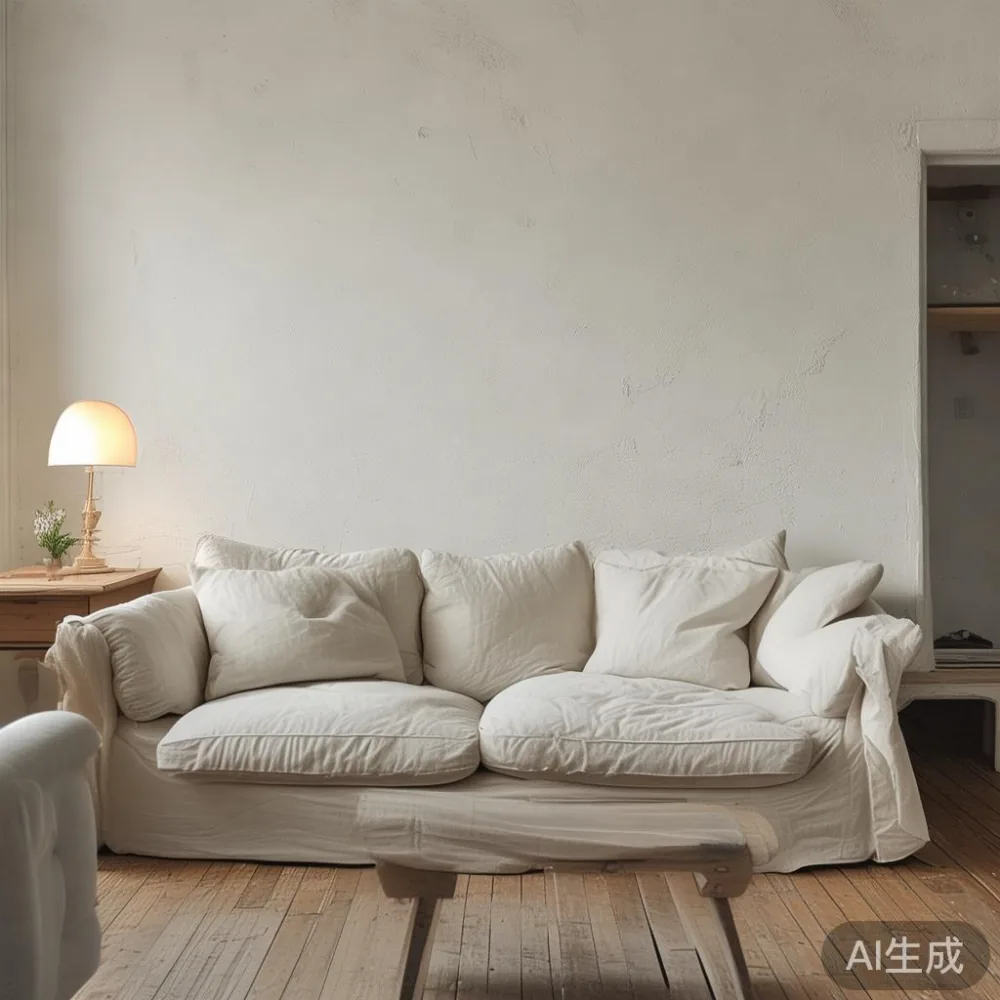
Decoding the Frame: The Unseen Foundation of Comfort
The most critical part of any sofa is what you can't see: the internal frame. This is the skeleton that supports everything else. A weak frame leads to a sagging, uncomfortable, and short-lived sofa. For a small-space solution, where furniture often needs to be more durable due to frequent repositioning or serving multiple functions, a solid frame is non-negotiable. Look for sofas constructed from kiln-dried hardwood, such as oak, beech, or rubberwood. Kiln-drying prevents the wood from warping or cracking over time due to Singapore's humidity. Ask about the thickness of the wood; a frame with beams that are at least 4 cm thick is a good indicator of quality. The joints are equally important; they should be reinforced with corner blocks and dowels, not just staples or glue. A colleague of mine recently visited a factory in Foshan and noted that the best manufacturers, like some that supply to Singapore, use a double-dowel and glue construction for their corner joints, which significantly increases the frame's stability. This attention to detail ensures the sofa will hold its shape for years, making it a worthwhile investment even without a test sit.
The Suspension System: The Secret to Long-Lasting Support
Once the frame is solid, the next component to investigate is the suspension system. This is what connects the seating cushions to the frame and dictates how the sofa feels when you sit on it. There are two main types: webbing and sinuous springs. Webbing, typically made of polyester or nylon straps, offers a firm, bouncy feel. It's durable and provides even support across the entire seat. Sinuous springs, or 'zig-zag' springs, are S-shaped steel wires that run front to back. They offer a softer, more contouring feel. For a small-space sofa that might be used for everything from movie nights to afternoon naps, a high-quality suspension system is key. Ask about the gauge of the steel used for sinuous springs; a lower number indicates a thicker, stronger spring. A good quality system will use 8-gauge or 9-gauge springs. For webbing, ensure it is a multi-layer, high-tensile variety, not the cheaper single-layer kind. A weak suspension system is one of the first things to fail, leading to that dreaded sagging that ruins a sofa's comfort and appearance.
Cushion Comfort: Filling, Density, and Feel
While you can't sit on the sofa, you can physically inspect the cushions. This is where you can get a sense of the comfort level. Remove the cushion covers if possible and feel the filling. There are three primary types: foam, down, and a blend. Foam is the most common. Look for high-density foam, measured in kilograms per cubic metre (kg/m³). A seat cushion with a density of 30 kg/m³ or higher will provide excellent support and is less likely to flatten over time. Back cushions can be slightly less dense, around 25 kg/m³. Down-filled cushions offer a luxurious, soft feel but require regular fluffing to maintain their shape. Many high-end sofas use a 'down-wrapped foam' core, which combines the support of foam with the softness of down. Ask about the ratio; an 80/20 foam-to-down blend is a popular choice that offers a good balance. The firmness is a matter of personal preference, but for a small space where the sofa is a multi-functional piece, a medium-firm to firm cushion is often the most practical choice, offering support for sitting and a solid surface for placing a tray.
Dimensions and Fit: The Singaporean Apartment Reality
This is perhaps the most practical step in the process, especially in Singapore. A sofa might look perfect in a showroom, but if it doesn't fit through your door or into your living room, it's useless. Grab a measuring tape and get precise. Measure the sofa's height, width, and depth. Don't forget to measure the height of the back, as this can impact the room's perceived size. Most importantly, measure the path from your front door to the final location of the sofa. In older HDB flats, the corridor width might be as narrow as 80 cm. You need to ensure the sofa can make the turns. The lift is another major consideration. Standard HDB lifts have internal dimensions of approximately 110 cm wide by 210 cm deep. A sofa that is 105 cm wide will fit, but one that is 115 cm wide will not. When you receive the dimensions, factor in packaging. A sofa that is 100 cm wide might be delivered in a box that is 120 cm wide. Always confirm the delivery box dimensions with the seller. For those in condos with service lifts, the dimensions can be even smaller, so double-check your building's specifications. A small space demands precision; a few centimetres can be the difference between a perfect fit and a logistical nightmare.
Fabric and Finish: Aesthetics and Practicality for Small Living
The fabric is the skin of the sofa, and it plays a huge role in both aesthetics and durability. Since you can't test it for wear, you need to ask detailed questions about the material. Look at the fabric's rub count, measured in Martindale tests. A count of 30,000 is suitable for residential use, while 60,000 or higher is excellent for high-traffic areas or homes with children and pets. Consider the colour and pattern in the context of your small space. Light colours can make a room feel bigger, while dark colours can create a cosy, cocooning effect. Texture also matters; a linen blend might feel more breathable and casual, while a velvet or microsuede offers a more luxurious, light-luxury feel. If you're drawn to a post-modern light luxury aesthetic, a bouclé or chunky knit fabric might be the perfect choice. Ask for a physical sample. A small swatch of fabric can tell you a lot about its texture, weight, and colour in your own home's lighting. This is especially important when trying to match it with other pieces like a solid wood coffee table or a marble table. Seeing the fabric in your space is the best way to ensure it complements your existing decor.
Warranty, Delivery, and Returns: The Fine Print
Finally, before committing to a purchase, review the practical details. A reputable manufacturer will stand behind its product. Look for a structural warranty; a 10-year warranty is a strong indicator of confidence in the frame and construction. Also, inquire about policies for cushioning and fabric. A lifetime refinishing guarantee on the wood frame is a fantastic benefit, ensuring your sofa can be restored if it gets scratched over time. Delivery is a major factor in Singapore. Ask about the cost and the timeline. Free shipping over SGD 350 is a standard offer from good brands, which can save you a significant amount. Confirm the delivery process: Will it be curb-side, or will the delivery team bring it into your home and set it up? For a small-space apartment, having the delivery team place the sofa in the final position is invaluable. Also, understand the return policy. A 14-day return policy gives you a safety net if the sofa doesn't meet your expectations once it's in your home. These terms protect you as a consumer and provide peace of mind with a significant purchase. When I tested a sofa from a local brand last month, I specifically asked about their delivery policy for HDBs and was pleased to learn they offered white-glove service, including removal of packaging, which made the entire process hassle-free.
Making Your Final Decision
After gathering all this information, you can make an informed decision. Compare the specifications of your shortlisted sofas side-by-side. Look for the best balance of quality materials, solid construction, and suitable dimensions for your home. Consider the price point. A sofa from a brand that offers 2026 Italian light luxury furniture will command a higher price, but you are paying for design, materials, and craftsmanship. On the other hand, finding affordable options for cheap light luxury furniture is possible if you focus on the core structural elements. Ultimately, the right sofa is one that fits your space, aligns with your aesthetic—whether it's Japanese sofa vs Modern sofa or a more traditional style—and is built to last. By following this guide, you can confidently purchase a sofa you've never sat on, knowing it will be a perfect fit for your life and your home.
Small Space Living Beyond the Sofa
Once you've mastered the art of buying a sofa for your small space, you can apply the same principles to other furniture. The same scrutiny for frame quality, dimensions, and durability should be applied when selecting a bed frame. For example, if you're wondering is Japanese bed worth it for your compact bedroom, you would investigate its slat system, the quality of the solid wood used, and its footprint. The same goes for a dining table; ensuring it can fit in your dining area and that the chairs can be stored away is key. Even a nightstand or wardrobe needs careful measurement to ensure it doesn't overwhelm the room. The principles of smart furniture buying are universal. A well-chosen wardrobe can provide ample storage without making a bedroom feel cramped, and a carefully selected marble table can add a touch of elegance to a small dining area without taking up too much visual or physical space. The goal is to create a harmonious and functional living environment, piece by piece.
Exploring Different Styles for Your Home
Your choice of sofa is a reflection of your personal style. For a serene and uncluttered look, a Scandinavian-inspired piece might be ideal. If you're searching for the best Scandinavian bed for 2026, you would look for clean lines, natural wood tones, and functional design. Alternatively, a French light luxury style might appeal to you, with its emphasis on elegant curves, soft fabrics, and a touch of opulence. This style can bring a sense of romance and sophistication to a condo in Punggol. For a guest room, you might opt for a Rustic for guest room theme, using a sofa bed or a daybed with natural wood and textured fabrics to create a welcoming and comfortable space for visitors. The key is to choose a style that not only looks good but also works functionally within the constraints of your small space. Each style offers different solutions for maximizing comfort and aesthetic appeal.
The Value of a Trusted Partner
Working through the world of furniture can be complex, especially when you can't physically test the products. This is where partnering with a trusted manufacturer or retailer becomes invaluable. A company with a long history, like MIDHILL established in 2008, brings a wealth of experience and a deep understanding of customer needs. They have likely perfected their processes to account for the specific challenges of the Singapore market, from working through HDB corridors to understanding the local climate. Their commitment to a 10-year structural warranty and lifetime refinishing is a promise of quality that you can rely on. When you choose a partner like this, you're not just buying a piece of furniture; you're investing in peace of mind. They provide the assurance that even without a test sit, your purchase is built to last and will be a beautiful and functional addition to your home for many years to come.