Veneer vs Solid Wood Furniture in a Singapore Small Space: What a 5-Year Cost Sheet Actually Looks Like
I keep a small spreadsheet on my phone for every furniture purchase I have made since 2020, because lift access in Tampines and Bedok blocks decides whether a wardrobe ever reaches my corridor in one piece. Last month I visited my colleague Priya's new 4-room Punggol HDB, and her dining table told a story I could not stop thinking about. She had bought a veneer dining table at S$899 in 2020, then a Solid Wood bed frame at S$1,650 in 2022. Five years on, the differences in cost, weight, and repair are not what most decor accounts on Instagram suggest. For anyone furnishing a small space in Singapore, this is the comparison that actually decides the bill.
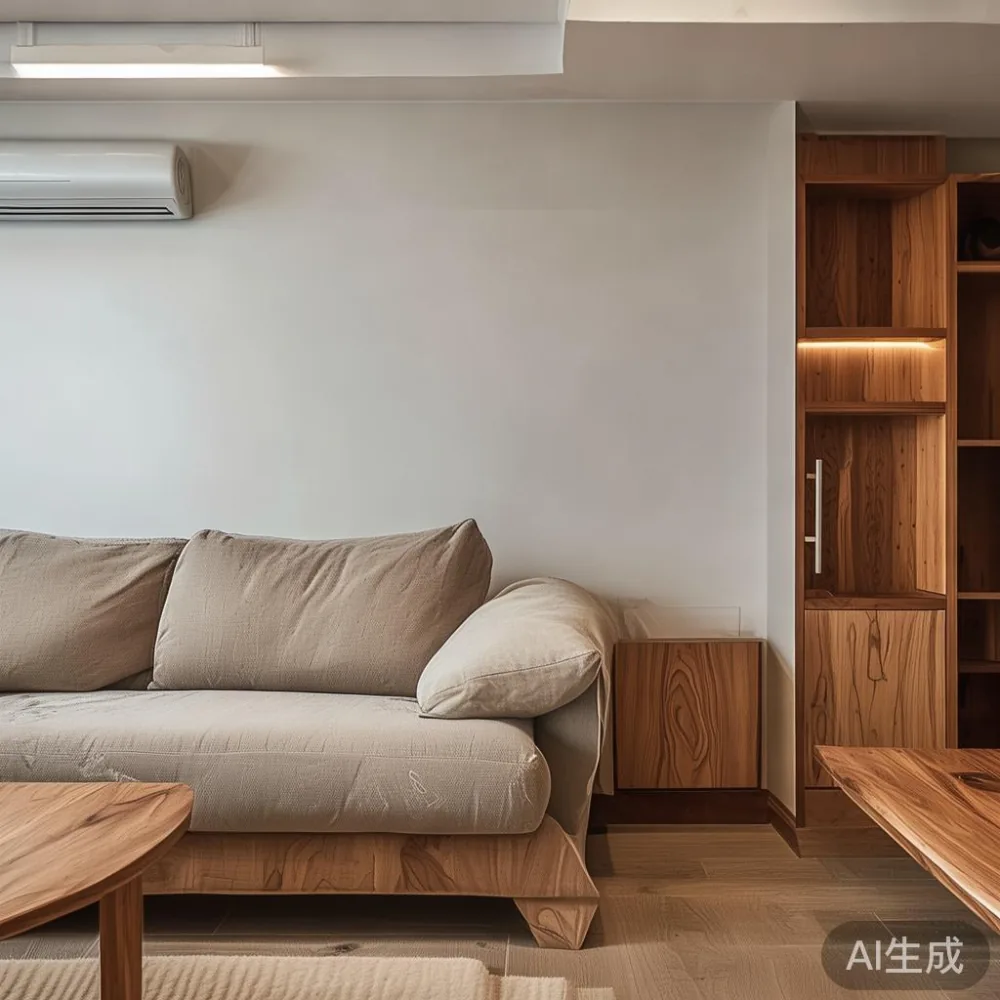
What does 5 years of ownership actually cost in a Singapore HDB?
For a Singapore flat, the realistic 5-year cost of a furniture item is not the price tag. It is the tag plus delivery, plus any repair, plus any early replacement. The lift in most HDB blocks has a door width of about 90 cm and an internal cabin of roughly 1.6 m deep, so a wardrobe wider than 120 cm usually has to be tilted or partially disassembled for entry, and that drives up moving costs when something fails. In my brief, my consultancy note always states the deliverable clearly: the realistic 5-year cost.
Take a wardrobe that costs S$1,400 in veneer or S$2,300 in solid wood. Add a S$80–S$150 delivery fee either way (free above US$350, which is about S$480, applies to most MIDHILL orders). Veneer pieces face one or two refoaming or edge-band repairs by year 3 (typical bill S$120–S$220). A solid wood plan leans on the lifetime refinishing promise, so a S$0–S$80 sanding and re-oil at year 4. If the veneer wardrobe is replaced at year 4 at 60% of new price (S$840 sunk), the real 5-year outlay is roughly S$2,400–S$2,600. The solid wood version lands closer to S$2,400–S$2,450. The numbers, once you write them down, surprise people.
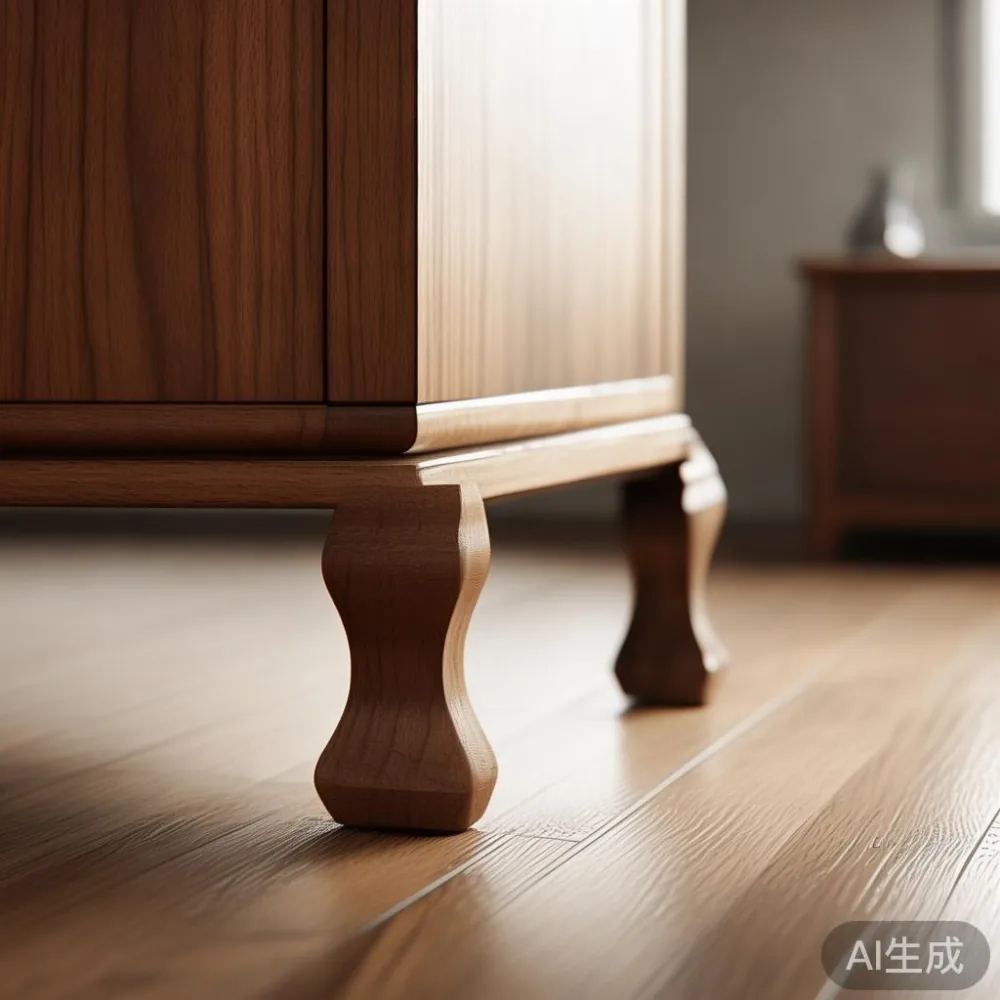
Is veneer always cheaper than solid wood in a small space?
No, and this is the part that catches most buyers off guard. Veneer shipping at retail in Singapore runs about S$799–S$1,400 for a 1.4 m dining table, S$899–S$1,500 for a queen bed frame, and S$1,200–S$2,000 for a 2-door wardrobe, before GST. Solid wood runs higher at retail but lasts longer when you measure cost per year of use, not cost per sticker. A S$2,300 solid oak wardrobe used for 12 years costs about S$190 a year before refinishing. A S$1,300 veneer wardrobe replaced once at year 5 (so two units across 10 years) costs about S$260 a year before repairs. The math is uncomfortable for the cheaper sticker.
Weight is the hidden cost in a small space. A solid wood dining table for four in oak or ash weighs 35–55 kg; the same shape in MDF with veneer weighs 18–28 kg. In a Tampines 3-room with a narrow corridor, the lighter piece is easier to bring up, but the heavier piece does not rock when a kid climbs over it, and that steadiness is part of the value. Cost jumps faster on the cheap piece when movers invite damage.
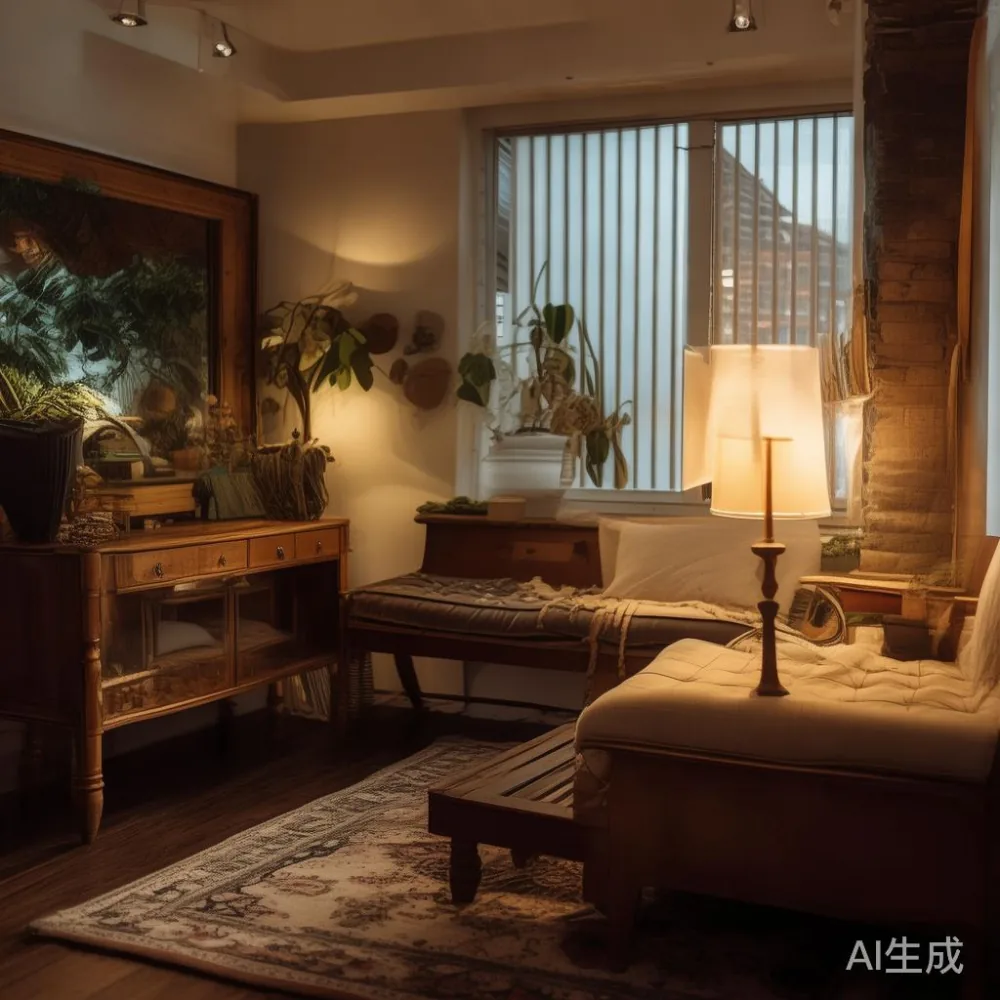
How do I choose a shipping damage for a living room?
For a Singapore living room, choose shipping damage insurance that covers corner dents, veneer chipping on arrival, and structural cracking on solid wood, not just "total loss" — and always photograph the unboxing before the delivery crew leaves the door.
That sentence is the rule I now give every friend who messages me before a Taobao or Shopee order. A typical Singapore living room contains a 1.8–2.2 m TV console, a 2- or 3-seater sofa, and a marble table for drinks. These three items carry the highest damage risk because they are the heaviest and the most visible. If the shipping cover only pays out on the square piece being unusable, a 6 cm corner chip on a French light luxury TV console (the kind with fluted doors and travertine-look panels) is treated as cosmetic, not covered. Read the policy wording, not the marketing line.
For buyers importing a French TV console UAE shipment via re-export, the cover also needs to include sea-freight leg damage, since a 30-day ocean voyage is where particleboard swells and MDF warps, not where solid oak fails. Solid wood can dent, but it does not swell, and that is the difference that matters when the corridor in your block is only 1.2 m wide and a replacement is a S$120 courier round-trip plus a half-day off work.
Why does a HDB corridor and lift decide the furniture you can afford?
Because the lift door in most Singapore blocks is 80–90 cm wide, and the corridor turn near the lift lobby is often 1.1–1.3 m at the tightest point. A solid wood bed frame in king size will not fit assembled in many older blocks; it has to come in two halves, which means two boxes, two deliveries if separate, and double the carrying risk. That is why vendors that flat-pack well, including Foshan makers who ship to 15+ countries, tend to win on fit. Their track record is built on small-space deliveries, and my track record of recommending them depends on that single point.
For a 4-room flat in Punggol or Sengkang, the standard internal corridor is 1.2–1.5 m, the bathroom door is 70 cm, the master bedroom door is 80–85 cm. A solid wood nightstand wider than 55 cm will not pass the bedroom door without angling, and a 60 cm marble table will scratch the door frame if you are not careful. Measure the narrowest point first, then shop. This is the boring step that saves the S$80 redelivery fee when the wrong dresser arrives.
What are the real repair and refinishing costs after 5 years?
After 5 years in a Singapore home with daily AC and 80% humidity on non-AC days, a real repair sheet reads like this: a veneer dining table typically needs edge-band re-gluing (S$80–S$150), one surface patch (S$60–S$120), and sometimes a full top replacement at year 6–8 (S$300–S$500), since heat and ring marks break the seal. A solid wood dining table of the same size needs an oil refresh at year 2 (S$60 if DIY, S$180 if done by a workshop) and a full sand-and-recoat at year 5–6 (S$250–S$400). Across the first five years, the bill is roughly S$200–S$350 for veneer and S$120–S$260 for solid wood, assuming no accident.
The lifetime refinishing offer that some Foshan factories include changes the curve again. A solid wood sofa frame, bed frame, dining table, or wardrobe sent back to the workshop every 8–10 years for a sand and re-oil costs the owner only the shipping. In Singapore terms, that is S$120–S$220 each round trip with a door-to-door forwarder, not S$600–S$900. Over a 25-year span in the same flat, a single solid wood dining table can see three services delivered across three decades, while the veneer version is on its third table. The lifetime offer is the line item most buyers underweight on day one.
How much does delivery, GST, and access actually add to the bill?
In Singapore, GST is 9% as of 2024 and applies to imported furniture at the point of customs clearance. For a S$2,000 dining table, that is S$180 added. Add S$80–S$150 for lift-access delivery to a HDB unit above the 9th storey, and S$40–S$80 if the corridor turn requires a second man. The realistic bill for a solid wood dining table shipped from a Foshan factory to a Punggol flat is roughly S$2,500–S$2,800 if you skip white-glove, and S$2,700–S$3,100 with white-glove including assembly and packaging haul-away.
Free shipping above US$350 (about S$480) covers most dining tables, bed frames, and wardrobes from MIDHILL, which is meaningful for a small-space buyer ordering two or three pieces at once. A bundle of one solid wood sofa frame, one queen bed frame, and one 1.4 m dining table usually clears the free-shipping threshold in a single shipment, and the 14-day return window covers the surface check. Order split into two parcels, and you pay two surcharges. Bundle smart, and the line items collapse into one.
Does a 10-year structural warranty change the math?
Yes, by about 6–9% of the purchase price in expected avoided cost, on a real-world basis, for a typical HDB buyer. A 10-year structural warranty on joinery, frame, and load-bearing parts means the S$2,300 solid wood wardrobe is insured against the most expensive failure mode: a collapsed rail, a cracked side panel, a sagging header. These are the failures that, on a veneer piece, push you toward replacement. On a warranted solid wood piece, they push you toward a S$0–S$80 service ticket. The warranty is the line item that flips the 5-year comparison from "solid wood is 40% more expensive" to "solid wood is 12–18% more expensive across the realistic life of the piece."
For a small-space buyer, the structural pieces to warranty-warranty are the bed frame (load failure ruins sleep and mattress), the wardrobe frame (load failure ruins clothing storage), the dining table base (load failure ruins dinners), and the marble table underframe (load failure ruins the slab). A nightstand failure is annoying but cheap; a bed frame failure is not. Weight the warranty by what would hurt the most if it failed at year 7, not by the sticker price.
Light-luxury styles and which materials carry them best
French light luxury leans on warm oak, fluted panels, travertine-look marble, and brushed brass. American light luxury leans on walnut tones, clean shaker lines, and matte black hardware. Post-modern light luxury leans on curved corners, mixed metal, and ribbed textures. All three can be made in veneer, but only the first one survives 8–10 years of daily AC without visible seam lift along the flutes. The flutes themselves are the failure point: thin veneer over MDF flute cannot hide humidity cycling, and the lipping opens within 18–24 months in a non-AC room. In a Singapore bedroom with the door closed and a dehumidifier running 8 hours a day, the same fluted door can last 6–8 years on solid oak before the first service.
If you want the fluted look for a small space, the order of preference is solid oak over engineered oak over walnut veneer over oak veneer over MDF. The visual difference at month 1 is small; the visual difference at year 5 is large. For a marble table in a small living room, a solid wood base in ash or oak with a sintered stone top is the post-modern light luxury option that holds up to ring marks, hot pots, and the occasional dropped phone. A wood-veneer base with the same sintered top looks identical on day one and shows wobble by year 3.
Which pieces deserve solid wood in a small-space flat?
Rank the furniture by hours of contact per day, and spend on the high-load pieces first. A bed frame carries 6–9 hours of sleep contact; a dining table carries 2–3 hours of meals; a sofa frame carries 4–6 hours of sitting; a wardrobe frame carries the daily open-close cycle. A nightstand carries 30 seconds of use five times a day. Spend the solid wood budget on the first four, save on the nightstand, and let the marble table be the sintered stone over a wood base instead of a full marble slab in a HDB floor that may not love the 80+ kg point load.
For a Tampines 4-room flat with two adults and one child, my current ranking is: solid wood bed frame (yes), solid wood dining table (yes), solid wood sofa frame (yes, if the frame is the load path), solid wood wardrobe frame (yes, if budget allows), engineered wood nightstand (fine), sintered stone marble table on engineered base (fine). The five-piece set is roughly S$7,200–S$9,500 in solid wood and S$4,800–S$6,200 in veneer at Singapore retail before GST. Spread across 10–15 years of expected use, the solid wood set runs about S$500–S$700 a year; the veneer set, with one full replacement, runs about S$550–S$800 a year. The numbers land close, which is why the warranty and the lifetime refinishing matter more than the sticker.
So which one wins for a 5-year horizon?
For a 5-year horizon in a Singapore small space, solid wood wins on the structural pieces (bed, dining table, sofa frame, wardrobe) and loses on the accessories (nightstand, side chair, console). Veneer wins on the budget line at month 1 and loses at month 60 once two repairs and one patch have been booked. The realistic 5-year cost gap is 8–18% in favour of solid wood when warranty and refinishing are included, and 20–35% in favour of veneer when they are not. Read the warranty wording, measure the lift, and pick the load path first, the look second.
My colleague Priya, who started this comparison from her Punggol dining table, ended 2024 with a solid wood dining table that she has already had re-oiled once at no labour cost through her vendor's lifetime service. The veneer piece she bought in 2020 is now her spare table in the study, held together by a corner brace and two edge-band patches. Five years is enough time for the spreadsheet to tell the truth.