Tropical Climate Care: Maintaining Lacquered Furniture Surfaces
Living in Singapore means living with heat that hovers around 31°C for most of the year, humidity that rarely drops below 70 percent, and afternoon thunderstorms that push moisture readings even higher. If you have just bought a solid wood dining table, a lacquered wardrobe, or a marble-topped nightstand for your Tampines or Punggol HDB flat, you already know that lacquer looks gorgeous on day one. Keeping it gorgeous through year three, year five, and year ten is a different conversation.
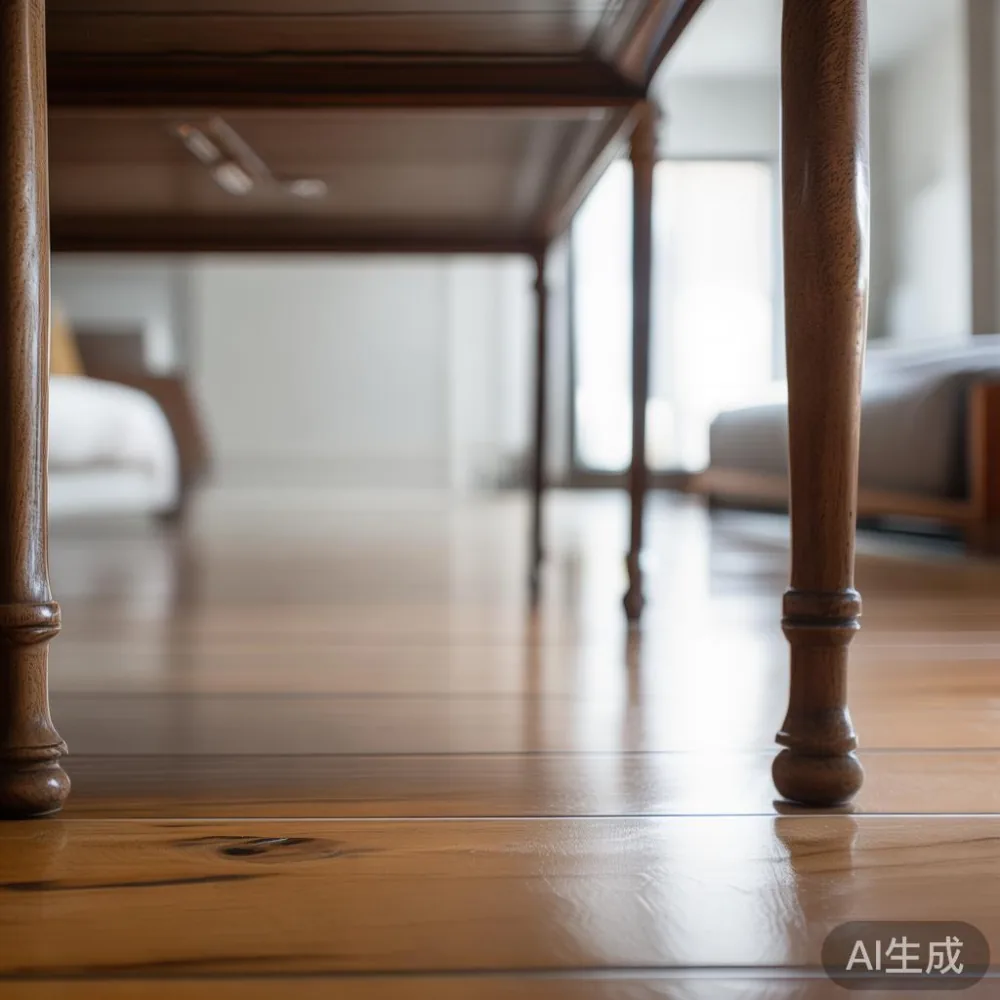
Last month I visited a 92 sqm four-room HDB in Bedok with my colleague, a homeowner who had moved in her lacquered post-modern light luxury furniture set in early 2023. Two years on, the sideboard by the corridor entrance had developed a faint cloudy patch near the handle, and the dining table had a pale ring from a glass of cold chrysanthemum tea. Neither problem was permanent. Both could have been avoided. This guide is built around what actually happens to lacquer inside a small space in a tropical climate, and what you can practically do about it.
Why lacquer and tropical humidity do not get along
Lacquer is a cured film. Once it sets, it is technically stable, but it is also slightly porous at the microscopic level. In a place like Singapore, where the average relative humidity sits between 70 and 85 percent for nine months of the year, that film is constantly absorbing and releasing moisture. The wood underneath it expands and contracts. The lacquer tries to keep up. Over time, the bond between the two weakens, and you see the symptoms: hairline cracks near joints, a dull film where the sheen used to be, white rings from a wet coaster, or a sticky surface that never quite feels dry.
Add air-conditioning cycles into the picture. Most HDB bedrooms run a 1.5 kW split unit for six to eight hours a night, dropping room humidity from 75 percent to roughly 55 percent within 30 minutes. That swing is the real enemy. Wood moves more across a 20-percent humidity change than it does across a 5°C temperature change, and lacquer, being less flexible, tends to lose adhesion at the edges first. Lift-up condo corridors in Punggol are typically only 1.2 m wide, so you cannot always air your furniture in the open without inconveniencing your neighbours. Practical care inside a small space is therefore the only realistic option.
The first 30 days: how to settle a new lacquered piece
When a piece arrives from Foshan by lorry and through your lift lobby, give it 48 hours to acclimatise before you load it with books or tableware. Solid wood needs that window to equalise with your indoor climate, which inside a typical Singapore condo is usually 24 to 27°C and 55 to 70 percent RH with the air-con running.
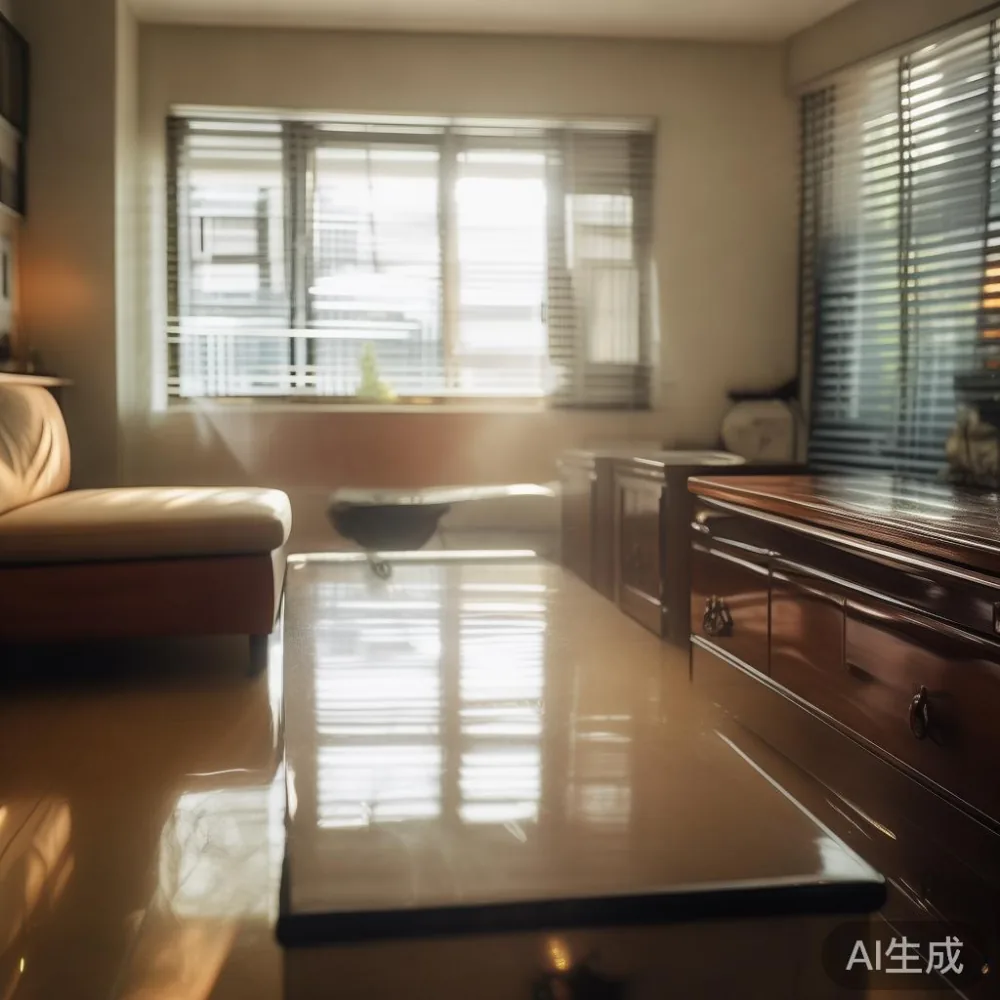
Position the piece at least 15 cm away from any external wall. HDB party walls in newer BTOs are concrete and well insulated, but the wall behind your bed headboard often hides a service corridor or a wet kitchen, and condensation can form along that line in the early morning. A 15 cm gap keeps air moving and prevents a microclimate from building up against the lacquer.
If you are placing a dining table near a window, choose one that faces east rather than west. Direct afternoon sun in Singapore can push a tabletop surface temperature above 45°C, and lacquer softens noticeably above 40°C. East-facing windows in Tampines and Bedok get softer, indirect morning light that will not threaten the finish.
Daily and weekly care that actually works
Wipe the surface with a dry microfibre cloth every two to three days. Skip feather dusters, which drag grit across the lacquer and create micro-scratches that dull the sheen over twelve to eighteen months. A 40 by 40 cm microfibre cloth from any local Daiso or NTUC FairPrice at S$3.90 does the job. Fold it into quarters so you have eight clean faces per session.
Once a week, use a damp cloth that has been wrung out until no water drips. Never spray directly onto the surface. Always spray onto the cloth, ideally at a distance of 10 cm, with a pH-neutral wood cleaner that costs around S$18 to S$28 for 500 ml at homeware stores in IMM or Isetan Scotts. Wipe along the grain, not across it, and dry the surface within 30 seconds. Standing water on lacquer for more than 60 seconds is the most common cause of the white cloudy ring that the Bedok homeowner showed me.
For sticky spots, a small amount of rubbing alcohol diluted 1:4 with distilled water lifts residue without stripping the film. Always test on an inconspicuous area first, such as the back-left leg of a dining table or the inside of a wardrobe door, and wait five minutes before checking for dulling.
What should I do about humidity levels inside a 92 sqm HDB flat?
This is the question I get most often from buyers in Punggol and Sengkang, where the new BTOs are larger but the ventilation patterns are similar to older flats. A small dehumidifier rated at 8 to 12 litres per day, costing roughly S$189 to S$289 from Harvey Norman or Courts, will hold a bedroom between 50 and 60 percent RH without driving up your electricity bill by more than S$6 to S$10 a month. Run it on a hygrostat setting rather than continuously, so the unit switches off when the target is reached.
Place the dehumidifier at least one metre away from any lacquered wardrobe or solid wood bed frame. Pointing the dry outlet directly at furniture is a common mistake that cracks the film along panel edges within a season. If you are storing a marble table or a lacquered nightstand in a room without air-conditioning, leave the wardrobe doors slightly ajar, around 2 cm, to allow air exchange. Closed, airless cabinets in tropical bathrooms are the worst place to store a lacquered surface, even briefly.
Bathrooms in most Singapore HDB flats are 4 to 5 sqm and can hit 90 percent RH during a hot shower. Never store lacquered furniture in there, even for a few hours. The lift in your block may be only 2.1 m tall and 1.1 m wide, but the bigger restriction is the doorway at 0.9 m. Measure before you plan to move a wardrobe or a dining table into a tight service yard.
How do I handle spills, rings, and small scratches?
Act within 30 seconds. Blot, do not wipe. Use a paper towel or a clean dry cotton cloth to lift the liquid, then dry the area with a microfibre cloth. If a ring has already formed, place a cotton cloth over the mark and press gently with a warm iron set to silk, no steam, for five to eight seconds. The heat redistributes the lacquer and the ring usually disappears.
For small scratches, a wax filler stick in a matching tone, costing S$12 to S$22 at any hardware shop in Balestier, fills the gap. Press it in with your fingertip, level it with a plastic card, and buff after 24 hours. For deeper scratches that reach the wood, a professional re-lacquering at a local workshop runs S$120 to S$280 per panel, which is a fraction of replacing a piece.
If you are comparing a French bed vs Mid-century modern bed for a small bedroom, remember that both will arrive with a lacquered headboard panel, and the care routine is identical. A French provincial silhouette with curved cabriole legs demands a slightly different approach at the joints, where the grain runs in two directions and absorbs moisture unevenly. Wipe those joints every week, not every two weeks.
Owners shopping for a solid wood dining table from MIDHILL furniture collections often ask me whether the factory finish can be retouched at home. The honest answer is: light marks yes, deep marks no. A factory-catalysed lacquer is cured at 60 to 80°C and is harder than anything you can apply with a brush at room temperature. A brush-on repair will always look different in raking light. For anything beyond a fingernail test, send the piece back to a workshop.
Long-term protection: positioning, lighting, and accessories
Three accessories do most of the heavy lifting in a tropical home: coasters, placemats, and felt pads. A pack of 6 solid wood or cork coasters runs S$24 to S$48 and will outlast three to five re-lacquering cycles. Felt pads under lamps, vases, and table-top decor cost S$6 for a sheet of 24 at Daiso. Without them, a bedside lamp on a lacquered nightstand can wear a visible ring within a year of nightly use.
Lighting matters more than most owners expect. LED bulbs at 2700K produce less heat than halogen or older CFL lamps. A 9W LED sitting 30 cm above a lacquered surface adds about 1.5°C to the local temperature, while a 40W halogen adds 6 to 8°C. That small difference, sustained for five hours every evening, dries out the lacquer unevenly and fades pigmented finishes. Stick to warm LEDs and lift the lamp at least 40 cm above the surface.
Curtains in a west-facing window reduce afternoon heat gain by 30 to 40 percent. Linen or cotton sheers, washed monthly to remove salt residue from sea breezes in East Coast, cost S$60 to S$180 per panel and are a cheaper insurance policy than re-lacquering a faded sideboard.
When to call a professional and what to budget
A light buff and re-coat of a dining table top runs S$180 to S$320 in Singapore, depending on whether the piece is moved to a workshop or refinished on site. A full strip, sand, and re-lacquer for a four-door wardrobe is S$650 to S$1,100, again depending on access. If your lift is rated at 630 kg, which is the HDB standard, a disassembled wardrobe panel of around 35 to 50 kg each is straightforward to move. If you live above the 25th floor, expect a small surcharge of S$40 to S$80 for the extra handling time at the loading bay.
Buyers choosing between a light luxury bed vs Japandi bed for a compact bedroom should know that both rely on lacquered headboard panels, and both benefit from the same care routine. The same applies whether you are browsing a French provincial silhouette or comparing Italian light luxury for dining room pieces. The wood species, the joinery, and the lacquer film behave the same way in our climate; only the styling changes.
For a small balcony or service yard in a Punggol Build-To-Order flat, do not assume outdoor-rated finishes will survive without cover. Even a UV-stable lacquer will fade within 18 months under direct afternoon sun. If you want a dining setup outdoors, choose a piece with an oil finish instead, or accept the patina.
Common mistakes Singapore owners make with lacquered pieces
The five mistakes I see most often, ranked by frequency:
1. Using silicone-based polishes such as Pledge or generic furniture sprays. They leave a soft, waxy film that attracts dust and turns yellow within six months under tropical UV. Once applied, the residue is hard to remove without stripping the surface.
2. Placing a hot pot or a freshly boiled kettle directly on the table. A 95°C surface will blister factory lacquer in under three seconds. Always use a trivet, even for a quick tea session.
3. Closing air-conditioning vents near a lacquered wardrobe. Cold air hitting one side of a panel creates a temperature gradient that opens up joints at the corners.
4. Skipping the first 48-hour acclimatisation window. A piece moved from a 35°C lorry bay into a 24°C air-con room within an hour will sometimes show a hairline crack by morning.
5. Re-lacquering over an existing finish without sanding. The new coat will peel within four to six months because the bond cannot form on a smooth, cured surface.
A realistic care calendar for the next ten years
Think of the schedule in three horizons. Year one: weekly microfibre wipe, monthly damp clean, dehumidifier running four to six hours a day during the wetter months from November to February. Year two to five: add a quarterly inspection of joints and edges, light buff with a pH-neutral polish once every six months, and a professional re-coat of high-touch surfaces like dining table tops every three to four years. Year five to ten: expect one full re-lacquer on heavily used pieces such as a dining table or a coffee table, and minimal intervention on lower-traffic items like a bed frame or a wardrobe exterior.
If you have bought a piece from a brand with a structural warranty of ten years, keep the invoice and care notes. Refinishing is a separate service and is often offered at a fixed workshop rate, which for a single dining table top runs S$220 to S$380. For buyers who chose a marble table for the dining room, the lacquered base still needs the same routine, even though the top is stone.
Owners searching for sale Modern furniture online often focus on shape and price and overlook the aftercare cost. A 1.6 m solid wood dining table that costs S$1,680 new will need roughly S$220 to S$380 in professional care over a ten-year span to keep the finish looking close to day one. That works out to about S$2 to S$4 a month, which is the price of two cups of kopi at the hawker centre.
For the homeowner in Bedok, the cloudy patch on the sideboard came up in under fifteen minutes with a damp cloth, a drop of pH-neutral cleaner, and a microfibre buff. The tea ring on the dining table needed the warm iron trick, twice, and disappeared by the end of my visit. Neither fix required a workshop. Both will be easier to prevent from now on, because she has reset her coaster habit and added a small dehumidifier to the dining area. That is the real point of caring for lacquered furniture in Singapore: small habits, repeated weekly, will save you a workshop bill every few years and keep every piece, from the bed frame to the nightstand, looking the way it did the day the lift doors opened on the 14th floor.