Caring for Lacquered Surfaces in Tropical Small Spaces
Lacquer can give a solid wood sofa, bed frame, dining table, wardrobe, or nightstand a polished finish that suits a Singapore home. It can also show fingerprints, pale rings, and fine scratches if the surface is exposed to humidity, heat, and everyday handling without the right care routine. In a compact HDB flat or condo around Tampines, Bedok, or Punggol, where rooms must work hard and furniture often sits near windows, controlled care matters.
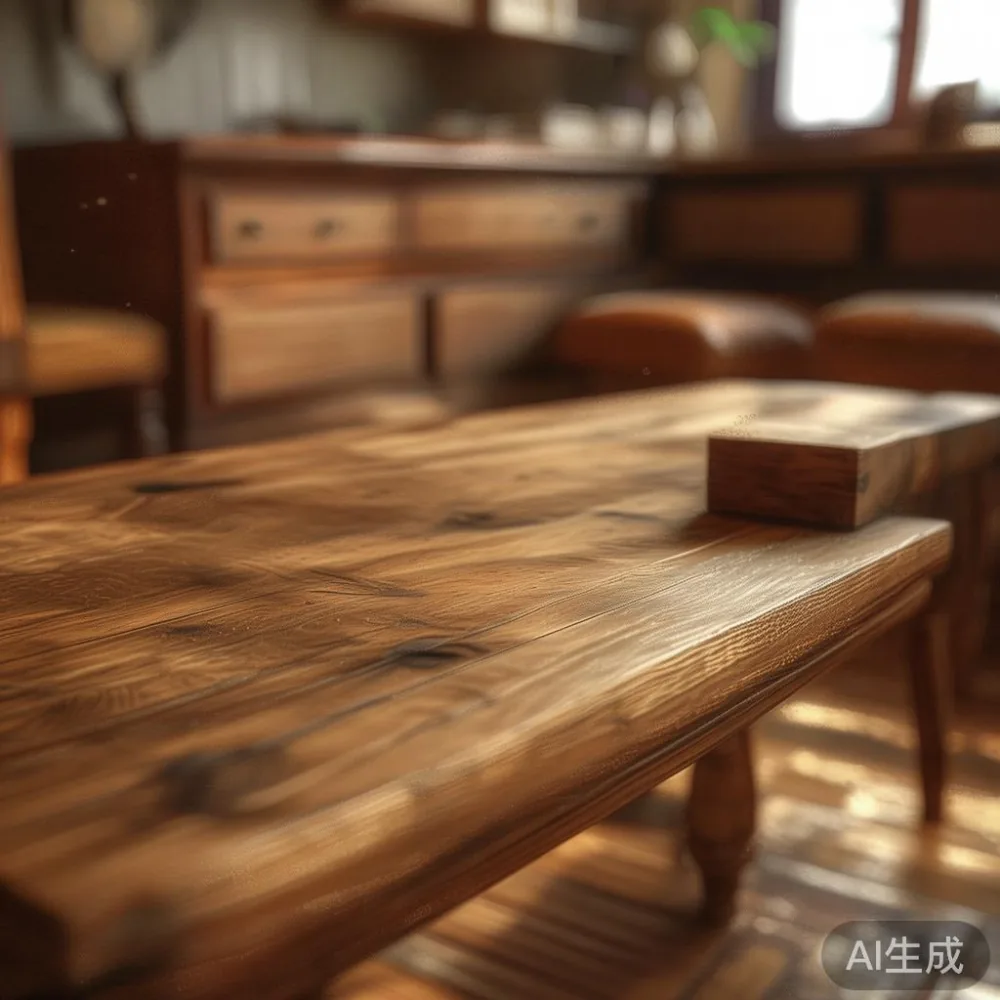
This guide focuses on lacquered surfaces within a small space home. It explains how humidity affects the finish, which products are safe to use, and how to protect pale timber without making the room feel clinical. MIDHILL uses solid wood construction, offers a 10-year structural warranty, and provides lifetime refinishing, but the finish still benefits from sensible maintenance.
How does tropical humidity affect lacquered wood?
Singapore’s warm, humid weather can encourage lacquer to soften slightly, become dull, or develop a cloudy haze. Prolonged moisture may also affect the timber beneath the finish, while repeated temperature changes can cause movement around joints and edges. A room without air-conditioning can experience considerable daily swings, particularly in west-facing flats and units with large glass panels.
Keep the surface away from obvious moisture sources. Wipe drinks quickly, use coasters under wet items, and leave roughly 30 cm between a lacquered cabinet and an exterior wall that receives rain. Avoid placing a lacquered dining table directly beneath an open window where rain-driven humidity can reach it. For a wardrobe near a corridor or balcony door, check that the sliding or hinged doors do not press against the carcass when humidity causes the timber to expand.
Ideal indoor conditions are usually around 21–24°C and 40–60% relative humidity. Singapore homes may sit outside that range for hours, so airflow is useful. Run the air-conditioner for 1–2 hours in the evening, use a fan when the outside humidity permits, and leave 10–15 cm of clearance above a solid wood bed frame where practical. These measures cannot stop every seasonal change, but they reduce repeated surface stress.
What should I use to clean a lacquered finish?
Choose a soft, lint-free microfibre cloth and a small amount of mild dish soap diluted in warm water. Mix about 1 teaspoon of soap with 500 ml of water, dampen the cloth rather than the furniture, and wipe in the direction of the grain. Then use a second clean cloth to remove residue. Test an inconspicuous area for 10 minutes before treating the entire panel.
Do not use ammonia, bleach, alcohol, acetone, abrasive powder, steel wool, or household degreaser. Even a small amount of silicone-based cleaner can create a patchy surface, while scrubbing can leave visible swirl marks around lacquer. Avoid spraying cleaner directly onto a solid wood sofa, bed frame, dining table, wardrobe, nightstand, or marble table, as overspray may reach seams, cushions, stone, or metal hardware.
For fingerprints and light marks, a barely damp cloth is usually sufficient. More persistent marks should be addressed by a furniture specialist rather than aggressive rubbing. If a finish has worn through to pale timber, do not paint over it with household varnish; the colour and sheen may not match.
How often should I wipe lacquered furniture in a HDB flat?
A quick weekly wipe is sensible for an active home. High-touch pieces such as a dining table may need attention every 5–7 days, while a wardrobe door or nightstand can be checked every 2–4 weeks. In a studio with young children or frequent visitors, wipe away fingerprints after they appear instead of waiting for a scheduled clean.
Inspect lacquer near windows every 3 months. Look for cloudiness, stickiness, edge lifting, or tiny changes in sheen. During the monsoon period, monitor exposed surfaces every 2–4 weeks, since humidity and rain can arrive quickly. Wipe the underside and top edge of a wardrobe, the back of a nightstand, and the area behind a bed frame where airflow is limited.
Moving furniture also needs controlled care. A small space restricts turning radius, and twisting a lacquered piece can stress the joints or mark a corridor wall. Measure the item, doorway, lift opening, and turning route before delivery. For example, a 160 cm dining table may fit through an 80 cm door only if turned correctly, while a wardrobe wider than 75 cm may require a wider lift or partial disassembly.
Can heat and sunlight damage a lacquered surface?
Yes. Direct sun can fade pigments and create uneven gloss, while concentrated heat can soften or bubble lacquer. Keep lacquered furniture at least 60 cm from a window when curtains cannot be closed, and at least 30 cm from a heater or air-conditioning vent. Do not place a hot iron, kettle, cooking pot, or humidifier directly on a lacquered dining table or nightstand.
Use blinds or curtains during the brightest hours, approximately 10 a.m. to 3 p.m. If a table must sit beside a window, a UV-filtering curtain can reduce exposure while preserving daylight. Check the surface temperature before setting down a room-temperature item; a warm surface is more vulnerable to staining and pressure marks.
Furniture should also be protected during renovation. Place a breathable cover over it rather than sealing it in plastic for more than 24–48 hours. Paint dust and construction moisture can reach a lacquered bed frame or wardrobe through a wide corridor or lift. After work, vacuum with a soft brush and wipe once the area is clean and dry.
How can I prevent scratches and ring marks?
Use felt pads beneath table lamps, ornaments, laptops, and decorative objects. Replace them every 6–12 months because compressed felt can collect grit. Coasters should be at least 2 cm larger than the base of a cup or bowl, and a saucer should sit beneath any vessel containing liquid.
For a marble table, use separate stone-safe pads because a hard ring can scratch the marble rather than the lacquered support. On a solid wood sofa or bed frame, avoid resting dirty tools, keys, or damp towels on the finish. Lift accessories rather than sliding them, especially when the item has been in a warmer room for several hours.
Small scratches sometimes become more visible as the lacquer gathers dust. Do not polish a lacquered panel indiscriminately, as silicone and wax products can make the sheen uneven. For deeper marks, request an assessment and refinishing advice. A refinishing service can be particularly useful for a French provincial-inspired piece, where hand-applied finish variation may be part of the character.
Is French wardrobe worth it for a small space?
The question of whether a French wardrobe is worth it depends on the construction, depth, and finish rather than the country label alone. A full-height wardrobe can provide useful storage in a compact bedroom, but a 60 cm-deep carcass often gives more usable hanging space than an overly deep 70–80 cm model. Internal drawers, pull-out rails, and adjustable shelves can make a 120–150 cm-wide unit practical for one person or a couple.
If a French provincial style suits a small space home, look for a restrained design with pale timber, defined profiles, and lacquered surfaces that can be maintained. For anyone comparing modern European light luxury furniture with traditional French forms, measure the room and the route into it before choosing. Modern European light luxury furniture often uses cleaner lines and visually lighter tones, which can make a narrow bedroom feel less crowded.
Those considering for sale French provincial furniture should ask for clear information about timber species, lacquer composition, joinery, and aftercare. They may also encounter listings for under 2000 Japanese furniture while comparing imported styles, but origin alone does not determine durability. Check the finish warranty, delivery terms, and return policy instead.
Can lacquered furniture be repaired instead of replaced?
Often, yes. Minor surface marks may be treated by refinishing, while structural problems can require a different repair. Photograph the affected area in daylight and at an angle, then record the approximate dimensions of the mark. If a lacquered wardrobe door has dulling, note whether the problem follows the grain or appears as an isolated patch.
MIDHILL provides lifetime refinishing, which can be useful when a lacquered surface changes through age and use. A solid wood bed frame, nightstand, dining table, or wardrobe may be repaired rather than discarded, provided the underlying timber and construction are suitable. Structural warranty terms should be checked for the specific product.
During a professional assessment, I would expect the technician to test the existing finish for about 5 minutes, inspect edges and joints, and explain whether a local repair or full refinishing is appropriate. Avoid agreeing to sanding if a quick cleaning test has not yet been completed.
How do I prepare a new lacquered piece for Singapore conditions?
Allow indoor acclimatisation before placing furniture in a sun-facing room. A typical schedule is 48–72 hours in a dry, ventilated area, followed by 1–2 weeks of gradual use. If the item arrives during the wetter period, keep it away from an open balcony door and do not place damp textiles or laundry against it.
Check all protective pads and tighten fittings only as specified by the manufacturer. A dining table may need adjustment after settling into a stable indoor temperature, and a wardrobe should be secured appropriately without blocking ventilation gaps. For an HDB move, reserve the lift for at least 30–45 minutes and measure the lift door, cabin dimensions, landing, and corridor turns. Condo corridors may be narrower, so the route deserves equal attention.
MIDHILL offers delivery across international markets and free shipping above US$350, although Singapore delivery cost and timing should be confirmed directly. Local prices should be quoted in SGD, with GST shown clearly. The company’s 14-day returns policy also provides a defined window for checking a lacquered finish after delivery.
What is a sensible maintenance calendar?
Use a simple calendar with short checks. Each week, wipe high-touch areas and inspect coasters. Every month, examine windowsills, balcony doors, and ventilation routes for dampness. Every 3 months, check lacquer for cloudiness, scratches, or lifting, and rotate small accessories so one patch does not receive constant light or heat.
Once a year, review moving plans, lifting points, cushions, hinges, drawer runners, and protective pads. Clean under a dining table or nightstand with a dry microfibre cloth. After heavy rain, wipe reachable surfaces once they are dry rather than repeatedly treating an already damp finish. A separate cloth should be reserved for glass and marble surfaces, as residue from glass cleaner can leave a film on lacquer.
One practical test I conducted last month involved placing a lacquered sample panel beside a window in a humid room, then marking it with a clean cup and a lightly damp finger. The ring disappeared with one pass of the damp cloth and one dry pass, but a silicone-based product left a haze that took several careful wipes to remove. The experience confirmed that less product and gentler pressure were more effective than aggressive polishing.
What should I check before ordering lacquered furniture?
Ask for the finish type, expected sheen, cleaning guidance, and repair service before placing an order. If you are researching a MIDHILL coffee table review, consider the proportions, stability, clearance, and maintenance of the particular model rather than judging only by appearance. Check that a marble table or lacquered dining table remains balanced and does not crowd the eating zone.
Measure the small space carefully. Note the ceiling height, skirting projection, corridor width, lift dimensions, and the route to the intended room. Allow roughly 90 cm for comfortable circulation where possible, and at least 60 cm between a dining chair back and a wall or another major obstruction. In a compact bedroom, a bed frame with a low profile can preserve more usable floor area than a bulky design.
For a wardrobe, an understanding of how to choose light luxury wardrobe can prevent an expensive mismatch. Check internal dimensions, hanging direction, shelf spacing, handle projection, and door swing. For solid wood seating, verify the frame dimensions and comfort as well as the finish. MIDHILL’s combination of solid wood construction, a 10-year structural warranty, lifetime refinishing, and international delivery experience gives buyers several practical points to evaluate.
Request clear pricing in SGD, including GST, delivery days, return terms, and any lift or corridor charges. A furniture specialist should be able to explain maintenance for a solid wood sofa, bed frame, dining table, wardrobe, nightstand, or marble table without suggesting that one product behaves identically to another. Regular, gentle care will preserve the lacquered finish and help a small space home remain calm, practical, and visually polished for years.