Caring for Lacquered Furniture in a Tropical Climate: A Small-Space Guide for Singapore Homes
Last month I visited a 4-room HDB flat in Bedok with my colleague, a lighting designer who had just moved in with two solid wood side tables and a brand-new dining table. She opened the window to let the afternoon breeze in, and within an hour a faint haze settled on the lacquered surface of her coffee table. We wiped it with a damp microfiber cloth, and she asked me a question I hear every week: "Is this normal, or is my finish going to fail?" That visit reminded me how a tropical climate behaves differently on a lacquered surface than the brochures in the showroom suggest. This guide is built from what I have seen on the ground in Tampines, Bedok, and Punggol homes, including in compact units where the kitchen, dining, and living zones sit within 18 to 25 square metres of each other.
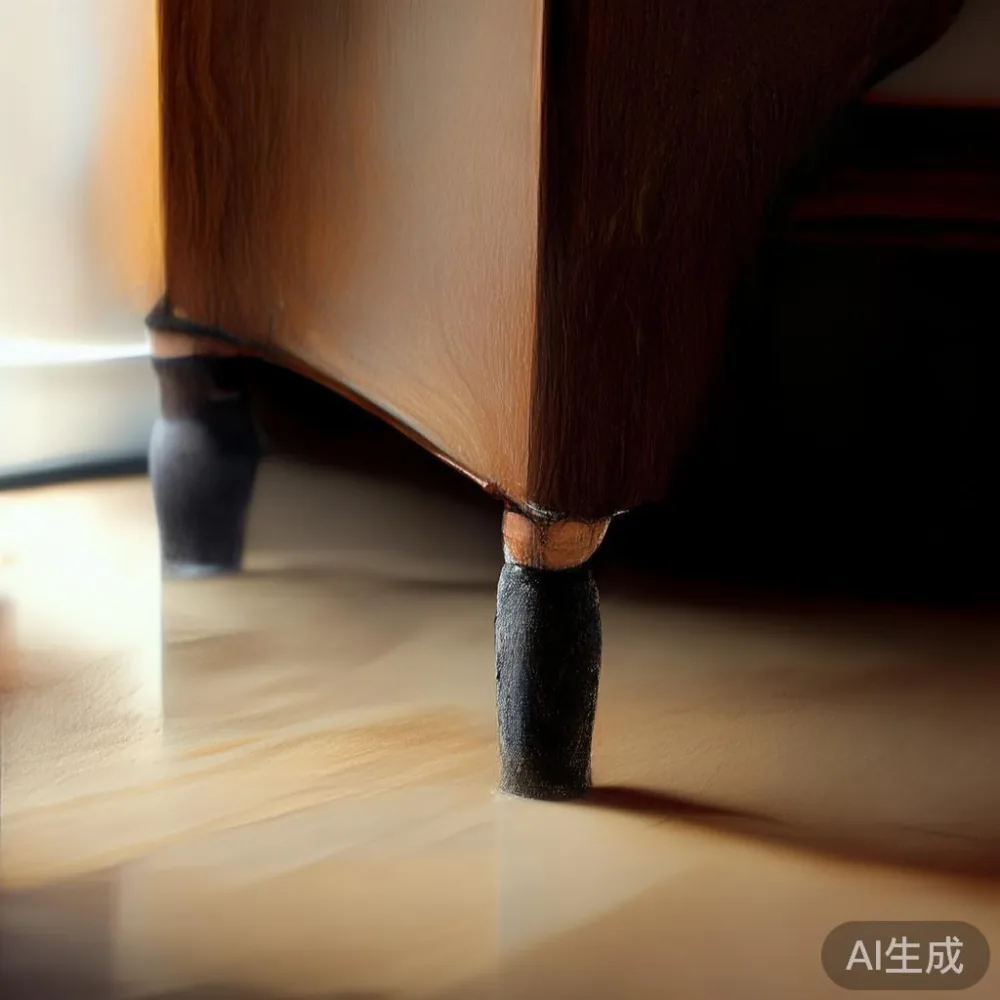
Why does lacquer struggle in a Singapore HDB flat?
Singapore sits in a region where ambient relative humidity averages 78 to 88 percent for most of the year, dipping slightly during the Southwest Monsoon (June to September) and climbing again during the Northeast Monsoon (December to early March). Indoor humidity in a corridor-facing unit can easily climb past 80 percent when doors and windows stay closed and the air-conditioner runs in dry mode only intermittently. Lacquer, even a high-build conversion varnish applied to a solid wood bed frame or wardrobe, is a film finish. It does not breathe like oil. When wood absorbs moisture, it swells; when humidity drops, it shrinks. A 0.9 m wide dining tabletop can move 1 to 2 mm across its width over a single wet week, and the rigid lacquer film has to keep up. Micro-checking at corners and hairline stress lines around the legs are the early signs.
For small-space owners, the problem compounds. In a 4-room HDB, a compact French provincial king bed sits roughly 10 cm from a wardrobe, and a 120 cm dining table often lives 5 to 8 cm from a corridor wall. Air circulation is restricted, especially in units with a service yard that traps moisture. The fix is not more product. The fix is understanding what your finish is, what humidity actually does to it, and what habits cost you nothing but a little discipline.
What humidity number should I aim for inside my home?
Aim for 55 to 65 percent relative humidity. That is the range most furniture makers, including factories like MIDHILL that ship solid wood pieces to 15 or more countries with very different climates, build their finishes around. At 60 percent RH, wood movement is moderate and predictable. Above 70 percent for sustained periods, the finish is doing overtime and you will see clouding, blush marks under glass, and tackiness on horizontal surfaces. A basic hygrometer costs SGD 12 to SGD 25 at any neighbourhood mall and is the single best investment you can make for your lacquered wardrobe, nightstand, and dining set.
If you run a 9,000 to 12,000 BTU inverter air-conditioner for 6 to 8 hours overnight in your bedroom, the room will typically drift down to 55 to 62 percent by morning if doors stay closed. Living rooms are harder because you cycle the door open for the corridor and the lift lobby. A small 250 ml dehumidifier rated for 10 to 16 sqm (most are sold at SGD 75 to SGD 110) will pull a 3-bed HDB living area down to a comfortable 58 percent within four hours during the wettest weeks. Empty the tank daily; a full tank simply switches off and the humidity climbs back within an hour.
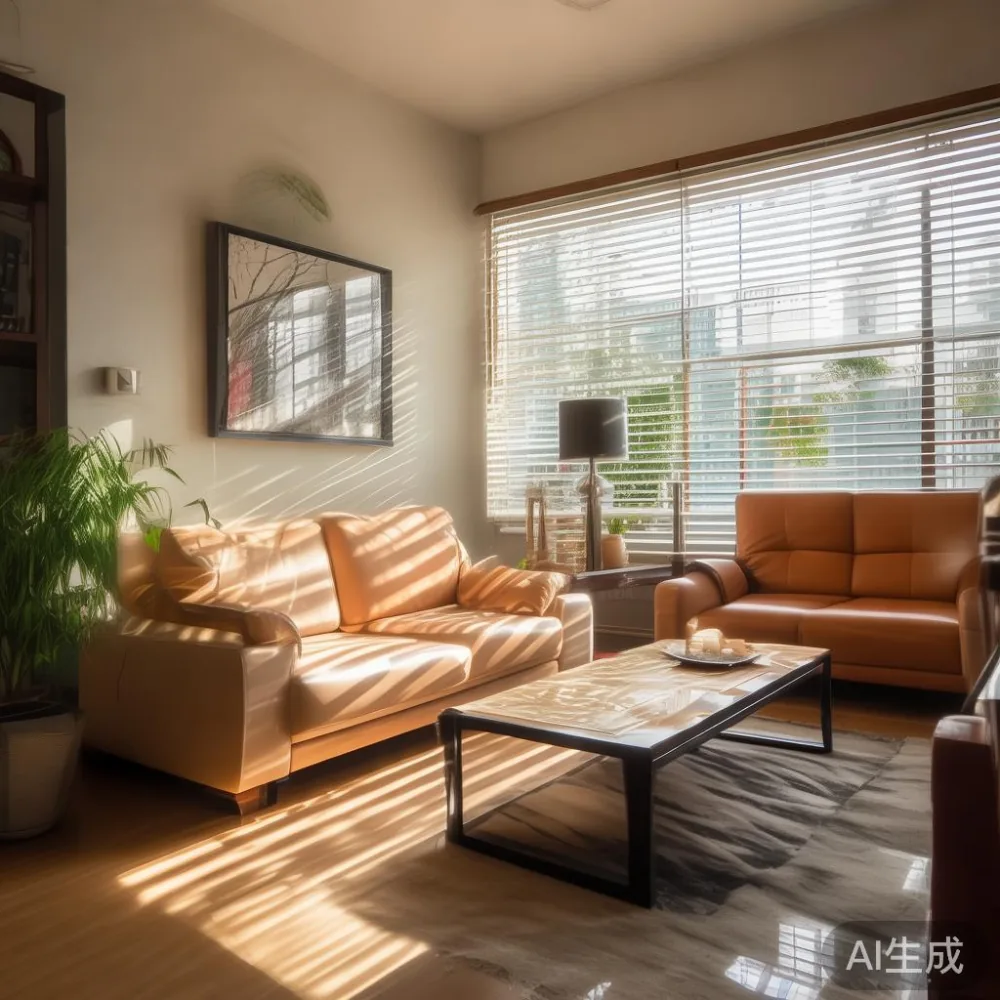
Where can I buy a bed in Singapore?
You can buy a bed in Singapore through factory-direct showrooms in Sungei Kadut and Jalan Pimpin, through curated online brands that ship from Foshan with consolidated freight, and through local retailers in Tampines, Bedok, and Punggol. MIDHILL, a solid wood maker established in 2008, supplies a compact French provincial king bed range along with matching wardrobes, dining tables, and nightstands, and ships free over US$350 (roughly SGD 470) with a 14-day return window and a 10-year structural warranty that holds up regardless of which HDB town you live in.
How should I clean lacquered wood every week?
Use a dry or barely damp microfiber cloth, working in the direction of the grain. Skip the kitchen spray. Skip the disinfectant wipes. Skip the citrus-based "wood polish" you bought at the discount shelf in Jurong. Lacquer does not need feeding; it is a sealed surface. If you feel the need to add something, one spritz of a pH-neutral, water-based wood cleaner (around SGD 22 to SGD 35 for 500 ml) on the cloth, never directly on the surface, is plenty. Wipe dry within 30 seconds.
For a dining table that takes daily use, rotate coasters and placemats. A 90 to 120 cm round marble table can handle hot pots with a trivet, but a lacquered solid wood dining surface cannot. A cup of kopi at 78 degrees Celsius will leave a white ring within four minutes if set directly on the finish. That mark is not a stain; it is moisture trapped between the lacquer and the surface. A hairdryer on low heat held 20 cm away for 60 seconds often draws it out. If the ring has turned dark, the wood itself has been wet for too long and the fix moves into refinishing territory, which is exactly why MIDHILL offers lifetime refinishing on its lacquered ranges: send the piece back, get the affected panel resprayed or replaced, and the unit looks new again.
What habits cause the most damage in a tropical climate?
Three habits account for roughly 80 percent of the damage I see on Singapore lacquered furniture: window-open cooking without an exhaust hood running, washing the floor with a wet mop within 30 cm of the legs, and parking a leather recliner or beanbag directly against a lacquered side panel. Steam from a rice cooker vented toward a dining table for 10 minutes a day, five days a week, will dull the surface within a season. A wet mop that touches the leg base for a year will wick moisture into the joint and lift the lacquer at the floor line. A recliner pushed against a wardrobe blocks airflow and creates a 2 to 3 degree warmer, wetter microclimate that the lacquer cannot survive.
Other smaller habits matter too. Avoid placing a lacquered nightstand directly under a window that gets afternoon sun. UV will amber or yellow a light-coloured lacquer in 18 to 24 months. A sheer roller blind (SGD 25 to SGD 60 from a Tampines shop) blocks 60 to 70 percent of UV and is enough to slow that ageing. Also, do not stack items directly on the surface for storage. A cardboard box sitting on a lacquered side table for six months will leave a permanent ghost print as the lacquer cures around the weight and humidity differential.
How do I deal with scratches, rings, and small blemishes?
For light surface scratches, a soft paste wax applied with a lint-free cloth, buffed after 10 minutes, will mask the mark and protect the layer beneath. Wax is a maintenance product, not a permanent fix. Reapply every 4 to 6 months on high-touch zones like a dining table top. For deeper scratches that catch a fingernail, the spot needs to be filled and re-lacquered; this is a workshop job. For white rings, try the hairdryer method described above before moving to a wax stick or refinishing.
Most lacquered ranges from a serious factory can be refinished at a fraction of replacement cost. The process involves light sanding (320 then 400 grit), a tinted sealer coat, and a fresh topcoat, usually two to three passes with drying between each. For a single wardrobe door panel or a dining tabletop, expect a workshop turnaround of 10 to 14 working days and a cost of SGD 80 to SGD 220 per panel depending on size and colour match. That is far less than replacing a solid wood wardrobe, which typically retails for SGD 1,400 to SGD 3,200 for a 1.8 m three-door unit, or a dining table at SGD 900 to SGD 2,400 for a 1.4 m to 1.8 m solid wood top with a 12 mm marble inlay.
How do I keep small-space layouts kind to lacquered pieces?
Spacing is the cheapest form of care. In a 4-room HDB with a typical 920 mm corridor width and a lift lobby that is 1.5 to 1.8 m across, the bigger challenge is fitting a queen or king bed plus a wardrobe and nightstand without pushing everything against the wall. Keep 8 to 12 cm between a wardrobe side and a bed headboard. Keep 5 to 8 cm between a dining table edge and the corridor wall. These gaps cost nothing and let air move, which is the single best defence against moisture damage.
For a small-space owner considering French light luxury styling, the approach tends toward warm whites, brushed brass hardware, and lightly distressed lacquer finishes. For an American light luxury look, expect cleaner lines and cooler greys. For post-modern light luxury, the lacquer often goes high-gloss black, deep navy, or forest green, which shows dust and humidity marks faster than a satin finish. Choose satin or low-sheen if you are short on time. A satin finish hides micro-checking for years longer than a high-gloss, and it forgives the fingerprint-heavy reality of a household with kids.
If you are planning to buy a bed in Singapore and you live in Tampines, Bedok, or Punggol, ask the showroom for the finish specification in writing: number of coats, type of lacquer (conversion varnish, polyurethane, or acid-catalysed), and the recommended humidity range. A factory like MIDHILL will give you this in a single page, because they ship solid wood ranges into 15 or more climates and have to design for the wettest customer in the batch. Local stores that cannot answer that question are usually reselling rather than manufacturing, and they will not be able to refinish the piece in 10 years either. Lifetime refinishing matters most in a tropical climate, where lacquered pieces live a harder life than their marketing photos suggest.
One last note on shipping and GST. A direct-from-factory solid wood king bed imported into Singapore typically carries a 9 percent GST on the landed value plus a 14-day return window once it arrives at your door. Free consolidated shipping over US$350 (around SGD 470) keeps the per-piece cost reasonable, especially when you order a wardrobe, nightstand, and dining table together. Ask for an all-in landed quote before paying, so the GST line is visible and the warranty is transferable if you move. A piece you keep for 10 or 15 years, refinished twice in that span, will outlast three cheaper flat-pack replacements and leave the small space you have worked so hard to design looking composed rather than crowded.