How to Care for Lacquered Wood Furniture in a Tropical Small Space
Singapore’s heat, humidity, salt-laden air, and frequent indoor air-conditioning can age lacquered furniture faster than many owners expect. In an HDB flat in Tampines or a compact condo in Bedok, the issue is often less about direct rain and more about repeated changes: a balcony receives afternoon sun, a lift lobby feels damp, and a living room cools down after the building cools down. Lacquered solid wood can remain handsome under those conditions when its finish is protected with a sensible routine. The goal is not a spotless display room. It is durable furniture that still suits the home after 3, 5, and 10 years.
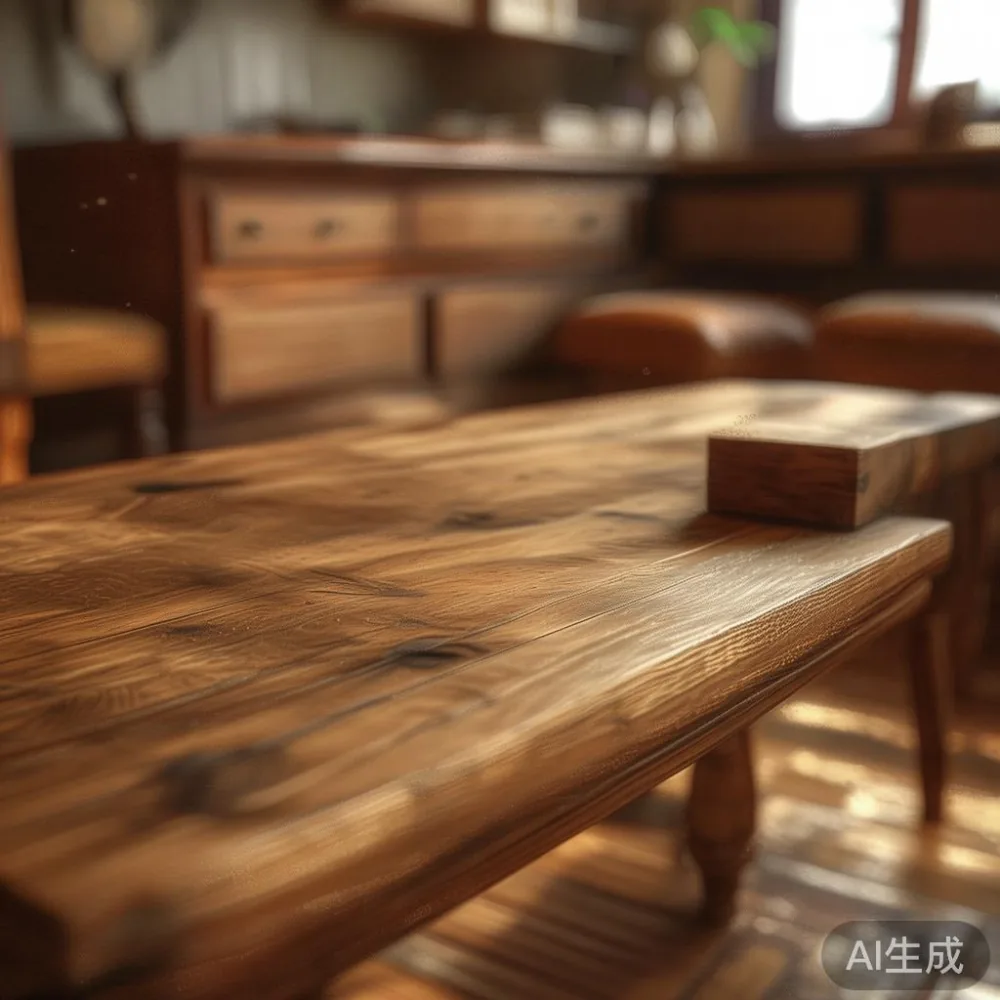
At MIDHILL, we make lacquered pieces for compact homes where dimensions matter as much as appearance. A solid wood sofa may need to pass through a common corridor with a 90 cm turning zone, while a bed frame or wardrobe must be planned around a 100-110 cm lift door. Those practical constraints also influence care: the finish should withstand daily contact, and owners should know which products are safe without creating a sticky or cloudy surface.
Why does lacquer behave differently in Singapore’s humidity?
Lacquer is a cured surface layer, not the solid wood itself. It can look glassy and stable, yet respond to moisture, heat, sunlight, and abrasion. Relative humidity above 75% for long periods may encourage swelling beneath the coating, while strong air-conditioning can make wood lose moisture quickly. The lacquer then develops fine stress marks that look like a haze or shallow ripple.
Temperature changes of 8-10°C in a single day are plausible in some Singapore interiors, particularly near an east-facing window in Punggol. Direct ultraviolet exposure can also pale a dark finish over 12-24 months. Salt in coastal air is not usually the first visible cause of lacquer failure, but it can leave dull residue on wipe-clean surfaces. Dust carried through an open corridor adds another abrasive layer.
A sound care routine starts with separation. Use a dry microfibre cloth for routine dusting. Use a lightly damp cloth for marks, followed within 2 minutes by a dry cloth. Avoid soaking the lacquer, flooding the joints, or using a wet mop around the plinth of a wardrobe. If a piece feels damp, do not wipe it aggressively; let it air in a ventilated room away from direct air-conditioning airflow.
Which cleaning products are safe for lacquered wood?
Choose a pH-neutral wood cleaner or clear lacquer cleaner labelled for use on finished wood. Dilute it according to the instructions, test a 10 cm by 10 cm area, and wait 24 hours before treating the full panel. The safest routine is usually a 1:5 ratio of cleaner to water, but the product label takes priority because concentrated formulas differ.
Silicone spray, furniture polish with wax, ammonia, bleach, vinegar, alcohol, and strong degreaser can damage lacquer or leave a patchy film. A household glass cleaner may contain ammonia, so it should not be sprayed directly onto furniture. Even when a cleaner appears suitable, apply it to the cloth rather than the cabinet. A damp cloth should leave no visible beads; excess moisture can creep into a veneer edge or lacquered joint.
For fingerprints around a dining table or lacquered dining table, a barely damp cloth often removes the print in less than 1 minute. For sticky residue, check whether it is dust, food oil, or an adhesive from a label. Adhesive can soften some lacquers and should be lifted with a plastic scraper after testing. Friction from a hard cloth can scratch more easily than the residue itself.
Wipe spills promptly. Water, tea, and juice can be lifted in under 30 seconds. Oils need a little more care: blot rather than smear, then clean with the approved diluted product. Never use metal scourers, abrasive pads, or Magic Eraser-type melamine foam. These tools may flatten a glossy finish within 2-3 uses.
How should a lacquered coffee table or dining table be placed?
Keep lacquered surfaces at least 45 cm away from a window that receives direct midday sun. Curtains or UV film can reduce exposure without making the room feel closed. In an east-facing Tampines unit, use the sheer curtain during the brightest hours, then open it later. In a west-facing Bedok condo, shift a table 20-30 cm away from the glass if possible.
Maintain 15-20 cm of air circulation around freestanding pieces. Avoid pushing a lacquered sideboard hard against a cold wall or trapping it between a sofa and the wall. The air gap helps moisture evaporate. A lacquered light luxury coffee table with a marble top also needs a stable base and level floor; repeatedly twisting the table can stress the top and its mounting points.
Coasters and placemats remain useful even on lacquer. Use felt or cork beneath hot cups and damp containers. A hot drink at 60°C can leave a ring or soften a thin finish, while a wet glass can leave mineral marks. Place heavy ornaments on a stable 15 cm pad rather than sliding them across the surface.
Singaporean dining habits add risk: steam from a hot pot, food dye, and wet serving spoons. A lacquered dining table should have a trivet rated for at least 3 kg, and its top should be wiped after use rather than scrubbed. For a small apartment, a 120 cm dining table can seat 4 people with 60 cm per place setting; a 140 cm version may fit 6, but only if circulation remains at least 75 cm beyond chair pull-out space.
Does a lacquered wardrobe or bed frame need different care?
Yes. Vertical wardrobe panels collect dust in hinges and tracks, while the lower rail sits closer to floor moisture. Open the wardrobe 10-15 minutes after showering or cooking, and inspect the base for dampness. Vacuum tracks with a brush attachment held 2 cm away. Do not pour cleaner into the channel.
For a lacquered bed frame, check the headboard and side rails every 3 months. Look for a dull halo, small raised edge, or finish that feels different under the hand. These are signs that the coating needs gentle attention rather than heavy polishing. A solid wood bed frame should also be checked for movement: if it rocks within 5 mm, correct the levelling foot before the joints place uneven pressure on the finish.
When comparing designs, the phrase light luxury sofa vs Modern sofa usually comes up in showrooms, but finish care should be judged by construction. Inspect the coating on the underside, edges, and seat platform—not only the visible front. A well-finished panel should have a consistent colour, no sanding marks, and no pinholes larger than 1 mm. A good light luxury dressing table should have sealed edges, stable fittings, and drawers that do not scrape the lacquered runners.
For a new bedroom, someone asking about the best Scandinavian bed for 2026 may focus on pale timber and clean lines. Pale finishes show fingerprints and colour changes sooner, so maintenance should be planned from day one. Place the bed away from an open balcony door and leave 20 cm behind the headboard for airflow.
What is the right way to remove scratches and cloudy marks?
Begin by identifying the mark. A cloudy patch caused by moisture can sometimes disappear after wiping with a clean damp cloth and drying for 30 minutes. A scratch catches the fingernail and remains visible. Scuffing from a cloth often responds to gentle product use. A deep groove that exposes wood should be treated as a coating repair rather than a cleaning problem.
Use a lacquer repair crayon matched to the colour for minor scratches. Test it on the hidden underside and apply with light pressure. Keep the tip flat to avoid gouging the coating. For superficial abrasions, a very fine finishing compound may work, but use it only after the cleaner test and never over an area larger than 5 cm by 5 cm on the first attempt.
Do not apply generic furniture wax over a lacquer repair. Wax can collect at edges and create a yellow halo in warm conditions. Do not sand aggressively either: removing 0.2-0.5 mm of lacquer can expose a different colour underneath. If the repair looks uncertain, a professional refinisher can assess the coating in 15-30 minutes and quote the work before proceeding.
Damage is not always the finish. A lacquered nightstand may appear scratched because the UV-stable coating is intact but the wood underneath has swollen. Lifting a loose veneer edge by more than 2 mm requires inspection of moisture and adhesive. This is why solid wood construction, stable joinery, and a careful sealing process matter.
How often should lacquered furniture be maintained?
Dust weekly and clean the contact areas every 2-4 weeks. Inspect lacquered panels monthly for haze, scratches, swelling, or lifting. Once every 6 months, clean the whole piece with a pH-neutral product and check underneath furniture. After a renovation, move pieces 15 cm from the wall and leave them there for 48 hours so moisture can settle before judging the finish.
A simple calendar helps:
Daily: clear dishes, coasters, toys, and damp cloths from a lacquered dining table.
Weekly: dust with a dry microfibre cloth, including the 3-5 cm strip behind a nightstand or wardrobe.
Monthly: inspect the finish under daylight and a neutral indoor lamp. Look across the surface from a 45° angle to reveal haze.
Every 6 months: clean with the approved product, check hinges and levelling feet, and move the piece for an airflow check.
Every 12-24 months: review sun exposure, filter or renew window treatment, and assess any scratches before summer humidity increases.
Can lacquered furniture fit comfortably into a Singapore small space?
Yes, if the dimensions are chosen around the route from street to room, not only the empty floor plan. Measure the lift car, lift door, landing, and tightest corridor turn before delivery. A sofa with a boxed back may measure 92-104 cm wide and 84-92 cm deep, while a slim modern seat may reduce the footprint by 10-20 cm. Confirm the packaged dimensions rather than relying on the assembled width.
For compact units, a 120-150 cm solid wood sofa can work in a living room, but leave 75-90 cm for circulation behind it where possible. A 140-160 cm bed frame suits many HDB bedrooms, though a mattress that is too wide can make a 140 cm frame feel cramped. A wardrobe depth of 55-60 cm is common; deeper sliding-door units need more floor space but may project less when open.
Door-to-door delivery in Singapore can take 7-14 days after production and stock confirmation. GST is included in displayed retail prices. For orders over US$350, MIDHILL offers free shipping, and returns are accepted within 14 days subject to the product condition. The 10-year structural warranty covers construction over the long term, while lifetime refinishing offers a practical route for restoring a surface after years of use. Confirm the applicable terms for lacquered or custom components before ordering.
Design language should not make the home feel crowded. French light luxury, American light luxury, and post-modern light luxury can all work in a small space when scale and texture are restrained. A narrow light luxury dressing table can replace a bulky dressing station, while a 90 cm light luxury coffee table can serve a compact lounge without blocking a corridor.
Buyers asking how to choose European light luxury sofa should compare frame material, cushion density, seat depth, finish type, and after-sales care—not just silhouette. A European-inspired solid wood sofa with a reinforced frame and a durable lacquered exterior may fit a Tampines home well. Someone browsing under 2000 American furniture may find familiar proportions, but should still verify actual dimensions, coating details, and local service terms.
What should I do if the lacquer starts to swell, peel, or turn white?
Stop using solvents and switch off direct heat or airflow. Photograph the affected area with a ruler for scale, record the room humidity if a meter is available, and keep the piece away from damp walls. White haze may still be moisture in the coating, while peeling or a lifting edge points to adhesion or moisture-related movement.
Do not press the swelling back down. Do not tape over it, and do not apply oil, which can darken the area and conceal the diagnosis. If the defect covers less than 20 cm and has not spread for 48 hours, contact the maker or a lacquer specialist. If moisture is active, move the piece to a dry room with stable airflow and wait for the surface to return to room temperature before cleaning.
Prevention is the dependable method. Control direct sun, avoid standing water, keep cleaning mild, and inspect early. A lacquered marble table should have its joints checked as carefully as its top; a sound finish cannot compensate for a base that shifts. For the wider room, allow furniture to breathe, keep balcony doors closed during heavy rain, and avoid placing a wardrobe against an uninsulated external wall.
Good care in a tropical climate is measured in years, not dramatic rescue. Wiping a dining table after dinner, checking a wardrobe base every month, and keeping 45 cm from intense sunlight can preserve a refined finish across a 10-year ownership cycle. The right small space is not merely one that photographs well on handover day. It is a home where each solid wood sofa, bed frame, dining table, wardrobe, nightstand, and marble table remains comfortable, practical, and visually composed through Singapore’s heat, rain, and seasons.