Size Matters: Best Furniture for Singapore HDB Living Rooms
A Singapore HDB living room can feel spacious when the furniture fits it, yet crowded when even one oversized piece blocks the route from the front door to the dining area. In compact flats in Tampines, Bedok, and Punggol, measurements must account for more than floor area: lift doors, corridor turns, air-conditioning units, balcony thresholds, and the need to preserve clear walking paths all affect the furniture that can enter the home.
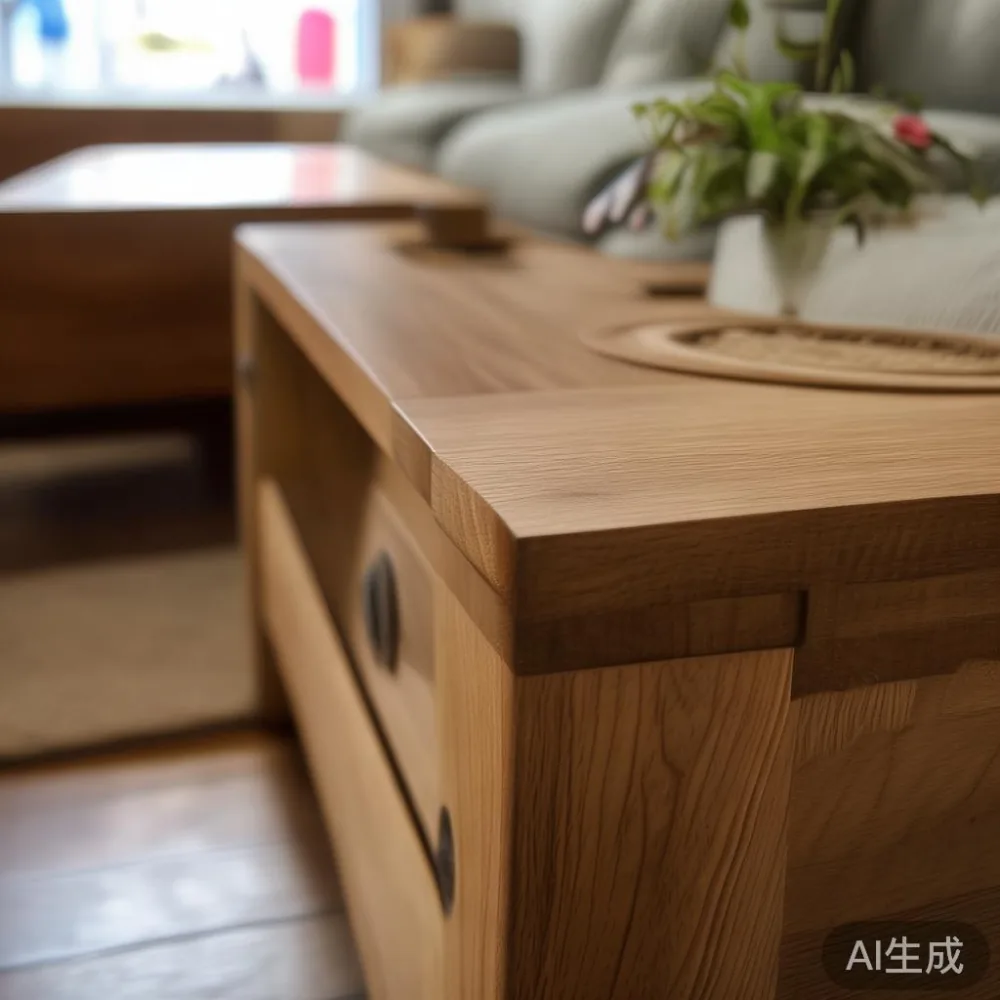
MIDHILL designs and manufactures solid wood furniture in Foshan, supplying buyers in more than 15 countries. Its focus on practical dimensions, 10-year structural coverage, and lifetime refinishing is relevant to Singapore households that want durable pieces without filling every square metre. This guide explains how to measure a small space, compare common furniture sizes, and choose a layout that works from the lift to the living room.
How much clear space should a Singapore HDB living room keep?
Begin by treating the living room as a set of movement zones rather than an empty display area. A main circulation route should remain about 90 cm wide where people regularly pass. If the sofa faces a television or dining table, allow roughly 75–90 cm between the front edge of the sofa and the opposite furniture. This makes it possible to carry a tray, open a drawer, or walk past without turning sideways.

For an HDB flat, a workable seating zone for a three-seat sofa is often around 210–240 cm wide. A common arrangement is a 200–220 cm sofa, a 90–120 cm coffee table, and a 40–50 cm side table. These are starting dimensions, not rules: a 180 cm sofa can suit a narrow room, while a 260 cm sofa may work in a larger living room or open-plan condominium if the remainder of the layout remains balanced.
Measure the television wall, balcony access, and window positions before buying. Leave at least 15 cm around most freestanding cabinets for ventilation and service access. Keep the sofa roughly 30–45 cm away from a full-height window if curtains need to open and close, and allow 10–15 cm above wall-mounted displays for equipment or cable management. Precise spacing depends on your HDB floor plan, but planning in centimetres prevents errors measured in wasted floor area.
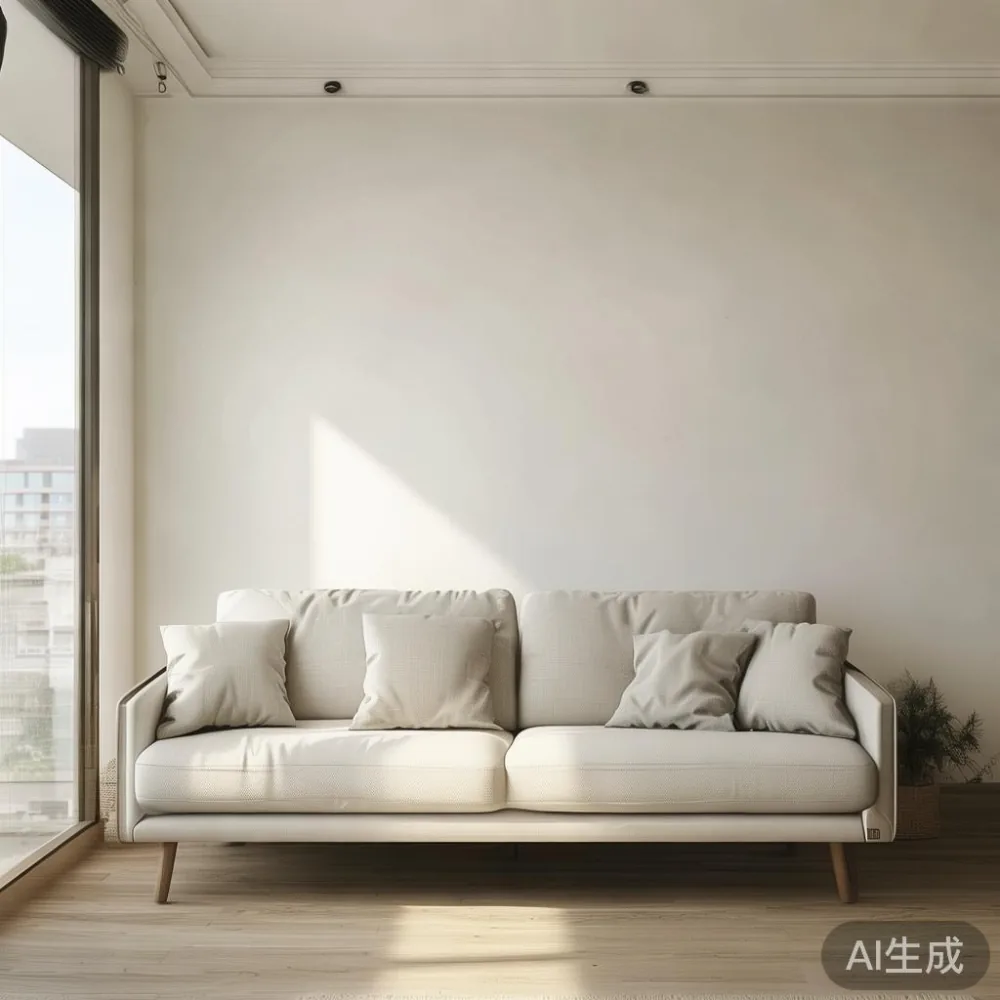
I tested this method last month while visiting a colleague in Tampines. His 3-room flat had a compact rectangular living room, and a 230 cm sofa looked acceptable in the property listing. A tape measure showed only 178 cm between the dining partition and balcony cabinet. We replaced it with a 185 cm model, shifted the dining chairs inward, and regained a clear 85 cm route to the balcony. The smaller sofa made the room feel more generous because the walking path was no longer interrupted.
What sofa width fits a compact HDB living room?
Choose the sofa by its footprint, not by its visual scale in a showroom. A two-seat solid wood sofa with a total width of 150–180 cm suits many narrow HDB sitting rooms. A three-seat version around 190–220 cm offers more capacity but needs a deeper check of the opposite clearance. Depth also matters: many sofas occupy 85–100 cm, so a 90 cm coffee table can leave too little legroom in a shallow room.
For a particularly compact layout, consider a 160–180 cm sofa with a 75–85 cm depth. Pair it with a nesting table or a slim 35–40 cm side table rather than a large central table. If the media wall is opposite, a 75 cm wide coffee table can preserve useful separation. Avoid relying on showroom floor plans, because a displayed arrangement may have been staged in a room far larger than yours.
Check whether the sofa can pass through the HDB common area. A typical passenger lift interior may measure about 110 cm wide by 140 cm deep, though older buildings and service lifts vary. A boxed sofa wider than 105 cm may not enter a standard lift without turning; a 220 cm three-seat model may have to be checked against the lift door and cabin diagonal. Measure the lift door, corridor width, corner turns, and the route into the flat before ordering.
Ask the supplier for the packed dimensions, not only the assembled dimensions. For a MIDHILL sofa, confirm whether the back and legs are removable and whether the delivery team can carry separate modules upstairs. Allow at least 2–4 days for Singapore delivery after stock confirmation, and more if the item is made to order. Lift booking should be arranged with the building management, and the delivery window should account for residents’ work schedules.
Is a solid wood dining table too large for an HDB living area?
A dining table can divide a small living room effectively when its dimensions match the eating zone. Rectangular tables from 120 x 70 cm to 160 x 80 cm serve four people in many HDB flats. For six diners, look for about 180 x 85 cm, provided each chair can be pulled back without blocking a 75–90 cm circulation route.
Do not select a table by seat count alone. A 160 x 80 cm table may seat four comfortably and six at a squeeze, while a 140 x 75 cm table can function as a breakfast table for two and a work surface for one. In Punggol and Bedok apartments, a compact table may also serve as a place for laptops, mail, and household items. Choose a design with rounded corners if the route to the balcony passes close to it.
Height is another useful measurement. Most dining tables stand around 73–76 cm high, while dining chairs require about 45–50 cm of clearance beneath the tabletop. A bar-height table at 100–105 cm can work beside a kitchen counter, but it should not replace the main dining table unless the family intends to eat there regularly. For a genuine small space, one table that changes purpose is often more practical than several occasional pieces.
When comparing finishes, solid wood can suit French light luxury, American light luxury, or post-modern light luxury interiors when the grain and construction remain visible. A dining table with a lightly toned oak or ash finish may blend with warm HDB walls, while a darker walnut effect can create contrast. Natural stone should be approached carefully: a marble table is durable and visually distinctive, but a 140 x 70 cm version may dominate a modest dining zone. Weight, surface maintenance, and table-edge safety matter more than the material name alone.
How should I plan the coffee table and media area?
A coffee table should support daily use without creating a barrier. A 90 x 50 cm or 100 x 55 cm table usually works with a 200–220 cm sofa, while a 75 x 45 cm model suits a 160–180 cm sofa or a shallow room. Leave about 35–45 cm between the sofa and table for reach and legroom. Round tables can improve movement around corners, but a rectangular table often fits an HDB living room more efficiently.
Consider a table with a lower shelf around 10–15 cm above the floor, which can hold books and remotes while reducing visual clutter. A table with drawers is useful if the living room lacks storage, yet it should not take away the main walking path. Test the chair or footrest position: someone sitting on the sofa should not need to repeatedly move the table aside.
The media unit should be proportioned to the wall rather than to a standard catalogue size. A 150–180 cm cabinet may suit a 3-metre wall, whereas a 120 cm unit leaves useful breathing room on a shorter partition. Keep approximately 10 cm between the unit and a wall when doors or cables need access. If a television is wall-mounted, the cabinet can be shallower, around 35–40 cm, with the screen positioned near seated eye level.
Living-room zoning can be improved with a rug, lighting, and repeated finishes rather than extra furniture. A rug should sit under the front legs of the sofa, with at least 140 x 200 cm providing useful coverage in a three-seat arrangement. Curtains should stack outside the main opening, and floor lamps with a base diameter below 28 cm can fit into corners. Every small object becomes easier to manage when the main circulation route remains uninterrupted.
What storage fits a bedroom without crowding the wardrobe?
Wardrobe sizing starts with the available wall, the number of occupants, and the way clothes are stored. In an HDB bedroom, a built-in unit may extend across 180–240 cm and project 55–65 cm from the wall. A freestanding wardrobe of 150–180 cm can be easier to reposition, but it must not prevent the bed or door from opening.
For useful guidance on how to choose Mid-century modern wardrobe, compare the exterior dimensions with the internal layout. Hanging space for long garments usually needs about 145–155 cm of drop, while shirts can fit in 95–110 cm. Drawers need roughly 25–35 cm of internal depth, depending on the design. If two people share a unit, divide the interior by clothing type rather than giving each person equal width.
French-inspired panelled fronts can create a light-luxury appearance, but openable handles and deeper doors require more space. For compact rooms, sliding doors can save 60–90 cm of swing clearance, though overlapping tracks require careful alignment. A wardrobe with a depth of 55–60 cm can hold most hanging garments, but 50 cm may be sufficient for folded storage and short items. Check the door and drawer extension against nearby furniture.
A nightstand can complete the bedroom without becoming a bulky storage tower. Look for a width of 35–50 cm and a depth of 35–45 cm, with a top around 50–58 cm high. Place it beside a bed only if both sides of the bed remain accessible. If the room is very narrow, a wall-mounted shelf of 25–35 cm may be more suitable than a floor-standing unit.
Is European light luxury bed vs Nordic bed a useful comparison for Singapore?
Comparing a European light luxury bed vs Nordic bed can help with style and clearance, but neither category guarantees a better fit for an HDB room. European designs often use deeper frames, upholstered surfaces, and decorative details. Nordic designs commonly feature simpler silhouettes and exposed timber. The practical question is how much floor area each occupies and whether the mattress or headboard interferes with the room.
A queen bed is normally about 150 x 200 cm in Singapore, while the frame may extend to 155–165 cm wide and 205–215 cm long. A king frame can reach roughly 180 x 200 cm, with outer dimensions sometimes approaching 190 x 215 cm. The extra 30–40 cm of width can affect bedside access, so a queen may be more suitable for a compact bedroom.
Those wondering is European light luxury bed worth it should compare comfort, ventilation, maintenance, and delivery access rather than relying on the label. A solid wood bed frame offers stability, but solid wood does not automatically determine mattress performance. Allow about 60–75 cm along one side of the bed if a person needs to walk past, and about 35–50 cm where a nightstand or limited sitting zone is acceptable.
For a smaller room, a slimmer frame may be the sensible choice. Upholstered headboards can add softness, while exposed timber frames preserve a lighter visual impression. Confirm the assembled dimensions, stair or lift access, and whether delivery staff can dismantle the frame. For larger rooms, consider how to style light luxury wardrobe in bedroom so the bed, wardrobe, and nightstand share one calm material palette.
For complete-room planning, learning how to style European light luxury wardrobe in room is helpful, even if the final choice is a compact sliding-door model. The wardrobe finish should relate to the bed frame and nightstand without making every piece look identical. Warm timber, restrained hardware, and clearances of at least 60 cm in frequently used areas can make an HDB bedroom feel composed.
How do you measure a delivery route before ordering furniture?
Measure the route in sections and record the narrowest point. Begin at the delivery vehicle, then check the car park lift, lift door, cabin dimensions, corridor, staircase, flat entrance, and bedroom or living-room door. A route can fail even when every individual width is acceptable if a long rigid piece cannot make a right-angled corridor turn.
Record the lift interior and door width separately. For example, a lift door may be 90 cm while the cabin is 110 cm wide and 140 cm deep. A sofa module of 105 x 85 cm might fit, but a packaged box of 110 x 90 cm might not. Ask the supplier for carton length, width, and height, plus the number of cartons and approximate gross weight. Be cautious with pieces above 70 kg, because they may require more delivery staff and clearer route planning.
Protection matters after arrival. Use cardboard or a moving blanket under solid wood legs, and check the piece before the delivery team leaves. Photograph the assembled furniture and note any finish marks. MIDHILL provides a 10-year structural warranty and lifetime refinishing, which supports long-term ownership, but everyday care still matters: wipe surfaces promptly, avoid standing water, and keep solid wood away from direct air-conditioning airflow.
Singapore’s humid climate also calls for sensible placement. Maintain roughly 20–30 cm between furniture and the wall where ventilation is needed, and use suitable coasters and mats beneath drinks. For a marble table, use a stable, level base and protect the edges during transport. For solid wood furniture, avoid rapid moisture changes rather than treating humidity as a reason to abandon natural materials.
What should you buy first when furnishing a small HDB living room?
Buy the largest daily-use item first, because it controls the layout. That is usually the sofa, dining table, or bed frame. Purchase it only after measuring the room and the route into the home. Then add a nightstand, coffee table, and storage according to the remaining gaps. This sequence reduces the likelihood of a large coffee table being pushed into a walkway because the sofa occupied more space than expected.
Set a budget before shopping and include the tax shown at checkout. Singapore’s GST is 9% for goods supplied in Singapore, so a SGD 1,000 subtotal becomes SGD 1,090 before delivery or other applicable charges. MIDHILL offers free shipping for qualifying orders above US$350, though the exact Singapore charge should be confirmed at checkout because it is converted from the stated threshold and may include taxes or logistics.
Choose furniture that earns its footprint. A solid wood sofa should provide comfortable seating and durable support; a bed frame should suit the occupants and room width; a dining table should match real meal frequencies; a wardrobe should organize actual clothing; and a nightstand should hold items used beside the bed. A marble table should be selected for its proportions, weight, and surface needs rather than simply for its decorative pattern.
Most Singapore orders can be delivered within 2–4 days after confirmation, while made-to-order pieces may take longer. Singapore HDB households also have 14-day return options under applicable terms, so review dimensions and finish details before accepting delivery. For an international maker shipping into Singapore, clear communication on packing, access, and installation is as important as the furniture itself.
Good small space design is not about filling a room. It is about preserving circulation, choosing honest dimensions, and allowing one material palette to connect solid wood pieces with stone accents and soft textiles. Modern light luxury for small living room projects work best when restraint does the visual work: fewer pieces, accurate measurements, warm finishes, and enough open floor to make the flat comfortable.