Styling a Small Apartment in Singapore Without the Crowded Look
Walk into a 65 sqm HDB flat in Bedok or a 48 sqm shoebox unit in Punggol, and the first thing most homeowners complain about is the same: the place feels cramped within ten minutes of moving in. The furniture is fine. The layout is fine. The problem is that almost everything is fighting for the same square metre of floor space. After fifteen years of exporting solid wood pieces to buyers in fifteen-plus countries, I have learned that small space living is less about buying less and more about choosing pieces that earn their footprint. Below is the playbook I share with friends furnishing their first Singapore home, including a few honest lessons from a Tampines condo project I helped with last month.
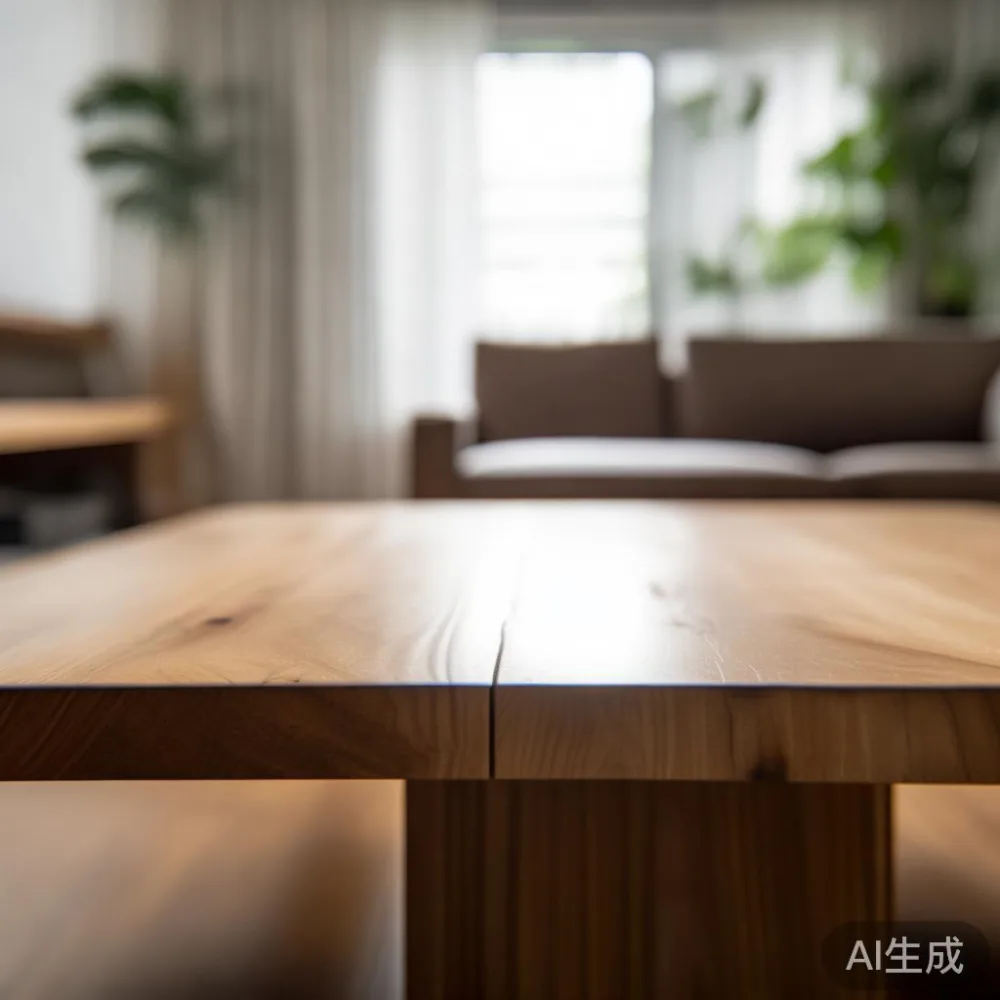
Why Singapore Flats Get Crowded So Fast
Singapore HDBs and most 99-year leasehold condos share three structural realities. First, the room dimensions are tight — a typical master bedroom measures around 3.2 m by 3.0 m, leaving roughly 9.6 sqm once you account for the door swing and wardrobe depth. Second, lift cabs and common corridors are narrow: most HDB service lifts clear furniture around 1.5 m wide and 2.1 m tall, which means anything you order must break down or fit through a corridor that is sometimes only 1.2 m across. Third, the nine percent GST on imported furniture makes trial-and-error ordering expensive, so getting the first configuration right saves real money. Crowding happens when homeowners ignore these numbers and pick oversized pieces that look generous in a 3,000 sqft showroom but suffocate a 50 sqm flat.
Is French Wardrobe Worth It for a Small Bedroom?
This is the question I hear most often from buyers shopping for a bedroom in a small apartment, and the answer depends on what you mean by French. A genuine French wardrobe — light luxury in style, slim in profile, usually 55 cm to 60 cm deep instead of the standard 65 cm to 70 cm — can absolutely earn its place against a 3 m wall. The shallow depth gives you back 10 cm of walking room, which sounds tiny but changes how the room breathes. I saw one last month in a 4-room HDB in Tampines: a 180 cm wide by 220 cm tall wardrobe in light oak, three doors, soft-close hinges, and the homeowner could still open her bedside drawer fully. The catch is that shallow wardrobes require careful hanging-rod height (drop the rod to around 145 cm so you get two tiers instead of one long row) and you lose the bottom storage shelf. For a one- or two-person household, that trade is usually worth it. For a family of four, you may want the deeper unit and accept the tighter feel. If you are weighing a French light luxury wardrobe against a flat-pack alternative, the 10-year structural warranty on solid wood units means you are buying ten years of rehangs, refinishes, and reorganisations — the lifetime refinishing service alone offsets the higher upfront cost for most owners.
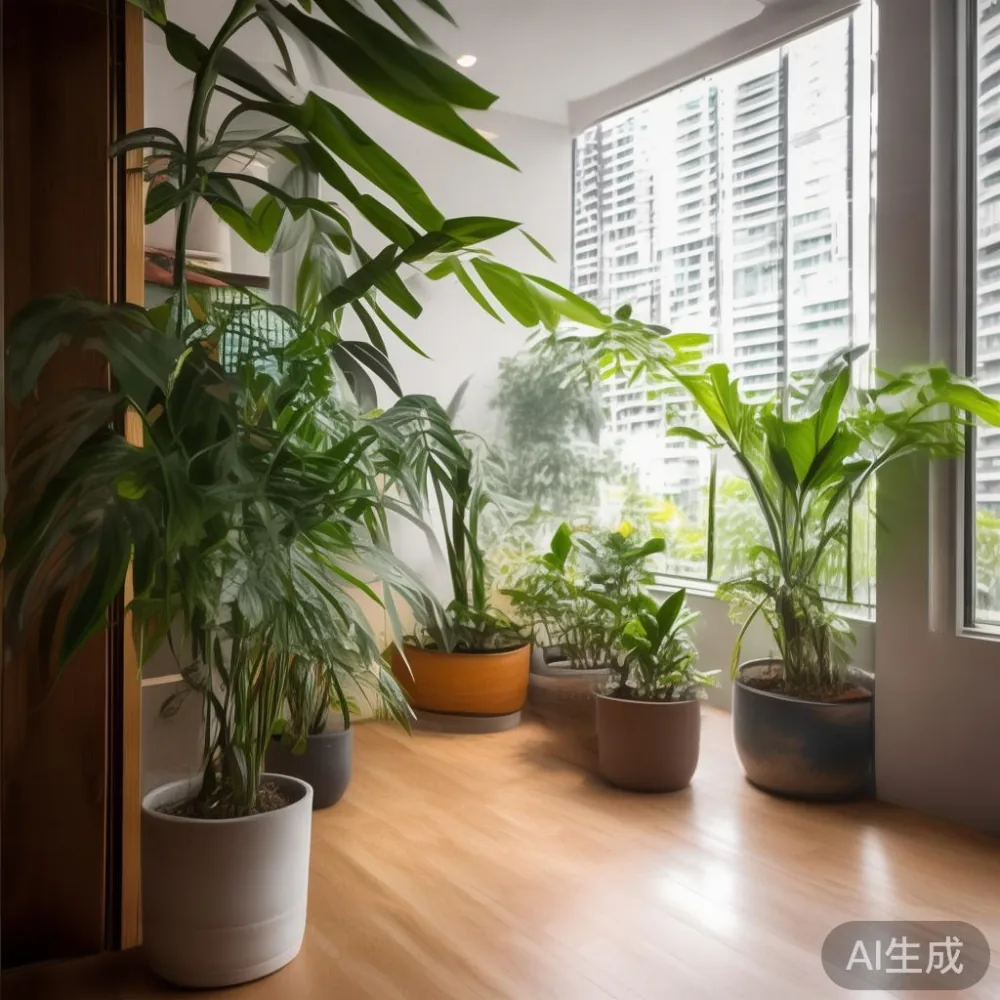
Choose Furniture That Earns the Centimetre
Every piece in a small apartment should pass a simple test: does it carry weight, storage, or visual calm — and can it do at least two of the three? A solid wood sofa with a 195 cm to 215 cm seat width and a 90 cm depth gives three adults a real place to sit while leaving room for a side table behind it. A dining table that seats four at 120 cm by 70 cm opens to 150 cm when friends come over, then folds back to 60 cm deep against a wall. These are not magic numbers — they are the dimensions that consistently work across HDB and condo layouts I have measured. Marble table tops, popular in French and Italian light luxury interiors, weigh between 38 kg and 55 kg for a 90 cm round, so plan for two people on delivery day and confirm lift access in advance. A nightstand wider than 45 cm will crowd a 1.5 m wide bed; one shallower than 35 cm cannot hold a book, a glass of water, and a phone charger at once. Pick once, pick well.
How to Style a Japanese Bed in Room Without Losing the Calm
There is a real reason Japanese-style platform beds keep showing up in small space interiors across Singapore. A low-profile solid wood bed frame at 25 cm to 35 cm from the floor opens up the visual height of the room — your eye reads the ceiling as taller when the bed sits below mid-wall. The styling trick is restraint: one bedside surface, one pendant light or wall-mounted reading light, no headboard taller than 90 cm unless your ceiling is above 3 m. The mattress thickness matters too. Anything over 28 cm pushes the sleeping surface up into headboard territory and starts to crowd the small room. If you want a warm wood tone, ash or white oak in a matte oil finish reads quietly against the white walls most HDBs come with. I have watched three friends try different configurations in their Punggol and Bedok flats, and the version with the lower bed, single shelf nightstand, and one wall lamp always felt calmer than the one with a tall upholstered headboard, two nightstands, and a bench at the foot. Calmer rooms sleep better, and that is a measurable outcome.
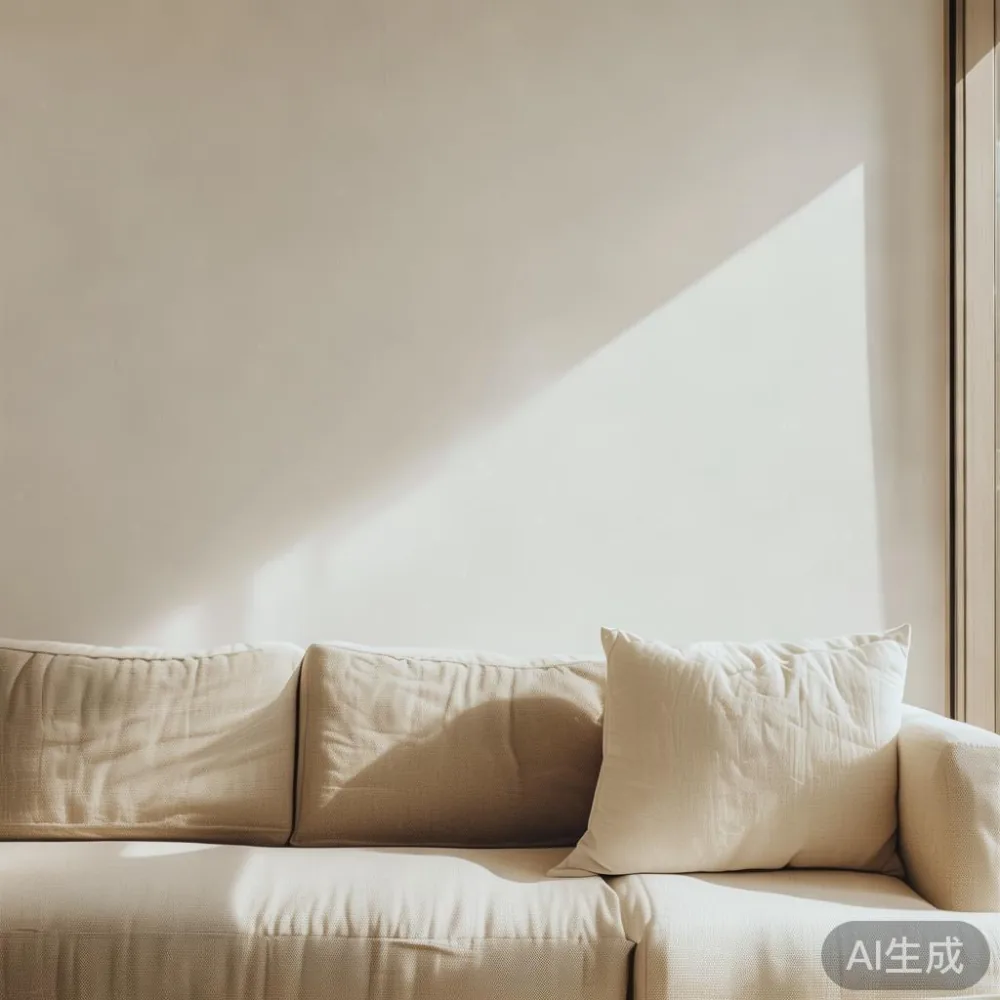
Mixing Styles So the Apartment Feels Collected, Not Crowded
Light luxury styling, whether French, American, or post-modern in mood, works best in small spaces when one material carries through the whole apartment. I usually recommend picking a primary wood tone — warm walnut, pale ash, or honey oak — and letting one contrasting material do the talking. A marble table in the dining zone, a brushed brass leg detail on the solid wood sofa, or a blackened steel leg on a Japanese-inspired bed frame is enough. Stacking four materials into a 50 sqm flat is how crowded happens. For the dining zone specifically, an Industrial for dining room setting — blackened steel frame, reclaimed-wood top, a pair of pendant lights with exposed filament bulbs — reads surprisingly light in a small room because the visual weight sits in shadow rather than bulk. A European for dining room setting — slim turned legs, a paler wood, a single upholstered bench instead of four chairs — does the opposite and brightens the corner. Either path works; running both in the same apartment is what makes the room feel busy.
The Hidden Costs of Crowding — and How to Avoid Them
Most buyers underestimate the running costs of getting a small apartment wrong. A wrong-sized sofa returned under a 14-day policy still costs you the original delivery fee (often S$60 to S$120 in Singapore) plus the time spent waiting for the second delivery. Free shipping over US$350 is helpful, but it does not cover the dismantling and reinstallation when a piece does not fit through the HDB corridor on the first attempt. Plan these things in advance: measure the lift, the corridor, and the doorway before ordering. Allow 5 cm clearance on every side for delivery teams to tilt a wardrobe or bed frame through a corner. If your block has a service lift, ask the MCST for the inner dimensions — many older blocks in Bedok and Tampines have service lifts narrower than 1.4 m, which rules out flat-pack wardrobes wider than 130 cm in a single panel. Ordering from a maker like MIDHILL, which ships fully assembled units that can be partially dismantled and reassembled on site, removes most of this risk. A solid wood frame built in Foshan workshops since 2008 has been engineered for this kind of handling more than a thousand times.
Living Room Anchors That Pull the Room Together
In a small living room, the sofa is the anchor. Pick a solid wood sofa with a seat height around 45 cm and a depth of 90 cm to 95 cm — anything deeper pushes your feet into a coffee table you then cannot reach across. A two-seater at 160 cm to 175 cm wide suits most 4-room HDBs; a 2.5-seater at 195 cm fits a standard condo living room without crowding the walkway to the kitchen. Pair it with a single round marble table at 70 cm to 80 cm diameter instead of a rectangular coffee table. Round edges soften the traffic flow and remove the corner-bump risk in tight rooms. If you want storage, choose a sofa with an under-seat drawer rather than a separate ottoman — one less piece, one less dust collector. A slim TV console at 35 cm to 40 cm deep, mounted wall-floating at 30 cm off the floor, gives you display surface without eating floor area.
Bedroom Storage That Disappears Into the Wall
Wardrobes are the largest single object in most Singapore bedrooms, so they dictate how crowded the room feels. A floor-to-ceiling wardrobe in light oak or pale ash visually merges with the wall paint, while a dark wardrobe carves a heavy block out of the room. For small apartments, I lean toward 55 cm to 60 cm depth, 240 cm to 260 cm height, and either sliding doors or outward-opening doors that swing away from the bed rather than toward it. An Italian light luxury sideboard — long, low, with shallow drawers — works beautifully in a small bedroom as a dressing zone if your wardrobe cannot hold folded knitwear and accessories. Slide it under a window or along the foot of the bed at 80 cm to 90 cm height, and you have a full dressing station without losing floor area. A European light luxury dressing table, paired with a single wall mirror at 60 cm by 90 cm, replaces a bulky vanity and keeps the morning routine calm.
Three Things to Skip in a Small Singapore Apartment
First, skip the oversized sectional sofa. A 280 cm L-shape looks generous but consumes 1.4 m by 2.8 m of floor, which is a third of a typical HDB living room. A straight three-seater at 200 cm gives you the same seating with room to breathe. Second, skip the dining set with six chairs when you host twice a year. A 120 cm table with two benches slides under the wall on weekdays and pulls out for guests on weekends. Third, skip the freestanding wardrobe if your bedroom can take a built-in. Built-ins use the ceiling height, kill the dust gap, and visually flatten the wall so the room reads larger. If built-in is not an option, a slim solid wood wardrobe on adjustable legs sits close enough to the wall to do the same job.
Putting It All Together
Styling a small apartment in Singapore is a numbers game played with taste. The numbers — 55 cm wardrobe depth, 90 cm sofa depth, 120 cm dining width, 28 cm mattress thickness — give you a working envelope. The taste is what you do inside that envelope: the wood tone, the marble accent, the single pendant over the dining table, the calm of a low Japanese bed. I have walked through enough Tampines and Punggol flats to know that the difference between crowded and collected usually comes down to three or four choices, not a bigger budget. Pick pieces that earn their centimetres, check the lift dimensions before you pay, and remember that the apartment should feel quiet at 9 pm on a weekday. That is the real test of a small space done well.