How Humidity Affects Solid Wood Furniture in Singapore Homes
Singapore’s tropical climate can make wooden furniture feel more different from one season to the next. A solid wood dining table may develop a faint cool sheen during a humid afternoon, while a bed frame can pick up a slightly deeper tone after several rainy days. These changes are usually normal, but their intensity depends on the timber, finish, room conditions and care routine.
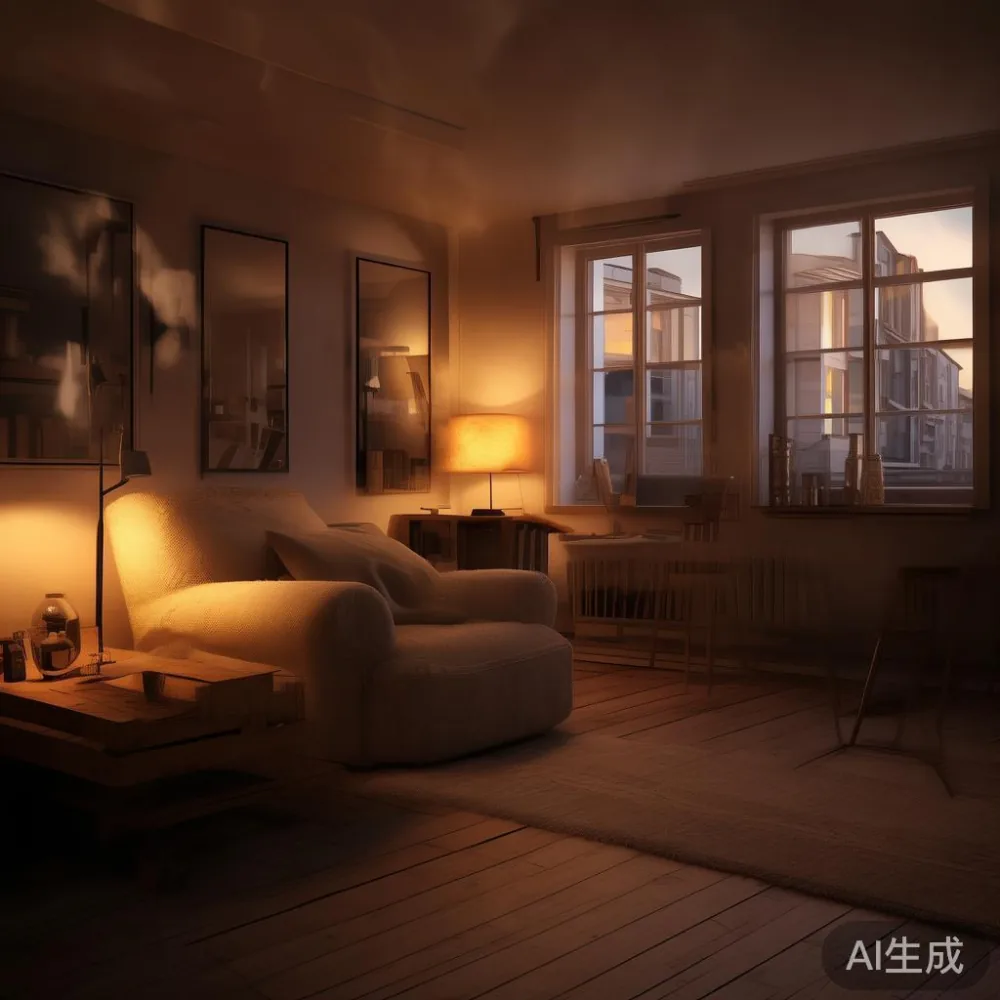
For residents of HDB flats and private condos in Tampines, Bedok and Punggol, humidity is not an abstract measurement. It is connected to an apartment’s orientation, ventilation, lift access, corridor width and the amount of daylight entering the living room. Choosing furniture for a small space means considering not only the footprint, but also how materials respond to the local environment.
MIDHILL makes solid wood furniture in Foshan, and its practical guidance for Singapore homes begins with simple principles: measure the room, allow the wood to acclimatise, maintain sensible indoor humidity and select furniture that suits the way you actually live. The company has supplied furniture to more than 15 countries since 2008, with a 10-year structural warranty and lifetime refinishing service.
Why Singapore’s Humidity Changes Solid Wood
Wood is hygroscopic, which means it naturally absorbs and releases moisture as the surrounding air changes. Southeast Asian humidity often ranges from roughly 65% to 85% through much of the year, although readings vary between homes, bathrooms, kitchens and air-conditioned rooms. Coastal air, concealed pipework and the absence of a dry season all contribute to this pattern.
The direction of the grain, the species and the factory finish all affect the visible response. Solid oak, teak, ash and rubberwood each behave differently. Veneered panels can also expand, but they may show movement along their edges rather than across a continuous piece of timber. A marble table has no wood grain, yet its stone surface and any wooden base still deserve careful placement away from persistent dampness.
Minor movement of approximately 1–3 mm across a wide solid wood panel can be ordinary in changing humidity. Larger gaps, persistent swelling or a musty smell indicate a more serious moisture problem. Checking a piece with a moisture meter is useful: readings around 8% to 12% are generally appropriate for many interior conditions, while readings above about 15% suggest that the furniture or its environment needs attention.
Air-conditioning can improve stability during the day, but switching between a dry conditioned room and a humid corridor may still create movement. The useful target is not simply the lowest humidity number. A stable indoor relative humidity of about 45–65% is easier on the furniture and more comfortable for occupants.
What Should I Do Before Delivery to an HDB Flat?
Measure the route before ordering. Singapore HDB lift openings are often about 90 cm wide, while common passenger lifts measure roughly 110–140 cm per opening and 135–160 cm in depth. Add the furniture’s diagonal width, plus around 5–10 cm of working room for the installer’s hands and protective padding.
For corridor turns, measure the narrowest section between the lift lobby and the door. A 180 cm dining table may fit through a 90 cm doorway when carried on its side, but a 200 cm solid wood dining table with a thick top may not. If the lift dimensions are uncertain, provide the delivery team with photographs, a tape-measure reading and a clear unit number. Checking the staircase only after the lift is too late can create an expensive relocation problem.
Leave about 5 cm behind a wardrobe and 10–15 cm between a bed frame and a wardrobe where space allows. These gaps support airflow and reduce trapped moisture. For a bed frame, avoid pushing every side tightly against a wall. A solid wood sofa should also have a few centimetres of clearance, particularly in an open-plan HDB living room where ventilation varies.
Confirm whether the quoted delivery includes carrying the item upstairs and placing it in the intended room. A Singapore order should be priced in SGD, and the terms should specify delivery days, lift fees and any access restrictions. MIDHILL provides free shipping on orders over US$350, although the exact Singapore charge and timing should be confirmed for the product and address.
How Long Should New Furniture Acclimatise?
Give new solid wood furniture time to adjust. Keep it away from direct air-conditioner vents, bathroom doors and kitchen steam for at least 48–72 hours. A longer period of 7–14 days may be sensible if the piece arrives during a particularly humid spell or comes directly from a cooler overseas warehouse.
Do not wrap newly delivered furniture completely for several weeks. That can trap moisture around the timber. Remove only the outer protective packaging, retain felt pads beneath the legs and allow air to circulate around the sides and underside.
Last month, I visited a customer’s compact Tampines flat after a teak dining table had been delivered from a Foshan factory. The unit faced a western corridor and received late-afternoon sun. On arrival, the tabletop felt noticeably cool and the moisture meter showed about 14%. After 5 days of ventilation and careful wiping, the reading settled near 10–11%, and the table’s appearance became even. That experience reinforced how much placement and patience matter alongside the wood species itself.
For a nightstand, use coasters and avoid standing damp laundry on the surface. For a wardrobe, check the internal moisture level before loading heavy clothes into a new unit. For a solid wood sofa, keep cushions slightly away from an exterior wall and remove any wet raincoat rather than draping it over the arm.
How Should I Care for Furniture in Humid Weather?
Use a clean, slightly damp cloth and dry the surface immediately. A common mistake is to over-wet the cloth, especially around joints and end-grain. Wipe in the direction of the grain, and avoid ammonia, bleach and oil-soaked rags on a lacquered or oiled finish.
Run a dehumidifier when indoor readings remain above approximately 65%. In a 100–120 square foot bedroom, a model rated for around 10–20 litres of water extraction per day can make a meaningful difference. Place it several feet away from walls and leave space for airflow. Do not use a domestic dehumidifier as a substitute for fixing a persistent leak or rising damp issue.
Check silicone and foam cushions for dampness, particularly after the monsoon season. Remove and air them when possible. Keep a marble table away from windows that remain open during rain, and clean the stone with a neutral pH product rather than acidic lemon cleaner. A small coaster under a frequently used glass can prevent water rings on timber and stone alike.
Use protective pads under every furniture leg. Felt or moulded plastic pads around 2–3 mm thick help prevent floor marking and keep a slight gap between the furniture and a damp surface. Refelt worn pads every 6–12 months. If a solid wood bed frame sits close to an open window, inspect the headboard and footboard twice each year for finish wear.
Can Humidity Damage a French-style Bedroom?
Yes, but a French-style bedroom can perform well in a Singapore apartment when proportion and moisture control are handled properly. A carved headboard may use more timber than a minimal frame, so it needs a clear ventilation path and a stable finish. If you are learning how to style French bed in bedroom, begin with the bed as the focal point, then add two compact nightstands and restrained lighting rather than crowding the room.
For a typical 90–110 square foot HDB bedroom, a queen bed measuring approximately 150 × 200 cm can leave useful space if positioned lengthwise. A 120 cm-wide French-style bed may suit a larger master bedroom, but it can reduce circulation in a 90 square foot room. Keep at least 60 cm along one side where possible and about 45 cm at the foot, although access needs will vary.
If you are comparing how to style French wardrobe in apartment, select a depth based on the daily path rather than the largest available volume. A 55–60 cm-deep wardrobe can hold hanging garments efficiently in a compact room, while a shallower unit may be better for folded items. Leave around 5 cm above the carcass for moisture inspection and do not push it directly into a wet exterior corner.
French provincial details can also collect dust in humid conditions. Clean the decorative profile every 2–4 weeks with a soft brush, and check the finish around handles where hands introduce moisture. French light luxury works in HDB homes when pale upholstery, warm timber and careful spacing keep the room composed.
Is Humidity a Problem for Solid Wood Sofas and Dining Tables?
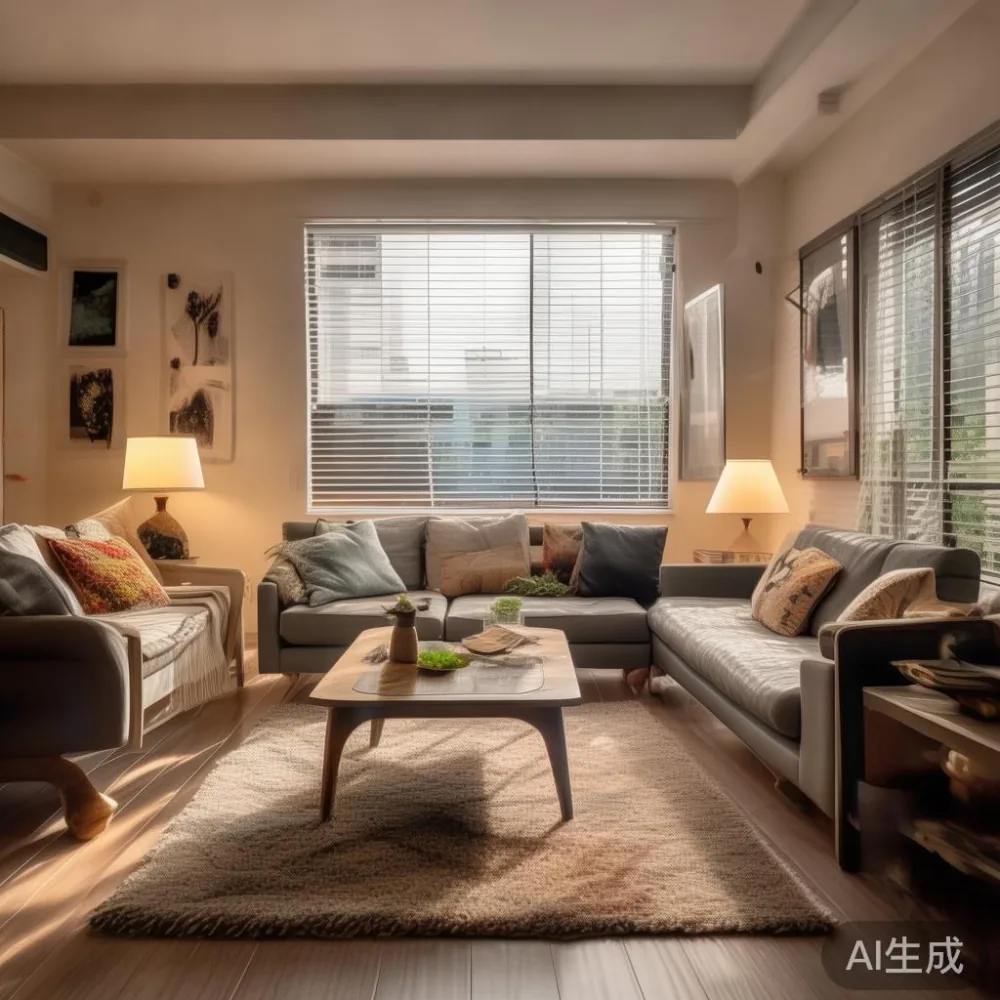
Not necessarily. A solid wood sofa frame can remain stable when the finish is sound and the room’s humidity is reasonably controlled. High-density foam and good upholstery also make long-term comfort easier to maintain, but exposed frame legs should be checked after wet weather.
Buyers often ask: is French provincial sofa worth it for an apartment with occasional rain? The answer depends on proportions, fabric maintenance and the style of the home. Its detailed silhouette can suit a larger living room, while a slimmer French provincial sofa may work better in a compact flat. Request seat-depth, arm-width and frame measurements before ordering.
A similar question is: is Japandi sofa worth it in Southeast Asia? A low, clean-lined design can make a small space feel orderly, especially when paired with a pale rug and simple timber furniture. Its low profile may also trap more humidity near the floor, so use a damp-proof mat and maintain clearance below the frame.
For anyone comparing designs, how to choose Mid-century modern sofa is a matter of dimensions, seat construction and finish. Check that the sofa can pass through the lift and that its timber legs are sealed underneath. The same delivery measurements apply to a dining table: for a 4-person table, allow about 60 cm per place, while a round 110 cm table can improve circulation in a narrow dining zone.
A dining table should not be placed against a wall that repeatedly collects condensation. Allow 75–90 cm of clearance around chairs where possible. In an open kitchen-living room, keep the table at least 1 metre from the sink or cooking zone. If steam reaches the furniture after cooking, use a range hood and ventilate the space.
How Do I Choose Furniture for a Small Space Without Overcrowding It?
Begin with the clear dimensions rather than the catalogue photograph. A compact bedroom may need a 120 cm-wide bed frame, a 40–45 cm nightstand and a wardrobe no deeper than 55–60 cm. In a Tampines living room, a solid wood sofa around 180–200 cm wide may serve a family of 3 while preserving a 75 cm circulation path. Punggol units with wide living-room openings may allow more length, but the route to the unit still decides what can be delivered.
Choose a dining table with an extendable top if entertaining is occasional. An extension of 40–50 cm can add 2 seats, yet it should be stored with adequate ventilation in humid weather. A marble table can give a compact dining area visual lightness, but the top may weigh 45–90 kg depending on its size. Confirm the lifting weight, floor loading and carrier count before delivery.
Storage should be sized around objects, not aspiration. A wardrobe with adjustable shelves at 2 cm increments gives more useful flexibility than fixed compartments. For a bed frame, drawers and open shelves can replace bulky bedside tables, provided the lifting points and drawer runners remain accessible.
Light-luxury furniture can feel spacious through proportion rather than decoration. French light luxury uses pale upholstery and refined curves; American light luxury favours generous comfort with cleaner outlines; post-modern light luxury can pair unusual forms with restrained materials. When comparing designer Italian light luxury furniture for a Singapore apartment, check delivery dimensions as carefully as the visual style.
Budget not only for the purchase price in SGD, but also for 5–10% of the item value as a contingency for stairs, extra carrying or protective floor covering. GST treatment and final charges should appear on the quotation. For MIDHILL orders, confirm the 14-day return condition, the 10-year structural coverage and the process for lifetime refinishing before confirming.
What Are the Warning Signs of Excess Humidity?
Look for several small changes rather than relying on one symptom. Timber may feel cool or damp, finish may appear cloudy, and a dining table may show minor joint movement. A 1–2 mm variation is generally modest, but repeated widening beyond 3 mm deserves investigation. White powdery deposits, mould around joints or a persistent musty smell require prompt action.
Check the lower edge of a wardrobe, the underside of a bed frame and any solid wood sofa that sits near an external wall. Use a moisture meter in at least 3 points and compare the results with the room reading. Avoid repeatedly wetting the surface to test whether it is cool, since that adds moisture rather than measuring it.
Seasonal care matters. During the 3–4 months of the Northeast Monsoon, inspect furniture near windows and wipe surfaces after heavy rain. Between May and September, direct afternoon sun can dry one side of a table while humid air affects the other. Use curtains and maintain steady indoor conditions rather than chasing every brief fluctuation.
Solid wood furniture is made for real homes, including humid Southeast Asian ones. The right approach is not to fear every cloudy day, but to control the environment: keep relative humidity near 45–65%, prevent standing water, maintain ventilation and inspect twice a year. A carefully proportioned dining table, bed frame, wardrobe, nightstand or solid wood sofa can retain its character for many years when moisture and delivery access are considered from the start.