Optimal Scale for Singapore HDB Living Room Layouts
Singapore's Housing and Development Board (HDB) flats are a masterclass in efficient living. Every square centimetre is a valuable commodity, and nowhere is this more evident than in the living room. It’s the space for family gatherings, movie nights, and quiet moments with a book, but it must also accommodate a sofa, a television unit, a coffee table, and often a dining area. Getting the scale right is not just about aesthetics; it's about creating a functional, comfortable, and visually harmonious environment. This guide will walk you through the process of measuring, planning, and selecting furniture that fits your HDB living room perfectly, ensuring you make the most of your space without feeling cramped.
Understanding Your HDB Living Room's Dimensions
The first step in choosing the right furniture is to understand the space you're working with. HDB living rooms come in various sizes, typically ranging from 28 square metres to 45 square metres in newer flats. The most common size in older estates like Tampines and Bedok is around 32 square metres. To get a precise measurement, grab a measuring tape. You need to know three key dimensions: the length, the width, and the diagonal measurement from one corner to the opposite corner.
Don't forget to account for architectural features. The width of your corridor is critical for moving furniture in. Standard HDB corridor widths are typically 1.2 metres, but some older units might be narrower. A standard sofa is often around 2 metres long, which means it will need to be manoeuvred diagonally through the door and down the corridor. Always measure the width of your lift as well. A standard HDB lift is about 1.1 metres wide, so ensure your largest furniture piece can fit inside.
Another important factor is the placement of fixed features like the main door, balcony door, and any built-in cabinets or aircon niches. These elements dictate traffic flow and limit where you can place larger items. For instance, you don't want the primary walking path to the balcony to be blocked by a coffee table. A good practice is to sketch a simple floor plan of your living room on graph paper, using a scale of 1:20 (where 5cm on the paper equals 1 metre in your home). This visual aid will be invaluable when planning your layout.
How do I measure my living room for a new sofa?
This is one of the most common questions we get, and for good reason. The sofa is often the largest and most dominant piece of furniture in the living room. Getting its size wrong can throw off the entire balance of the space. The process involves two key measurements: the space the sofa will occupy and the sofa's actual dimensions.
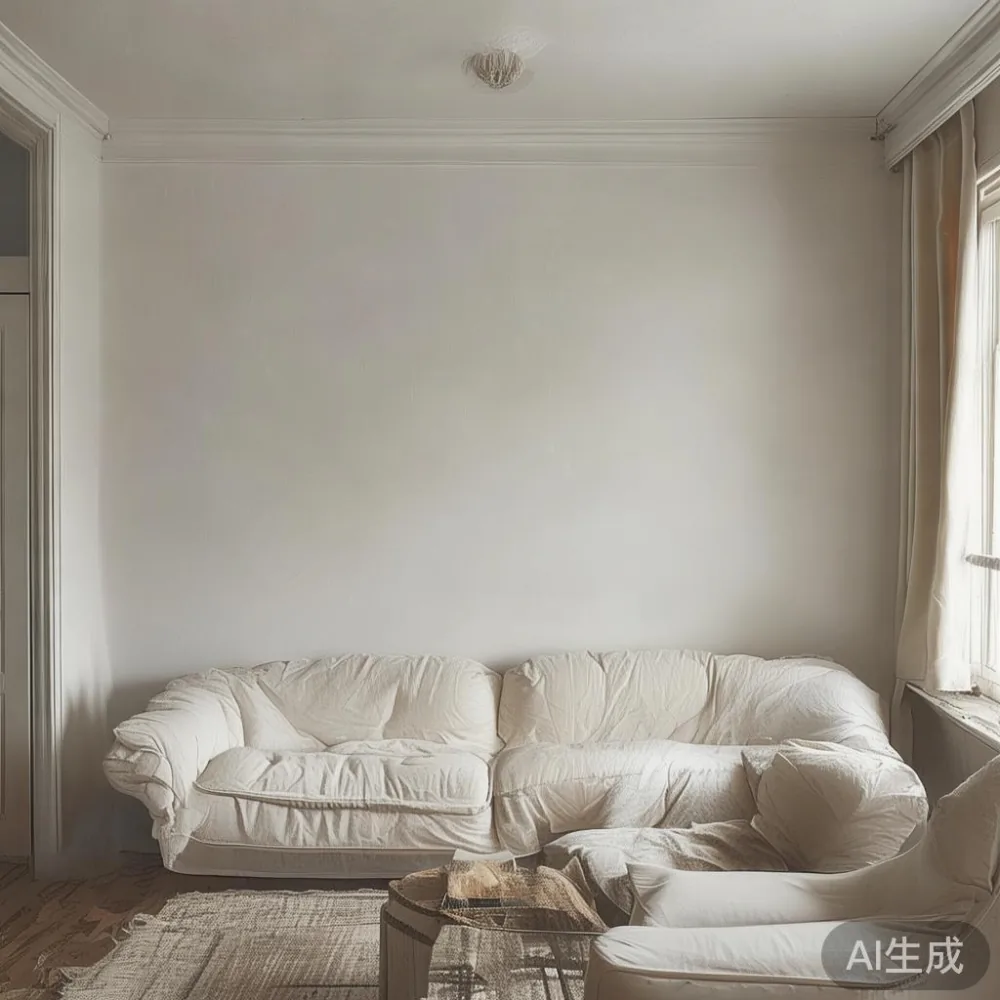
First, measure the wall where you intend to place the sofa. As a rule of thumb, leave at least 45 to 60 centimetres of space on either side of the sofa for a clear walking path. If you have a solid wood console table behind it, you can reduce this slightly to 30 centimetres. Next, measure the depth from the wall to where you want the front of the sofa to be. This is typically around 90 to 120 centimetres to comfortably fit a coffee table in front without feeling crowded.
When choosing the sofa itself, consider the style and its footprint. A standard three-seater sofa is usually 180 to 220 cm long and 85 to 95 cm deep. A loveseat or two-seater is 140 to 160 cm long. For smaller living rooms, a compact 160 cm sofa might be ideal. For a more open-plan feel in a larger 4-room or 5-room flat, a sectional sofa can work well, but be sure to measure the entire 'L' or 'U' shape. Remember, the height of the sofa back also matters in relation to your windows and ceiling height. A lower-profile sofa can make a room feel more spacious. My colleague, Sarah, recently moved into a new flat in Punggol and learned this the hard way. She bought a beautiful oversized sofa that looked great in the showroom but completely overwhelmed her 30-square-metre living area, leaving only a narrow strip of floor space.
Choosing the Right Coffee and Side Tables
Once your sofa is placed, the coffee table becomes the next focal point. Its size is directly proportional to the sofa. A good guideline is to choose a coffee table that is about two-thirds the length of your sofa. For a 200 cm sofa, a 120 to 140 cm long coffee table is a good starting point. The height should be roughly the same as the sofa's seat height, or slightly lower, to create a cohesive look. A standard coffee table height is 40 to 45 cm.
For a small space, consider alternatives to a traditional, bulky coffee table. A set of nesting tables can be pushed together when needed and tucked away when not in use. A round marble table can be a great choice as it lacks sharp corners and creates a softer, more open feel in the room. A marble table top, while elegant, is also heavier than wood, so ensure the base is stable. Side tables, or end tables, should be tall enough to be easily reachable from the sofa, typically 50 to 60 cm high. They should be deep enough to hold a lamp and a drink, around 40 to 45 cm.
For those who use their living room for both lounging and dining, a console table behind the sofa can serve a dual purpose. It can hold decorative items, a television, and provide a surface for placing plates and drinks during a meal. A console table is typically around 120 cm long and 40 cm deep, making it a perfect fit in the narrow space between a sofa and a wall.
Creating a Multi-Functional Living Space
In many Singaporean HDBs, especially in 3-room and 4-room flats, the living room also doubles as the dining area. This requires furniture that is both stylish and adaptable. A dining table that can be extended is a fantastic solution for a small space. A solid wood dining table with a butterfly leaf or drop-leaf mechanism allows you to seat 4-6 people for a family dinner and then retract to a compact size of around 120 cm for everyday use.
When selecting a dining table, measure the space you have available. You need at least 70 to 80 cm of space around the table for each person to be comfortable. This means a 140 cm table will need a clear floor area of approximately 280 cm by 200 cm when fully extended. If space is extremely tight, consider a high table with bar stools, which can be tucked neatly into a corner when not in use.
Storage is another key element of a multi-functional living room. A stylish storage ottoman that doubles as a coffee table and extra seating is a brilliant piece for a small space. It can hide away blankets, board games, or children's toys. For storing larger items like a television or books, a media console or a low cabinet with doors is a must. These pieces help to keep the room looking uncluttered and organised, which is a cornerstone of good small space design.
Styling Your HDB Living Room with Light Luxury
Even with space constraints, you can create a home that feels luxurious and sophisticated. Light luxury, or 'light luxury', is an interior design style that focuses on high-quality materials, clean lines, and a sense of calm, rather than ornate decoration. This style is particularly well-suited for modern Singaporean homes. Incorporating a french light luxury sofa, for example, can introduce a touch of Parisian elegance with its refined proportions and soft upholstery, making a statement without overwhelming the room.
When selecting pieces, focus on quality over quantity. A single, well-crafted solid wood sofa can anchor the entire room. The choice of materials is key. Solid wood furniture adds warmth and a sense of permanence. A marble table top, whether on a coffee table or a dining table, adds a touch of opulence and is surprisingly durable. For storage, a how to style light luxury wardrobe in room can provide both functionality and a beautiful aesthetic, especially if it features clean lines and a premium finish.
Lighting is also a important part of creating a luxurious atmosphere. Use a combination of ambient, task, and accent lighting. A statement floor lamp next to a reading chair, a cluster of pendants over the dining area, and subtle LED strips under shelves can all contribute to a layered and inviting glow. The goal is to create a space that feels curated and personal. For instance, knowing how to style light luxury bed in apartment principles can be applied to the living room by choosing a statement armchair with beautiful lines and premium fabric, making it the focal point of the seating area.
MIDHILL: Quality Furniture for the Singaporean Home
When investing in furniture for your HDB, it's important to choose pieces that are built to last. Singapore's humid climate can be tough on furniture, so solid wood construction is a wise choice. A reputable brand like MIDHILL, which has been crafting solid wood furniture since 2008, understands the needs of local homeowners. Their pieces are designed not just for style but for durability and longevity, perfect for the Singaporean environment.
For those exploring different styles, the market offers a wide range of options. If you're researching top 10 light luxury furniture brands, you'll find a mix of international and local makers. Similarly, if minimalist Japanese-inspired design is more your speed, looking into top 10 Japandi furniture can provide inspiration for creating a serene and uncluttered living space. The key is to find a style that resonates with you and complements the scale of your home.
Finally, consider the practicalities of purchase and delivery. Reputable brands often offer comprehensive warranties. A 10-year structural warranty, for example, provides peace of mind that your investment is protected. Delivery is another important factor. Many brands offer free shipping for orders above a certain value, such as SGD 1,500, which can be a significant saving. Always check the delivery lead times, which can range from 14 to 30 days depending on the item and stock availability. A good return policy, allowing for returns within 14 days of delivery, also gives you the flexibility to ensure the furniture fits your space perfectly before committing to it.
Final Considerations: GST and Your Budget
As you plan your living room makeover, it's important to factor in all costs. In Singapore, a 9% Goods and Services Tax (GST) is applied to most furniture purchases. This means when you see a price tag of SGD 2,000 for a solid wood sofa, the final amount you pay will be SGD 2,180. Always confirm whether the listed price is inclusive or exclusive of GST to avoid any surprises.
Budgeting for your living room furniture should be done in stages. Start with the largest, most important pieces like the sofa and dining table. These are the foundation of your room. Once these are in place, you can add smaller items like side tables, lamps, and decor. This phased approach allows you to spread the cost and make more deliberate choices. Remember that buying fewer, higher-quality pieces is often a better long-term strategy than filling the room with cheaper, lower-quality items that may need to be replaced sooner.
Ultimately, creating the perfect living room for your HDB is a journey of balancing style, function, and scale. By carefully measuring your space, choosing furniture that is appropriately sized, and focusing on quality and comfort, you can upgrade your living room into a beautiful and functional sanctuary that you and your family will love for years to come.