The Art of Scale: Choosing the Right Furniture for Your Singapore HDB Living Room
Living in a Singapore Housing and Development Board (HDB) flat presents a unique set of challenges and opportunities for furnishing a living room. The spaces are designed for functionality, but often with a premium on square footage. A typical HDB living room in estates like Tampines or Bedok might measure around 4.5 meters by 4.2 meters, which is approximately 18.9 square meters. This area needs to accommodate a sofa, a coffee table, a television unit, and sometimes even a dining table, all while allowing for comfortable movement. Getting the size and scale of each piece right is not just a matter of aesthetics; it's a practical necessity that defines the entire feel of your home.
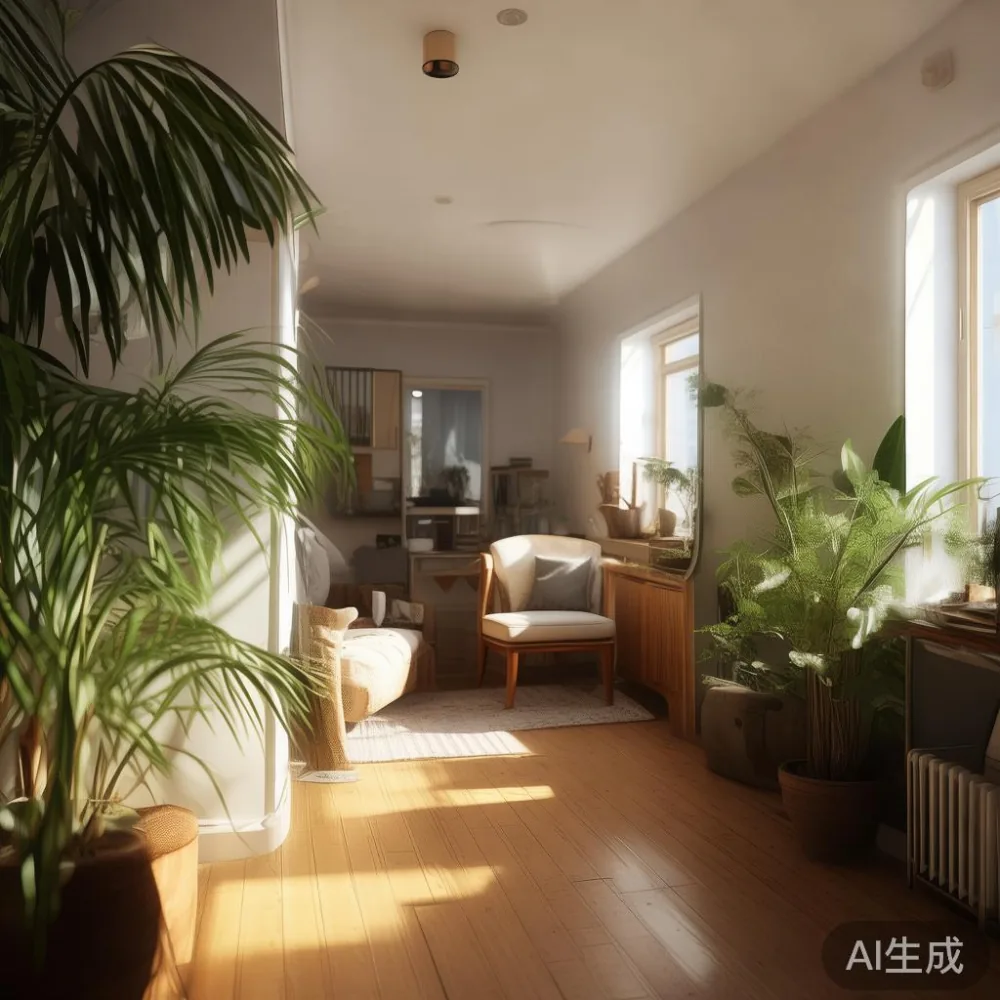
Understanding the HDB Blueprint: Standard Dimensions and Constraints
Before you even think about a specific style or material, you must understand the physical boundaries of your space. Singapore's HDB flats are built to a standardised template, which means certain measurements are consistent across most units. The standard door width is about 80 cm, and the internal corridor width in common areas is typically 1.2 meters. This becomes critical when moving furniture. Imagine trying to manoeuvre a 2.5-meter solid wood sofa around a tight corner in a Punggol HDB lift lobby; a sofa with a depth of 95 cm would be impossible to fit through a standard 80 cm door frame. This is why knowing the exact dimensions of your living room—from wall to wall, and from the entrance to the windows—is the first step. A common mistake is to measure the open area and forget about the recesses for the windows or the space required for the front door to swing open. Always measure the entire room and note any permanent fixtures. This data-driven approach prevents you from falling in love with a piece of furniture that simply cannot physically enter your home.
How Much Space Should a Sofa Actually Take Up in a Small Living Room?
This is perhaps the most common question we hear from customers in Singapore. The answer depends on the sofa's function in the room. For a primary seating area where the television is the focal point, a sofa that is 220 cm to 250 cm long can work well in a 4.5-meter room, provided you leave at least 45 cm of clearance behind it for airflow and to prevent the wall from feeling crowded. This creates a comfortable zone for walking behind the sofa. For a small space that serves multiple purposes, a two-seater sofa, typically around 150 cm to 180 cm long, might be a better choice. This leaves ample room for a coffee table and a pathway to the kitchen. The depth of the sofa is equally important. Standard sofas are 85 cm to 95 cm deep. In a very compact living room, a depth of 80 cm can make a significant difference in perceived space. When I visited a client's apartment in Bedok last month, we found that replacing their bulky 100 cm deep sofa with a more streamlined 85 cm deep model instantly opened up the floor, making the entire room feel larger and more airy. The key is to map out the sofa's footprint on the floor with painter's tape before making a purchase. This simple exercise provides a clear, visual representation of the space it will occupy.
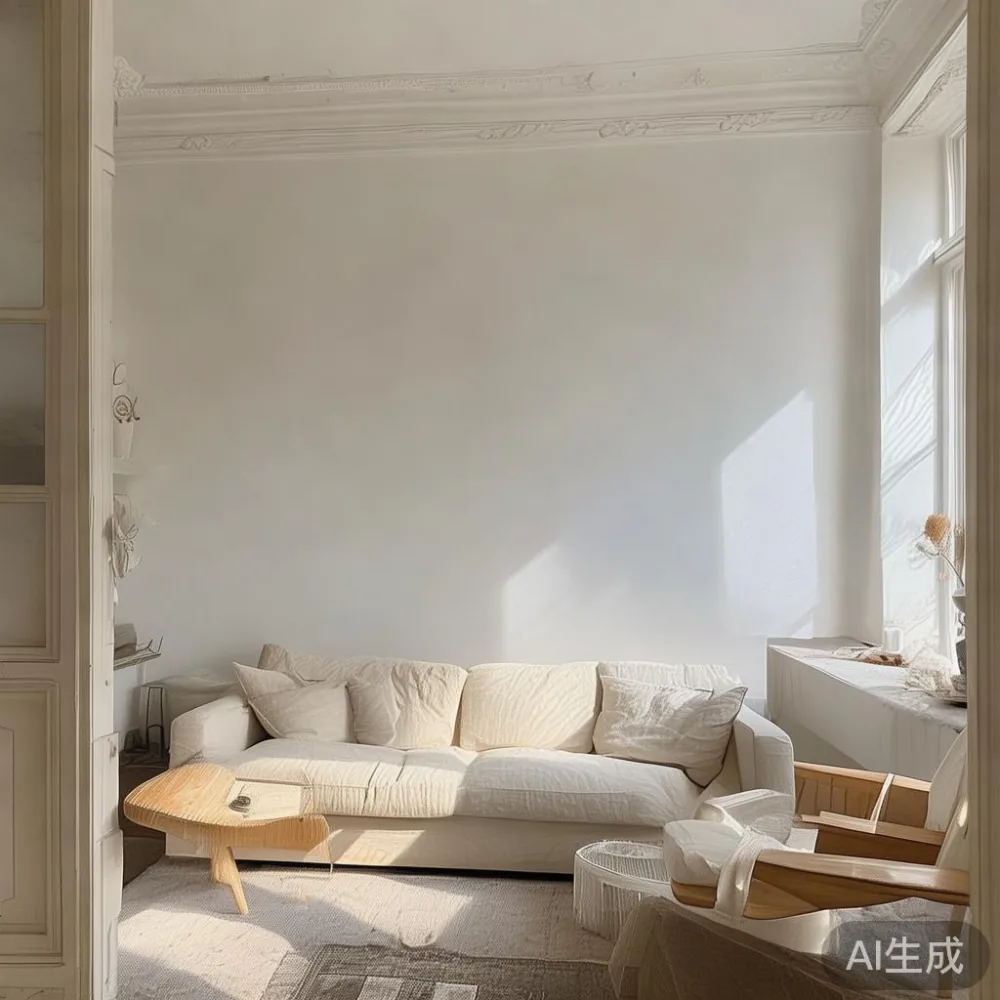
The Coffee Table and TV Unit: Finding the Right Balance
Once the sofa is positioned, the coffee table and television unit must fit into the remaining space without cluttering it. A common rule of thumb is that the coffee table should be about two-thirds the length of the sofa. For a 220 cm sofa, a 140 cm to 150 cm long coffee table is a good proportion. The height should be similar to the sofa's seat height, usually around 45 cm, to create a cohesive visual line and ensure easy access to drinks and snacks. The distance between the coffee table and the sofa should be about 40 cm to 45 cm. This is close enough for convenience but far enough to allow for comfortable leg movement. For the TV unit, the screen size should be proportional to the sofa's viewing distance. A 55-inch television is ideal for a viewing distance of around 2 meters. The TV unit itself should be slightly wider than the TV screen, by about 10 cm to 15 cm on each side, to create a balanced look. In a small space, a wall-mounted TV can free up floor space, but if you prefer a console, choose one with legs rather than a solid base. This allows light to pass underneath, making the room feel less heavy. A console that is 180 cm long and 45 cm high would be suitable for a 55-inch TV in a standard HDB living room.
Multi-Functional Furniture: The Secret Weapon for Small Spaces
When square footage is limited, furniture that serves more than one purpose is invaluable. This is the core philosophy of a small space living strategy. Consider a storage ottoman that can be used as a coffee table, extra seating, and a place to store blankets or board games. Another excellent option is a console table that can be placed against a wall. It can hold a television on a wall mount above it while providing storage space for media equipment and decorative items below. For those who entertain guests, a nesting set of two or three tables is a fantastic solution. You can use the largest one as a primary coffee table and pull out the smaller ones when you need extra surface space for drinks or snacks, then tuck them away when not in use. This flexibility is a hallmark of intelligent small space design. The concept of for sale Minimalist furniture is particularly effective here, as minimalist designs often prioritise clean lines and hidden storage, maximising utility without visual bulk.
Style and Material: Making a Statement Within Confined Walls
Just because your living room is small does not mean it cannot be stylish. The choice of style can significantly impact the perception of space. Light colours, such as off-white, light grey, and soft pastels, make a room feel larger and more open. Materials also play a role. A solid wood sofa in a light oak finish will feel less imposing than one in a dark walnut finish. French light luxury style, with its emphasis on elegant curves, slender legs, and light, airy fabrics, can add a touch of sophistication without overwhelming a small room. The use of a marble table top for a coffee table or console can introduce a sense of luxury and reflect light, brightening the space. A colleague of mine who specialises in interior design often recommends a post-modern light luxury approach for HDB living rooms. This style blends clean, geometric lines with luxurious materials, creating a space that feels both contemporary and high-end. For example, a simple, angular sofa with a textured linen upholstery paired with a marble table can achieve this balance perfectly. The key is to select a few, high-quality statement pieces rather than filling the room with many smaller, cheaper items.
Bringing It All Together: A Practical Checklist
To ensure you make the right choices, follow this practical checklist. First, measure your living room accurately, including doorways, windows, and any permanent features. Second, map out your furniture layout on the floor with painter's tape to visualise the space. Third, consider the primary function of the room. Is it for watching movies, entertaining, or a combination of both? Fourth, prioritise multi-functional furniture to maximise utility. Fifth, choose a style and colour palette that feels open and light. Finally, do not forget about practicalities like delivery and assembly. When purchasing a European light luxury bed vs Modern bed for the master bedroom, the delivery logistics are a key consideration. A solid wood wardrobe needs to be assembled in the room, so ensure you have enough space to work. For larger items, check if the seller offers professional assembly services. The cost of a high-quality solid wood sofa can range from SGD 2,500 to SGD 5,000, depending on the size and material. While this is a significant investment, remember that quality furniture is a long-term purchase. Many reputable brands, including some makers of Foshan furniture, offer warranties and after-sales service that provide peace of mind.
The world of interior design offers many options for the discerning homeowner. If your taste leans towards a more relaxed, airy vibe, you might explore the best European sofa for 2026 that features a low-profile design and breathable fabric. For those who appreciate clean lines and natural materials, the best Scandinavian sofa for 2026 could be the perfect fit, embodying the principles of minimalism and functionality. Alternatively, if you desire a coastal, breezy feel, the best Coastal sofa for 2026 might inspire your choice, with its light colours and organic shapes. The Japanese for small living room philosophy, focusing on simplicity and functionality, can also be a great source of inspiration. Ultimately, the right furniture is the one that fits your space, meets your needs, and reflects your personal style. It is about creating a harmonious environment where you can live comfortably and beautifully.