Veneer or Solid Wood? A 5-Year Cost Comparison for Singapore Small Spaces
Furniture choices in Singapore are often reduced to two labels: veneer or solid wood. In a compact HDB flat or condo, the decision is not simply about appearance. It affects the purchase price, delivery through a 90 cm lift, maintenance, replacement parts, and what the furniture may look like after 5 years.
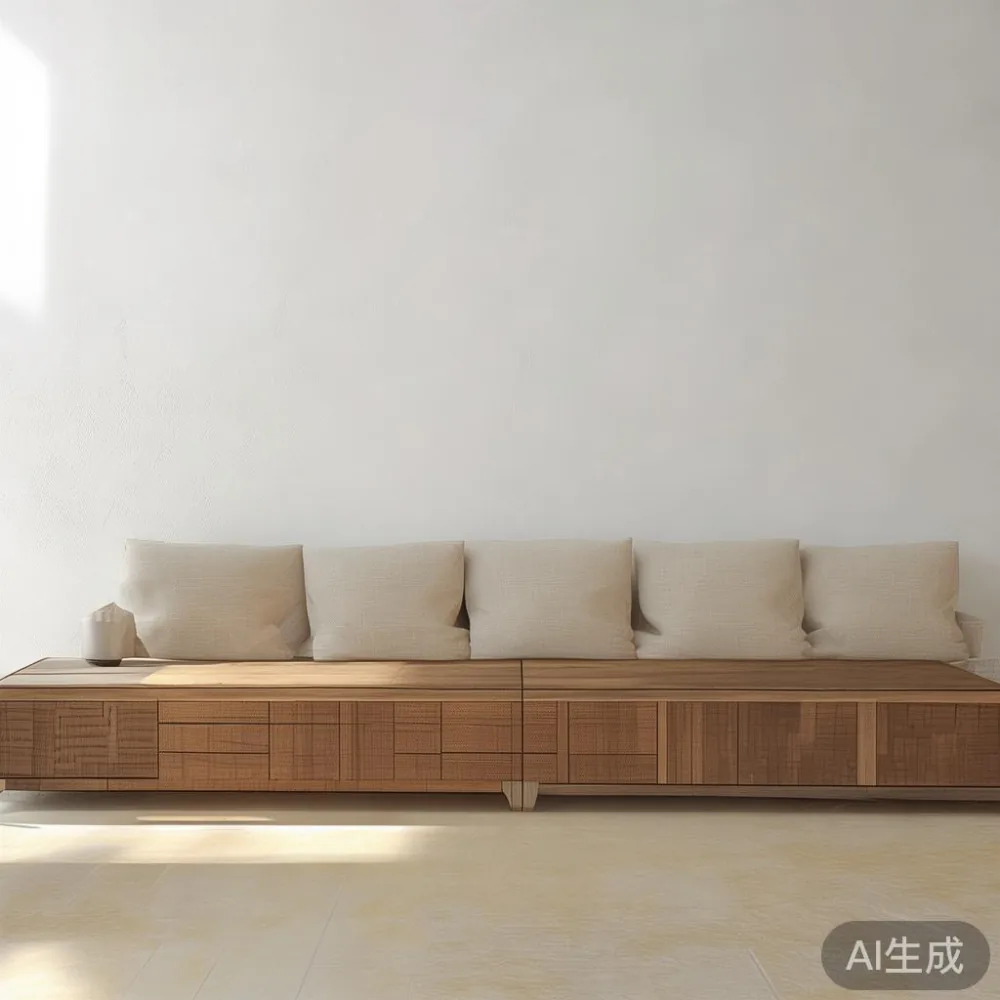
This comparison uses realistic Singapore prices in SGD, typical furniture dimensions, and a 60-month ownership period. I focus on pieces that fit small space living: a solid wood sofa, bed frame, dining table, wardrobe, nightstand, and occasional marble table. The figures are estimates rather than universal quotations, because timber grade, finish, hardware, access conditions, and custom sizing can change a project substantially.
At MIDHILL, we manufacture in Foshan and work with practical dimensions, finishes, and furniture layouts suited to urban homes. The aim here is not to label one material as automatically superior. It is to show where each option spends money, where it saves money, and how those choices develop over 5 years.
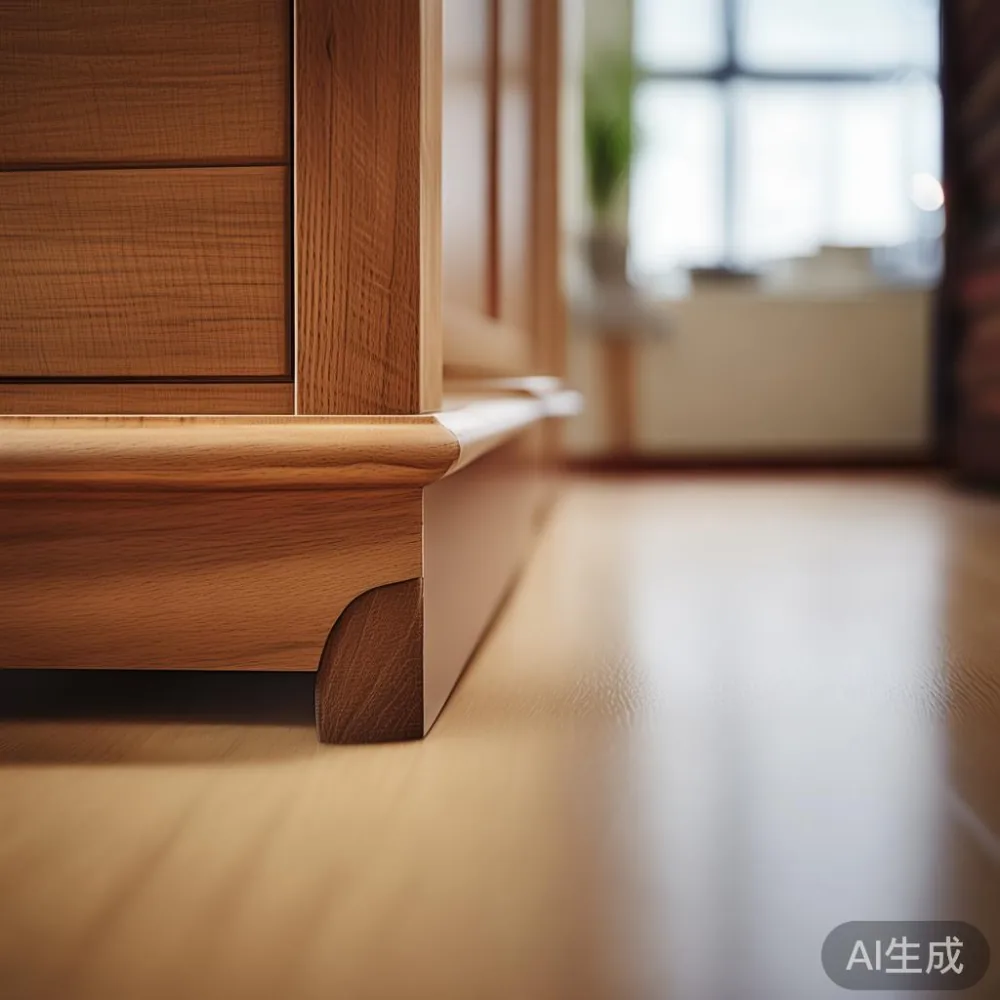
What is the real 5-year difference between veneer and solid wood furniture?
For many households, the real difference is a combination of upfront cost and expected repair frequency. Veneer can provide a broad, consistent wood appearance at a lower entry price. Solid wood usually carries a higher initial cost, but selected components can be sanded and refinished instead of replaced. That difference matters in a small space, where replacing a 180 cm dining table or a fitted wardrobe can involve measurements, stairs, corridors, and installation work.
The examples below use a 5-year horizon and include an illustrative maintenance allowance. For veneer, I assume SGD 450 for one dining table, SGD 300 for one wardrobe, SGD 180 for a sofa repair kit, and SGD 120 for miscellaneous touch-ups. For solid wood, I assume SGD 250 for preventive waxing and local frame repairs, plus SGD 350 for a likely bed hardware replacement. These are planning figures, not promises about every product.
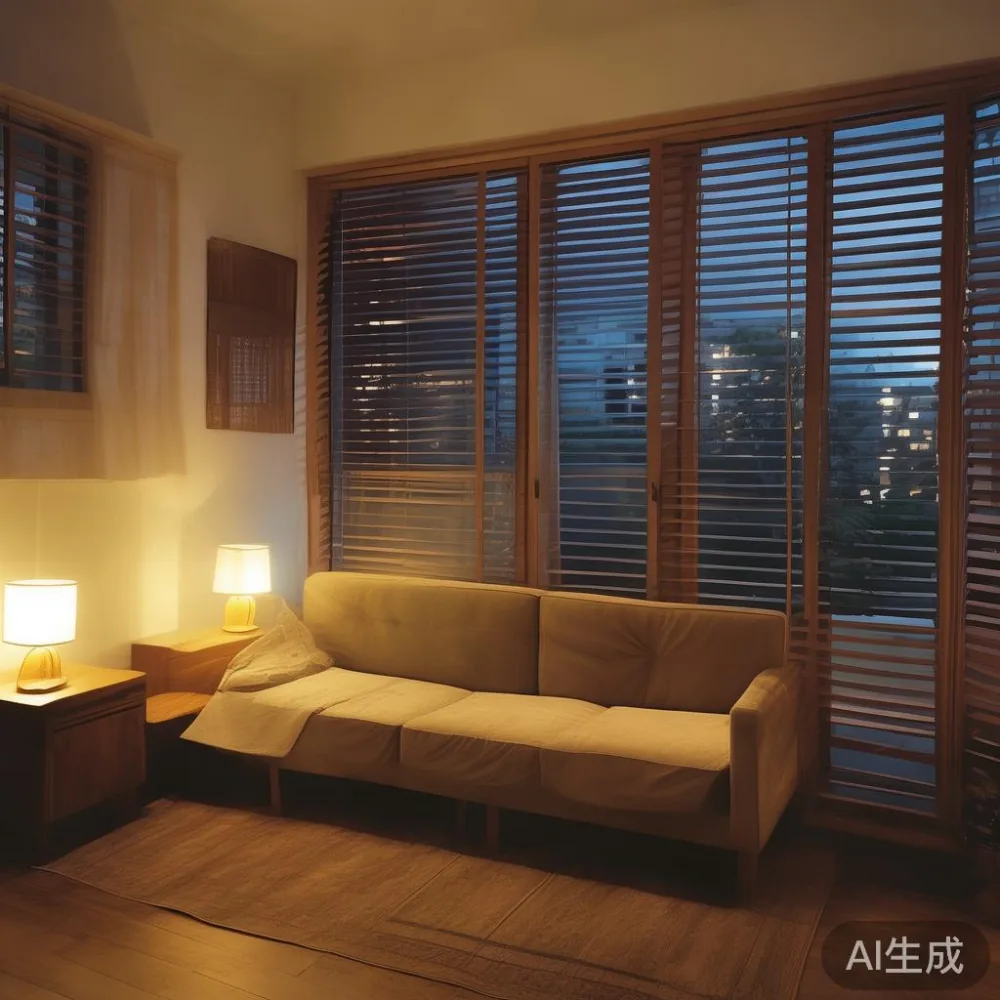
Illustrative purchase and ownership comparison
A 180 cm x 85 cm dining table may cost about SGD 1,250 in veneer and SGD 2,150 in solid wood. A 160 cm x 200 cm bed frame may cost about SGD 1,080 in veneer and SGD 1,850 in solid wood. A modular wardrobe covering 240 cm of wall space may cost about SGD 2,400 with veneer fronts and SGD 3,900 with solid wood fronts and frames. A 160 cm sofa may be SGD 1,350 in veneer and SGD 2,500 in solid wood. A 45 cm nightstand may be SGD 220 or SGD 390. A small 90 cm marble table may be SGD 780 with a veneer or solid-wood base, or SGD 1,080 with a more substantial solid-wood base.
Across this sample basket, the veneer total is approximately SGD 7,080 before maintenance. The solid-wood basket is approximately SGD 11,870 before maintenance. Add the estimated 5-year allowances: SGD 1,050 for veneer and SGD 600 for solid wood. The result is SGD 8,130 for veneer and SGD 12,470 for solid wood, a difference of SGD 4,340 over 5 years. That is about SGD 868 per year, or SGD 24.11 per month across the six pieces.
The calculation excludes GST if a buyer is not registered for business tax treatment, although Singapore's GST rules can affect the displayed price for different purchasers. It also excludes renovation, electrical work, and heavy stair delivery. For a condo, a service lift of 120 cm x 220 cm may make a boxed wardrobe easier to move than a rigid solid-wood cabinet. In an HDB block, a lift opening of 90 cm and a corridor width of 110 cm can be more restrictive. Measure the route before ordering; the narrowest point matters more than the room floor area.
Is veneer cheaper in Singapore HDB flats and condos?
Usually, veneer has the lower purchase ticket for comparable visual designs, especially on wardrobe fronts, sofa panels, and dining-table surfaces. The price advantage can be SGD 300 for one nightstand, SGD 770 for one dining table, or SGD 1,500 for a six-piece sample basket. That is meaningful for a first flat in Tampines, Bedok, or Punggol where the furniture budget may be fixed while the household still needs storage and sleeping furniture.
However, a veneer product may use engineered panels, plywood, or MDF beneath the visible leaf. It is not a category with one uniform lifespan. A well-protected 18 mm panel used as a nightstand may remain stable for 5 years. A wardrobe front near a bathroom or balcony may show swelling, colour change, or edge wear sooner if moisture and sunlight are not managed. Ask for the panel thickness, backing material, edge banding, and finish type in writing.
Solid wood has its own cost drivers. Species, thickness, kiln drying, joinery, and finish all affect the price. A solid wood bed frame can be easier to repair at a loose joint than a veneered particleboard panel, but a solid wood wardrobe can still be expensive if it is oversized or includes complicated fitted components. Material name alone does not guarantee a longer service life.
The delivery question deserves equal attention. A flat-pack veneer dining table may arrive in two boxes weighing 28 kg and 16 kg, while a solid-wood table might weigh 64 kg and require two handlers. A 42 kg solid-wood bed frame can be difficult to rotate through a 90 cm lift opening. Ask the supplier for packed dimensions, gross weight, and whether delivery includes lift transfer. Allow 5 to 12 delivery days for standard Singapore orders and another 3 to 7 days if custom sizing or a scheduled service lift is required.
How do finishes behave after 60 months?
The finish is often the decisive factor in a 5-year comparison. Veneer can look excellent when it is sealed properly and kept away from prolonged moisture. Solid wood can move slightly with humidity, which may create small checks or movement around a joint. Neither outcome is automatically a defect, but appearance and maintenance needs differ.
For a solid wood sofa, upholstery may show compression before the timber frame changes. For a solid wood bed frame, inspect slat supports, dowels, bolts, and centre-leg fasteners every 6 months. For a dining table, wipe spills within 10 minutes and use coasters under glasses. A marble table needs a stable support surface, careful lifting, and protection from acidic liquids; marble may require more deliberate use even when its base is solid wood.
I tested two 60 cm x 40 cm side tables last month at our Foshan workshop: one oak-veneered top on an 18 mm panel and one solid-wood top. After 30 days of repeated damp-cloth and coaster testing, the veneer edge needed more careful drying, while the solid-wood surface could be lightly sanded at one small mark. That was a workshop observation, not a 5-year laboratory result, but it illustrates why finish quality and daily habits matter.
For a French light luxury look, curved profiles, pale finishes, and refined legs can work in a dining room without filling the entire wall. The phrase Modern light luxury for dining room appears naturally in this context: a 160 cm table with a restrained oak finish, 2 or 4 compact chairs, and one 75 cm pendant can create a composed setting in a 7 m by 4 m dining zone. The style should not be confused with oversized furniture; French light luxury often works through proportion, texture, and detail.
Which option gives better value for a small-space wardrobe?
A fitted wardrobe is often the largest furniture purchase after the sofa and bed. For a 240 cm wall, veneer fronts may bring the sample price down to about SGD 2,400, while solid-wood fronts and frames were about SGD 3,900. If a HDB resident needs hanging space, shelves, and drawers in a narrow bedroom, the internal engineering may justify a higher cost. A 55 cm deep wardrobe can fit a standard hanging rail, while a 60 cm depth allows drawers and more flexible storage.
Veneer can be attractive where the main need is a smooth, uninterrupted door face. It is also easier to keep visually consistent across several doors because grain variation does not run from panel to panel. Solid wood may appeal when the doors will be handled often or when the owner expects to sand and refinish them after several years. The higher material cost is partly payment for repairability, not simply for the word “wood.”
In a condo, a fitted wardrobe may need to pass a 120 cm service lift or a 100 cm doorway after unpacking. A modular veneer carcass can be delivered in smaller sections, while a rigid solid-wood cabinet may need partial disassembly. Confirm whether the quoted delivery includes carrying to the door, unpacking, assembly, and placement inside the bedroom. A 4-hour installation window is common, but an older HDB block may need more time if the lift is unavailable.
What about solid wood beds, dining tables, and sofas?
A 160 cm x 200 cm bed frame at SGD 1,850 in solid wood can be a sensible compromise if the visible parts are structurally useful and the finish can be maintained. Veneer may cost SGD 1,080, but a low-cost frame can still need frequent tightening or slat replacement. Compare the number of components, the thickness of rails, and the warranty terms rather than relying on appearance alone.
A 180 cm x 85 cm dining table is different because the top receives heat, water, knives, and daily movement. Solid wood can be sanded after a surface scratch, while veneer may require patching or replacement of the affected leaf. In a 7 m by 4 m dining area, a 180 cm table with 4 chairs leaves about 60 cm per side, enough for circulation but not for a large sideboard. A round 110 cm table may suit a smaller eating zone more comfortably.
The solid wood sofa comparison depends on the frame and the cushioning. A timber frame priced at SGD 2,500 may still have fabric or foam that needs attention before the frame does. A 1,350 veneer-framed sofa may be adequate for lighter use but may not offer the same repairability. Ask how the frame is joined, whether the seat platform is suspended or fixed, and whether replacement cushions are available after 5 years.
For shoppers comparing visual styles, the phrase American sofa vs French provincial sofa can be useful, but dimensions should lead. An American-style sofa may have a broader seat and deeper proportions, while a French provincial sofa may use lighter arms and decorative details. Neither style solves a small-space problem automatically. A 160 cm width, 88 cm depth, and 82 cm height can be a practical starting point.
How should I plan delivery, installation, and return costs?
Build a written quote that separates furniture, GST, delivery, lift transfer, installation, and any disposal charge. For a sample SGD 2,150 solid-wood dining table, ask whether the supplier charges SGD 80 for standard Singapore delivery, SGD 120 for a service-lift booking, or SGD 180 after 8 pm. Those amounts are examples; actual charges depend on distance and access. A 14-day return policy can reduce risk for a sofa or dining table, but custom wardrobes and made-to-measure beds may have different conditions, so confirm them before paying.
Measure a sofa through the lift and corridor route, not only the living-room opening. Add 10 cm clearance for turning around corners. For a 90 cm lift, a sofa packed at 84 cm x 76 cm x 95 cm may fit, whereas a 105 cm deep package may not. Record the lift door, hallway turns, ceiling height, and parking distance. A delivery crew may need 20 to 35 minutes per item, while a fitted wardrobe can require 3 to 6 hours if alignment is complicated.
MIDHILL provides a 10-year structural warranty and lifetime refinishing, which can be relevant when the buyer values long-term service. The warranty should be read with the product category and exclusions in mind. Free shipping over US$350 is a stated purchasing condition, but Singapore buyers should request the local delivery price and GST treatment before comparing it with a local quotation.
Which material is more suitable for your home?
Veneer is financially easier to justify when the priority is a coordinated appearance, a lower first payment, and compact delivery. A 5-year allowance of roughly SGD 1,050 in this model is reasonable for touch-ups, edge repairs, and possible parts replacement. Plan the budget for one repair event rather than assuming the furniture will remain untouched.
Solid wood is financially stronger when the furniture will be used daily, moved less often, maintained, and repaired. It is particularly relevant for a bed frame, dining table, nightstand, and a solid wood sofa frame that can be worked on without replacing the whole piece. It may not be the most economical route to fill every metre of a small flat, so one material does not need to control the entire home.
Small space is not a style of timber; it is a planning condition involving 60 cm circulation gaps, 90 cm lift openings, 240 cm wardrobe runs, and realistic delivery days. A mixed approach can work well: solid wood where daily handling and repairability matter, and carefully specified veneer where visual continuity and initial cost matter. The phrase Japandi for small living room fits this approach because pale tones, clean lines, and compact furniture can create calm without requiring a large room.
Before ordering, request a material sheet, packed dimensions, weight, finish instructions, warranty document, and return terms. For a vintage-inspired bedroom, the phrase best Vintage bed for 2026 should not push you toward a decorative frame that cannot fit the room; check the 160 cm x 200 cm footprint, headboard height, and lift route instead. For Japanese-inspired seating, how to style Japanese sofa in room is partly a question of floor clearance and cushion maintenance, not only low-profile appearance.
After 5 years, the lower total is not always the one with the smallest opening invoice. Compare the cost of a scratch, a loose joint, a warped panel, and a difficult replacement. The best value for a Singapore home is the piece that fits the access route, suits the daily routine, and has a realistic maintenance plan.