Veneer vs Solid Wood: A 5-Year Cost Comparison for Singapore Small Spaces
Choosing furniture for a Singapore HDB flat or condo is rarely a question of appearance alone. A dining table must still fit through a lift and along a corridor. A bed frame must work in a 9 m² bedroom. A wardrobe needs useful storage without making the room feel like a showroom display case. Veneer and solid wood both suit small space interiors, but their 5-year costs can be very different.
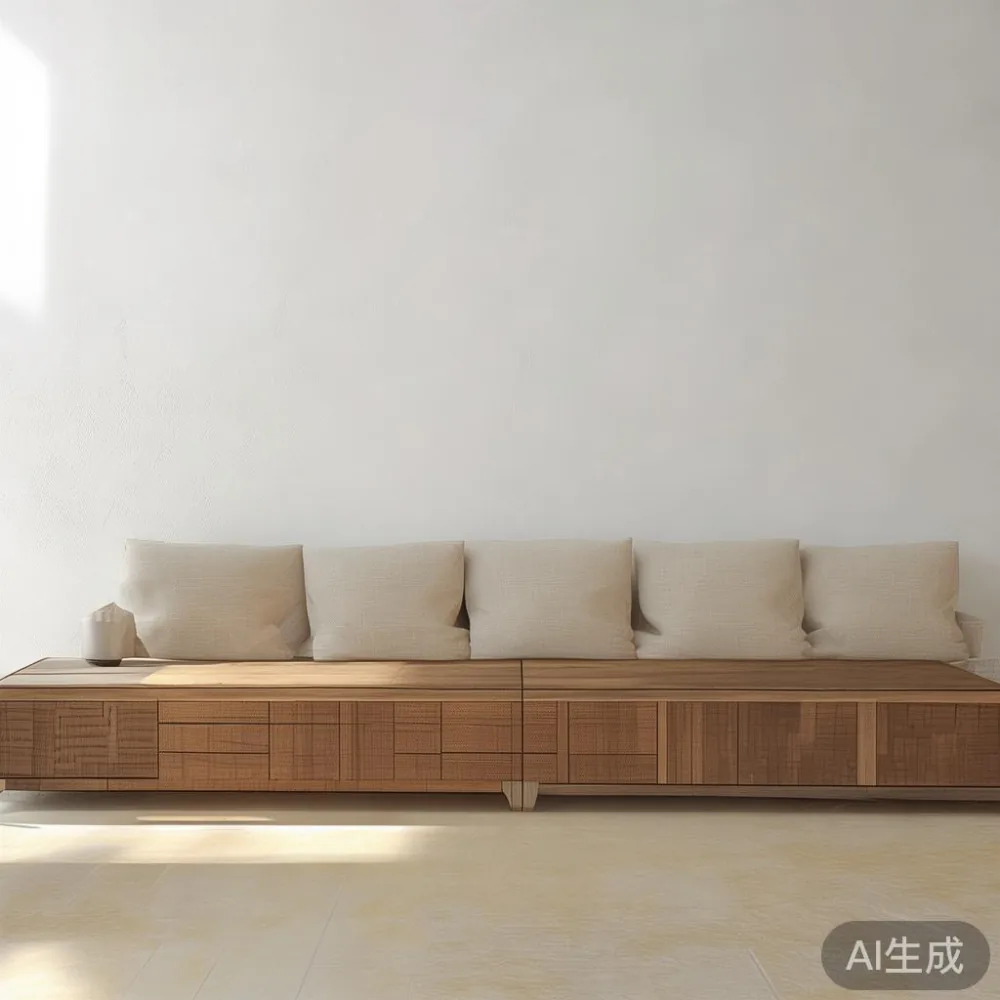
This comparison uses realistic Singapore prices in SGD, including a 9% GST where applicable, delivery within Singapore, routine maintenance, repair assumptions, and probable replacement cycles. Actual quotations vary by dimensions, timber, finish and access conditions.
What does a 5-year furniture cost comparison actually include?
A useful comparison should track more than the invoice. It includes the purchase price, delivery, consumables, maintenance, repair risk, the usable life of each component and the cost of replacing an item that no longer suits the home.
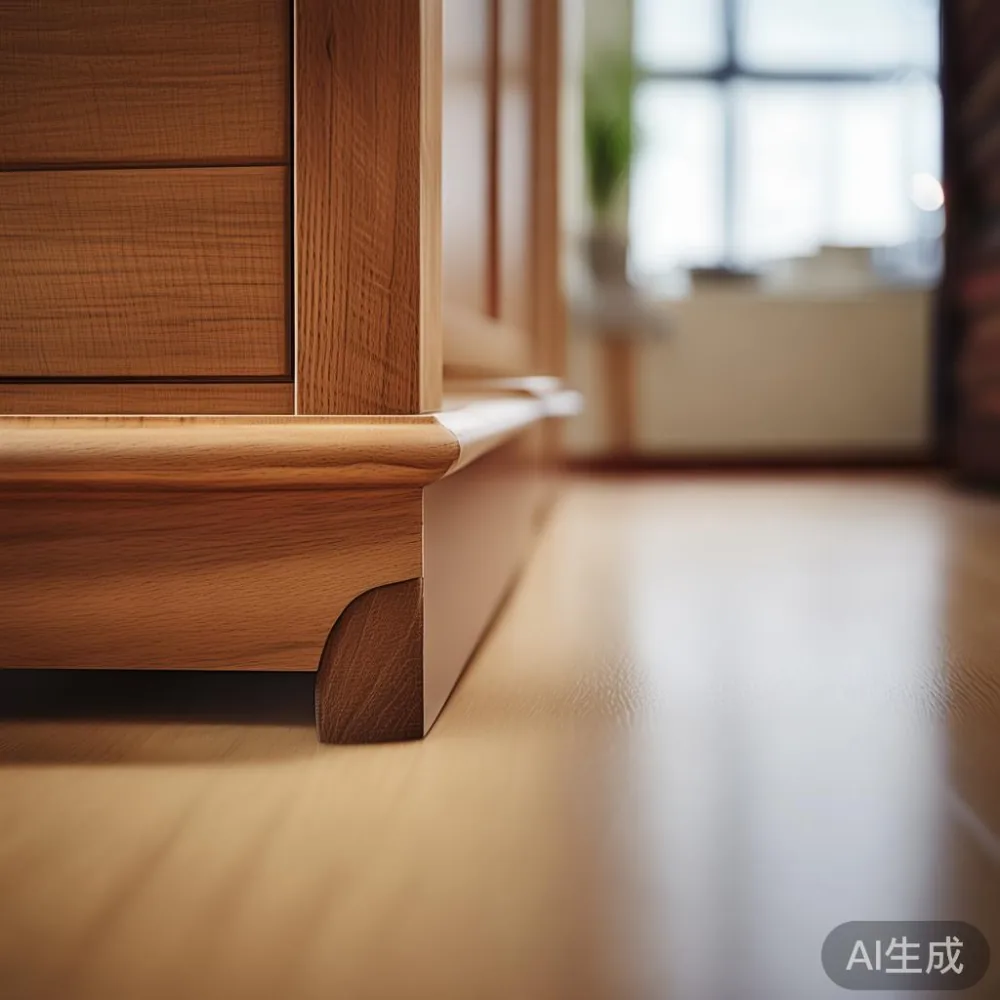
For this exercise, I priced 6 common furniture categories: a 140 cm solid wood dining table, a 180 cm bed frame, a 3-door wardrobe, a 2-drawer nightstand, a 180 cm sofa and a 90 cm marble table. The solid wood examples use kiln-dried hardwood with a clear finish. The veneer examples use quality veneer over engineered wood or stable solid wood panels, with edge banding and the same visual intent.
The figures below are planning estimates, not fixed quotations. They assume a customer in Tampines, Bedok or Punggol, standard doorstep delivery, and no lift surcharge. A stair-only route, narrow corridor or extra unpacking can add SGD 40–SGD 120.
Is veneer cheaper to own over 5 years in Singapore?
Yes, for most furniture categories in this comparison, veneer has the lower expected 5-year cost. That does not mean every cheap veneer product is sensible, and it does not mean solid wood automatically lasts longer. The deciding factor is how the item is engineered, finished and used.
On a typical HDB move-in project, a 140 cm veneer dining table might cost SGD 760 before GST and SGD 829 after GST. Delivery is SGD 60–SGD 120. Allow SGD 90 over five years for cleaning products, minor edge care and one repair. The projected 5-year total is therefore about SGD 980–SGD 1,040.
A comparable 140 cm solid wood dining table might cost SGD 1,680 before GST and SGD 1,831 after GST. Delivery is SGD 80–SGD 140. Maintenance and refinishing reserve over five years is SGD 220. The projected total is about SGD 2,130–SGD 2,190.
Across those two dining tables, the difference is approximately SGD 1,100–SGD 1,170 before any repair. In a small space, this can be redirected toward a better mattress, storage or lighting rather than a heavier finish.
Veneer can also make dimensional planning easier. A 45 cm-deep wardrobe may fit a 60 cm service route, whereas a deeper solid wood carcass needs careful turning. Check the packaged dimensions, not only the assembled dimensions. Allow at least 5 cm clearance when manoeuvring through a lift door and around sharp corridor turns.
How much do the 5-year costs differ across key furniture pieces?
The following estimates include purchase price, 9% GST, Singapore delivery and a 5-year maintenance reserve. They exclude special handling, moving fees and owner modifications.
For a 180 × 90 cm bed frame, a veneer model is estimated at SGD 1,080 after GST, with SGD 80 for delivery and SGD 150 for maintenance: about SGD 1,310 over 5 years. A solid wood model is estimated at SGD 2,280 after GST, with SGD 100 for delivery and SGD 220 for maintenance: about SGD 2,600. The solid frame may weigh 65–85 kg, compared with 38–55 kg for a well-built veneered frame.
For a 3-door wardrobe, a 180 cm-wide veneer unit is estimated at SGD 1,980 after GST, SGD 100 for delivery and SGD 180 for maintenance: about SGD 2,260. A solid wood unit is estimated at SGD 3,680 after GST, SGD 120 for delivery and SGD 260 for maintenance: about SGD 4,060. Here, hardware quality can matter as much as the panel material. Soft-close hinges, drawer runners and adjustable shelves should be included in the comparison.
For a 50 cm-wide, 45 cm-high nightstand with 2 drawers, veneer is estimated at SGD 320 after GST, SGD 40 for delivery and SGD 50 for maintenance: about SGD 410. Solid wood is estimated at SGD 620 after GST, SGD 50 for delivery and SGD 90 for maintenance: about SGD 760.
For a 180 cm three-seat sofa, a quality veneer or mixed-construction option is estimated at SGD 1,980 after GST, SGD 100 for delivery and SGD 180 for maintenance: about SGD 2,260. A solid wood sofa frame in fabric or leather is estimated at SGD 3,880 after GST, SGD 140 for delivery and SGD 300 for maintenance: about SGD 4,320. Upholstery wear, cushion compression and moving damage can then change the final result.
A 90 cm round marble table has a different profile. A marble top with a quality base may cost SGD 1,480 after GST, plus SGD 100 delivery and SGD 120 for sealing and stone care, for an estimated SGD 1,700 over 5 years. Marble is heavy: a packaged unit can weigh 55–80 kg. The material does not replace good structural design, and the top may chip during installation if handled poorly.
What happens when veneer and solid wood need maintenance?
Solid wood can be sanded and refinished, but that does not make it maintenance-free. In Singapore’s humidity, direct sunlight, condensation and frequent contact can affect the finish. Keep furniture away from air-conditioning vents where possible, use coasters, clean spills quickly and wipe surfaces with a slightly damp cloth rather than a soaked one.
I visited a colleague’s Bedok condominium last month to inspect a dining table bought 4 years earlier. Its solid wood top had developed small checking along one end, while the lacquer had remained mostly stable. The repair cost SGD 180 because the table needed sanding, filling and a new clear coat. The lesson was useful: solid wood offered repair potential, yet the finish still required attention every 6–8 months.
High-quality veneer can also be repaired. A chipped edge can be filled and retouched; a peeled corner may need veneer patching. The challenge is matching colour and grain. Ask for the original veneer offcuts at delivery, usually 4–6 pieces of 10 × 10 cm or larger. Store them flat in a dry cabinet for up to 5 years.
Avoid placing a veneer dining table directly beside a bathroom or on an exposed balcony. For nightstands, use a tray and avoid standing damp items. For a marble table, expect the stone itself to need little structural repair, while the joints, base and surface sealant require routine checks.
The service life assumption matters more than the repair reserve. Good-quality veneer furniture can last 8–12 years with care, while solid wood may last 15–25 years. If the family moves in 3 years, a mid-priced option may offer enough life without tying up unnecessary capital.
Can light luxury styling make a small space look better?
Material choice should support the visual proportions of the room. French light luxury works well with curved profiles, muted colours and restrained brass details. American light luxury often uses broader silhouettes, warm woods and comfortable upholstery. Post-modern light luxury can pair clean lines with oval tables, sculptural lighting and a controlled mix of textures.
For a customer comparing a European bed vs French provincial bed, the latter may bring carved details and a softer visual character, while the European route often supports slimmer frames and more practical storage. Compare the external dimensions and mattress height, not just the style name.
The question “is French provincial sofa worth it” depends on scale and fabric. A 220 cm sofa may crowd a 3.2 m living room, while a 180–190 cm version can preserve a 75–90 cm circulation path. For anyone comparing light luxury sofa vs Modern sofa, measure the sofa with doors closed and furniture in place. A 15 cm gap behind the back can prevent daily friction against the wall.
Searching for the best Scandinavian sofa for 2026 is useful for proportion ideas, but timber specification and frame construction still need inspection. Likewise, a search for for sale Italian light luxury furniture may lead to visually appealing pieces, yet it should not replace checks on timber origin, joinery and moisture content.
Storage is equally important in a small space. A compact solid wood sideboard, 120 × 40 × 75 cm, can hold tableware while leaving a 60 cm walkway. For larger dining rooms, Italian light luxury with storage can combine display space with concealed compartments. In a 3.5 m-wide dining zone, avoid a cabinet projecting more than 40 cm into the circulation path.
What should you check before buying furniture for an HDB flat or condo?
Begin with access. Ask for the packaged length, width and height of each item. A bed frame may fit inside the lift but be difficult to turn into the corridor. A 180 cm solid wood dining table might need its top separated from the base. A marble table should have a removable top and clearly labelled lifting points.
Check the actual weight. A typical 180 cm veneer bed frame is about 42 kg, a comparable solid wood frame is about 72 kg, and a marble coffee table can reach 68 kg. Two-person delivery may cost SGD 80–SGD 180, while a crane or hoisting service can add SGD 250–SGD 500. Include those figures if access is restricted.
For solid wood, ask whether the product is solid throughout or uses solid timber only on visible surfaces. Confirm the species, moisture treatment, joinery and finish. For veneer, inspect the back, edges and underside for visible gaps, bubbles or unfinished bands. Look for continuous grain alignment on doors and drawers.
Samples can reveal more than a photograph. A 10 × 10 cm veneer sample lets you inspect pores and colour under room lighting. A solid wood sample shows grain and movement expectations. Marble needs a sealed edge and a stable base. Close the cabinet doors, sit on the sofa and open every drawer before paying the balance.
MIDHILL’s solid wood dining table, bed frame and wardrobe ranges are worth comparing on this basis because construction and service terms should be reviewed alongside dimensions. The company was established in 2008 and exports to more than 15 countries. Its stated 10-year structural warranty and lifetime refinishing service can be included in a longer ownership calculation, although shipping, labour and finish limits should be confirmed for Singapore.
For MIDHILL orders over US$350, the stated free-shipping offer may apply under its published terms; check whether it refers to international freight, a destination service or another threshold before budgeting SGD delivery. A Singapore fee of SGD 60–SGD 140 remains a reasonable local planning allowance unless the quotation says otherwise.
Which option gives you the lower 5-year cost?
Using the assumptions above, the six-item project produces a clear pattern. Veneer has a projected 5-year project total of about SGD 8,920. Solid wood totals about SGD 14,690. The difference is roughly SGD 5,770, before optional furniture or special access charges.
The result changes if the buyer already owns quality solid wood pieces that can be refinished, or if a low-use room needs a durable frame for more than 5 years. It also changes if a very cheap veneer item develops edge lifting or a poorly made solid piece warps. The right comparison is between the same functional standard: dimensions, storage capacity, hardware, finish, warranty and expected life.
For a first Singapore home in Tampines, Bedok or Punggol, many owners will receive more visual and financial value from a balanced approach. Use solid wood for touchable, repairable elements such as a dining table or bed frame when the budget allows. Use well-engineered veneer for wardrobes, storage-heavy pieces and secondary furniture where stable dimensions are useful.
Keep lift and corridor measurements in the purchase file, retain samples, photograph delivery condition and schedule a finish inspection every 12 months. A 2-minute wipe after meals and a check of moving joints every 6 months can prevent most avoidable repairs.
Over 5 years, veneer generally wins on initial cost and maintenance. Solid wood offers greater repairability and longevity, but the gap should be justified by construction, finish quality and how the furniture will be used. In a small space, spending SGD 1,000 more on one table may be reasonable; spending that amount without measuring access is not. Measure first, compare the full 5-year cost, and select the piece that balances daily usefulness, finish quality and the room you actually have.