5-Year Cost Breakdown: Veneer vs. Solid Wood for Small Spaces
Choosing furniture for a Singapore home is rarely a question of appearance alone. A 90 cm dining table must still leave enough room to pass a bed, a 150 cm wardrobe must open without blocking the corridor, and a sofa must fit through an HDB lift rather than only look right in a showroom. Veneer and solid wood both have a place in a compact flat, but their five-year costs can differ sharply once delivery, maintenance, repair and replacement are included.
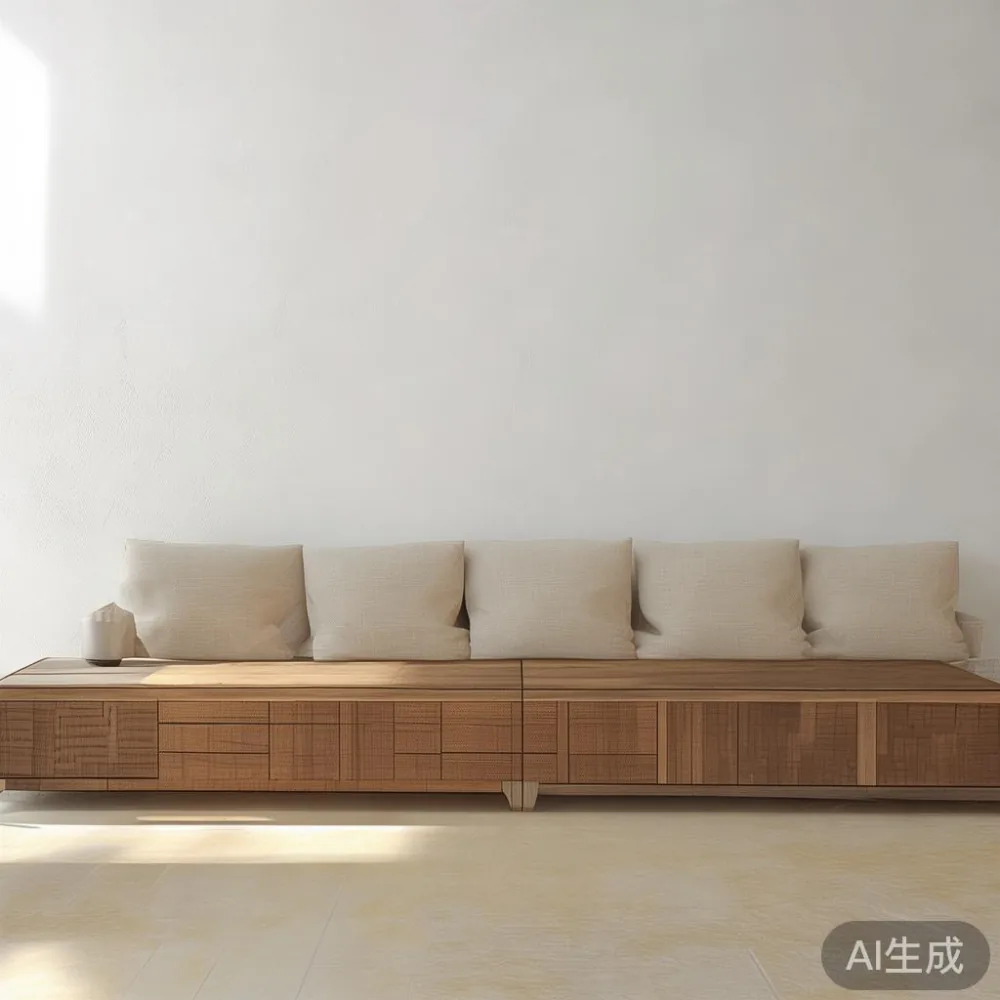
I compared a representative solid wood bed frame, dining table, wardrobe, nightstand and sofa with equivalent veneer products, using prices in Singapore dollars and including GST. The figures are planning estimates rather than quotations: each item has a different size, finish and supplier, so exact costs will vary. The purpose is to show how the ownership arithmetic works for households in Tampines, Bedok, Punggol and Singapore condos.
What does a 5-year furniture cost comparison actually include?
The calculation covers the initial purchase, delivery, routine care, one realistic repair, and the residual value of each piece after 60 months. It excludes renovation, moving costs and decorative accessories. Delivery is estimated at SGD 45-SGD 120 for a single item and SGD 90-SGD 180 for multiple pieces to one Singapore address, depending on timing, access and the lift booking. GST is included at 9% for the figures quoted here.
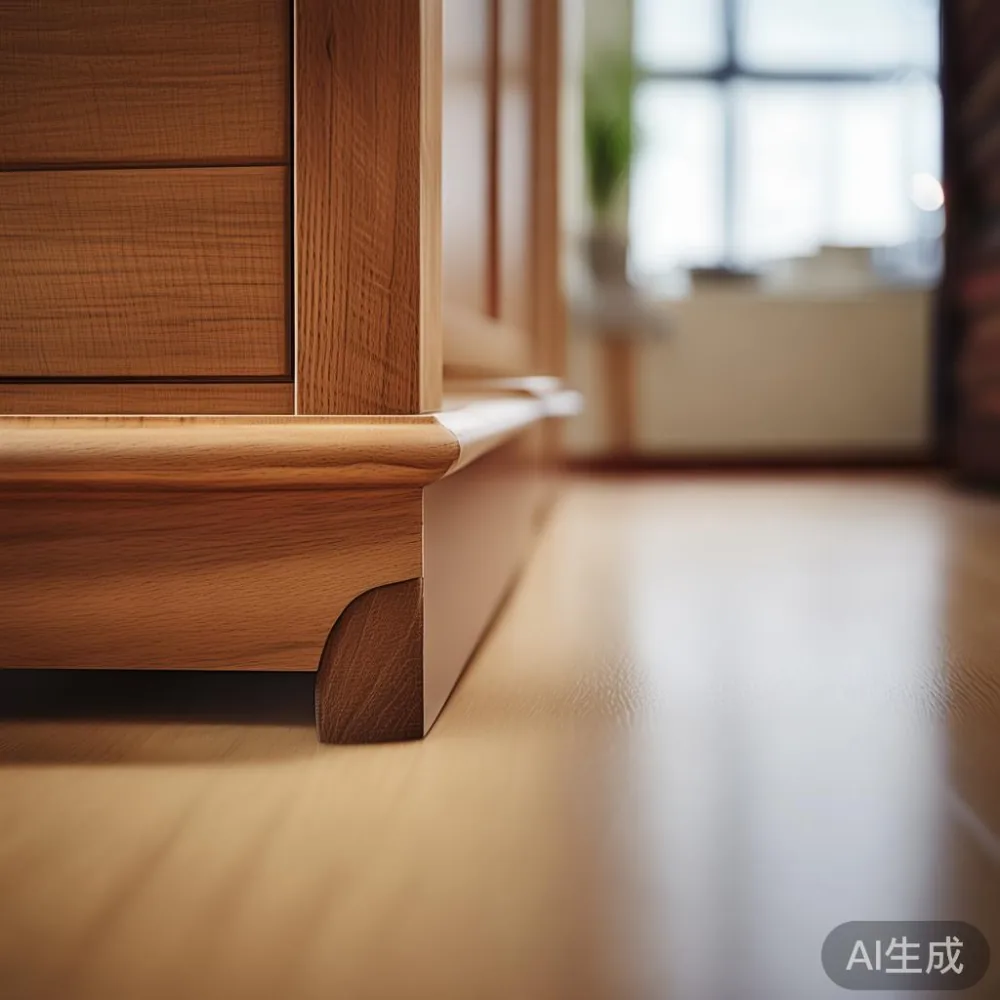
A practical example starts with a 160 cm by 200 cm bed frame priced at SGD 1,180 in solid wood and SGD 690 in veneer. A 140 cm dining table with four chairs might cost SGD 1,760 solid and SGD 1,040 veneer. A 150 cm sliding-door wardrobe could be SGD 2,280 solid and SGD 1,380 veneer. A 45 cm nightstand might cost SGD 320 solid and SGD 190 veneer. A three-seat solid wood sofa with a 210 cm width might be SGD 2,480, compared with SGD 1,520 in veneer.
Across these five categories, the modelled basket costs SGD 8,020 in solid wood and SGD 4,820 in veneer before delivery, care and repairs. That initial gap is SGD 3,200, or 40% of the solid-wood basket. It is substantial, but the veneer option also carries more frequent finish-related risks. The real comparison appears over 60 months of use.
Is veneer cheaper over five years in a Singapore home?
Veneer is often cheaper over five years, especially in dry, carefully maintained interiors. That does not mean every veneer product has a lower total cost. Cheap particleboard with printed veneer can scratch, swell or delaminate, while a well-made plywood core with hardwood veneer may perform much better. Product quality matters at least as much as the label.
For the modelled basket, I allocated SGD 35 per year for veneer care and minor surface work, compared with SGD 18 per year for solid wood. The rates include dusting, suitable cleaner and occasional wax or polish, but not full refinishing. Over five years, that is SGD 175 and SGD 90 respectively. A veneer dining table damaged by a hot pot may need SGD 180-SGD 350 of restoration; a solid table may need only a small sanding and refinishing charge of SGD 60-SGD 120.
Delivery was estimated at SGD 285 for the five-piece veneer basket and SGD 340 for the solid-wood basket because the heavier pieces need more handling. For an HDB flat with an internal lift door measuring 80 cm by 110 cm, the narrowest relevant dimension matters. A 150 cm wardrobe cannot enter upright if the turning space or lift depth is insufficient. It may need to be delivered in sections, adding SGD 90-SGD 220 in labour.
Condo corridors of 120-140 cm can make a wider piece impractical even when the lift itself is larger. A dining table carried vertically by two workers needs roughly 140 cm of corridor width; a 150 cm table held diagonally may need closer to 180 cm. A solid wood table weighing 58 kg also requires at least two people, while a 32 kg veneer table may be manageable with two but remains awkward if fitted with a marble table top. A marble table with a 140 cm top can weigh 65-85 kg and normally needs specialist handling.
For the basket, I included one mid-term repair allowance of SGD 220 for veneer and SGD 80 for solid wood. At resale, solid wood retained about 55% of its purchase value in this conservative model, while veneer retained about 30%. That does not guarantee a sale price; it simply recognises that solid timber can be refinished, whereas damaged veneer often has to be replaced.
The estimated five-year totals were therefore SGD 5,650 for veneer and SGD 7,720 for solid wood, including GST and modelled delivery, care, repair and residual value. For this basket, veneer was SGD 2,070 less expensive. A household replacing one dining table rather than five categories could see a different result, particularly if the veneer item suffers edge damage or premature delamination.
How much does solid wood save through durability and refinishing?
Solid wood does not automatically prevent dents, stains or joint movement. It does, however, offer a repair route that veneer cannot always match. A scratch on a solid wood nightstand can be sanded and finished; a scratch through a 0.6 mm veneer face may expose the core. Deep moisture damage can affect either material, although quality solid wood with an appropriate finish can be restored more consistently.
I tested this distinction last month with my colleague during a showroom visit in Foshan. We inspected a solid wood dining table that had received several finish cycles, then examined a veneer table with a chipped corner. The solid table's colour variation came from repeated coating rather than a failing adhesive. The veneer chip exposed a layered core and could not be made visually identical without replacing the face. That inspection changed how I think about five-year cost: care time and repairability can matter more than the first invoice.
MIDHILL offers a 10-year structural warranty on eligible solid wood furniture and lifetime refinishing, subject to the product terms. A 10-year warranty is not the same as a 10-year appearance guarantee, and refinishing may involve return or service charges. Still, it provides useful protection for a wardrobe, bed frame or dining table that receives regular family use.
Consider a 160 cm solid wood bed frame at SGD 1,180. If it lasts for 10 years, its gross monthly cost is about SGD 9.83. A SGD 690 veneer frame lasting four years costs about SGD 14.38 per month before repair. The solid-wood option looks more economical only if the expected service life is credible and the household values a usable replacement timeline.
What should a small-space buyer in Tampines or Bedok compare?
The first measurement is the route from the van to the final position. Check the car-park lift door, corridor turns, stair width and bedroom door. For a 150 cm wardrobe, record the installed width, door clearance and lift dimensions. If the package is larger than the lift opening, compare sectional delivery rather than assuming a warranty covers damage during an unmeasured move.
The second measurement is daily clearance. Leave at least 60 cm beside a bed for a person to walk and 75-90 cm around a dining table for chairs. In a compact HDB dining area, a 120 cm by 70 cm table may suit four people better than a 160 cm by 80 cm model. A 160 cm table can hold six, but it needs approximately 9 square metres with circulation space, which many small-space kitchens cannot provide.
The third issue is movement. Singapore humidity commonly ranges around 65-85% through the year. Solid wood can expand and contract across its grain, so it should not be fitted tightly against a wall or directly against outdoor-facing tile. Veneer is more dimensionally stable, but its seams and edges remain vulnerable. Ask whether the solid wood bed frame, dining table or wardrobe has ventilation clearance, solid timber drawer parts and hardware rated for repeated daily use.
Material labels also need care. A solid wood sofa may use a timber frame, foam seat cushions, fabric or leather upholstery and sprung webbing. It does not mean the whole sofa is timber. Likewise, a wardrobe can have solid-wood fronts with plywood or engineered panels inside. Compare the load-bearing and visible components rather than accepting one broad description.
French light luxury works well here through pale oak, walnut accents, tapered profiles and restrained hardware. American light luxury often uses larger proportions, so scale is important in a condo. Post-modern light luxury can introduce gentle curves and sculptural details, but a rounded sofa still needs the same door-width calculation as a rectangular one.
Which material offers better value for a Singapore condo?
The answer depends on the room, the household and the expected replacement date. For a frequently changed rental apartment, veneer can be a sensible budget choice. For a family keeping the same condo for at least seven years, a quality solid wood bed frame or dining table may offer better value when repairs are considered. The result is not a universal rule, and it is certainly not a reason to overspend on a low-use decorative cabinet.
For a three-seater sofa, compare the frame under the cushions, not only the exterior timber. A solid wood sofa at SGD 2,480 might include kiln-dried hardwood, high-density foam and fabric rated for 30,000 double rubs. A veneer alternative at SGD 1,520 needs a stable engineered core and reinforced joints. The European sofa vs Modern sofa comparison becomes more useful when both products have the same seat depth, cushion density, frame warranty and fabric specification.
Search phrases such as for sale European furniture and under 2000 Boho furniture can generate many options, but style labels do not reveal service life. Likewise, a search for the best European light luxury sofa for 2026 should be checked against actual dimensions, Singapore delivery terms and warranty coverage rather than trend claims. The question of whether is Mid-century modern bed worth it depends on fit, frame quality and storage, including whether the headboard projects 8-15 cm into an already tight room.
For bedroom inspiration, French provincial for bedroom layouts tend to suit a larger footprint than many HDB rooms. A 180 cm French provincial bed can need 1.3 square metres of floor area, compared with approximately 1.0 square metre for a compact 160 cm platform frame. A low-profile design can give a better sense of space, but it should not eliminate the need to open drawers or make the bed from a seated position.
How do delivery, GST and returns affect the 5-year total?
Use the delivered, tax-inclusive figure as the starting point. A USD 350 free-shipping threshold does not remove the need to confirm delivery to Singapore, lift booking and access charges. For local purchases, compare the supplier's Singapore delivery fee, expected delivery window and return procedure with the product price. A sofa ordered online should have its exact assembled dimensions confirmed before dispatch.
Allow 7-14 delivery days for standard Singapore orders and 14-30 days for made-to-order or consolidated furniture. Add a buffer of 3-5 days for lift reservations in new condos and high-rise clusters. If a custom wardrobe has a 6-8 week production lead time, that delay should be written into the replacement plan rather than treated as a minor retail delay.
Returns can alter the calculation. A 14-day return period gives more protection than relying on a verbal promise, but a made-to-order wardrobe may be excluded or subject to a restocking fee. Confirm the condition, packaging and lift-access requirements before collection. Heavy solid wood products may also incur return freight even when the sale itself is cancelled.
Here is a compact version of the modelled five-year result:
For the five-piece basket, veneer cost SGD 5,650 over 60 months and solid wood cost SGD 7,720. Veneer therefore had the lower modelled total by SGD 2,070. A separate 160 cm bed frame calculation showed the opposite result if the veneer lasted only four years and the solid frame lasted ten. These are useful scenarios, not guaranteed outcomes.
For MIDHILL, the relevant service points are the 10-year structural warranty, lifetime refinishing option, 14-day returns on eligible products and stated delivery terms. Confirm applicability with the seller because dimensions, orders and promotions can change. Comparing those terms with another supplier's is more informative than comparing headline prices alone.
What is the right choice for your small space?
Veneer can be the financially lighter option for a short-term home or for low-traffic pieces where replacement is acceptable. Solid wood can offer better long-term economics when the piece will remain in use, scratches are likely and refinishing has genuine value. The decisive variables are construction quality, measured fit, expected service life and the delivered price, not the material name by itself.
For a 120 cm dining table in Bedok, a 160 cm bed frame in Punggol or a 150 cm wardrobe in Tampines, measure the complete route before choosing. Ask for the package dimensions, assembled weight, core specification, finish, warranty exclusions and Singapore delivery fee. Then enter the purchase price plus at least SGD 400 for delivery, care and a probable minor repair into a 60-month spreadsheet.
A small space succeeds when the furniture is proportionate, durable enough for daily routines and supported by clear service terms. Both materials can fit that brief. The stronger choice is the one whose five-year cost includes the repairs you are likely to need, and whose dimensions respect the lift, corridor and daily movement demands of the home.