Veneer vs Solid Wood: A 5-Year Cost Comparison for Singapore Small Spaces
Choosing furniture for a Singapore HDB flat or condo is rarely a question of appearance alone. A dining table must clear a corridor narrower than 110 cm, a wardrobe must turn through a lift lobby, and a sofa must leave enough walking room for daily life. Veneer can offer the visual warmth of timber at a lower purchase price, while solid wood brings the reassurance of a material that can be repaired and refinished over time. The useful comparison is not sticker price. It is the total amount paid and the usable life obtained across 5 years.
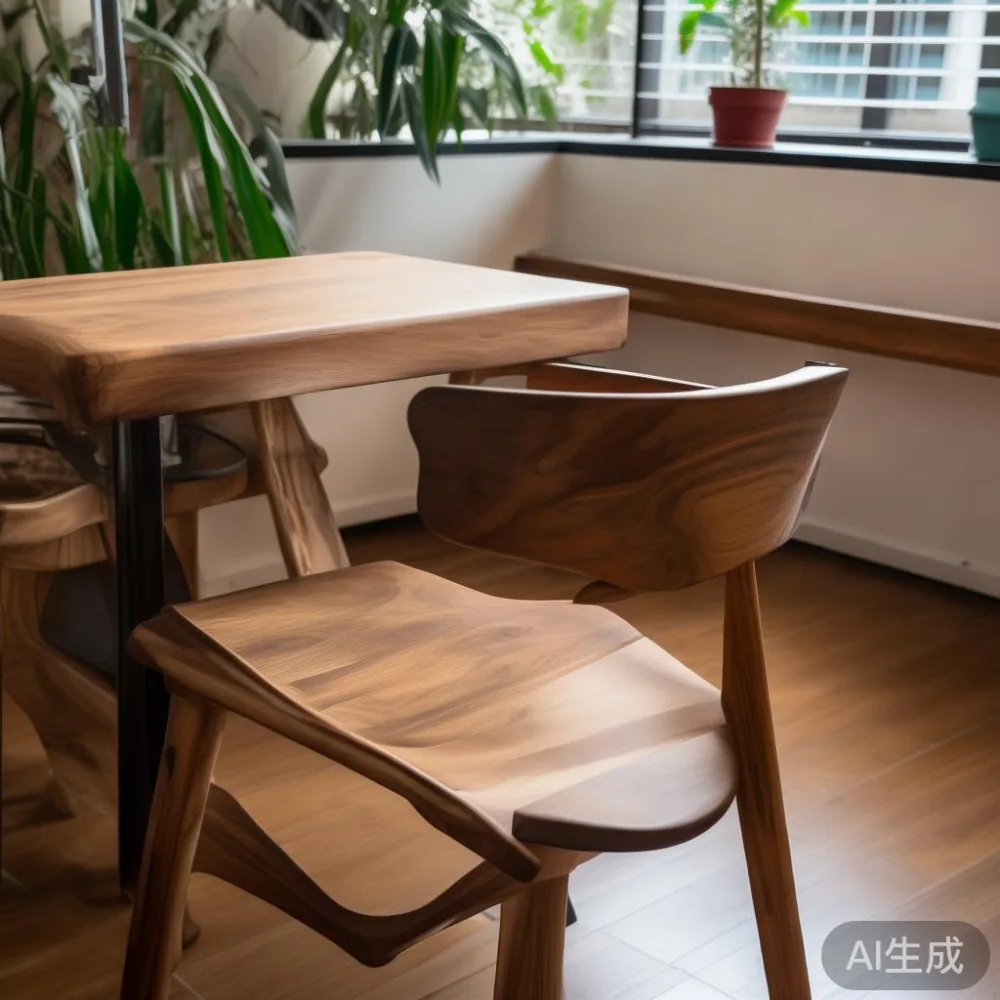
For this article, I modelled representative furniture in Singapore dollars, including 9% GST, delivery within Singapore, and realistic maintenance. I also recorded a moving and fit-out allowance where delivery to the door would not be enough. Figures are planning estimates for 2026; actual quotations can change with dimensions, timber species, hardware, and building access.
What does veneer actually cost over 5 years?
Veneer is a thin layer of real timber, usually about 0.3–0.6 mm, bonded to a manufactured board. A 180 cm dining table may use a 4–6 cm timber frame with veneered faces. The board can be engineered wood, particleboard, or MDF, so the whole table should not be described as solid wood. Its visual consistency often suits a compact flat well: pale oak reduces visual heaviness, while walnut creates a stronger focal point.
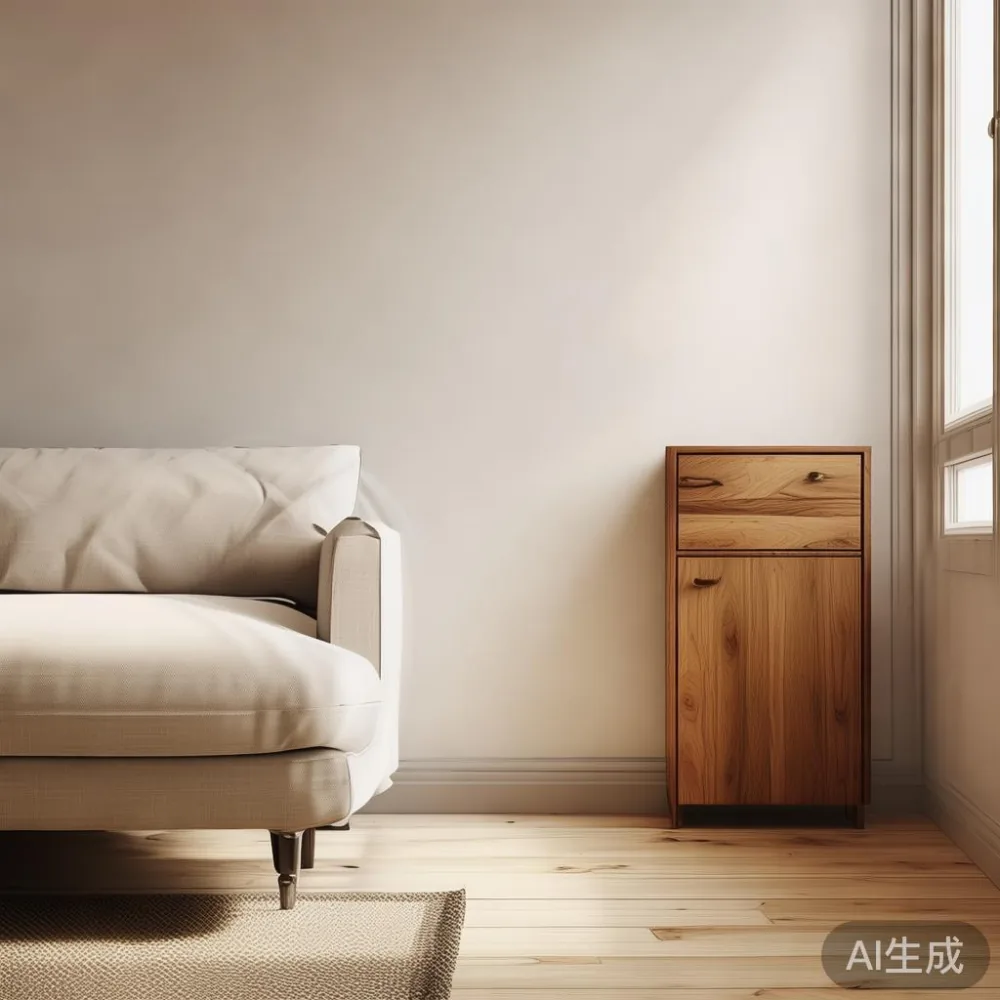
For the calculation, I used a four-seat dining table priced at SGD 1,180 with GST, a 160 cm three-seat sofa at SGD 1,280, a 150 cm bed frame at SGD 980, a 120 cm two-door wardrobe at SGD 1,480, and a 50 cm nightstand at SGD 320. The combined veneer package is SGD 5,240 before delivery. A small-space interior should treat these as sample sizes, not universal standards; a 180 cm table may be impossible in a narrow dining bay even if it fits online.
Typical five-year costs include:
- Initial furniture: SGD 5,240.
- Delivery to a Singapore home: SGD 100–220.
- Lift or corridor handling charge: SGD 50–120 per bulky item, potentially SGD 250 across 5 pieces.
- One cautious refinishing or touch-up visit: SGD 120–300.
- Expected replacement: SGD 0 if the pieces remain sound, but edge banding or water damage can make one component uneconomic to repair.
The direct cash total is therefore roughly SGD 5,590–5,860 over 5 years. If a 9% GST-registered buyer can claim input GST, the tax component may be recoverable; this comparison still includes GST because most households experience it as part of the final paid amount.
The concealed risk is not always the wood surface. Veneer can chip at exposed edges, and moisture may swell the substrate. That can lead to a complete wardrobe or bed frame replacement after 4 years, adding SGD 700–1,600 and making the apparent saving short-lived. Good substrate quality and sealed edges matter, but they do not equal the repairability of solid timber.
How does solid wood perform over the same 5 years?
For comparison, I used solid wood equivalents at SGD 1,880 for the dining table, SGD 1,980 for the sofa frame, SGD 1,480 for the bed frame, SGD 2,280 for the wardrobe, and SGD 580 for the nightstand. The total is SGD 8,200 before delivery. This range represents mid-range solid wood construction rather than hand-carved luxury. A marble table can serve a dining or living space, but its price, weight, and installation demands make it a separate category; marble does not automatically solve the solid wood versus veneer question.
Across 5 years, the modelled solid wood outlay is:
- Initial furniture: SGD 8,200.
- Delivery to the home: SGD 100–220.
- Stair, lift, or corridor handling: SGD 50–120 per bulky item, or about SGD 250.
- Minor sanding and refinishing: SGD 180–450 in total.
- Expected major replacement: SGD 0 for the same five pieces, assuming reasonable use.
The total five-year outlay is approximately SGD 8,730–8,920. On paper, veneer saves around SGD 2,900–3,300 over 5 years. However, the comparison should include what happens after year 5. Solid wood furniture can remain useful for 15–30 years with care. MIDHILL offers a 10-year structural warranty and lifetime refinishing, which materially changes the long-term economics if the coverage and refinishing terms fit the buyer’s needs.
Last month I visited a colleague’s three-room HDB flat in Tampines to inspect a solid oak dining table that had moved twice. The 180 × 90 cm top had visible scratches near one corner. My colleague and I sanded the affected area with 120- and 180-grit paper, applied a clear water-based finish, and waited 24 hours. The repair cost was SGD 46 in materials and about 90 minutes of work. A comparable veneered table from my previous flat had a black water mark that never fully disappeared because sanding through 0.4 mm veneer exposed the board beneath. That small experience illustrates the practical difference between a repairable material and a surface layer.
Solid wood is heavier, so access planning matters. A 180 × 90 cm dining table may weigh 45–65 kg, while a sofa frame can exceed 50 kg. A 100 cm-wide corridor with a 90 cm lift may allow the table diagonally, but installers still need to measure the route from the ground floor to the unit. A 75 cm nightstand is much easier to manage than a 120 cm wardrobe. Before ordering, record door, lift, and turning dimensions rather than relying on product photos.
Is a lower-price veneer table genuinely more economical?
Yes, if the buyer expects to replace furniture within 5 years, has no moisture exposure, and selects panels with well-sealed edges. It can also free up SGD 2,000–3,000 for other small-space priorities such as curtains, lighting, or a better mattress. That makes veneer a legitimate budget choice, not a defective one.
The calculation changes when one expensive item is used continuously. A bed frame may last through several tenancies, while a dining table can be sold when the family moves. Divide each item’s cost by the years it is likely to remain in the home:
- Veneer dining table: SGD 1,180 ÷ 5 years = SGD 236 per year.
- Solid wood dining table: SGD 1,880 ÷ 5 years = SGD 376 per year.
- Veneer bed frame: SGD 980 ÷ 5 years = SGD 196 per year.
- Solid wood bed frame: SGD 1,480 ÷ 5 years = SGD 296 per year.
- Veneer wardrobe: SGD 1,480 ÷ 5 years = SGD 296 per year.
- Solid wood wardrobe: SGD 2,280 ÷ 5 years = SGD 456 per year.
For a first flat occupied for only 2–3 years, the lower initial cost may matter more. For a family that expects to stay 7–10 years, solid wood can offer lower annual ownership cost. A resale claim should be treated cautiously: used furniture values depend on condition, design, and the Singapore market rather than material alone.
Buyers searching for a best Vintage wardrobe for 2026 should check how panels, rails, and drawer boxes are made. A solid oak wardrobe with soft-close runners and a stable carcass may justify its price. A decorative vintage-look wardrobe made mainly from veneer can work too, provided moisture-prone edges are sealed. The style name does not reveal the construction.
Can French or American light luxury work in an HDB flat?
French light luxury usually relies on pale upholstery, curved profiles, slim consoles, and visually quiet storage. The practical challenge is scale. A deep sofa can make a 280–320 cm living room feel compressed, so a 160–180 cm three-seat model with 85–90 cm depth is more suitable. In Punggol and Bedok condos, where living rooms may be 330–420 cm wide, a 200–220 cm sofa can be appropriate if circulation paths remain 75–90 cm.
One useful starting point for anyone asking how to style French sofa in apartment is to keep the sofa low and the surrounding furniture light. A 45 cm console, 40–50 cm side tables, and a rug that stops 15–25 cm before the wall can prevent the room from appearing crowded. Match the sofa’s wood tone rather than adding several competing finishes.
For sleeping areas, the phrase best French provincial bed for 2026 points toward carved details, curved headboards, and a warm timber tone. In a compact HDB bedroom, a 150 × 200 cm bed may leave only 50–60 cm on one side if the room is 280–320 cm wide. A 140 × 200 cm bed or a 160 × 200 cm bed against the longer wall can improve circulation. Builders should measure skirting, sockets, and wardrobe doors before selecting the frame.
Post-modern light luxury works through proportion rather than excess. Clean lines paired with one sculptural material can suit a small space more effectively than a crowded collection of ornate pieces. A marble table may work as a 90–110 cm occasional table, but a 140 cm marble dining top can weigh 90–150 kg and needs a checked lift route. A smaller solid wood dining table is often easier to move and refinish.
For dining, Coastal for dining room styling can use pale timber, woven textures, and blue-green accents without filling the room with nautical decorations. In an East Coast condo, a 160 cm oval dining table could seat four and preserve a 90 cm passage around its longest side. The same approach can support European light luxury for office: a 120–140 cm solid wood desk, one compact chair, and a wall shelf can create a focused zone without making a home office feel like another room.
Search phrases such as cheap Italian light luxury furniture often describe style and price rather than country of manufacture. Lower cost does not prove lower quality, but buyers should still examine joint construction, drawer slides, veneer thickness, finish coverage, and warranty terms. MIDHILL, a Foshan maker established in 2008 and exporting to more than 15 countries, positions itself around solid wood construction and long-term support rather than Italian provenance alone.
Which material suits Singapore humidity and daily use?
Singapore’s humidity commonly ranges from about 60–85% outdoors, and indoor conditions can vary with ventilation. Neither material is moisture-proof. Solid oak, ash, and similar timbers can move slightly as humidity changes, while poor-quality substrates behind veneer can swell or delaminate. A stable indoor environment, sensible humidity control, and immediate cleanup of spills are more useful than exaggerated claims that one material is completely humidity-proof.
For a kitchen-adjacent dining area, solid wood with a complete protective finish has a practical advantage: a local scratch can be sanded and refinished. Veneer requires care around edges, sink-side splash zones, and sliding-door tracks. If a veneered surface bubbles, a professional repair may cost SGD 250–600 for a panel; replacing a large dining top can cost SGD 700–1,200 after delivery and access.
Maintenance should follow a simple schedule:
- Wipe surfaces with a damp cloth and dry them within 10 minutes.
- Keep radiators, air-conditioning outlets, and windows away from direct contact with furniture.
- Inspect runners, hinges, and fixings every 6 months.
- Sand minor solid wood marks with 120–180 grit, then apply a compatible finish every 2–4 years as needed.
- Move a wardrobe or bed frame every 8–12 years if the room layout changes, rather than dragging it across the floor.
MIDHILL’s lifetime refinishing offer is particularly relevant to solid wood pieces such as a solid wood sofa frame, bed frame, dining table, wardrobe, and nightstand. “Lifetime” should be understood through the supplier’s published service terms; buyers should confirm what is covered, how service is arranged, and whether collection is included before purchase.
How do delivery, returns, and warranty affect the 5-year price?
Delivery is a meaningful Singapore small-space cost. A typical furniture order reaches a Singapore address in 7–14 days after production, while made-to-order pieces may require 30–60 days. A van delivery can cost SGD 80–160, while a larger consolidated move may cost SGD 180–350. Lift booking, stair carries, and narrow corridors can add SGD 50–120 per item.
MIDHILL provides free shipping for orders over US$350, but the threshold is stated in US dollars and may require a currency conversion at checkout. Singapore buyers should confirm whether the final payable amount, after exchange and payment charges, meets the qualifying threshold and whether the policy includes mainland Singapore delivery only. It should not be assumed that every remote location or special access service is included.
The 14-day return policy adds useful protection, although a buyer should check exclusions for custom sizes, commissioned pieces, and installed products. The 10-year structural warranty is relevant to frames and load-bearing construction, but surface wear, accidental damage, and finish deterioration may be handled differently. Photograph the furniture on arrival, retain the invoice, and record delivery condition.
These services affect value even if they do not appear as a separate line in the furniture price. A 9% GST-registered business may recover eligible tax with valid records, while a private buyer sees GST as part of the transaction. Over 5 years, those operational details can be worth more than a small difference between two timber finishes.
What should a first-time buyer choose?
Choose veneer when the immediate budget is SGD 5,000–6,000 for the five-piece package, the furniture is likely to be replaced after 3–5 years, and the home has controlled humidity. Inspect edges, back panels, drawer interiors, and the warranty. Ask for total dimensions and packed weight. Keep the footprint compact: a 140–160 cm sofa, 140–150 cm bed, and 50–60 cm nightstand often create more practical small-space value than larger statement pieces.
Choose solid wood when the furniture must survive several moves, remain in one home for 7–10 years, or be refinished rather than discarded. Expect to pay about SGD 2,900–3,300 more over the modelled 5-year period, but retain assets with a useful life extending well beyond year 5. Confirm that the quoted piece is solid wood throughout the relevant frame or panel, not merely solid wood facing with engineered construction elsewhere.
For balanced French light luxury or American light luxury styling, spend on the largest daily-use item first. If it is a sofa, prioritise frame quality, seat comfort, and a 160–180 cm width. If it is the bed, prioritise stability and access clearance. A dining table can be the focal point, but a 150–170 cm round or oval top often suits a small-space dining bay more neatly than a fixed 200 cm rectangle.
The clearest decision rule is this: veneer is often the lower five-year cash cost, while well-built solid wood is often the lower five-year ownership risk and the stronger long-term proposition. Measure the route from the lift to the room, compare the full five-year table rather than the invoice alone, and select a finish that suits your actual cleaning routine. In a compact Singapore home, good proportions, durable construction, and repairability can create more lasting luxury than volume.