What Drives the Price of Solid Wood Furniture in a Small HDB Flat
I unpacked a 38 kg solid wood dining table at a friend's 4-room HDB in Tampines last month, and within ten minutes we had a real argument about whether it was worth paying three times more than the flat-pack version from a Jurong warehouse. That conversation stuck with me, because the answer is rarely obvious at the cash register. It lives in things you only notice after the foam is peeled off the corners and the furniture has lived in a small space for a few months. So here is the actual breakdown of what you are paying for, and what is worth paying for, when the budget has to cover a solid wood sofa, a bed frame, a dining table, a wardrobe, a nightstand and maybe a marble side table without breaking the family account.
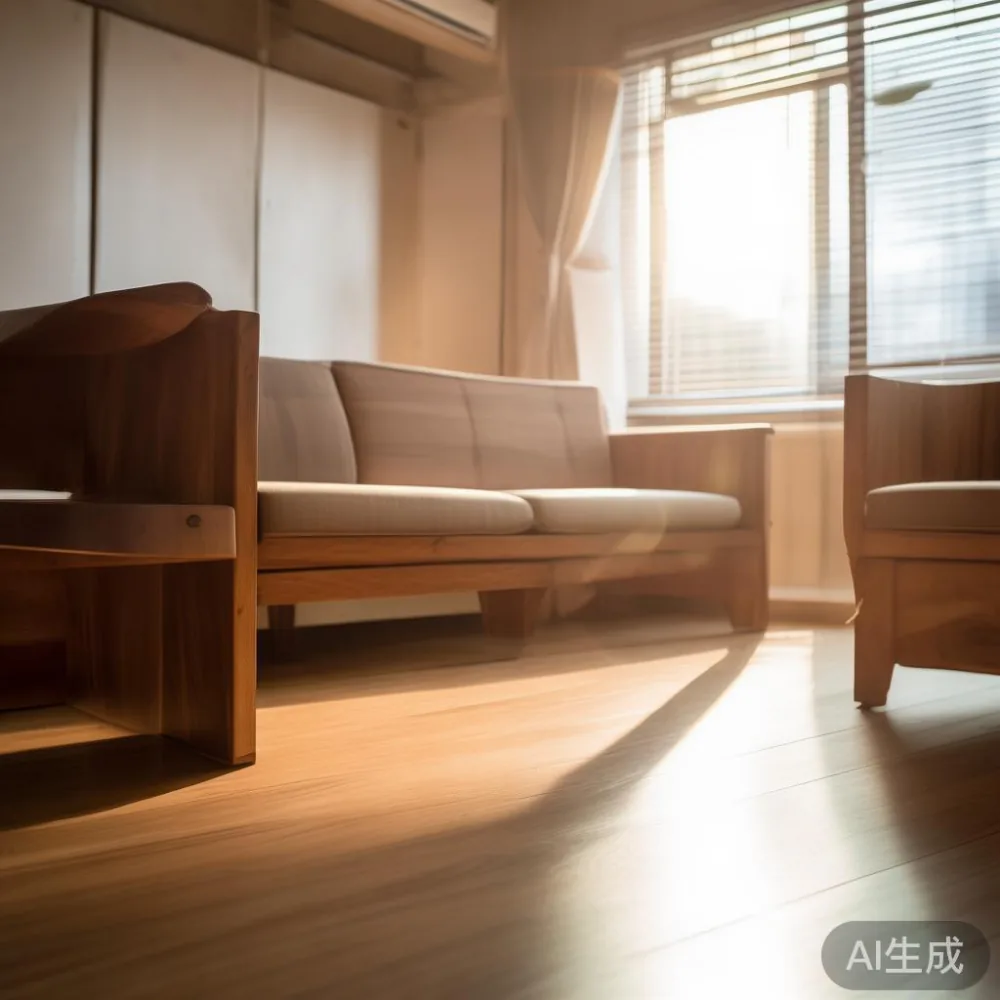
What "solid wood" actually means, and why the same label covers very different prices
The label is a starting point, not a finish line. In Singapore showrooms, "solid wood" can mean old-growth Burmese teak reclaimed from 80-year-old houses, FAS-grade American white oak, fast-grown Chinese ash kiln-dried to 8 to 12 percent moisture content, or rubberwood that has been compressed and labelled as "Malaysian oak." The price gap between these can be 300 to 400 percent on identical silhouettes.
Two technical details matter most. First, kiln drying: proper factories dry boards in computer-controlled kilns for 30 to 60 days until the moisture content sits between 8 and 12 percent. Cheaper makers air-dry for two weeks and ship. I have seen the latter warp visibly within four months in an air-conditioned HDB because the wood never stabilised. Second, joinery: mortise-and-tenon, finger joints, dovetail drawers versus dowels, staples and glue. A 1.8 m solid wood dining table in oak with hand-cut dovetails will run around SGD 2,400 to SGD 3,600 at Foshan direct pricing; the same silhouette in stapled rubberwood lands between SGD 700 and SGD 1,100. Same label, very different outcome.
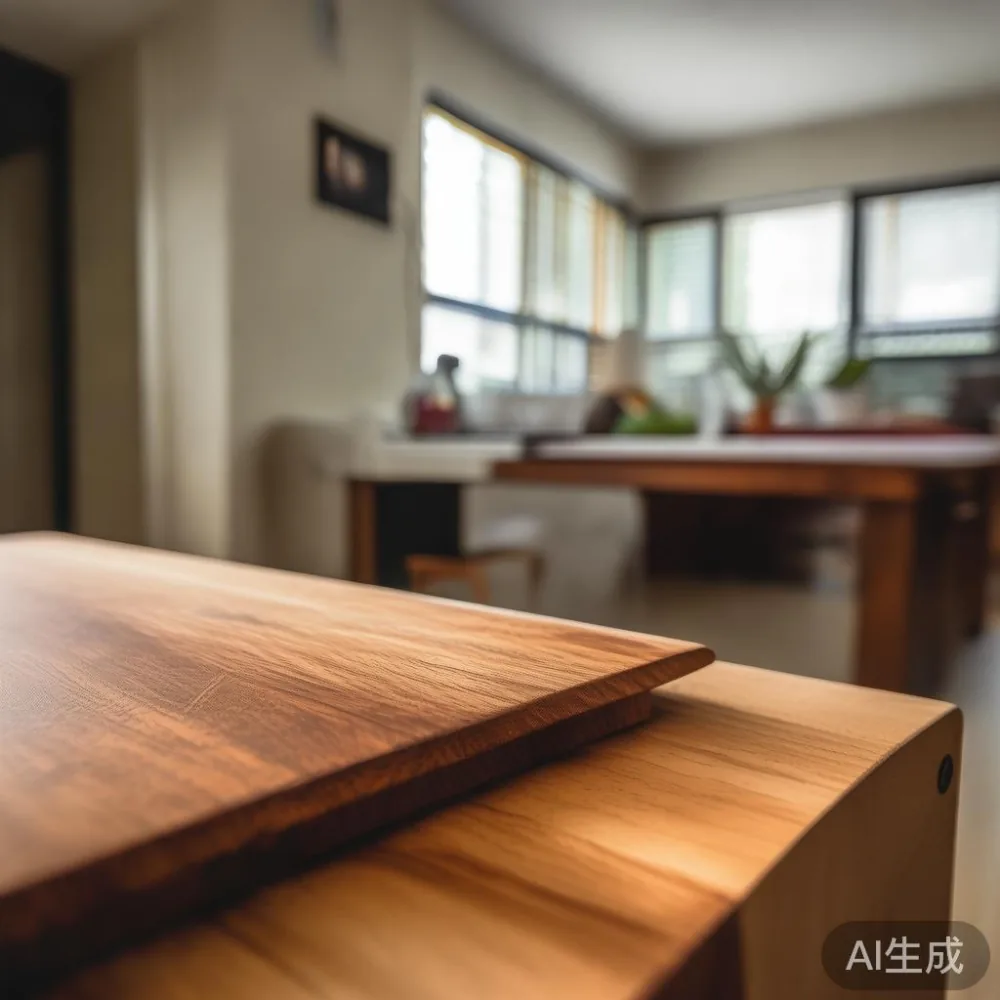
What is the real cost difference between a small-space flat-pack and a small-space solid wood piece?
For a typical 4-room HDB in Bedok or Punggol, here is what real numbers look like in 2025 after GST:
Dining table for 4 (1.2 m to 1.4 m): Flat-pack MDF with veneer, SGD 350 to 600. Solid wood oak or ash, 1,800 to 2,800. Reclaimed teak, 3,200 to 4,500.
Wardrobe 1.8 m tall, 1.2 m wide: Flat-pack, SGD 800 to 1,500. Solid wood with dovetail drawers, 3,400 to 5,200.
Queen bed frame (152 cm x 188 cm standard Singapore mattress): Flat-pack, SGD 600 to 1,100. Solid wood platform bed frame, 1,900 to 3,100.
3-seater solid wood sofa with linen blend upholstery: 3,200 to 5,800.
Nightstand pair: Solid wood, SGD 480 to 900 the pair.
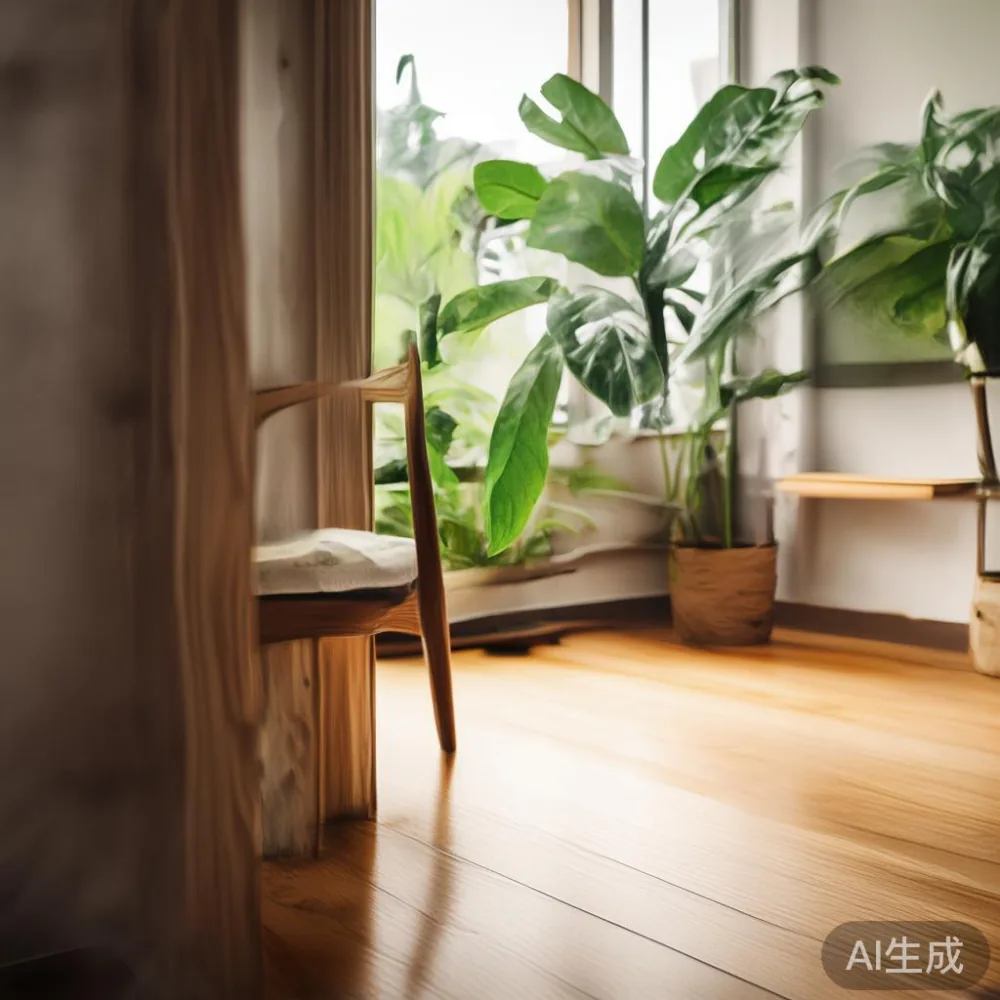
The flat-pack wins on the receipt. The solid wood piece wins on years of service. A well-made oak wardrobe should pass to your children; a flat-pack MDF wardrobe survives one HDB lease cycle, then sags at the hinges. The unit price per year of use is what matters, and on that measure solid wood often pulls ahead by year six.
How do the hidden layers of finishing, foam and fabric change the price tag?
Wood is the headline. Everything wrapped around it is where the smart money goes. A solid oak dining table might cost SGD 1,200 in raw wood and joinery, then SGD 400 in the seven-layer finishing process: sanding from 80-grit up to 320-grit, base coat, sealer, two colour coats, a hand-applied stain where the grain is opened with a wire brush for texture, and a final matte lacquer cured at 40 degrees. Skip two of those steps and you save SGD 150 to 200 per table. You also lose the tactile depth and the resistance to Tampines-morning condensation on the way to the dining room.
On a solid wood sofa, the foam density (measured in kg per cubic metre, typically 28 to 35 for the seat and 22 to 28 for the back) and the fabric weight (GSM) explain half the price jump. A 350 GSM linen-blend cover costs roughly double a 200 GSM polyester, and it breathes in our 80 percent humidity days. Springs matter too: eight-hand-tied coil systems on a 3-seater add SGD 400 to 700 over sinuous wire, and they are worth every cent if anyone in the household sits for more than two hours at a stretch.
Then there is marble. A genuine Carrara marble table top on a solid wood base adds SGD 600 to 1,400 versus a sintered stone or cultured marble alternative. Carrara weighs 26 to 28 kg per square metre at 18 mm thickness, so for a 90 cm round side table you are handling around 17 kg before the base. In a Punggol walk-up without a lift, that one decision changes your moving day.
Is a small-space design worth paying extra for, or is it a marketing trick?
It is a genuine engineering constraint and a real cost driver. HDB corridor widths are 1.2 m to 1.5 m, lift doors are typically 0.9 m wide by 2.1 m tall, and lift cabins run 1.1 m to 1.4 m deep. A pre-assembled 2 m wardrobe will not fit in either. Makers who genuinely serve the small-space market design around a 1.4 m packing box dimension and ship knocked-down with clever hardware that re-tightens to factory tension in 25 to 40 minutes. That design work, plus smaller-batch production runs, adds 12 to 18 percent to the price versus a piece built for a 200 sqm condo in Bangkok or a house in Sydney.
This is also where you see the pricing gap between pure solid-wood factories and the wider light-luxury segment. French light luxury, Italian light luxury with storage, American light luxury and post-modern light luxury all share a vocabulary of slim profiles, soft-close runners, brass-toned pulls and 4 to 6 mm reveal gaps between doors. None of those details are free. A soft-close Blum runner set for a three-drawer nightstand costs SGD 60 to 90 over a basic runner, and it is the small touch you feel every single morning. I replaced the runners in my own nightstand eighteen months ago and I still notice them when I open the drawer half-asleep.
How much does shipping from a Foshan factory actually add to the landed price in Singapore?
More than people think. Container shipping from Shenzhen or Guangzhou to Singapore takes 4 to 7 days, plus customs clearance (1 to 3 days with a Free Trade Zone transshipment), plus last-mile lorry delivery. For a 40-foot high-cube container holding roughly 55 to 65 cubic metres of furniture, the freight cost alone in late 2025 sits between SGD 2,200 and SGD 3,800, plus 9 percent GST on the CIF value and a 7 to 9 percent duty on most wooden furniture (many pieces qualify for preferential ASEAN or China-Sing FTA rates that drop this toward zero).
Door-to-door for a single dining table typically lands in the SGD 120 to 220 bracket; for a full small-space package (sofa, bed frame, dining table, wardrobe, nightstand, marble side table) you are looking at SGD 350 to 550. Foshan direct makers who have been exporting for 15+ years usually absorb the GST and pass on free shipping above a US dollar threshold, which works out to roughly SGD 460 at current rates. That kind of shipping math is why the landed price in Singapore for a factory-direct piece is often 25 to 40 percent below a comparable item from a local showroom brand, even after freight and duty.
Does the warranty and after-sales story actually affect the price, or is it paperwork?
It affects the price and it affects your weekend three years from now. A 10-year structural warranty on a solid wood bed frame means the factory is confident the joints, the slats and the timber will hold. Lifetime refinishing, offered by a handful of Foshan direct exporters, means that in year eight when the coffee table has a ring mark you can ship it back or send photos and get a sanding-and-recoat quote for the cost of freight only. In a small space, that matters because you cannot simply rotate the damaged side out of view the way you can in a 30 sqm living room.
MIDHILL has been exporting solid wood furniture since 2008 and the structural warranty on their bed frames, wardrobes and dining tables runs ten years, with lifetime refinishing on the core collection and free shipping over the roughly SGD 460 threshold. That combination is closer to what the European mid-century makers offer in their home markets, and it explains a meaningful slice of the unit price: a factory offering lifetime refinishing has already priced the labour for two to three refinishing cycles into every piece. You are pre-paying for service you may never claim, which is exactly how a good warranty is supposed to work.
How do I read a price quote without getting fooled by the line items?
Ask for five things before you commit, in writing:
- The botanical name and origin of the wood (Quercus alba for white oak, Tectona grandis for teak, Fraxinus for ash), not just "oak" or "ash." This single line item tells you 40 percent of what you need to know.
- The moisture content at the time of packing and the kiln schedule (30 to 60 days, target 8 to 12 percent MC).
- Joinery method on load-bearing joints: mortise-and-tenon, finger joint, or dowel-and-glue. Acceptable for non-load-bearing panels, never acceptable where a child will hang on the bed frame rail.
- Hardware brand on runners and hinges (Blum, Hettich, DTC) and foam density on any upholstered piece.
- The packed carton dimensions and gross weight per piece, then check it against your lift cabin and your corridor before you nod yes.
If the quote cannot answer three of those five on a single page, the price was built on assumptions, not on the piece you will actually receive.
So what is the smartest budget move for a small HDB in 2026?
Spend on the two pieces you use every single day, and compromise on the two you use twice a year. The bed frame and the dining table are non-negotiable: cheap versions warp, wobble and squeak, and you feel them within a month. The solid wood sofa is the third tier if you entertain, and a marble table is a beautiful addition but a sintered stone equivalent at SGD 300 to 500 less will serve you just as well for the first five years. The nightstand and the wardrobe can be mid-tier if you choose the right maker, because the construction details matter more than the wood species on those pieces.
For a complete 4-room HDB package, a realistic landed budget in SGD sits around 9,800 to 14,500 for seven to nine core pieces (sofa, queen bed frame, dining table for four, 2 m wardrobe, two nightstands, a marble or sintered-stone coffee table and a small entryway console). Anything significantly below that is cutting one of the five line items I listed above. Anything significantly above that, at the same quality tier, usually includes a Singapore showroom rent that you are paying for whether you visit it or not.
One last thing worth mentioning, since this comes up constantly with my Punggol and Bedok neighbours: the question of is Mid-century modern sofa worth it really depends on the silhouette and the seat depth. A 58 to 62 cm seat depth, a 42 to 45 cm back height and a frame that passes the 100 kg sit-test for eight hours is the threshold. Anything thinner and lower is a styling piece, not a daily driver. The same logic applies to anyone working out how to style Japanese sofa in room layouts under 18 sqm: a low-profile frame, a 7 to 10 cm leg clearance so the room reads as larger, and a single accent in indigo or raw linen carry the aesthetic without crowding the footprint. If you are browsing under 2000 American furniture options, check whether the brand actually kiln-dries or sources from a yard that does, and whether the hardwood is FAS grade. The collection styles tagged Industrial for guest room tend to use reclaimed pine with a brushed finish, which is genuinely the most cost-effective way to get a solid wood Industrial look without paying teak prices.
For anyone tracking 2026 Mid-century modern furniture releases, the trend toward softer radii, 18 to 22 mm tapered legs in white oak, and integrated storage in ottomans and benches is shaping the next wave of small-space pieces. Pick the maker that does the boring engineering correctly, and the style follows almost on its own.