Lacquered Wood Care for Singapore Small Spaces
Singapore’s heat, humidity, and frequent indoor air-conditioning create a demanding environment for lacquered furniture. In an HDB flat in Tampines, a lacquered dining table may face 31°C afternoons, 70–80% relative humidity, and cooler, drier air at 24–26°C. A lacquered wardrobe beside a bedroom window can receive stronger ultraviolet exposure than the same piece placed 60 cm away. These contrasts can cause swelling, condensation, fingerprints, fading, and tiny changes in sheen over time.
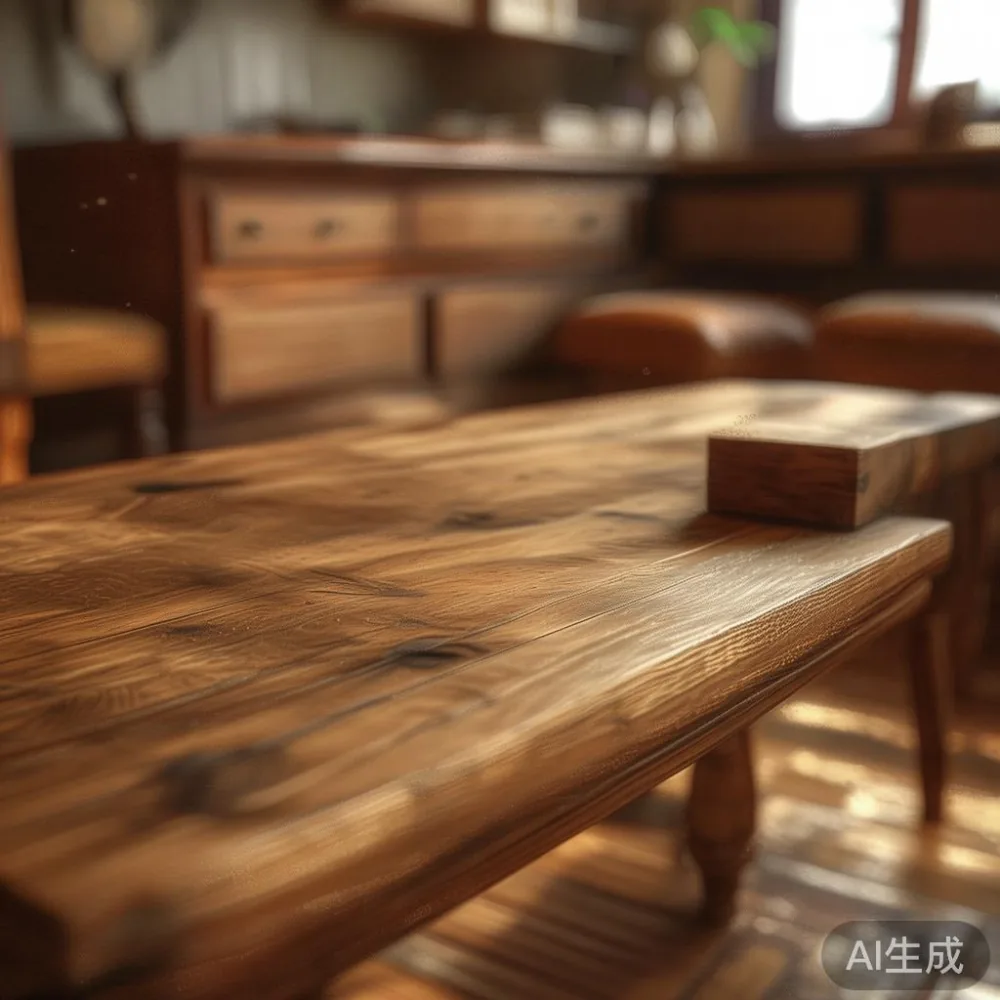
Good care does not mean keeping furniture permanently dry or avoiding normal use. It means choosing finishes and furniture dimensions suited to the room, controlling moisture where practical, and using gentle cleaning methods. For Singapore small space homes, the strongest results come from a consistent 10-minute routine, sensible placement, and products selected for actual interior conditions.
MIDHILL designs lacquered furniture with the realities of humid climates in mind. The practical examples below cover a solid wood sofa, bed frame, dining table, wardrobe, nightstand, and marble table without drifting into unrelated furniture categories.
What makes lacquer behave differently in a tropical climate?
Lacquer is a surface coating, not a replacement for good timber preparation. Many finished pieces use lacquer over wood, a sprayed colour system, or a factory-applied film. The exact formula can differ, so an unknown finish should be treated more cautiously than one documented by the maker.
Wood changes dimension as it gains or loses moisture. A movement of 1–2 mm across a wide panel can be noticeable, while a door may catch slightly if its frame expands unevenly. Lacquer reduces moisture exchange but does not make a panel immune to humid air, standing water, heat, or scratches. Direct steam from a kettle and a damp cloth left against the surface can create pressure marks or dull patches that take weeks to disappear.
Temperature changes also matter. A dark lacquered surface can reach 42–46°C when receiving strong afternoon sun through west-facing glazing, even while the room is air-conditioned. Sudden cooling may condense moisture on the finish. Keep furniture at least 30–60 cm from an exterior wall with a sun-facing window where the layout permits.
For transport planning, measure before ordering. Include the package rather than measuring only the product. Allow 5–8 cm of clearance on each side for movement through a typical HDB lift and common corridor. A 180 cm solid wood sofa may require a protected doorway of at least 188 cm, while a 200 cm bed frame packaged upright needs sufficient corridor turning space. Lift dimensions vary by block, so checking the route can prevent delivery-day delays.
How should I clean lacquered furniture in Singapore?
Start with a soft, white or pale-coloured microfibre cloth. A cloth washed without fabric softener helps avoid streaks. For weekly cleaning, dampen it with clean water and wring it until no liquid drips out. Wipe in the direction of the grain on wood surfaces, then dry with a separate clean cloth within 2–3 minutes.
Use a small amount of mild dish soap only when needed: about 1 teaspoon diluted in 500 ml of water. Apply the solution to the cloth rather than the furniture. Test a concealed 5 cm × 5 cm patch for 24 hours, especially on a hand-rubbed, metallic, textured, or French light luxury finish.
Keep these substances away from lacquer:
- Alcohol and ammonia cleaners: repeated exposure can soften or cloud some films.
- Acidic cleaners: acidic drinks may leave dull marks within minutes.
- Abrasive pads: coarse pads can create scratches visible under side lighting.
- Silicone and oil: oily residue can make a surface look patchy until thoroughly removed.
- Furniture wax: it is unnecessary on correctly finished lacquer and can complicate future maintenance.
Spills should be addressed promptly. Blot rather than rub, using 6–8 gentle passes. If a ring mark remains, do not scrub. Check the care instructions before trying a specialist lacquer cleaner, and test it for 72 hours. A lacquered dining table may need up to 3–5 days for a fine mark to become less visible as dust settles into the shallow depression.
Last month I visited a family’s Bedok condo after a meal, when fingerprints covered the lacquered sideboard and the dining table had several water rings. I tested three cloths over a protected section: one dry cotton cloth, one damp microfibre cloth, and a lightly soaped microfibre cloth. The damp cloth lifted fresh residue without warming the surface; the soaped cloth required more passes but handled a dried tea mark well. The lesson was simple: less liquid and prompt drying produced the more controlled result.
How often should I wax or condition lacquer, and what should I avoid?
Do not apply household wax, furniture oil, or coconut oil to lacquer unless MIDHILL specifically approves it for that finish. Lacquer does not behave like an oiled or waxed timber surface. An extra layer can collect dust, alter reflections, and make future touch-up work harder.
For routine care, a monthly wipe is reasonable for a lightly used dining table. A nightstand used every night can be checked every 2 weeks. A wardrobe needs less frequent surface cleaning, perhaps every 2–4 weeks, but its tracks and handles should be inspected monthly. A solid wood sofa with lacquered wooden legs should be vacuumed weekly and wiped around the base every 3 months.
Maintain indoor conditions when the building permits. Keeping relative humidity around 45–65% can reduce frequent dimensional movement. Singapore residents often cycle between 23–29°C, so avoid directing heating vents or air-conditioner outlets at a wardrobe or bed frame. Leave 5–8 cm behind freestanding pieces where space allows, improving airflow and making cleaning easier.
Watch for warning signs: doors that need extra force, a sticky patch, a sudden colour difference, or a coating that lifts at an edge. Photograph the area and contact the supplier before applying cleaners. Do not attempt to sand a household lacquer finish. Fine sanding can remove the colour coat and create uneven gloss within 5 minutes.
Can heat and sunlight ruin a lacquered finish?
Prolonged heat can yellow some clear coats, while intense light can fade pigments underneath. Curtains, blinds, and UV film offer practical protection. In a Punggol bedroom with west-facing glazing, draw the blind fully whenever direct sun reaches the surface. A gap of only 10 cm between the blind and the glass may still admit strong glare, especially between 3 pm and 5 pm.
Do not place a lacquered nightstand directly under a hot wall-mounted light or a lamp with an incandescent bulb. Keep the bulb at least 30 cm from the surface and choose an LED lamp rated below 60 W where appropriate. For a marble table, use coasters and trivets as well; lacquer does not stop heat from reaching a vulnerable tabletop.
Air-conditioning is helpful, but rapid transitions require attention. If a piece has been in a 29°C room and you switch on air-conditioning to 24°C, wipe any condensation with a dry cloth. Never place cold glassware directly on a warm lacquer surface; allow 10–15 minutes for the temperature difference to settle.
Near coastal areas, salt in the air can settle on metal fittings and nearby surfaces. Wipe exposed handles weekly, rinse them with a lightly damp cloth, and dry immediately. This protects the hardware as well as the lacquer. If a handle develops orange-brown spotting, stop using abrasive cleaner and arrange inspection.
Is French bed worth it for a lacquered apartment bedroom?
A French-style bed can suit a Singapore bedroom if its proportions respect the room and its finish can tolerate humidity. The answer to is French bed worth it in your case depends on clearance, use, and ownership plans rather than a style label. For an 8.2 m² room, a 140 cm × 200 cm frame may fit with 50–60 cm on the longer sides, while a 160 cm × 200 cm frame may make a wardrobe door difficult to open.
Choose a raised base if air can circulate beneath it, and confirm whether the lacquer is factory sealed. High-density solid wood panels should be stable, but all sides need protection from floor moisture. A felt or protective pad set beneath each leg can reduce movement, provided ventilation remains possible.
Layered timber needs care during delivery. Carry the package into the lift within 10–15 minutes of arrival if the building requires rapid clearing. Do not leave a sealed bed frame in a hot corridor for 3 hours while waiting for access.
What should I do before delivery and after installation?
Photograph the route before the delivery team arrives. Measure the lift car, door opening, turning corners, and the final bedroom door. For a 220 cm wardrobe, confirm that the package can remain upright; laying it flat may stress panels or lacquer depending on the construction. Add GST to the displayed price as required, and keep the order record for warranty claims.
MIDHILL offers a 10-year structural warranty and lifetime refinishing, so retain the finish and order documentation. Warranty language matters: structural coverage protects against defects such as a frame failure under proper use; accidental liquid damage, heat burns, and unauthorised cleaning may fall outside the lacquer-care scope.
After installation, check doors and drawers in the first 24 hours. Open and close each hinged component 3 times. Look for alignment issues, rubbing marks, or condensation trapped inside a cabinet. A wardrobe in a compact condo may need 7–14 days to acclimatise as its panels adjust to the room.
Deliveries generally take 15–30 days after order confirmation, subject to configuration and route access. Singapore deliveries avoid a cross-border customs process, but GST still applies. Confirm the final charge in SGD and whether the quoted service includes carrying to the unit or only to the lift lobby.
How can I keep lacquered pieces calm inside a small space?
Small space is not about filling every centimetre. A measured 60 cm passage from the main door to a dining chair may make a narrow Tampines flat feel more open. Choose furniture with a light visual profile and enough placement room for care. A solid wood sofa with slim arms, a compact dining table, and a handled wardrobe can still show a clear design character.
Designers often compare a Japanese sofa vs Mid-century modern sofa through proportion rather than footprint alone. Both can suit a compact living room, but the Japanese style may use lower, calmer lines while a mid-century design can introduce stronger timber geometry. A light blue luxury sofa can brighten a small room, yet its fabric should be selected separately from the lacquered wood base. Search guidance for the best Rustic sofa for 2026 may favour a substantial look, but that should not override doorway access or daily circulation.
For storage, figure out how to style French wardrobe in apartment without crowding the door. A warmer French influence can work with curved pulls, cream walls, and pale timber; post-modern light luxury can add cleaner geometry and restrained contrast. An American light luxury direction often uses darker timber and carefully spaced accessories, which still works if one accent controls the room.
Use a European light luxury sideboard as a functional anchor, but protect its lacquer from hot dishes, keys, and wet foliage. Keep décor 10–15 cm from the surface where possible. Coordinate the palette in 3 colours rather than adding 8 small objects around it.
What is the safest 10-minute care routine?
Set a weekly reminder for surfaces used every day. Vacuum a solid wood sofa with a soft brush attachment, dust lacquered rails and nightstands, and wipe the dining table with a well-wrung microfibre cloth. Follow with a dry pass. On high-use days, blot spills immediately and allow the surface to dry fully.
Once each month, inspect 4 points: the dining table’s warm centre, wardrobe door edges, the nightstand beneath a lamp, and the solid wood sofa’s legs or lower frame. Use a flashlight held at a low angle to reveal dull marks. Photograph any change so repairs can be compared later.
Every 3 months, review windows, blinds, filters, and room humidity. Clean metal pulls and inspect under-bed areas for dampness. Keep cleaning products in a lidded tray away from children and pets. A clear routine prevents a 2-minute repair from becoming a full refinishing job.
For a piece selected for long-term use, ask MIDHILL about the finish system, compatible cleaners, and refinishing scope before purchase. Product descriptions for a lacquered bed frame, wardrobe, nightstand, dining table, sofa, or marble table should state whether lacquer appears on the entire item or only selected timber components. That clarity makes ownership calmer in a tropical city.