Working through Furniture Warranties in Singapore’s Small Spaces
A furniture warranty can look reassuring on a product page and still leave awkward gaps around moisture damage, moving damage, floor protection, or claims made after delivery. For Singapore homes—especially compact HDB flats and condos in Tampines, Bedok, and Punggol—the practical question is not simply whether a warranty exists, but whether its wording matches how the piece will actually be used.

I learned this the hard way last month while helping a friend inspect a solid wood dining table delivered to a Bidadari studio. The table looked immaculate, but a 2 mm gap had opened along one joint. The seller explained that Singapore’s humidity had “worked into the wood.” The manufacturer’s written terms, however, covered manufacturing defects and structural failure for 10 years—not changes caused by moisture movement. Recording the delivery condition with photographs and checking the written terms would have made the difference.
This guide explains how to read a solid wood furniture warranty, what to ask before purchase, and how to document a claim. It is equally relevant when comparing a solid wood sofa, bed frame, dining table, wardrobe, nightstand, or marble table for a small space home.

What does a 10-year structural warranty actually cover?
Start with the noun “structural”. It usually refers to defects in the frame, load-bearing joints, and certain construction failures under ordinary use. It does not automatically mean every visible flaw, every screw, or every finish change is covered for 10 years.
For example, a bed frame warranty may cover cracking of the main side rails or a joint that separates under its stated load. It may not cover a headboard that scratches, a drawer runner that loosens, or a slat supplied as a replacement part. A solid wood sofa may have a 10-year frame warranty while its cushions, upholstery, mechanisms, and surface finish carry different periods, perhaps 3 years or less.
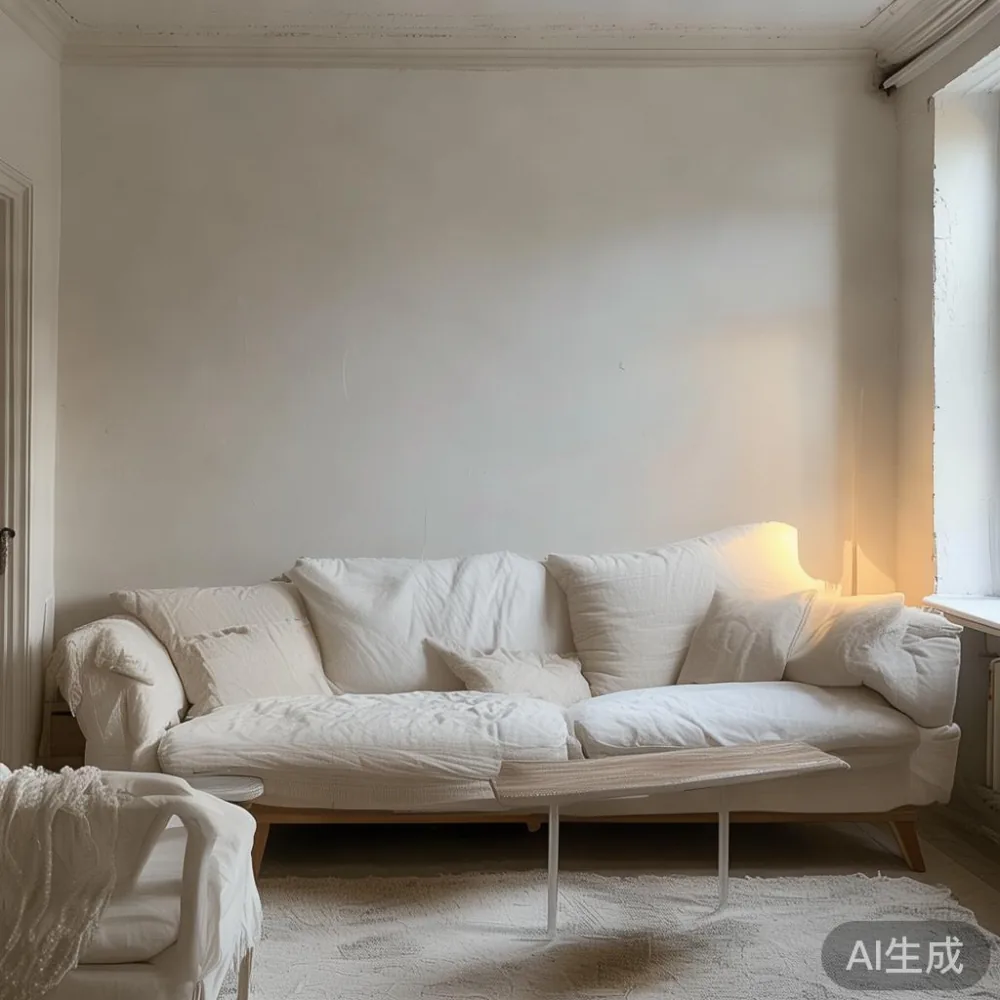
Ask for the warranty duration for each component. A dining table may have a 10-year structural warranty, while extension hardware has a 5-year warranty and the tabletop finish has a 1-year or 3-year warranty. A marble table may use a 10-year structural warranty, while the stone itself could be treated differently from chips, cracks, staining, or a top that was installed incorrectly.
Find out whether the warranty is prorated. If it covers only the product and not labour, or provides repair rather than replacement, the value changes. A lifetime refinishing promise should also be defined: does it apply to the original purchaser, every future owner, a purchased replacement, or only one refinishing service during the product’s life?
Another common issue is “commercial use.” A warranty may exclude furniture installed in a cafe, rental unit, show unit, or shared co-working lounge. A normal household in a Singapore condo is different from commercial use, but confirm this where the property is rented or the dining table supports regular home working.
Which damage is a defect—and which damage comes from the home?
Furniture warranties usually separate manufacturing defects from care, environment, accidents, and misuse. Wood reacts to relative humidity, temperature, spills, sunlight, and uneven support. A reputable warranty should not describe every small movement as a defect, nor should it blame the customer for an unqualified product failure.
Pay attention to the humidity and temperature ranges stated in the care guide. A practical home range is often around 40–70% relative humidity, but follow the manufacturer’s exact figure rather than assuming. Keep a solid wood dining table away from air-conditioning vents and persistent dampness. Do not place it directly against a bathroom wall or beside a frequently opened shower. For a bed frame, allow ventilation under the base and avoid flooring that traps moisture.
Check the floor-protection requirement. Hard chair legs can leave marks on engineered timber, tile, or laminate. Felt pads, a suitable rug, and moisture-absorbing felt help protect both furniture and flooring. If the warranty says the owner must use floor protectors, a claim after visible compression marks may be difficult. Ask whether coasters, trivets, and dust mats are also required.
“No warranty will cover every domestic accident” is true, but wording such as “water damage voids the entire warranty” deserves scrutiny. Some sellers provide a clear water-damage exclusion for the affected component rather than cancelling coverage for an unrelated wobble. Read cause, component, and remedy as three linked points.
Solid wood, veneer, engineered wood, stone, metal, and upholstery should not be treated alike. Oak, walnut, ash, and other timbers can move seasonally. Stone slabs can respond differently to impact, sealant, and installation. Upholstery can fade if exposed to strong sunlight. The warranty must identify what material and part each clause refers to.
Does delivery and assembly affect my furniture warranty?
Yes. Delivery damage can happen before the product enters your home, particularly where access is tight. Singapore HDB corridors and common areas may have narrow turns, while older lift doors can restrict what can be brought into the block. For example, a 210 cm dining table may be easier to carry in as a 120 cm top with detachable legs, but only if the packing dimensions and assembly method allow it.
Before purchase, request the packaged dimensions, weight, and delivery method in centimetres and kilograms. A 180 cm solid wood dining table might weigh 65–85 kg depending on its construction. A 160 cm wardrobe might weigh 90–140 kg, and a queen bed frame might weigh 35–60 kg. Compare those figures with your lift’s door width, cabin depth, turning radius, and corridor clearance—not just the room where the piece will stand.
Confirm whether delivery is curbside, room-of-choice, or room-of-choice plus assembly. HDB landings may not have room for an unpacked wardrobe, so the seller should state whether boxes can be opened outside and whether assembly is included. Ask what happens if the item cannot enter due to access: is it returned, redelivered at the buyer’s cost, or covered by the seller? A clear access policy prevents disputes that a structural warranty cannot resolve.
Inspect the furniture at handover. Photograph all 6 sides, the underside, corners, joints, glass or marble surfaces, and packaging labels. Run the drawers, test the doors, gently rock the dining table on its legs, and check the wardrobe for level. For a marble table, look for edge chips, corner impact marks, and cracks around the cut-out. Record a video for moving mechanisms. Note every mark on the delivery note rather than relying on memory.
MIDHILL offers free shipping for qualifying orders over US$350, but the currency and destination should still be confirmed for a Singapore purchase. A 14-day return window is useful for checking scale, comfort, assembly, and visible defects. Do not wait until the last day if a structural issue needs testing in different room conditions.
How do I compare warranty terms across two Singapore furniture sellers?
Put each term into the same columns: duration, covered parts, exclusions, evidence required, remedy, labour cost, freight cost, claim territory, and claim window. Compare the actual text rather than a badge that simply says “10-year warranty.”
Suppose Seller A provides a 10-year structural warranty with no charge for covered parts or labour, while Seller B covers the same structure for 10 years but charges SGD 80 per onsite inspection plus SGD 60 return freight. The headline durations match, but the practical support differs. Another seller may offer a 3-year full warranty and a 10-year structural warranty only for the main frame.
Check GST too. A quoted price should state whether 9% GST is included. If a deposit is SGD 200, the balance should be calculated clearly, and card or bank-transfer protections should be explained. For a higher-value dining table, ask whether the deposit can be lost after custom sizing or a non-returnable material selection.
Style is part of the buying decision, but it should not obscure the paperwork. A French light luxury scheme may suit a compact master bedroom, while post-modern light luxury can work with clean-lined storage. A search for under 2000 European light luxury furniture may produce attractive options, yet European construction descriptions do not replace a readable warranty. Likewise, a search for MIDHILL dining table wholesale is not the same as purchasing from a local authorised channel, so confirm who administers claims and whether your order is covered directly.
One caution: a wholesale price can use a different commercial warranty from a retail sale. For a single home purchase, a consumer-friendly policy may be more useful than a trade discount. Ask for the retail terms in writing before deciding.
What should I photograph before the delivery team leaves?
Create a handover record with the order number, delivery date, product dimensions, colour, wood or stone finish, and included accessories. Take at least 12 photographs for a large piece, including 4 views and 8 close-ups. If a retailer offers a 14-day return period, note the exact time and date by which a return must be initiated.
For a solid wood sofa, check frame alignment, cushion compression, seams, legs, and floor contact. For a bed frame, inspect centre supports, slat spacing, rail joints, and hardware. For a dining table, look under the apron, at leaf joints, leg fixings, and the tabletop edges. For a wardrobe, test every hinge, drawer, rail, and door alignment. A nightstand should sit evenly on its legs, with stable drawer action and intact hardware. A marble table needs careful checks for edge damage, sealed joints, and weight distribution.
Save the invoice and warranty PDF in 2 places. Photograph the warranty pages in case the link later changes. Keep assembly instructions, care labels, and spare fittings. If a piece must rest against a wall, leave 20–30 mm of ventilation where the manufacturer recommends it. Sunlight exposure through a west-facing Tampines or Bedok window can also affect finishes, so ask about UV exposure limits.
Do not use a hairdryer, heat gun, or concentrated sunlight to remove moisture marks. Dry the surface gently, control the room environment, and consult the maker. Excess heat can cause finishes to bubble or split and may complicate a claim.
Can I claim a warranty after my furniture has been moved?
Moving is not automatically an exclusion. Moving a bed frame or dining table in a reasonable way, using the correct hardware and adequate help, should not void a structural warranty. Removing a table’s legs for transport and reinstalling them as instructed is different from dragging it by its top.
However, many policies exclude damage from incorrect assembly, unauthorised modification, overloading, or failure to follow instructions. Check the stated load limits for a dining table, wardrobe shelf, bed slat, or sofa seat. If a guest sits on an armrest or a shelf holds more than its specified capacity, the resulting failure may not be classified as a manufacturing defect.
Keep screws and dowels in a labelled bag. Use the supplied tools rather than forcing components. If a hinge is adjusted, document the before-and-after condition. A small adjustment is usually maintenance; cutting a rail, drilling unplanned holes, or changing the suspension system may affect coverage.
Singapore’s humidity makes acclimatisation relevant for solid wood. Follow the maker’s instructions on room conditions and installation. A new table should not be tightly enclosed while damp packaging remains trapped against the timber. A wardrobe may need assembly in its final location if the maker specifies this.
How do I make a claim without arguing about the cause?
Send a factual claim with photographs, measurements, order details, and a clear description of events. Avoid speculative language such as “the company made bad furniture.” State when the issue appeared, which component is affected, and what checks you have completed.
For example: “On 14 May, a 3 mm diagonal split appeared at the front-left apron joint of the 180 cm dining table. The table is 60 cm from an air-conditioning vent and the room was recorded at 72% relative humidity for 2 hours on 9 May. Photographs taken at delivery show no crack.”
The last point matters. Environmental readings, maintenance records, and pre-delivery photographs can narrow the dispute. If nearby appliances caused unusual condensation, document that too, but do not conceal it. Transparent evidence helps the maker determine responsibility.
Ask what the remedy includes. Covered options might be repair, replacement, refund, or part replacement. Confirm who pays labour, packaging, return freight, and reassembly. For heavy pieces such as a 120 kg wardrobe, access logistics can cost more than the repair itself, so include lift and corridor restrictions in the claim record.
Keep a claim log with dates, names, reference numbers, promised actions, and responses. Respond within 7 days where possible. If a retailer cannot resolve a structural issue, check the manufacturer’s direct process or applicable consumer recourse. Mediation may help when the written terms and evidence are clear.
What questions should I ask before paying for a solid wood furniture warranty?
Ask these 8 questions before placing a non-refundable deposit:
1. Is the 10-year period for the frame, the complete product, or selected components?
2. Which events count as manufacturing or structural defects?
3. Are moisture movement, sunlight, pests, stains, chips, and scratches excluded, and are these exclusions component-specific?
4. Does delivery, assembly, floor protection, and required humidity range affect coverage?
5. Are parts, labour, return freight, and reassembly covered?
6. Must the original receipt, serial number, and delivery photographs be supplied?
7. Is there a minimum claim value or an inspection fee?
8. Does lifetime refinishing apply once per owner, once per piece, and which finishes are included?
For a wardrobe, also ask about wall anchors and the load rating of hanging rails. For a bed frame, check slat spacing and centre-support requirements. For a marble table, ask about sealant maintenance and cold or hot objects. For a solid wood sofa, separate the frame warranty from cushion and upholstery terms.
You can also assess design fit. A search for how to style light luxury wardrobe in room helps with finish and colour planning; Modern light luxury for bedroom is useful for choosing a frame that does not crowd a 90–120 cm room width. A buyer comparing the best French provincial sofa for 2026 should still verify seat-frame construction, cushion density, fabric composition, and warranty terms rather than relying on the style label.
Some wholesale listings mention wholesale Italian light luxury furniture, but country-of-style language is not proof of Italian manufacture or a particular warranty. Confirm the material, factory, and supervising company. If the maker operates through a Foshan factory, ask which production standards and inspections apply, and who carries responsibility after export.
How should I maintain my furniture so warranty cover is easier to protect?
Follow the supplied care schedule. Dust with a soft cloth, keep stone and timber surfaces free of standing water, and use coasters or trivets where drinks are likely. Wipe spills promptly, especially around dining table joints and marble edges. Rotate cushions and use a breathable cover rather than sealing a sofa in plastic.
Check fixings every 6–12 months and tighten only where appropriate. Do not overtighten. Inspect wardrobe rails, bed joints, and dining table legs before visible movement develops. Keep a baseline photograph file after the warranty handover, then add dated photographs after any maintenance.
For a small space, leave room to clean beneath and behind furniture where access permits. A 180 cm dining table may need at least 75–90 cm of circulation space around it. A bed frame may need 60 cm on access sides, and a wardrobe may need its doors opened through roughly 90 degrees. Good spacing reduces impact risk and makes care easier, which matters as much as the aesthetic.
MIDHILL’s 10-year structural warranty and lifetime refinishing policy can provide a useful framework, but the still to read the exclusions, jurisdiction, freight terms, and claim procedure for your specific order. Warranty language should sit beside dimensions, access, materials, and care—not replace them.
The strongest warranty is one you understand before delivery. Get the duration by component, identify exclusions, save the evidence, and keep a realistic record of the furniture’s condition. For a Singapore home with lifts, narrow corridors, warm air, and high humidity, those details are where a 10-year promise either becomes dependable or turns into a dispute.