How Southeast Asian Humidity Affects Solid Wood Furniture in Small Spaces
Humidity is one of the least visible forces shaping furniture in Singapore. A living room in Tampines may feel comfortably dry at 9 a.m., then become noticeably muggy by 5 p.m. after a storm. A Punggol condo near the coast can experience the same shift. Wood absorbs and releases moisture as the surrounding air changes, so dimensions, joints, finishes and door clearances can respond over time.
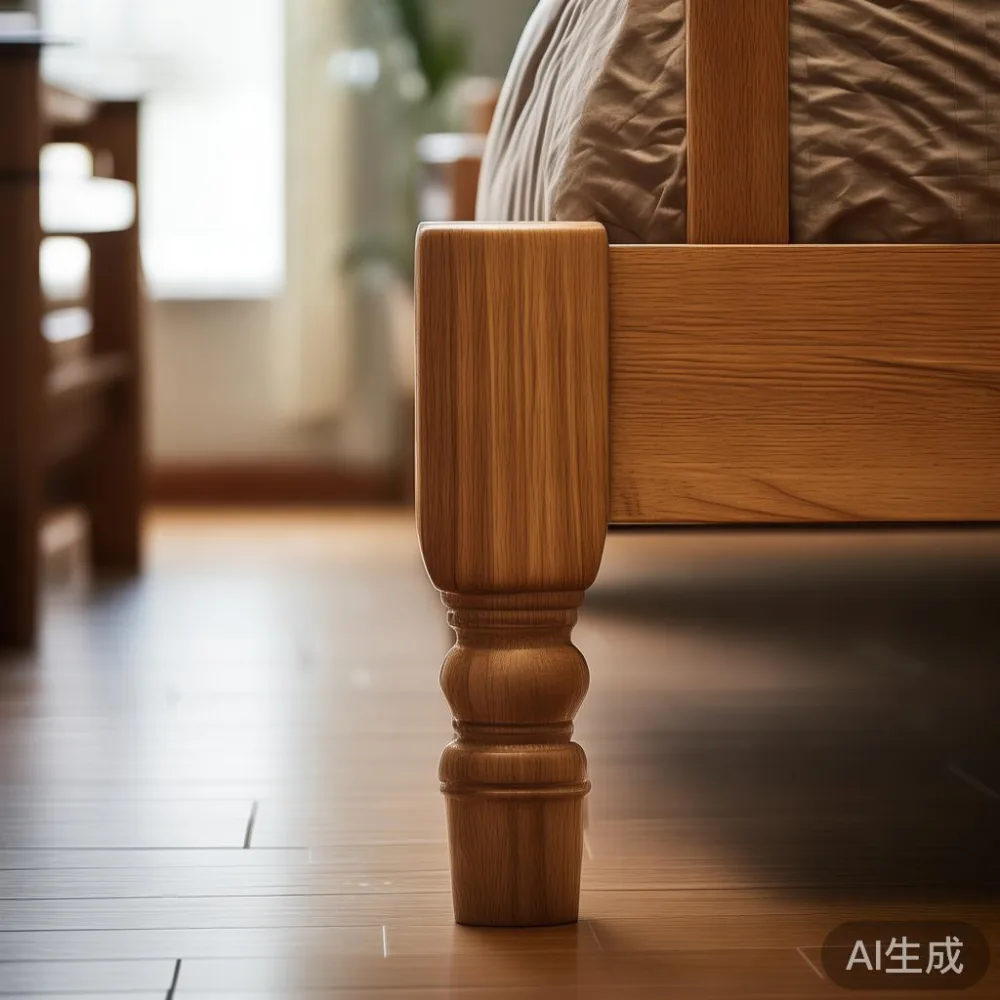
For Singapore households, this is not a reason to avoid solid wood. It is a reason to select furniture with sound construction, understand the local climate and maintain a sensible care routine. In compact HDB flats and condos, where a 90 cm corridor, a 105 cm lift doorway and limited storage can magnify small problems, moisture control matters from the delivery date onward.
This guide explains how Southeast Asian humidity affects solid wood sofa frames, bed frames, dining tables, wardrobes, nightstands and marble tables, with practical measurements for Singapore homes. It also shows how French light luxury, American light luxury and post-modern light luxury can work in a small space without creating oversized furniture problems.
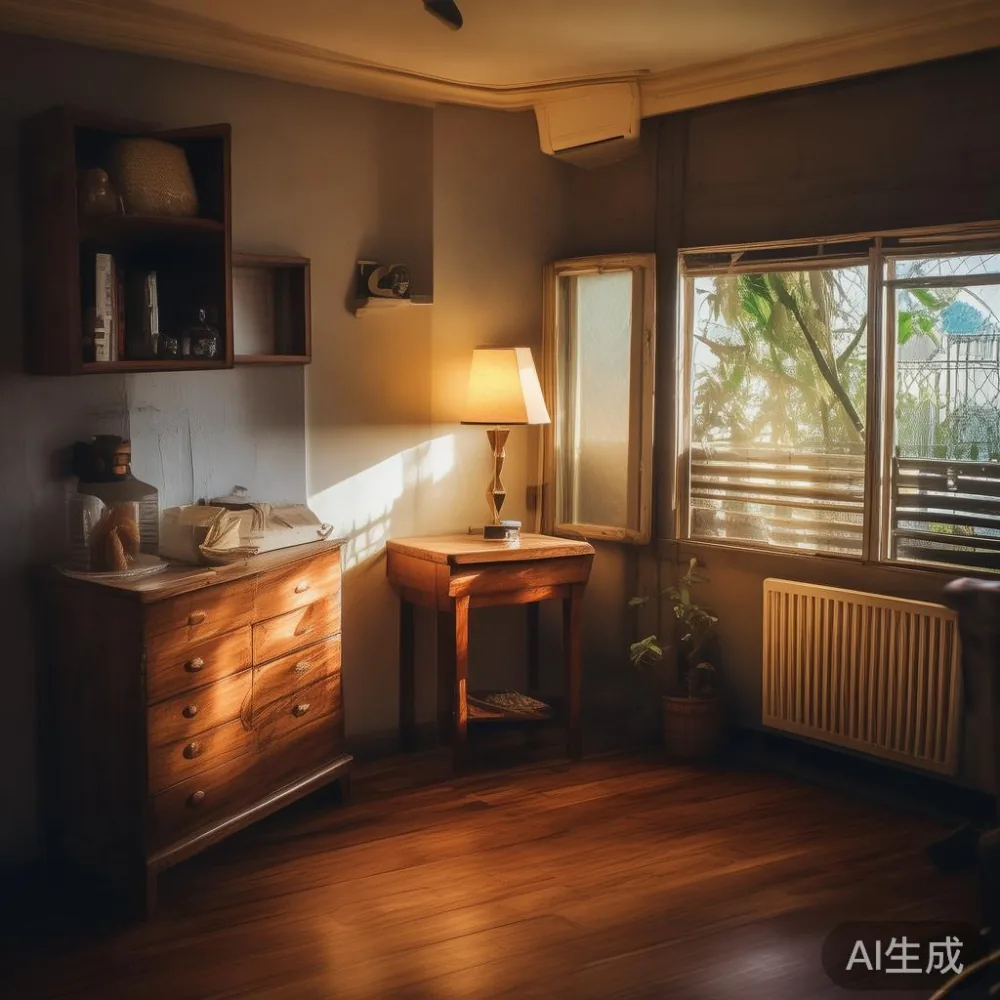
How humid is Singapore, and why does furniture react to it?
Singapore’s annual average relative humidity is around 75%. Most days fall between roughly 65% and 85%, while monsoon periods and heavy rain can push the level higher. Air-conditioned interiors are often much drier, commonly around 50% to 65%. Outdoor relative humidity can climb above 85% during humid spells, so a sofa delivered through an open corridor may experience a different environment from the air-conditioned room where it will live.
Solid wood is hygroscopic: it takes in moisture when the air is humid and releases it when the air becomes drier. The movement is modest for stable indoor furniture but more visible in wide panels, thin tabletops, solid timber doors and frequently touched surfaces. Seasoning and kiln-drying reduce this movement, but they cannot make wood completely moisture-proof.
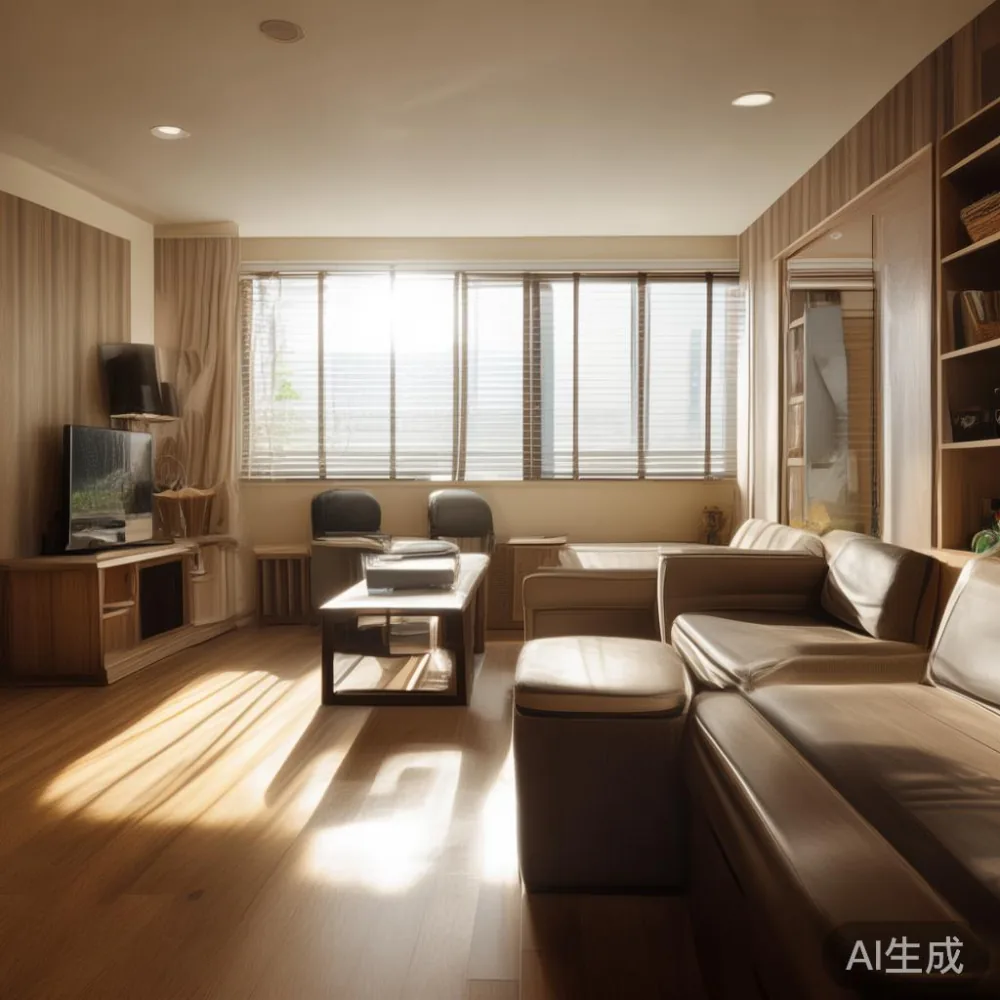
A useful planning range is 45% to 65% relative humidity for the occupied room. You do not need a laboratory hygrometer, although a digital meter costing about SGD 20 to SGD 40 can help. Position it near the floor, away from windows and air-conditioner vents. Check it at 8 a.m. and 9 p.m. on 3 ordinary days, recording each percentage. If the readings vary by more than 10 percentage points across the day, furniture care will need extra attention.
Measure the actual route before ordering. Most HDB lift cars have internal dimensions near 110 cm by 140 cm, though older blocks vary. A lift door may be about 90 cm wide, while a landing fire door can measure roughly 80 to 90 cm. Condo service lifts often allow 110 cm or 120 cm doors, but building management rules still apply. Add at least 10 cm of maneuvering room around a large carton rather than trusting the nominal opening size.
What humidity does to solid wood furniture?
Humidity affects every part of a piece differently. A solid wood bed frame may cup slightly across a broad side rail, while a dining table top can show faint surface movement along its grain. A wardrobe with tall doors is more sensitive than a compact nightstand because each door panel has more exposed area. A solid wood sofa frame may remain stable when it is well supported, yet its loose cushions and upholstered surfaces can develop condensation or musty smells if they sit against a damp wall.
Typical safe workshop moisture content for furniture wood in humid tropical conditions is around 10% to 14%. MIDHILL specifies production and packing practices suited to Southeast Asian conditions, while its 10-year structural warranty covers the frame for normal domestic use. Environmental movement is different from a structural failure: a slight seasonal gap of 1 to 3 mm is generally manageable, whereas a split, loose joint or broken connection needs investigation.
Glossy lacquer and film finishes slow moisture exchange but do not stop it. Oiled or water-based finishes tend to show humidity effects earlier because they are more breathable, yet oiled surfaces are usually easier to maintain. Avoid placing a dining table within 30 cm of an open window during heavy rain, and keep furniture at least 10 cm from a bathroom wall where possible. For a small space, airflow around the piece is as useful as the finish itself.
Marble requires another kind of moisture awareness. A marble table does not absorb much water, but moisture can affect the sealants, adhesives, cleaning residue and support structure beneath it. Wipe spills within 5 minutes and do not use acidic cleaners. A pH-neutral stone cleaner commonly costs SGD 18 to SGD 35. Natural stone also varies in porosity, so ask for the specific care instructions supplied with the tabletop.
Can I fit large furniture through my HDB lift and corridor?
Yes, if the measurements are checked before production. A round dining table may pass a narrower corridor more easily than a rectangular one when turned on edge, but its diameter still has to clear the lift doors, lift car and any right-angle turn. A 120 cm round top may fit a 110 cm lift car diagonally, yet the carton and protective packaging can add 8 to 12 cm on each side.
Measure the narrowest point, the tightest turn and the final doorway. Record 6 numbers: lift door width, lift car depth, lift car width, corridor width, bedroom door width and the largest turning circle available. If a corridor is 95 cm wide and the packaged sofa is 104 cm deep, it may still pass when tilted, but skirting boards, sockets and fire doors can reduce usable width. Do not assume that a 180 cm sofa can turn a 100 cm corner simply because its arm-to-arm width is below 100 cm.
Compact dimensions are especially valuable in small space layouts. A dining table 120 cm by 75 cm can seat 4 people, a sofa 180 cm to 200 cm can suit a living room with 220 cm of usable wall length, and a bed frame 160 cm by 200 cm needs around 210 cm of wall clearance once a side aisle is included. A 45 cm nightstand suits a 90 cm bedside zone, while a 90 cm wide wardrobe can still provide hanging space if the internal layout is organised.
Singapore’s 9% GST is included in the displayed retail price, so confirm whether a quotation includes tax. Delivery commonly takes 7 to 14 days for standard solid wood pieces and 14 to 30 days for made-to-order or specialised marble table orders. MIDHILL provides free shipping for orders over US$350, but the currency reference does not replace checking the final SGD checkout, including GST and any stair-carry or lift-booking charges.
What should I look for when choosing solid wood in Singapore?
Look for stable joinery, restrained panel movement and a clear moisture story. Kiln-dried solid wood is more predictable than unseasoned timber, but the wood species still matters. Ask whether the product is solid wood, plywood, engineered board or a combination, and request the expected thickness of the main parts. For a bed frame, a load capacity of 250 kg to 300 kg is a sensible reference for a double bed occupied by 2 adults. The manufacturer should state the test basis rather than offering an unexplained number.
Drawers and doors need to work after a few humid months. Run a drawer across its full opening and check that it closes without forcing. Test a wardrobe door at 3 positions, including the highest humidity period of the day. Gaps of 2 to 4 mm at the handle side can accommodate seasonal movement without making the fit look careless. Hardware should include hinges that allow minor adjustment, and screws should enter sound timber or properly installed inserts.
For small space furniture, a lower centre of gravity can matter more than a fashionable silhouette. A 42 cm high dining table may be easier to move around a compact flat than a 76 cm heavy pedestal model, although it is less comfortable for long meals. A solid wood sofa with a 72 cm to 78 cm seat height suits many users better in a compact room than an extra-deep 85 cm seat that projects into the walkway.
Design language should also serve the dimensions. French light luxury often uses pale upholstery, curved profiles, tapered legs and warm cream or beige tones. Those details can make a 180 cm sofa look less heavy. American light luxury may use cleaner lines, darker metal accents and generous cushions, which can work in a 3.5 m wide living room if the palette stays light. Post-modern light luxury can introduce a stronger mix of geometric forms and materials, useful for a studio or compact HDB bedroom, provided visual clutter remains under control.
Is French provincial bed worth it for a humid Singapore bedroom?
That question depends on the construction, not only the decorative profile. A French provincial bed can suit an HDB bedroom with a traditional French light luxury scheme, especially in warm neutrals, but a high solid timber headboard may be difficult to move through an 80 cm doorway. A 150 cm by 200 cm frame with detachable headboard panels is often easier to handle than a fully assembled queen-size model.
Check the slat spacing. For most foam or latex mattresses, support slats with gaps no wider than 5 to 7 cm prevent sagging. Centre-support legs should reach the floor, and the centre rail should sit securely rather than bowing under load. Keep the bed 10 to 15 cm away from an exterior wall if condensation is visible, and allow 20 to 30 cm of ventilation beneath the frame where the manufacturer permits.
For a restrained bedroom, shoppers often compare French provincial bed worth it questions with compact alternatives. A slimmer profile can preserve 60 cm of circulation beside a 150 cm bed in a 3 m wide room, while a 60 cm wide nightstand adds practical storage without filling the wall. The style label should guide appearance; air movement, mattress support and delivery access should guide the purchase.
Is French provincial sofa worth it for a compact HDB living room?
A French provincial sofa can be appropriate in a small space when its visual weight is controlled. A 160 cm to 180 cm model with a 78 cm depth may fit a 220 cm wall more neatly than a 220 cm version with a 95 cm depth. Loose back cushions create a softer outline than a tall, rigid frame, but every removable cushion should have a washable or replaceable cover in humid conditions.
Solid wood sofa frames need ventilation. Leave 5 to 8 cm behind a low back if the wall is cool or shows dampness, and do not press upholstered arms tightly against a poorly ventilated exterior wall. Check the deck and support system, then look for signs of sagging. A frame intended for 2 people should support at least 200 kg, while a larger model should be rated for 250 kg to 300 kg when the supplier explains the test method.
The comparison of French sofa vs Mid-century modern sofa is useful for a Tampines or Bedok living room. French provincial styling tends to bring visual softness, while Mid-century modern design usually uses a lower profile, slimmer arms and a more graphic frame. A tapered-leg base can gain 8 to 12 cm of floor visibility and make a compact sofa feel lighter. If the family sits on the floor frequently, check the seat height and cushion firmness before choosing.
For a buyer comparing European light luxury sofa vs Mid-century modern sofa, the practical difference may be depth, leg clearance and cushion maintenance. European light luxury often uses rounded contours and layered upholstery, which can consume depth. Mid-century proportions may be more efficient but should not feel too spare in a warm, visually soft interior.
How do I compare wardrobes and beds without ignoring humidity?
Wardrobes deserve a moisture-specific inspection because enclosed spaces can trap humidity. Look for ventilation paths, sealed edges and a back panel that does not sit directly against a wet wall. Confirm that hanging rails are fixed with appropriate spacing, and check whether shelves are adjustable within about 5 mm increments. A compact wardrobe 90 cm wide by 58 cm deep may hold roughly 35 to 45 garments depending on rail layout, yet the usable figure must be verified from inside measurements rather than marketing labels.
For a bedroom that receives coastal air, a solid timber outer frame with moisture-resistant internal panels can offer a balanced approach. The care routine matters: wipe the top and side edges every 2 to 4 weeks, inspect the back every 6 months and run a dehumidifier when the room exceeds 65% for several hours. A small unit may cost SGD 180 to SGD 350, and electricity use should be checked against the room size and local tariff.
The question of is Mid-century modern wardrobe worth it often comes down to proportions and storage. A 120 cm wide model can suit a 3 m wide bedroom, while a 150 cm unit may reduce the clearance beside the bed. Mid-century details such as slim handles and warm timber can create an airy effect, but a wall-mounted design still needs appropriate fixing for the wall type, including masonry anchors where required.
For bed shopping, the phrase best Scandinavian bed for 2026 should not distract from local performance. Scandinavian-influenced beds often use pale timber and simple lines, which can complement a compact room. The buyer should still compare internal dimensions, slat spacing, centre support, noise under load and the route to the bedroom. A visually quiet design should not hide a weak frame or difficult door clearance.
What is the right care routine for humid weather?
Start by controlling the room, not by applying more product to the wood. Keep relative humidity between 45% and 65% where possible, close windows during heavy rain and use air conditioning or a dehumidifier during extended damp periods. A hygrometer placed near the furniture should be checked weekly during monsoon months. Avoid abrupt changes: a piece moved from an air-conditioned bedroom at 50% to a 90% balcony can react more than one that remains in a stable room.
For lacquered or oiled surfaces, dust with a soft cloth and clean only with a lightly damp cloth. Wring the cloth thoroughly, then dry the surface within 2 minutes. Do not use silicone sprays, ammonia, alcohol or generic floor cleaner on a finished tabletop. Oils applied too frequently can create a sticky build-up, so follow the supplier’s interval and quantity. Oiled dining tables may need attention every 6 to 12 months depending on use, while lacquered pieces may need less frequent care.
Inspect moving parts twice a year. Tighten or adjust hinges when a door no longer closes cleanly, and renew wax-paper buffers on drawer contact points if they have crushed. Keep 20 cm of floor clearance under a raised solid wood bed frame where the design allows, and vacuum beneath it every 2 to 4 weeks. Upholstery should be vacuumed monthly and professionally cleaned according to the fabric code, usually every 12 to 24 months.
For stone, use a neutral cleaner, wipe spills immediately and inspect silicone joints around a marble table every 12 months. A small coaster set, 4 to 8 pieces, can reduce heat marks and water rings. Avoid placing very hot cookware directly on marble; use a trivet rated for the temperature. A 70 cm round marble side table may work beside a compact sofa, while a 110 cm round dining marble top should be checked for weight and delivery route.
How do I choose a coffee table that will not make the room feel crowded?
A coffee table should complete the seating arrangement without becoming another obstacle. Allow 40 to 45 cm between a sofa and the table for a conventional layout, and 30 to 35 cm in a tighter small space. A round top usually improves circulation because it has no sharp corner. An oval table 100 cm by 55 cm can suit a 170 cm sofa, while a square 80 cm by 80 cm model may fit more neatly in a 3 m wide room.
Material and humidity affect the choice differently. Solid wood tops need stable indoor conditions, while a marble table with a sealed base is less absorbent but heavier. A 70 cm round solid wood coffee table may weigh 18 to 25 kg, whereas a comparable marble version can exceed 40 kg. That difference matters in a lift or corridor where a trolley and at least 2 people may be needed.
For shoppers evaluating a MIDHILL coffee table, check the delivered dimensions rather than only the product name. Ask for the top thickness, base clearance, packed weight and delivery estimate. A 110 cm round model may need 2 people and 6 to 8 minutes to position, while a compact 55 cm square table can often be moved by 1 person. The smaller option can work in a compact HDB living room, particularly beside a 160 cm sofa, without reducing the walking route.
What should a Singapore buyer confirm before ordering?
Ask for 7 practical answers: the exact solid wood species, moisture preparation, main timber thickness, frame load rating, finish type, delivered carton dimensions and expected delivery days. Also confirm assembly needs, wall anchoring, return conditions and after-sales support. MIDHILL was established in 2008, exports to more than 15 countries, provides a 10-year structural warranty and offers lifetime refinishing, which makes documentation and long-term care important parts of the decision.
Confirm that the quoted SGD price includes 9% GST, and check the delivery terms for the specific Singapore address. Standard delivery often takes 7 to 14 days, with 14 to 30 days for customised pieces. Orders over US$350 qualify for free shipping under the stated policy, but lift booking, carry-in service and remote-area charges should still be reviewed. The 14-day return window should be checked against the item’s condition, especially for a commissioned solid wood dining table or a special-order marble table.
My colleague tested a 160 cm solid wood sofa frame in a Bedok HDB living room last month. The packed frame was 174 cm long, 94 cm deep and 72 cm high, with an estimated weight of 46 kg. The lift door measured 88 cm, the lift car 112 cm by 138 cm, and the corridor 96 cm at its narrowest point. Two movers completed the move in about 11 minutes using the lift booking and a furniture dolly. They removed 2 loose cushions first, turned the frame upright and protected the corners with 4 blankets. The frame cleared the corridor without scraping, and the oak legs remained free of floor marks after the move.
The test also showed why packaging data matters. A smaller carton can save handling time, but it must still protect the wood and joints. For a dining table, ask whether the top ships in 2 sections and how the joint is protected. For a bed frame, check whether the headboard detaches. For a wardrobe, measure packed panels individually rather than assuming the assembled width will fit. In Singapore’s humid climate, careful route planning, stable room humidity and disciplined maintenance allow solid wood to remain useful and attractive for years, even when the small space demands every centimetre.