Veneer vs. Solid Wood for Long-Term Singapore Spaces
Choosing furniture for a Singapore HDB flat or condo is rarely a question of appearance alone. A 180 cm dining table must clear a 90 cm doorway, a bed frame must turn through a 120 cm lift lobby, and every purchase competes with limited storage. Veneer can provide the visual warmth of timber at a lower upfront price, while solid wood offers a different repair and refinishing story. For a 5-year comparison, the practical question is simple: which material delivers the right combination of durability, maintenance and usable space in a small space?
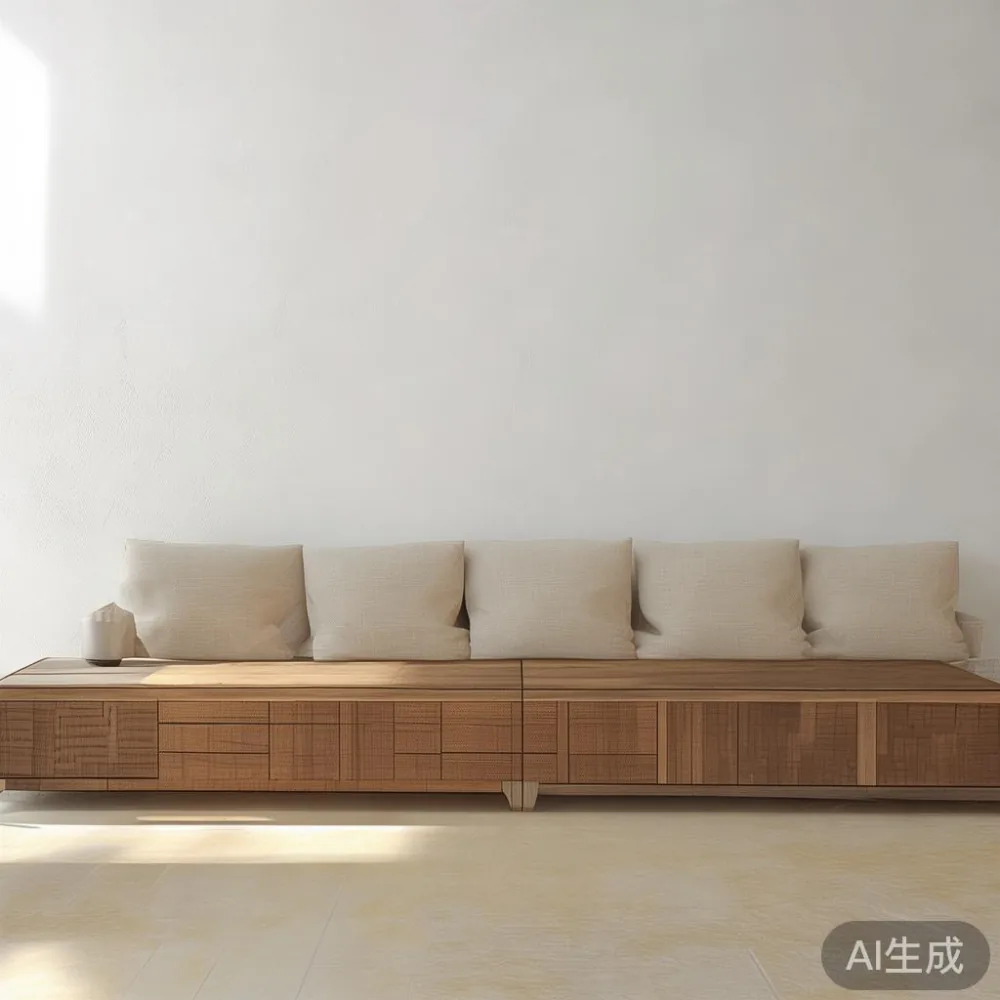
This comparison focuses on furniture categories that matter in urban homes: a solid wood sofa, bed frame, dining table, wardrobe, nightstand and marble table. Prices are illustrative Singapore retail examples in SGD, including GST where applicable. Actual quotations vary by dimensions, timber species, finish and hardware. Furniture delivery, assembly and access should be confirmed before ordering.
What is the real 5-year cost difference between veneer and solid wood?
Across the six categories in this comparison, a representative veneer package costs about SGD 4,530 at purchase, while the matching solid wood package costs about SGD 8,760. The difference is SGD 4,230, or approximately 48.5% of the veneer total. Spreading that difference across 60 months gives roughly SGD 70.50 per month. Solid wood starts at a premium, but its repair and refinishing prospects can narrow the gap.
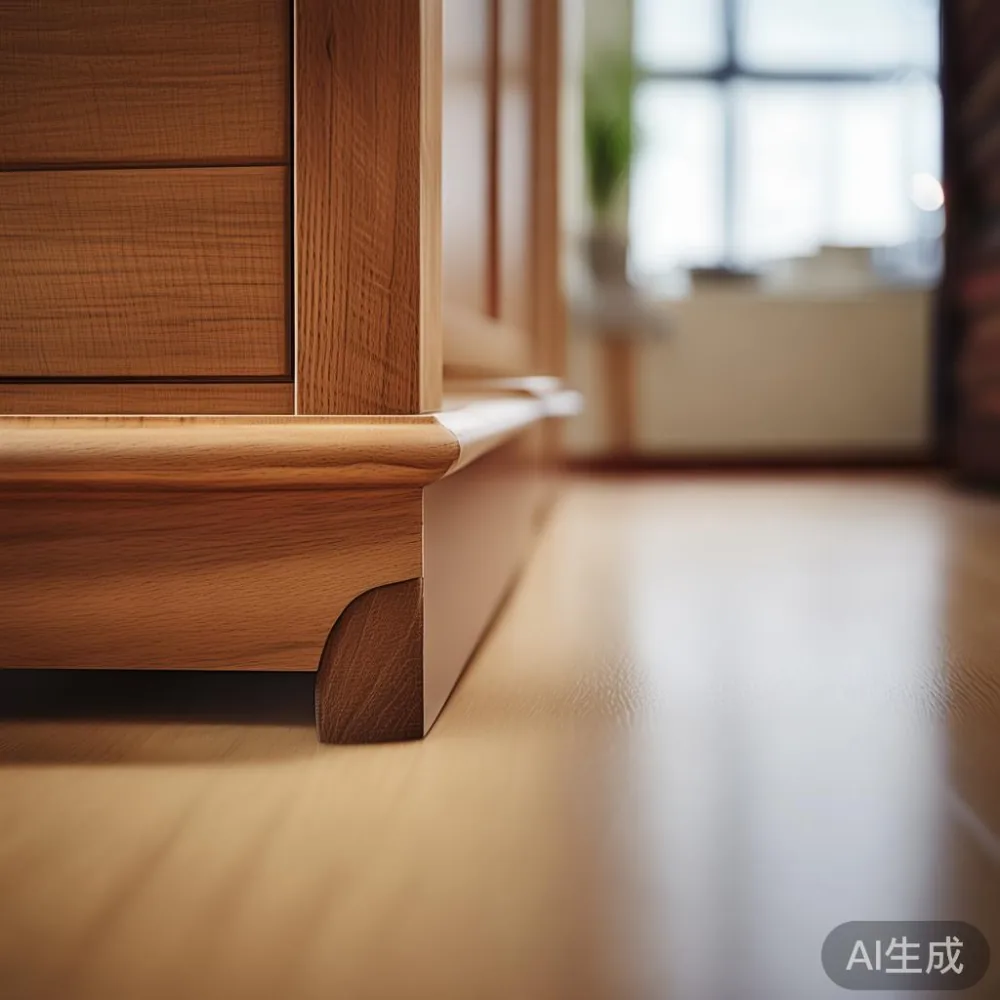
The calculation includes furniture purchase, delivery, a planned refinishing cycle, plausible repair costs, and the value of usable room area. It does not include electricity, insurance or the labour cost of moving furniture yourself. The comparison assumes an HDB flat with narrow circulation zones and a condo living room with slightly more flexibility.
For illustration, a 160 cm solid wood dining table may weigh 52 kg, compared with 37 kg for a veneered table. A 150 cm solid wood bed frame may weigh 46 kg versus 31 kg. That extra mass can matter when the route includes a 120 cm common corridor, a staircase and a 90 cm flat entrance. Choosing a smaller 140 cm dining table or a low-profile bed frame can preserve more circulation space than switching materials alone.
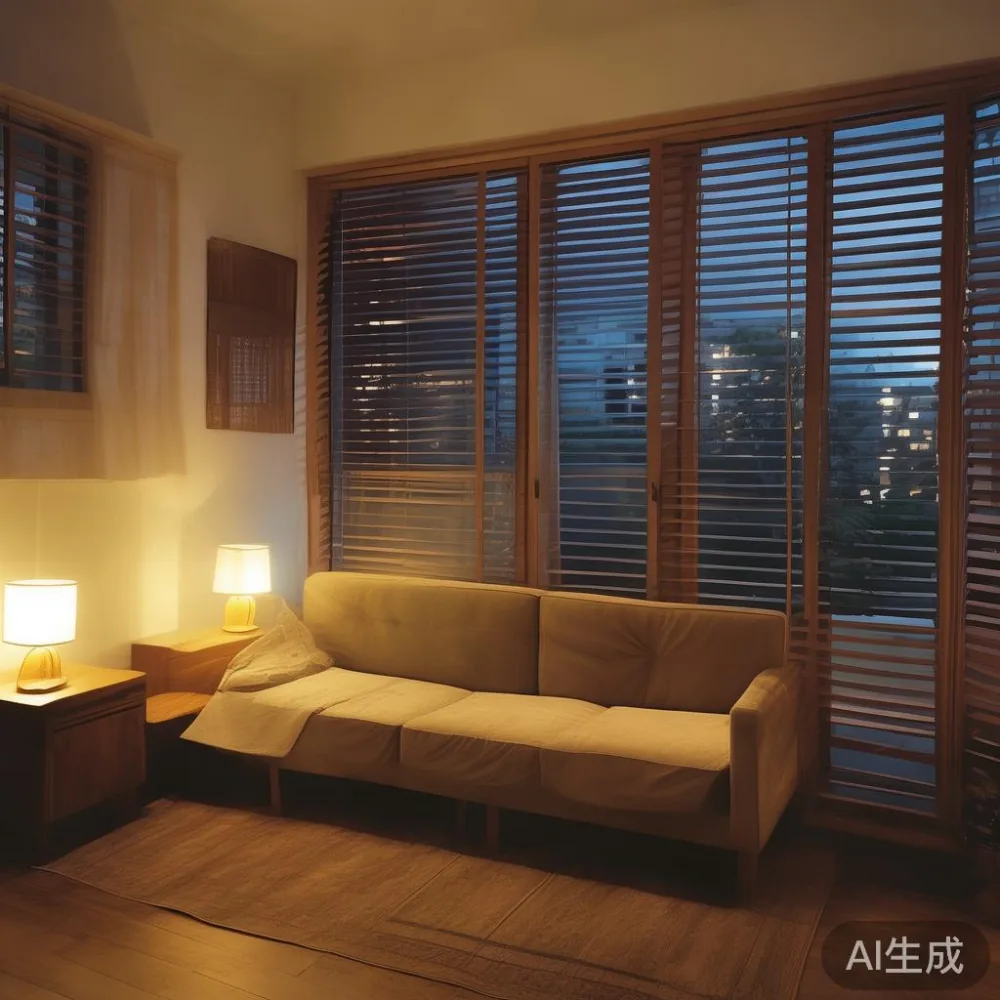
The answer also depends on how the furniture fails. Veneer may chip at an exposed edge, while solid wood can dent or scratch. Both can swell if humidity is uncontrolled, although Singapore’s relatively stable indoor environment generally limits seasonal movement compared with temperate climates. Keep relative humidity around 40% to 60%, place timber pieces away from air-conditioning vents, and wipe spills promptly.
How do purchase prices compare in Singapore?
The following estimates show a realistic range for locally sold furniture. They use common Singapore dimensions and include GST, but delivery is shown separately because lift and corridor conditions affect the final invoice.
| Item | Typical dimensions | Veneer | Solid wood | Estimated delivery |
|---|---|---|---|---|
| Three-seat sofa | 190 × 85 × 82 cm | SGD 1,450 | SGD 2,950 | 5–10 days |
| Bed frame | 150 × 200 cm | SGD 680 | SGD 1,480 | 4–8 days |
| Dining table | 160 × 90 × 75 cm | SGD 720 | SGD 1,350 | 5–10 days |
| Two-door wardrobe | 120 × 58 × 210 cm | SGD 880 | SGD 1,720 | 7–14 days |
| Two-drawer nightstand | 45 × 40 × 55 cm | SGD 280 | SGD 560 | 3–7 days |
| Marble-look coffee table | 100 × 55 × 40 cm | SGD 520 | SGD 700 | 4–9 days |
The total is SGD 4,530 for veneer and SGD 8,760 for solid wood before delivery or repair allowances. Marble tops are listed in both columns because a marble table is defined by its stone surface rather than its frame material. A timber-framed marble table offers lighter construction, while a solid wood base may look more substantial. A 45 kg stone top is difficult to carry through a narrow corridor regardless of frame choice.
Veneer often gives buyers more design flexibility for a compact budget. Solid wood generally costs more because it uses more timber, more machining and stronger joinery. It is not automatically the stronger choice for marble: the stone, frame, fixings and installation method determine performance.
Which Singapore furniture needs the least repair over five years?
For an indicative repair allowance, the veneer package receives SGD 1,090 over 5 years. The solid wood package receives SGD 760. The difference does not mean solid wood never needs repair. It reflects the possibility of sanding, patching and refinishing a marked timber surface instead of replacing a damaged sheet or edge band.
A 160 cm veneer dining table might need SGD 180 for edge repair, SGD 150 for hardware and SGD 90 for a scratch-refinishing service. A solid wood table might need SGD 120 for minor scratches, SGD 100 for a loose joint and SGD 140 for one professional refinishing treatment. On a high-use dining surface, refinishing may be required sooner if guests place hot pots directly on the wood.
The bed frame allowance is SGD 240 for veneer, covering squeak control, hinge work and laminate repair. Its solid wood equivalent is SGD 170 because exposed timber can often be restored locally. Wardrobes require more labour because tracks, hinges and doors are wear components in both constructions. The estimated allowance is SGD 320 for veneer and SGD 280 for solid wood.
Nightstands receive SGD 90 for veneer and SGD 70 for solid wood, largely for drawer slides and surface marks. The sofa allowance is SGD 210 for veneer and SGD 190 for a solid wood sofa, because upholstery and cushions age independently of the frame. The marble table allowance is similar in both cases at SGD 50 for sealer maintenance or fitting checks.
My colleague delivered a 140 cm solid wood dining table to a Tampines flat last month. The lift door measured 110 cm and the corridor narrowed to 95 cm. With the table disassembled into two sections, each fitting through the lift comfortably, installation took 35 minutes. The delivery quotation was SGD 90. A similar veneer table arrived in 20 minutes and cost SGD 60 to transport, but it had a visibly chipped corner after 18 months. The solid wood table later received a 45-minute refinishing touch-up rather than a full replacement.
That experience highlights access as a separate cost. A narrow corridor can rule out a 190 cm sofa even if it fits inside the living room. Always measure the lift door, lift car, turning points and final doorway before buying a large solid wood sofa.
Does refinishing make solid wood more economical over time?
Sometimes, but only if you use the furniture and maintain it. The comparison allows one mid-cycle treatment: SGD 240 for veneer and SGD 180 for solid wood. Veneer can sometimes be refinished, although deep edge peeling or multiple veneer layers may make a spot repair less convincing. Solid wood can be sanded and refinished across broader areas, which is where its long-term value becomes clearer.
Over 5 years, the veneer route includes SGD 4,530 in purchase cost, SGD 300 in delivery, SGD 1,090 in repairs and SGD 240 in refinishing, producing an estimated SGD 6,160. The solid wood route includes SGD 8,760, SGD 300 in delivery, SGD 760 in repairs and SGD 180 in refinishing, producing an estimated SGD 10,000. The spread is SGD 3,840, equivalent to SGD 64 per month over 60 months.
The figures become less decisive if a piece has no visible timber on its main surfaces. A bed with a fully upholstered timber frame may gain little from future refinishing, while a timber wardrobe with exposed fronts can benefit. If resale value matters, condition and design will influence the result as much as the material label.
MIDHILL offers a 10-year structural warranty and lifetime refinishing for applicable solid wood products. That support is one reason solid wood may suit households planning to keep a bed frame, dining table or wardrobe beyond the 5-year window. It should be compared with the actual warranty offered on any veneer product, including coverage for joints, frames and finishes.
How should floor space change the material decision?
In a small space, the dimensions and visual weight of a piece can matter more than its material. A 190 cm sofa fills 1.62 square metres of floor area, while a 160 cm sofa occupies 1.36 square metres. A 150 cm bed frame covers 3 square metres in total, although the mattress occupies most of that area. Moving from a 160 cm dining table to a 140 cm version saves 0.4 square metres.
Solid wood often appears visually substantial, which can work well in French light luxury or American light luxury interiors when balanced with slim legs and pale finishes. Post-modern light luxury can use contrasting timber, stone and metal more freely. A smaller solid wood sofa with 78 cm arms may preserve 12 cm of circulation width along one side, while a marble table with a slim 55 cm width can support a compact dining arrangement.
For Japanese-influenced rooms, light oak tones, straight lines and low profiles can reduce visual clutter. A practical guide to how to style Japanese sofa in room layouts can focus on a 170 cm low-back sofa, a 90 cm table and a 35 cm passage beside the main seat. The material choice should follow that scale. A deeper 95 cm sofa may feel luxurious but restrict movement in a compact HDB living room.
In a Bedok condo, French light luxury could pair a 150 cm solid wood dining table with 2 upholstered chairs, a round mirror and a slim console. Keep the route from the entrance to the dining zone at least 90 cm wide. In Punggol, a modular storage wall can replace a bulky wardrobe, while a 120 cm two-door wardrobe may still fit a dedicated bedroom recess.
The small space theme should guide the entire selection, not only the sofa. A 45 cm deep nightstand works better than a 55 cm model beside a 150 cm bed. A 58 cm deep wardrobe can clear a 70 cm sliding-door cavity, whereas a 65 cm cabinet may not. Leave at least 60 cm in front of wardrobe doors for opening, and confirm whether the corridor permits the packaged width.
Is veneer more suitable for rental flats and occasional homes?
Veneer can be sensible when the priority is a coordinated interior at a controlled initial outlay. For a 5-year rental period, a low-use nightstand or dining table may remain visually presentable with routine care. Veneer also tends to produce lighter furniture, which can simplify moving between units. A bed frame weighing 31 kg is easier for two people to carry than a 46 kg version, although a proper delivery team is still preferable.
The trade-off is repairability. If children, pets or frequent house moves increase edge damage, a replacement veneer panel may cost more than anticipated. Solid wood gives owners more options for local restoration. Ask the seller whether edges are solid timber, how panels are joined and which surfaces can be refinished. “Solid wood” does not mean every component is solid timber; back panels, drawer bottoms and internal supports may differ.
For short-term use, do not overpay for premium timber that will not be seen. For example, a basic veneered nightstand at SGD 280 may be rational in a rental bedroom, while an exposed solid wood wardrobe at SGD 1,720 may justify its cost in a condo intended for long-term ownership.
Which material suits a light luxury interior?
Both materials can support light luxury, but they express it differently. Veneer can create clean, continuous panels and detailed printed grain, which suits a more polished, composed look. Solid wood displays natural variation, joinery and depth, fitting French light luxury, American light luxury and post-modern light luxury schemes when the finish is controlled.
Those searching for the best Modern light luxury furniture should compare proportion, finish and function rather than assume one substrate defines quality. A Modern light luxury nightstand with 2 drawers, 40 cm width and soft-close runners can look refined beside a upholstered bed. A 100 cm marble table with a 40 cm height can balance a sofa without crowding a 3.2 by 3.8 metre HDB living room.
There are useful guides to how to choose Italian light luxury sofa for a Singapore home, but the key details remain local: confirm the sofa is 190 cm or less, check the lift dimensions, allow for 45 cm of walking clearance and request a fabric composition and frame specification. A guide to how to style European sofa in apartment layouts can focus on a straight 3-seat profile, 85 cm depth and 45 cm rear circulation rather than elaborate styling.
For a light luxury dressing table, a narrow 80 cm solid wood model with 1 drawer can offer useful surface area in a bedroom. If the required search phrase is light luxury dressing table, compare it with a 100 cm stone or marble version only after checking the load, stability and available floor area. Dressing tables are especially vulnerable to humidity and cosmetic marks, so a protective mat and stable placement matter.
What should a Singapore buyer check before ordering?
Measure the route, not just the room. Record the lift car dimensions, lift door width, corridor turns and door openings. For a large wardrobe, compare the assembled width with the shortest corridor point; do not rely on the carton dimensions. Allow 5 to 14 delivery days for made-to-order pieces, and confirm whether the quoted service includes carrying the furniture upstairs, unpacking, assembly and packaging removal.
Check the product specification. For a solid wood sofa, confirm whether the visible frame, arms and back are solid timber and whether the cushions use high-density foam. For a bed frame, inspect centre supports, slat spacing and joints. For a dining table, ask about extension leaves, underside clearances and heat limits. For a wardrobe, confirm drawer travel, hanging space and door swing. For a nightstand, test drawer slides. For a marble table, request the stone thickness, base material and load rating.
Review the commercial terms as carefully as the material. A 10-year structural warranty should be different from a finish warranty. Confirm what refinishing covers, whether labour is included and whether transportation is charged. Singapore’s Consumer Protection Act provides baseline fair-trading expectations, while specific claims should be written into the order.
Ask about GST-inclusive pricing and payment methods. A usable budget rule is to reserve 10% of the furniture total for delivery, assembly, protection products and possible repairs. This figure is SGD 453 on the veneer package and SGD 876 on the solid wood package.
Finally, consider the resale horizon. If you expect to stay fewer than 5 years, lower purchase cost and portability may outweigh refinishing potential. If the furniture will remain in the flat or condo for 8 to 10 years, solid wood may be the more resilient financial choice, particularly for exposed timber dining tables, bed frames and wardrobes.
What is the most practical 5-year choice?
The comparison points to two different answers. Veneer gives the lower starting cost and can be practical for temporary accommodation, concealed surfaces and lighter pieces. The estimated 5-year outlay is SGD 6,160, including purchase, delivery, repairs and one refinishing allowance. Solid wood costs SGD 10,000 over the same period, but offers broader restoration options and stronger long-term relevance for frequently touched surfaces.
For a Singapore small space, the strongest decision combines material with disciplined sizing. Choose a 160 cm dining table rather than 180 cm if circulation allows, a 170 cm sofa instead of a deep oversized model, and a 120 cm wardrobe only after checking door clearance. Keep a 90 cm route from lift to home where possible, and avoid placing a 45 kg marble table along the primary passage.
Solid wood becomes more persuasive when the plan includes refinishing, frequent use and long ownership. Veneer becomes more persuasive when the budget is fixed or the furniture will be replaced sooner. In either case, measure twice, request the full specification and treat furniture as part of the room’s circulation system. That is how a material decision becomes a useful small space decision rather than a short-term saving that creates later friction.