Solid Wood Furniture Prices: What Singapore Buyers Actually Pay For
Solid wood furniture can look deceptively simple from a catalogue photograph. A dining table, bed frame, wardrobe, or nightstand may share the same broad product label while differing in timber grade, joinery, finish, hardware, dimensions, and delivered cost. For Singapore households furnishing HDB flats and condos in Tampines, Bedok, Punggol, or newer developments, those differences determine whether a piece fits the room, survives daily use, and remains practical after delivery.
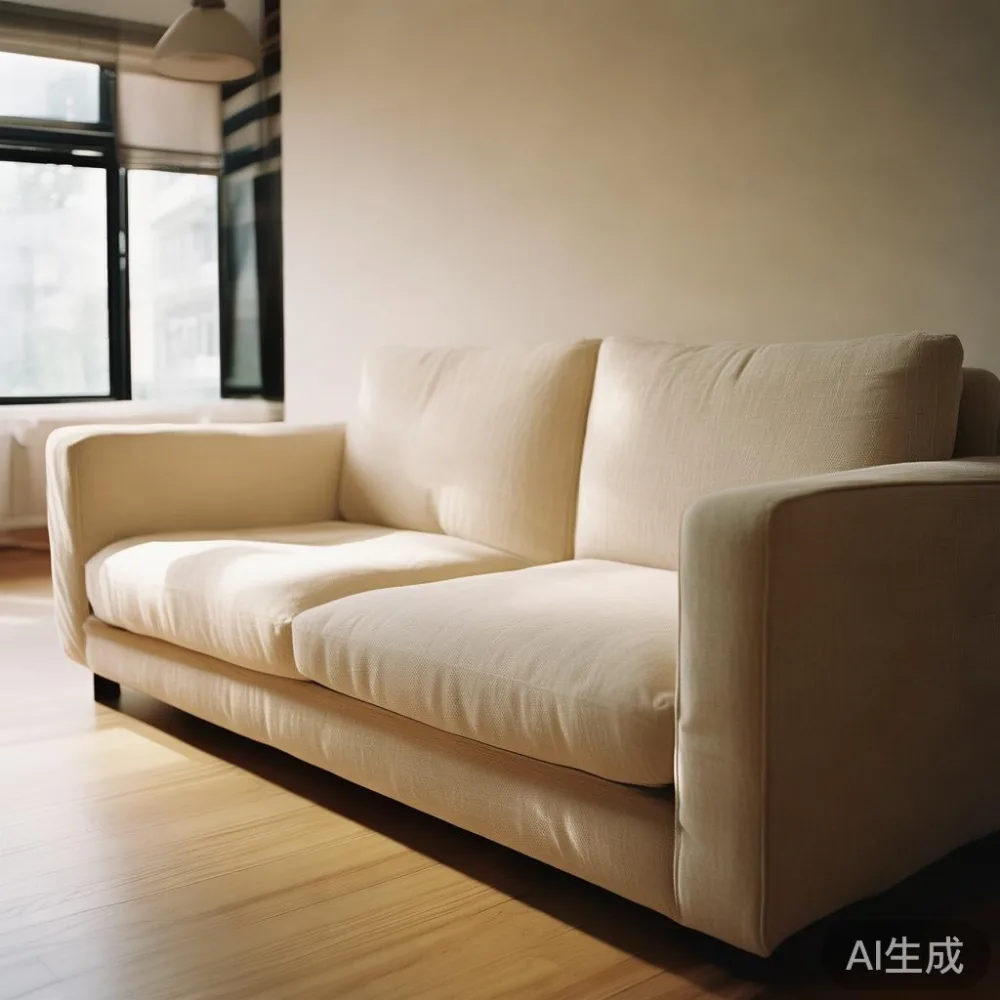
This guide explains the actual price drivers without reducing quality to one misleading number. A compact solid wood sofa from MIDHILL may use carefully selected boards, reinforced joints, and a practical finish, while a visually similar alternative may conceal lower-grade timber or weaker construction. A marble table introduces another cost structure because stone slabs vary in thickness, veining, cutting, and support requirements. Light-luxury positioning—French light luxury, American light luxury, or post-modern light luxury—describes a design direction, not a guarantee of material value.
Prices below use SGD and include realistic examples rather than universal selling prices. GST, access restrictions, and delivery timing can affect the final invoice, particularly when furniture must pass through a 90 cm corridor, negotiate a lift, or enter through a condo service entrance.
What actually drives the price of solid wood furniture?
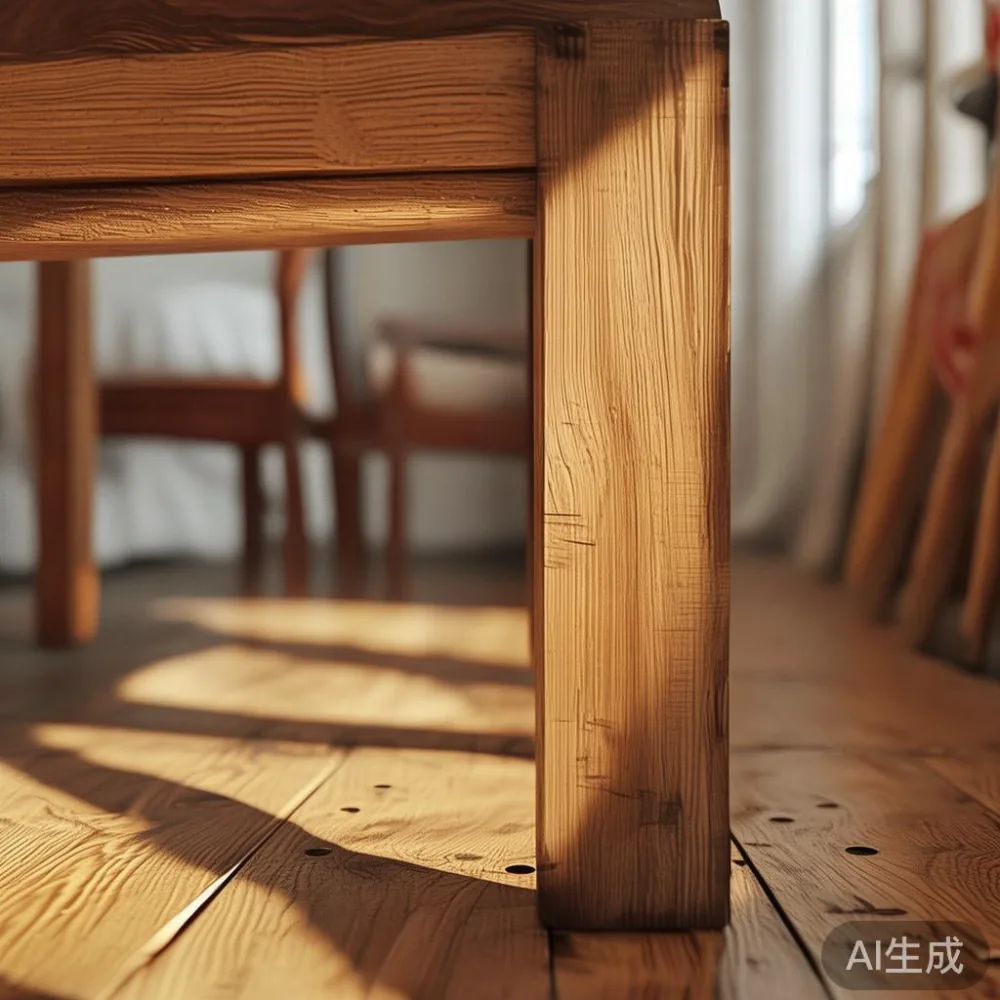
The starting point is timber, but “solid wood” is too broad to explain a price by itself. Species, grade, moisture condition, board width, defects, and machining all matter. A 180 cm dining table made from defect-free hardwood boards can require different stock and labor from a 140 cm table assembled from narrower pieces. Thickness is a useful comparison: a 20 mm top has more material than an 18 mm top, yet total weight also depends on the frame and joinery.
Construction is usually more revealing than appearance alone. Mortise-and-tenon joints, dowels, screws, corner blocks, and load-bearing rails serve different purposes. A solid wood bed frame may cost more because its 160 cm or 180 cm width creates a longer unsupported span. A wardrobe may command a higher price because tall doors can warp if hinges, alignment, and carcass construction are not controlled.
Consider a practical comparison:
- Entry-level compact dining table: around SGD 1,200–SGD 1,800 before delivery.
- Mid-range solid wood dining table: around SGD 1,800–SGD 3,200, with stronger joinery and finish control.
- Light-luxury designer table: around SGD 3,200–SGD 6,500, depending on timber, shaping, and surface treatment.
- Small marble table: around SGD 1,600–SGD 4,500, with stone selection and edge details driving the spread.
Those ranges illustrate the material and workmanship involved; they are not fixed price promises. A smaller table may still cost more if its timber, finish, or hardware is specified accordingly.
Is solid wood furniture more expensive than engineered wood?
Not automatically. Engineered panels can be useful in a small space because they are dimensionally stable and may allow thinner, lighter designs. Solid wood has different cost drivers: hardwood sourcing, longer drying times, machining, material yield, and more demanding joinery. The answer depends on the product and construction, not on a blanket claim about one category.
A 150 cm wardrobe in veneer-backed construction might cost SGD 1,100–SGD 1,700. A comparable solid wood wardrobe may range from SGD 2,400–SGD 5,500. The higher figure may reflect hardwood, visible grain selection, solid timber rails, and a different finish process. It may also reflect styling, hardware, or brand service rather than timber alone.
For a Singapore bedroom, a 120 cm solid wood bed frame may weigh roughly 45–75 kg, while a larger queen frame can weigh 60–100 kg. That weight affects delivery planning. It can also limit where the bed can stand, especially near a lift with a 900 mm door or a corridor turning radius of about 1,200 mm.
The question worth asking is not whether one material is universally better. It is whether the specified construction fits the use. A child’s study, a high-traffic dining zone, and a low-use display cabinet do not need the same performance. For a heavy wardrobe, solid timber shelves may resist bending better than thin panels. For a nightstand, stability, drawer movement, and finish durability may matter more than the species visible on one edge.
Does timber grade explain why two furniture prices are so different?
Yes, often. Timber grade describes appearance and structural characteristics such as knots, sapwood, grain variation, and defects. A grade with tighter selection can reduce yield because boards with minor irregularities are rejected or diverted to hidden components. That affects both cost and appearance.
Oak, ash, walnut, teak, acacia, and other commonly used species have different prices because of availability, processing, drying, and market demand. Even within one species, a wide board with a clean figure may cost more than a narrow board intended for concealed parts. Ask whether the piece uses solid timber on visible surfaces, mixed hardwood in the frame, plywood in a back panel, or a combination. A mixed construction can be entirely appropriate; it simply should not be presented as something it is not.
Wood movement is another factor. Singapore’s humidity changes through the year, and air-conditioned interiors can become quite dry. A well-made solid wood dining table should allow controlled movement rather than being glued into a perfectly rigid box. Seams, edge profiles, and finish layers all contribute to this behavior. A lower-priced finish may chip or crack sooner around a sink, a coffee cup, or a frequently touched drawer edge.
At MIDHILL, material communication and finish care are part of the furniture conversation rather than an afterthought. A 10-year structural warranty can help a buyer assess confidence in load-bearing design, but it should be understood alongside movement, cleaning, and placement guidance. Lifetime refinishing is valuable when the surface is designed to be restored, yet it is not permission to ignore sunlight, moisture, or heat.
Why do hinges, drawers, and joinery affect a wardrobe’s price?
A wardrobe combines timber, sheet components, hardware, and repeated movement. Soft-close hinges, drawer runners, adjustable shelves, hanging rails, and alignment systems can add several hundred SGD to the delivered price. A plain 180 cm wardrobe with a simple hinged door may cost around SGD 2,000–SGD 3,200. A fitted wardrobe with multiple compartments, mirrored panels, custom lighting, and premium hardware may reach SGD 5,000–SGD 10,000 or more.
In a compact HDB room, installation can be as important as the cabinet itself. A 200 cm tall unit may weigh 100–180 kg before contents are added. It may need to be assembled inside the bedroom rather than carried in one piece. If a lift measures 1,000 mm wide and 2,100 mm high, the usable internal width may be smaller. A 220 cm door panel cannot turn through every corridor simply because it fits through the flat entrance.
This is why access information should be collected before a large order is dispatched. Measure the lift door, lift depth, landing, corridor width, stair turns, and the narrowest point near the flat door. Confirm whether the building has a delivery booking system and whether the service elevator requires a protection fee or a loading schedule.
For anyone comparing options, the search phrase is European wardrobe worth it can be useful only if it leads to closer inspection. European-inspired styling may add value through proportion, storage planning, and hardware, but an imported-looking handle does not establish the quality of the carcass. Check the actual back panel, shelf supports, hinge brand, drawer action, and warranty terms.
Are light-luxury furniture prices justified by appearance?
Light luxury can provide a restrained visual language without extreme ornament. French light luxury often uses pale woods, gentle curves, upholstered seating, and refined hardware. American light luxury may emphasize generous upholstery, familiar comfort proportions, and practical detailing. Post-modern light luxury may use clean geometry, restrained contrast, and a more architectural feel. Each approach can suit a small space if scale is controlled.
A solid wood sofa may cost around SGD 2,800–SGD 6,500 depending on frame material, cushion construction, upholstery fabric, foam specification, and width. A smaller 180 cm sofa may fit a compact living room better than a 220 cm model, but a narrower frame can be more expensive if its support system is engineered carefully. The frame should be examined for hard wood rails, corner bracing, and connections between seat and arm.
A designer Italian light luxury furniture label may command a premium for silhouette, finish, and production controls, but the country or style name should not be used as a substitute for inspection. Ask what changes between a SGD 3,500 coffee table and a SGD 6,000 marble table. Is the increase due to slab selection, thickness, edge treatment, base material, or simply presentation?
A coffee table needs to work in a real room. A 100 × 55 cm model may provide enough surface area while leaving a 70 cm circulation route. A 120 × 70 cm table can feel substantial but may narrow the walking path. Leave at least 75–90 cm between major furniture pieces where possible, and check that chairs can be pulled back without touching a wall or curtain.
Which small space details add cost without adding useful comfort?
Small space does not mean every room must look temporary. It means each piece should earn its footprint. A dining table with deep apron rails may look substantial but reduce knee clearance. A wardrobe opened with a wide door swing may block the bed. A nightstand with a narrow drawer may fit visually yet fail to hold a lamp, charger, and book. These are functional price considerations, not merely decoration issues.
Useful specifications to compare include:
- Dining tables: a 120 × 70 cm table seats 4 people more easily in many flats than a 140 × 80 cm model, which may suit 4–6 people but needs more clearance.
- Bed frames: a queen mattress is commonly 152 × 203 cm in Singapore, so the frame should be checked for exact outer dimensions and side clearance.
- Wardrobes: a 150 cm sliding-door unit can save space, while a hinged 150 cm unit needs room for the door to open.
- Nightstands: a 40 × 35 cm top can hold a lamp and small objects, while a 30 × 25 cm model may suit a tight bedside gap.
- Marble tables: a 90 × 50 cm top is easier to move and carry, but should still be handled by two people if it exceeds about 30 kg.
Some apparent upgrades add little. A thicker decorative base may reduce legroom. A marble finish applied to a dining surface may be attractive but can be more demanding on maintenance than timber. A storage bed may add a useful lift-up compartment, yet its lifting mechanism and gas struts need more testing than a conventional frame.
When searching for under 2000 Boho furniture, the category may include solid wood pieces, woven materials, and mixed construction. Under SGD 2,000, buyers should look closely at drawer boxes, corner joints, finish coverage, and whether the quoted surface is genuinely solid wood. Boho styling can work in a Tampines flat when it is softened with a few controlled materials rather than filling every wall.
How much do Singapore delivery, GST, and installation add?
Delivery is not a small detail for bulky furniture. A bed frame may need a van and 2-person handling; a wardrobe may require a 3-person team or partial assembly. Typical charges may be around SGD 80–SGD 300 within Singapore, with higher costs for stairs, narrow access, or carrying beyond the lift. Confirm whether the quoted price includes delivery, assembly, and removal of packaging.
GST is normally shown separately on commercial invoices in Singapore. A listed SGD 2,400 item would generally add about SGD 168 in GST, but the final tax treatment and invoice presentation should be confirmed with the seller. Prices on a website may also exclude delivery or accessories, so compare the final payable amount rather than the headline number.
Access planning affects delivery days. A straightforward ground-floor delivery may take 5–10 days after stock confirmation. A made-to-order item may take 30–60 days. During peak periods, a custom wardrobe or imported finish could require 60–90 days. A supplier should provide a clear lead time instead of implying that every piece arrives within 24 hours.
One real first-person experience helps: last month I visited a Bedok condo and measured the lift while a 180 cm bed frame was being delivered. The lift door was 920 mm wide, and the turning space near the lobby was narrow. The frame was disassembled into sections, protected with blankets, and carried through in about 25 minutes. A second unit with fixed legs would have been difficult to maneuver. The experience confirmed that delivery design is part of furniture design, especially in Singapore small space homes.
What should a buyer ask before paying for solid wood furniture?
Ask for exact dimensions in centimetres, not only photographs. Request the timber species and the construction of visible and hidden parts. Confirm whether solid wood applies to the entire piece or to selected components. A solid wood sofa can have a timber frame and upholstered surfaces, while a wardrobe may combine solid shelves with engineered back panels. Clear specifications prevent false comparisons.
Next, ask how the finish is protected. Three coats, water-based finish, oil, lacquer, or wax may behave differently around heat and moisture. Request care instructions that match Singapore conditions. A dining table should not be placed directly against an air-conditioning vent or a window receiving strong afternoon sun. Use a stable indoor environment, ideally around 45–65% relative humidity where practical, and wipe spills promptly.
Check the warranty in writing. A 10-year structural warranty should define what is covered, what is excluded, and how a claim is handled. A lifetime refinishing promise should specify whether refinishing applies to the whole piece, available surfaces, or selected parts. It is useful to know whether scratches can be repaired and whether the customer pays for transport or labor.
Returns are equally important. A 14-day return period can provide time to inspect size, finish, movement, and assembly, but oversized or customized pieces may have specific conditions. Photograph the furniture on arrival, inspect packaging, and record any damage before signing.
MIDHILL has supplied solid wood furniture since 2008 and exports to 15-plus countries, which gives buyers access to a production network that also has to meet different market standards. That background does not make every product equal, so the same inspection still applies. Ask for material details, packaging method, delivery lead time, and after-sales support.
Which product type gives the clearest link between price and daily use?
The clearest link often appears in products that are touched repeatedly: drawers, dining surfaces, wardrobe hinges, and bed-frame joints. A solid wood dining table may cost more when its top is thicker, its edges are shaped, and its apron is joined to withstand movement. A nightstand may cost less because it is smaller, yet its price can be disproportionate if the drawers are poorly aligned. A marble table can cost more because cutting and polishing a slab create waste and because stone needs a correctly designed base.
For beds, compare American bed vs Italian light luxury bed and American bed vs Japandi bed as useful starting points rather than automatic winners. American design may prioritize familiar proportions and a substantial visual presence. Italian light luxury may emphasize refined profiles, upholstery, and a stronger design statement. Japandi styling may use simpler lines and a lighter visual effect. The construction, mattress clearance, weight, and delivery route matter more than the label.
A queen bed may use a 160 × 200 cm mattress, while a king bed may use 180 × 200 cm. The frame should be checked for a few centimetres of extra length and side clearance. A solid wood frame may weigh 65–100 kg, so moving it into a top-floor condo without a suitable lift can add labor cost.
The same discipline applies to a MIDHILL coffee table review: check stability at 40–60 kg loading, edge safety, surface resistance, and whether the table works with a 90 cm sofa or a pair of compact chairs. A photograph cannot show whether a 12 cm edge feels sharp, whether the grain remains coherent across the top, or whether a marble base is protected during delivery.
How can a Singapore buyer compare prices fairly?
Use a total-cost sheet rather than comparing catalogue numbers. Record the item price, GST, delivery, assembly, access charges, and expected lead time. Compare dimensions, timber, grade, joinery, finish, hardware, warranty, and returns. If one table costs SGD 1,700 and another costs SGD 2,600, ask what specific construction accounts for the SGD 900 difference.
For a Tampines HDB flat, a compact 120 cm dining table may be more useful than a large decorative table. In a Bedok condo, a marble coffee table may be attractive but should not obstruct the 900 mm route from the entry to the sofa. In Punggol, a family may need a wardrobe that fits the bedroom door rather than simply the lift dimensions. Small space planning turns measurements into value.
French light luxury, American light luxury, and post-modern light luxury can all work when the proportions are disciplined. Keep major pieces within the room’s visual field, use furniture legs or recesses to create floor visibility, and avoid blocking vents. A small space can carry warm wood, cream upholstery, soft textiles, and one carefully selected stone surface without feeling crowded.
The price of solid wood furniture is driven by a chain of decisions: timber selection, material yield, drying, machining, joinery, surface preparation, hardware, packaging, delivery, and after-sales service. The largest visible component may be wood, but the costs that protect longevity are often hidden in joints, drawers, hinges, finishes, and access planning. Measure the room, inspect the specification, and compare the delivered cost. That approach gives price meaning—and keeps the purchase grounded in real daily use.
For direct product questions or a tailored specification, contact +86 188 2788 2512. A 10-minute conversation about room dimensions, access widths, and the intended product can prevent a purchase that looks affordable but becomes difficult to deliver or maintain.